That Moment When You Realize, Life Really Has Moved on After Cancer
From that of complete darkness and feeling so hopeless, to then progressing so slowly with the smallest rays of hope, life after cancer has blossomed over the years into something truly beautiful and breathtaking.

The month of October is a very busy and happy time for my wife and I. On the 11th, we officially marked the point of having spent over half of our lives together after 19 wonderful years. I had thought this huge milestone was coming next year, but then I realized that this was next year! My God, we finally made it, another fantastic summer is over, the leaves have been falling, and another year is passing by. On the 16th we celebrated our wedding anniversary, 11 years this year, and on the 27th I turned 38 years old. Turning 38 is strangely a big deal to me not because of the number, but because of how I feel about it. I was so distressed at times during my first few years after cancer, that I was convinced I was never going to make it to 40. Now, that milestone feels like it's right around the corner for the first time at 38. I have this renewed sense of optimism and hope about my future today that I hadn't felt last year when I turned 37, and it feels wonderful.
We took a trip somewhere for our anniversary, as we always have since cancer. It's been an important thing for us to do after all we've been through, and this year we landed at Virginia Beach, where I had proposed to my wife back in 2002. We had a fantastic time, hit some of our favorite spots, and it just felt good to be in a place that has a history in our love story. In the blink of an eye, so much time has passed both in life, and since I was diagnosed with cancer at 33. My wife and I have really enjoyed life and each other since our cancer fight. Nothing is taken for granted anymore. There have been countless trips to here and there, and so much love, laughter, and joy along the way. We've made so many great memories from all of our adventures together, and have made some truly wonderful friends for life along the way. A whole lot of LIVING has been done in these past few years, but most don't know and could never see just how much I'd also been struggling on the inside with so much. In the midst of such wonderful times after cancer, my mind, body, and spiritual self were all still raw and hurting, and in great need of healing.
It took years, but a rigorous exercise regimen that I focused on relentlessly finally forced my body into the full recovery that I enjoy today. I feel decades younger today than I have in the past few years. Running, writing, and mindful mediation gave me the outlets that I needed to help harness such powerful Scorpio emotions after cancer that I simply wasn't prepared to handle at all, and some wonderful mentors helped to guide me along the way.
I had also been very torn and conflicted spiritually. Having cancer as a young adult makes us fear that our lives are on a short clock. We feel rushed to try to accomplish whatever it is we were meant to accomplish in our lives, but I didn't really know who I was, what I believed in, nor what I was put here to do. I found the way to get in touch with my true spiritual self, found my purpose in this world, and a system of beliefs that I could truly believe in with all of my heart and soul. This brought me tremendous comfort, and helped to ease my mind and soothe my soul.
I also learned the importance of unconditional self-love, and how to forgive for the first time in my life. A few people had hurt me so badly during this journey that I'd wanted to destroy them, and could have. The passage of time and life has taught me that even these people had served a higher purpose in my life, and I now feel nothing but the deepest of gratitude towards them, even if some may never know, nor understand why or how. Everything happens for a reason. Life can be so complicated and confusing, but if you look for meaning you'll find it.
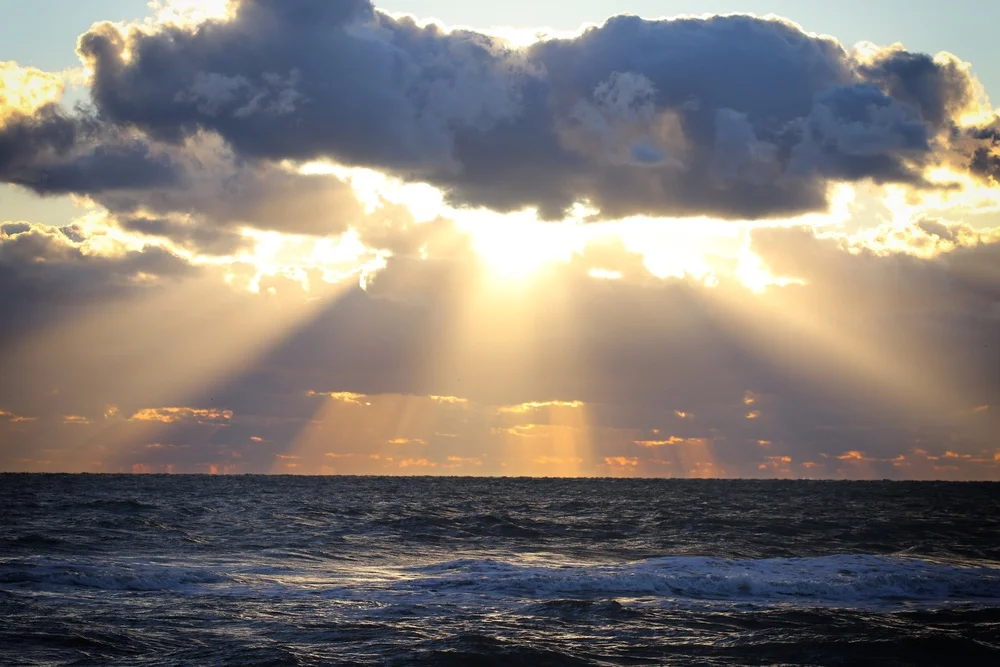
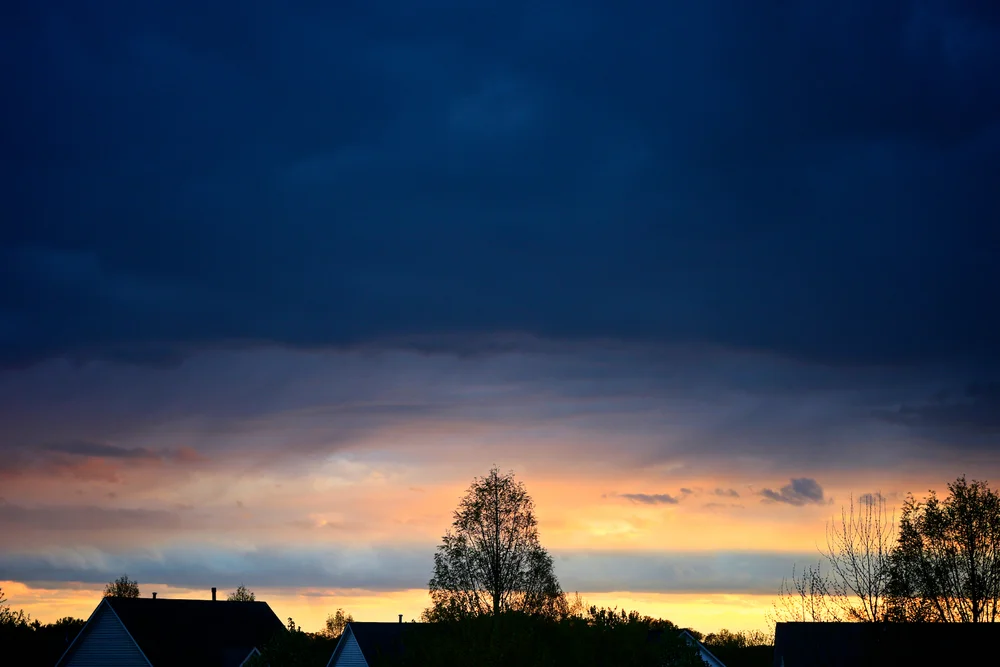
The beautiful beach sunrise that I enjoyed was so symbolic of my life after cancer for these past few years. From that of complete darkness and feeling so hopeless, to then progressing so slowly with the smallest rays of hope, life after cancer has blossomed over the years into something truly beautiful and breathtaking. Cancer could have destroyed my marriage, but it didn't. We've only grown closer, more appreciative, and more in love with each other over the years. Cancer and the toxic treatments needed to fight it nearly destroyed my body, but I fought back hard for years, and can do things today that I couldn't even do before cancer. Cancer tried to destroy my mind with anxiety, depression, and post-traumatic stress, but I found healthy and productive outlets, methods of coping, and the right people that could help carry me along. Cancer tried to destroy me spiritually, but I still found my path forward. Whatever cancer has thrown my way, I've overcome.
Tears fell, and an incredible feeling of peace and oneness swept over me, as I took it all in and realized just how far I'd come. How many times had I so painfully burned myself to the ground in order to keep evolving, and how many times would I have to do so again? For a time it felt like forever, but today the answer is no more. I've healed all of me, mind, body, and spirit. I've grown and evolved so much, and my long struggles after cancer are over. I've finally mastered these rough seas, and have never felt better about life than I do today.
Life really has moved on after cancer.
StevePake.com

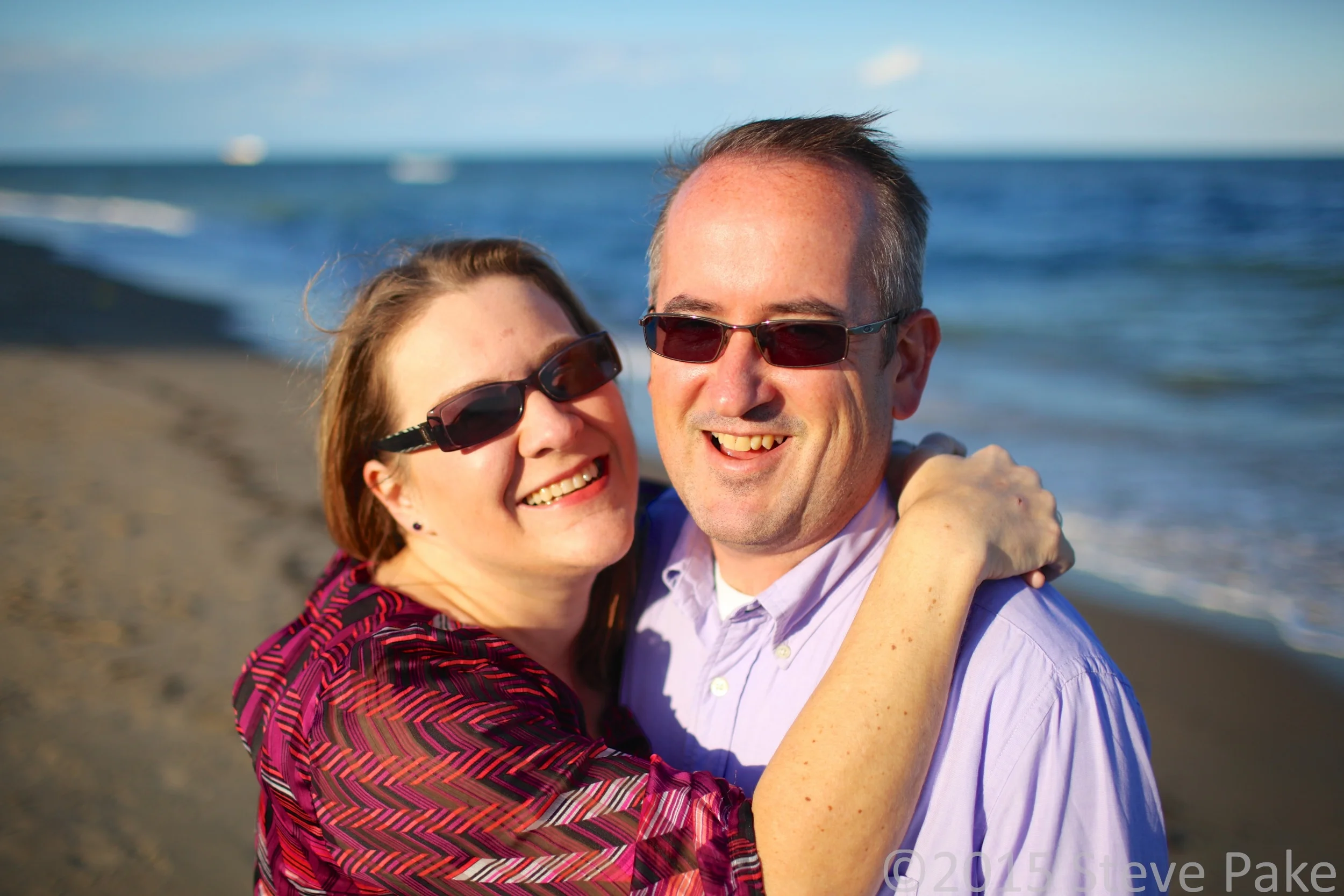
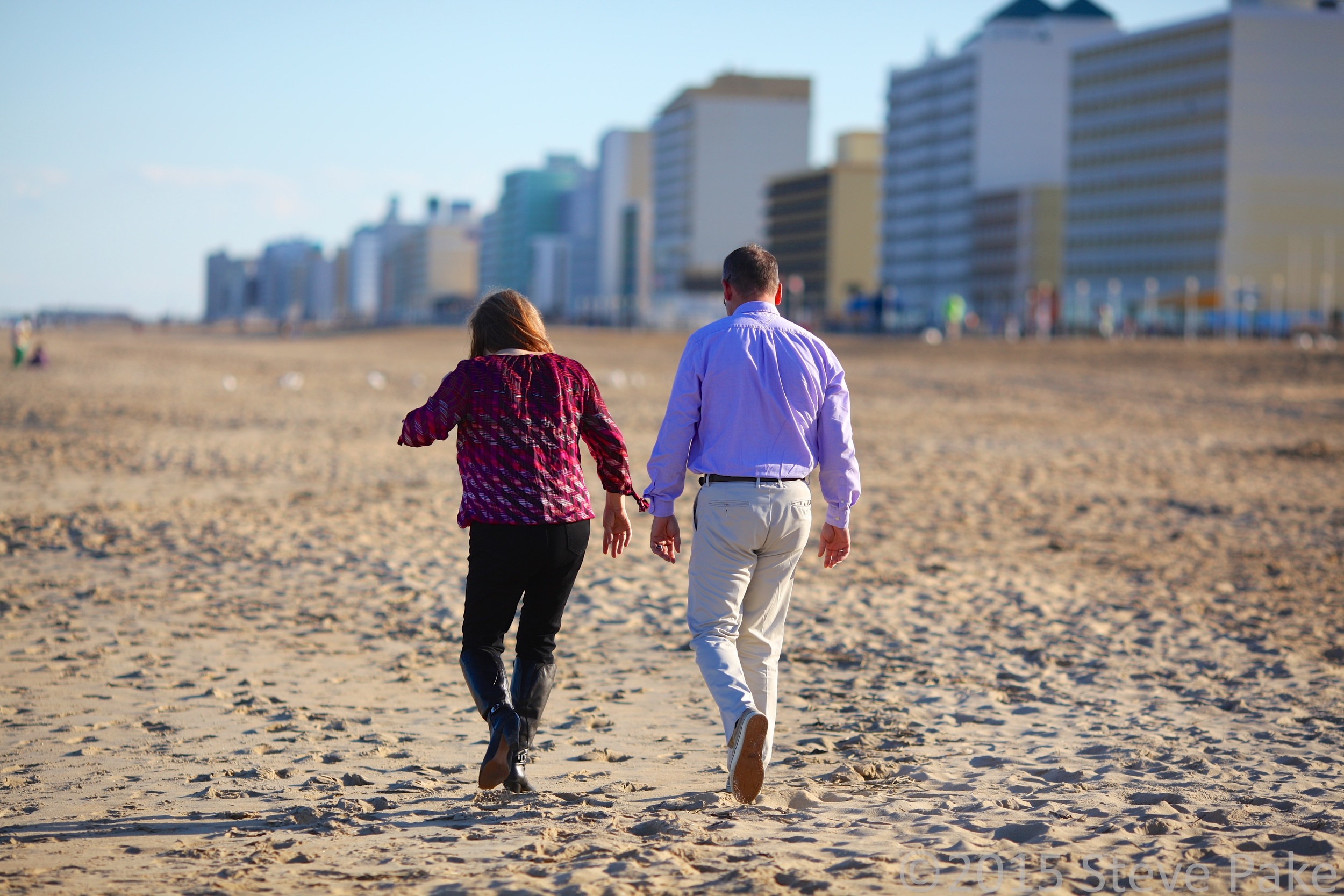
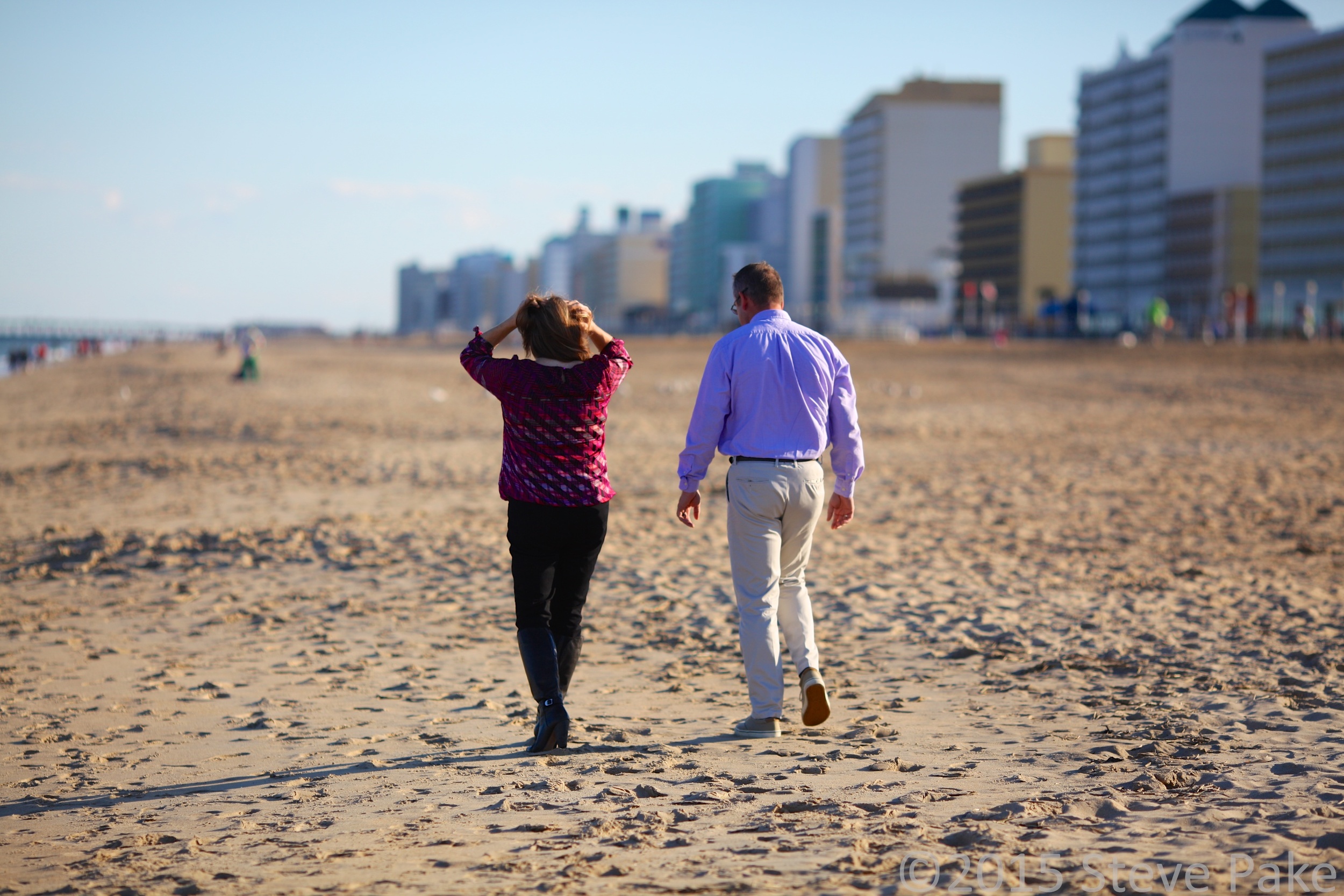
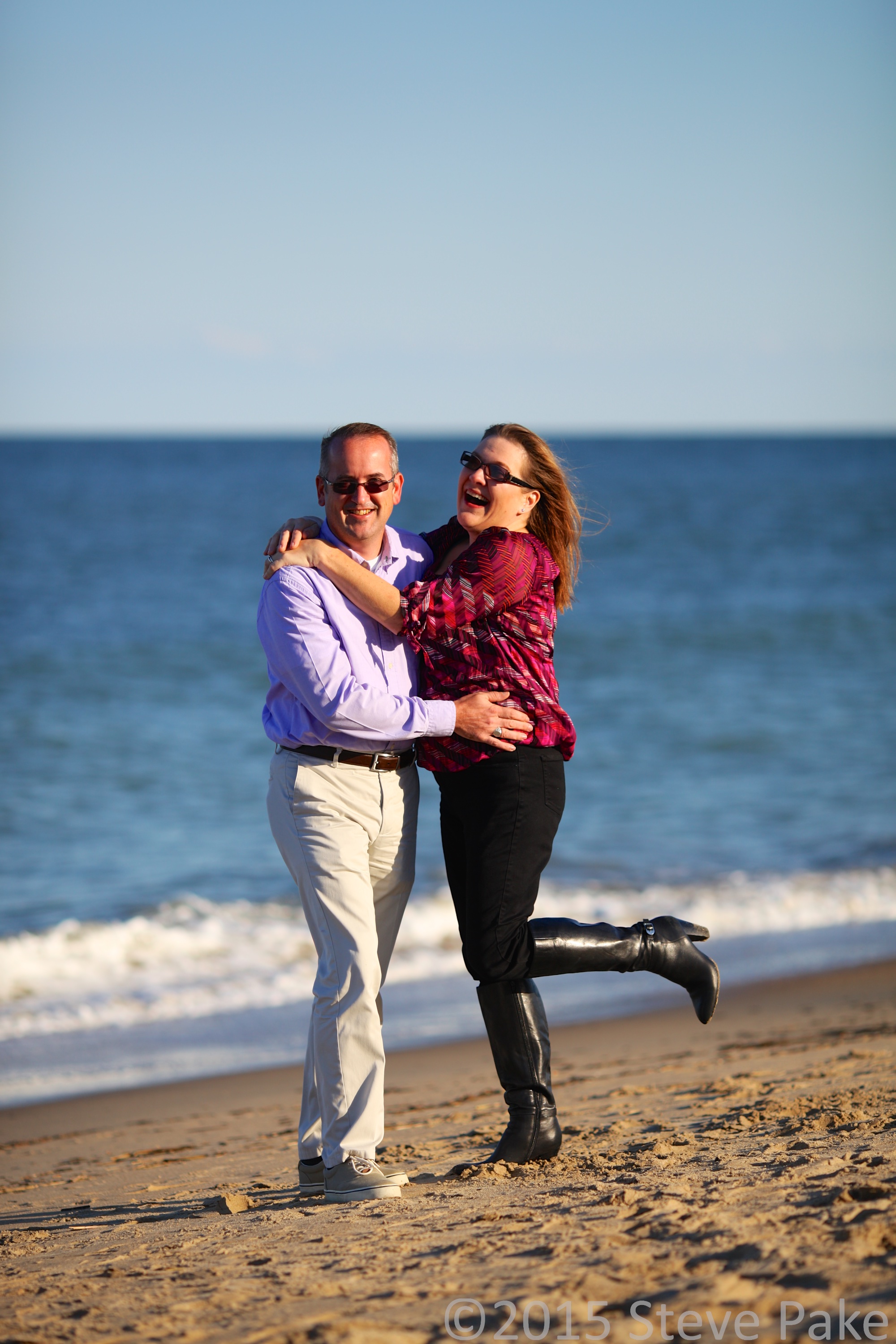
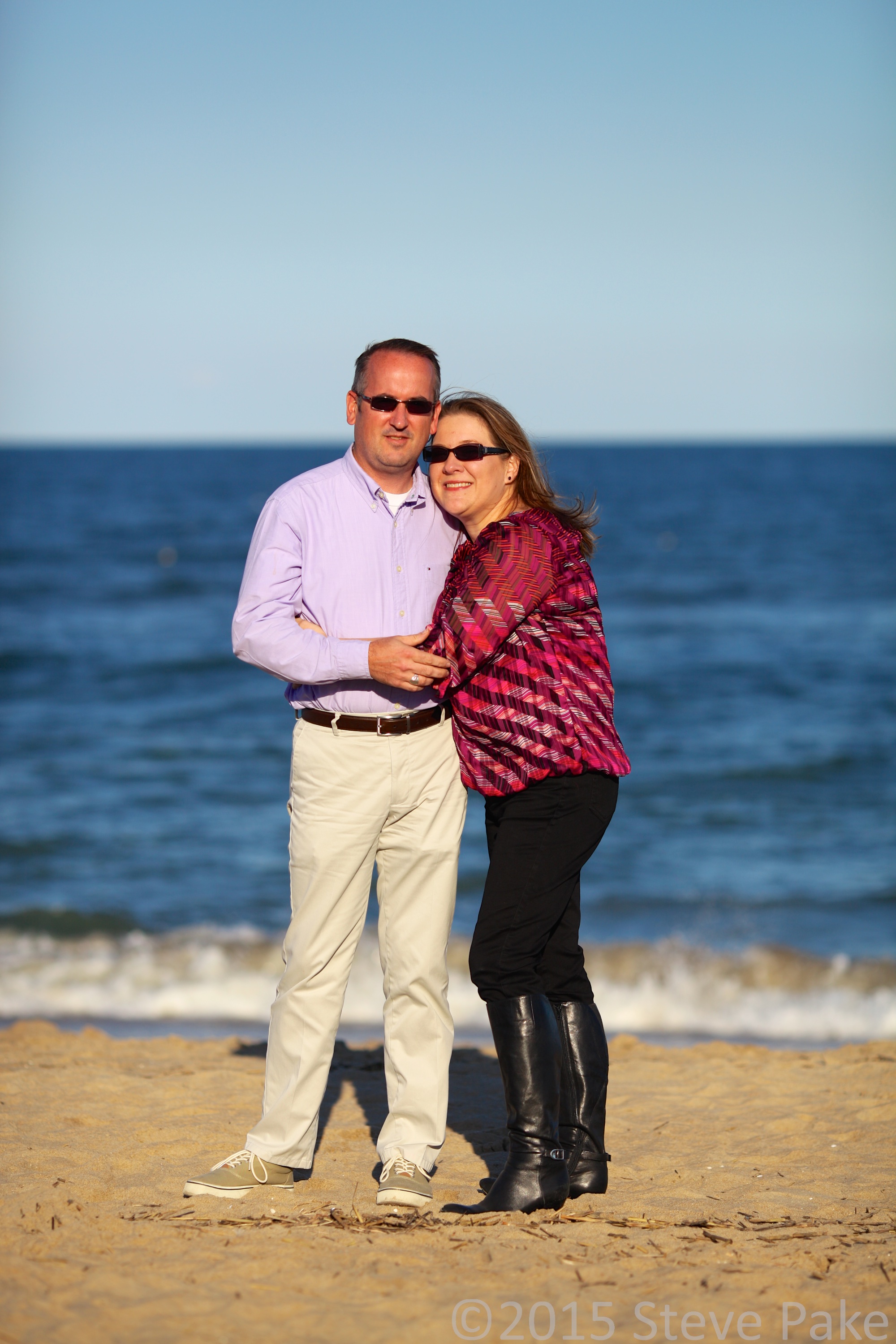
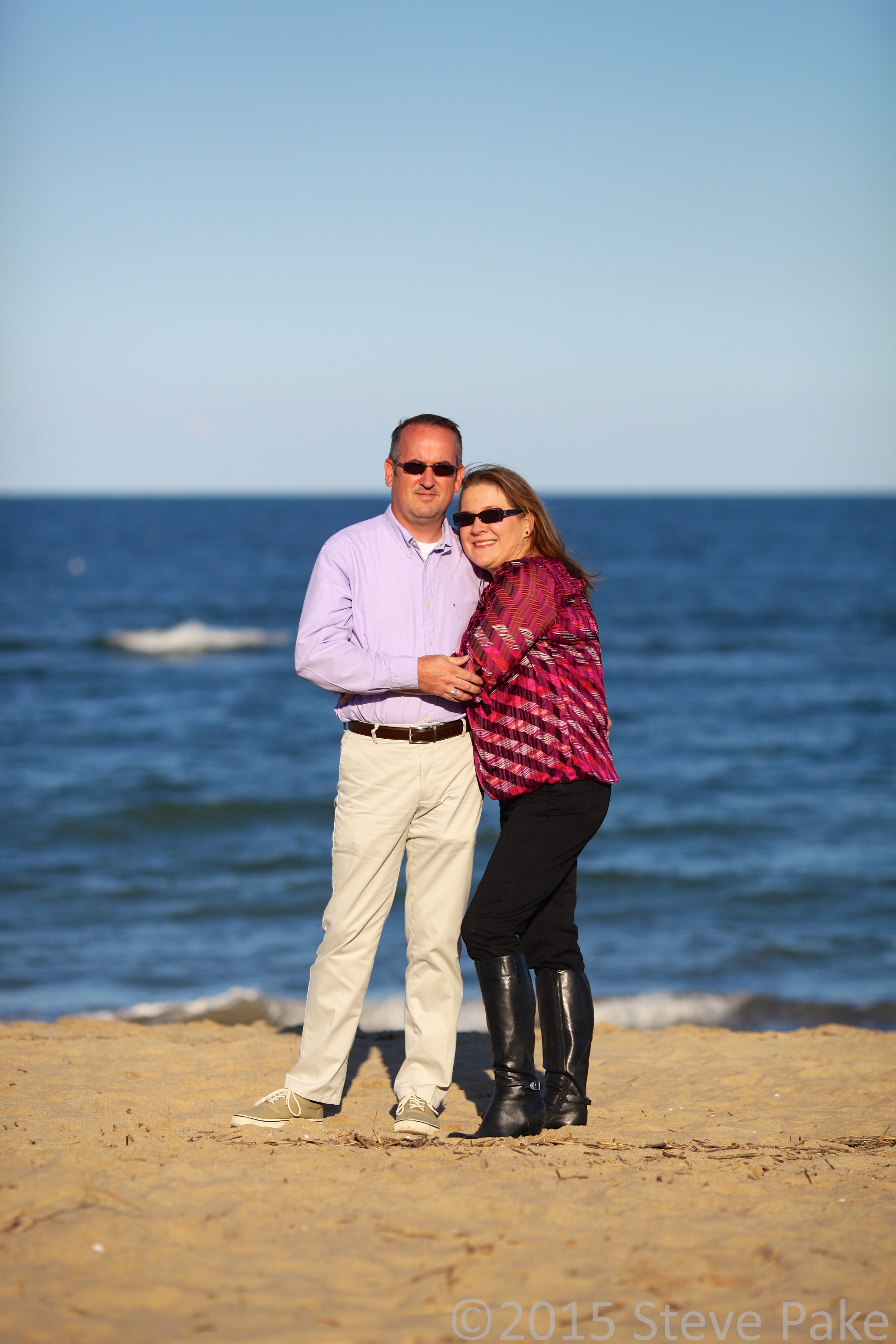
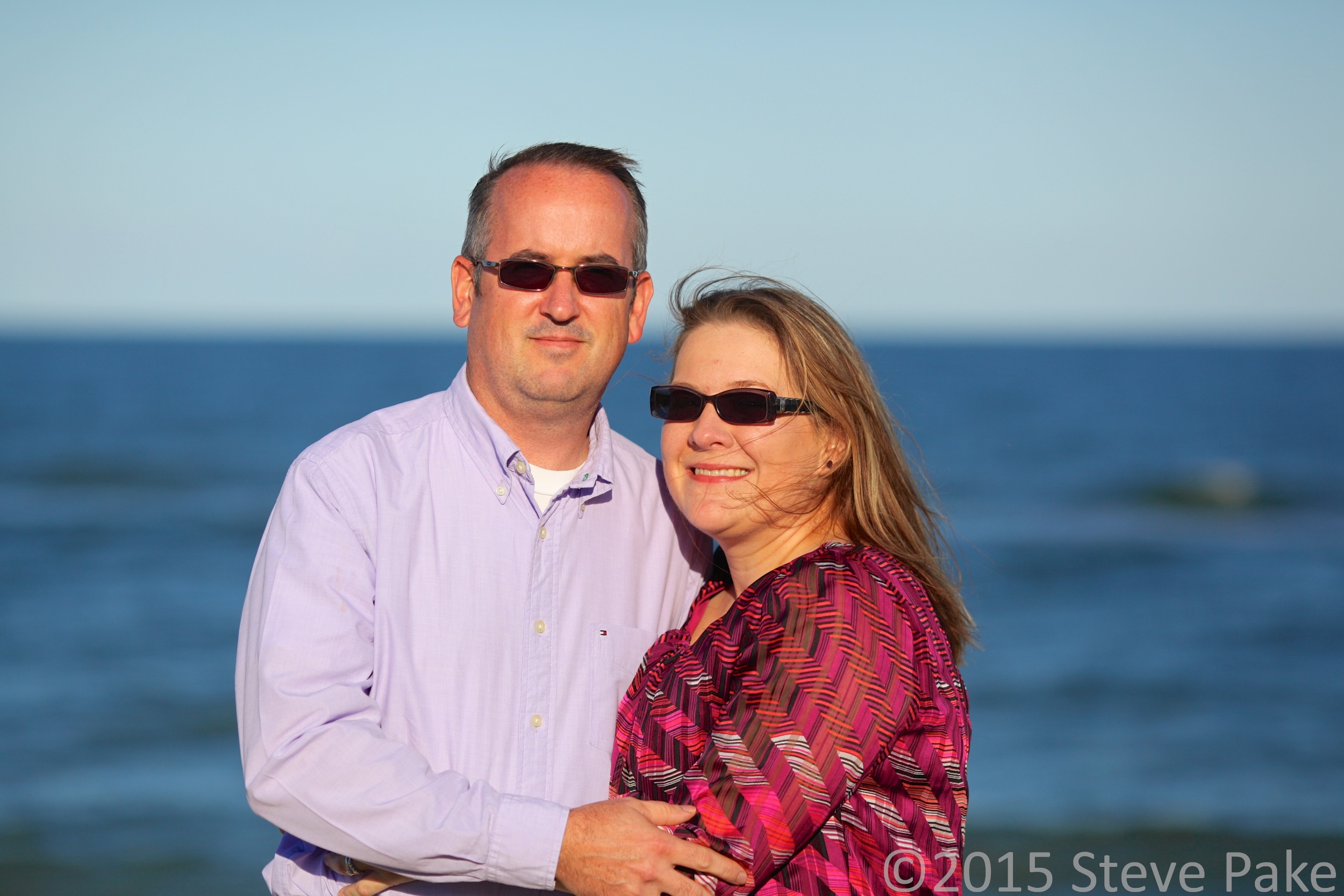
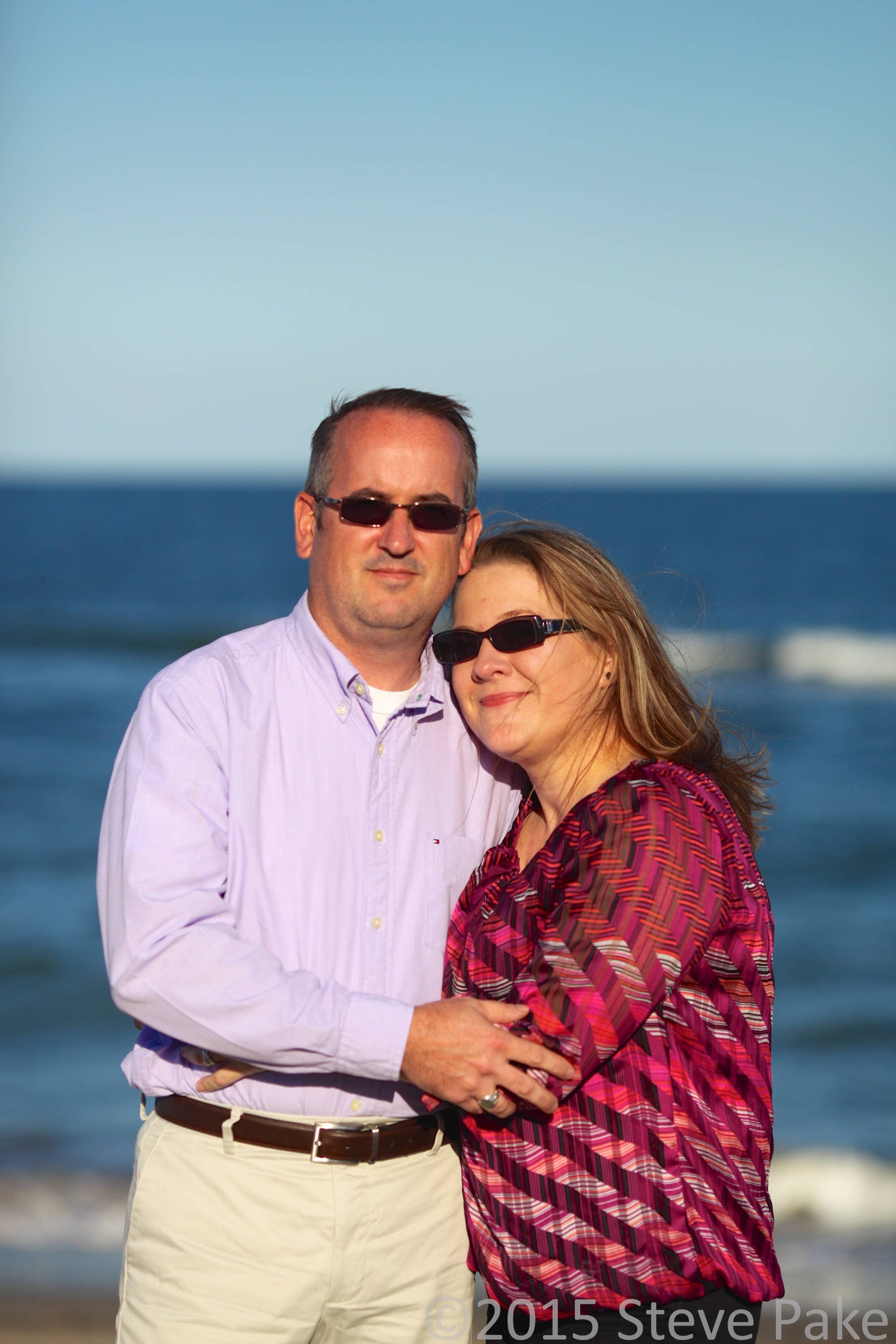
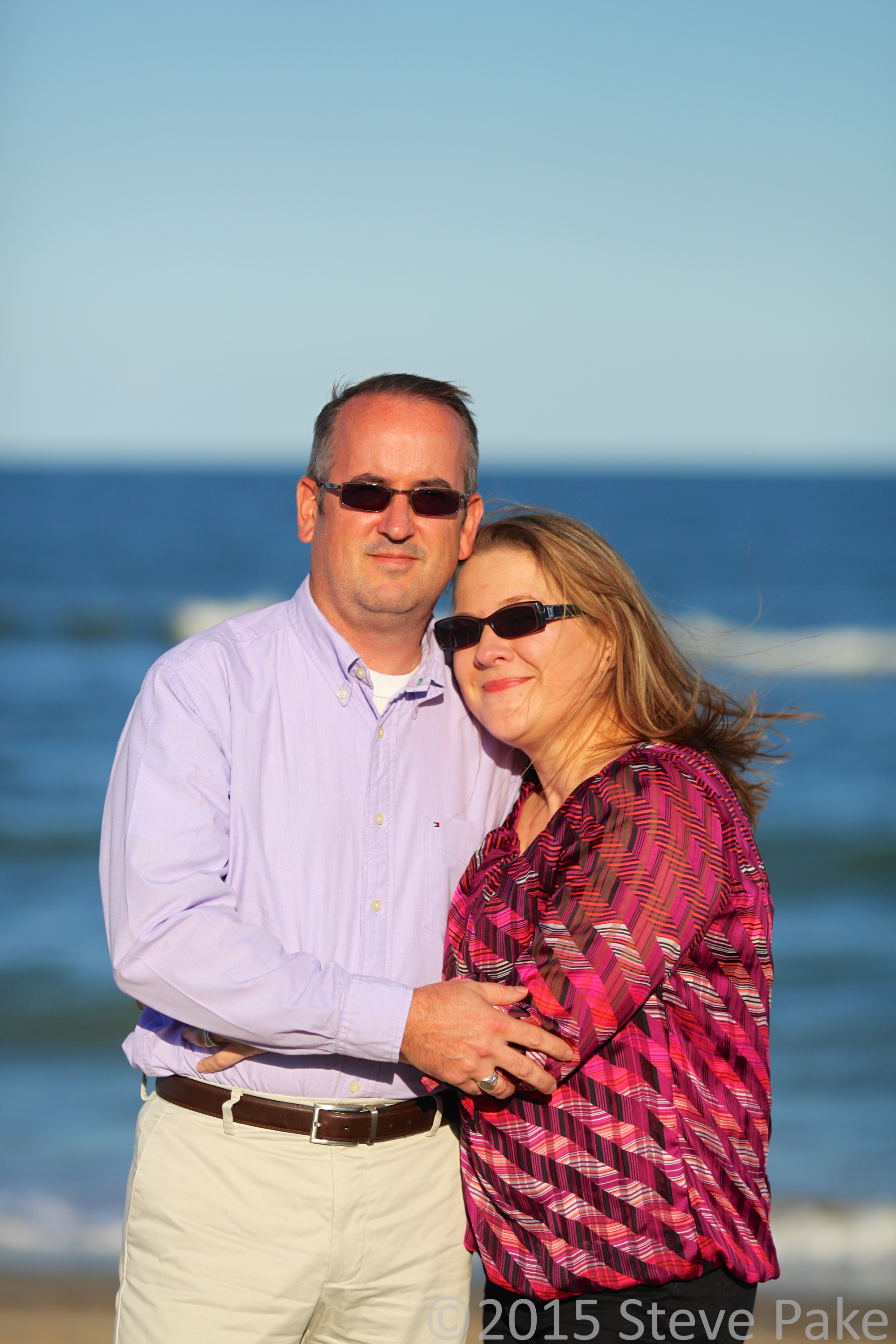
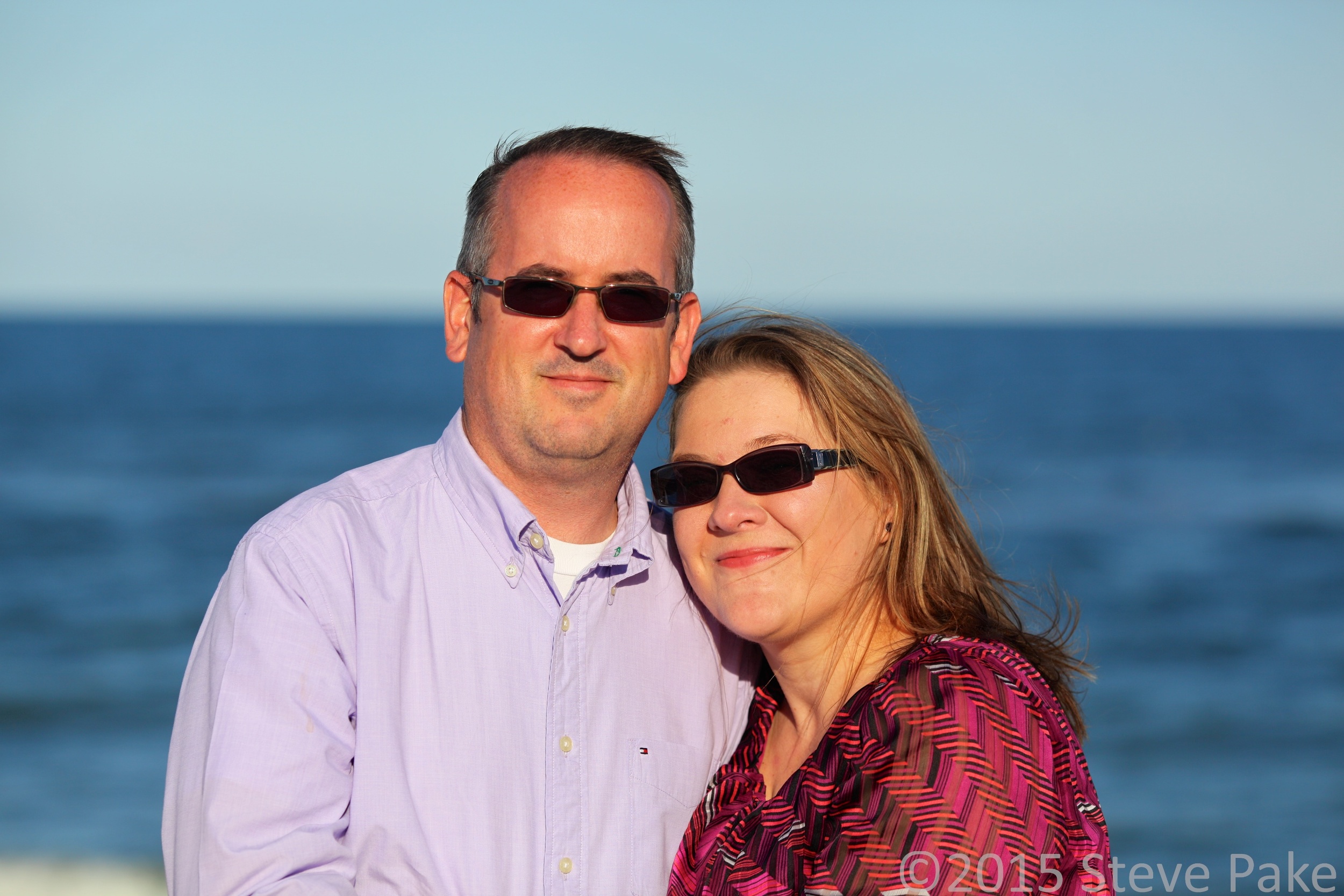
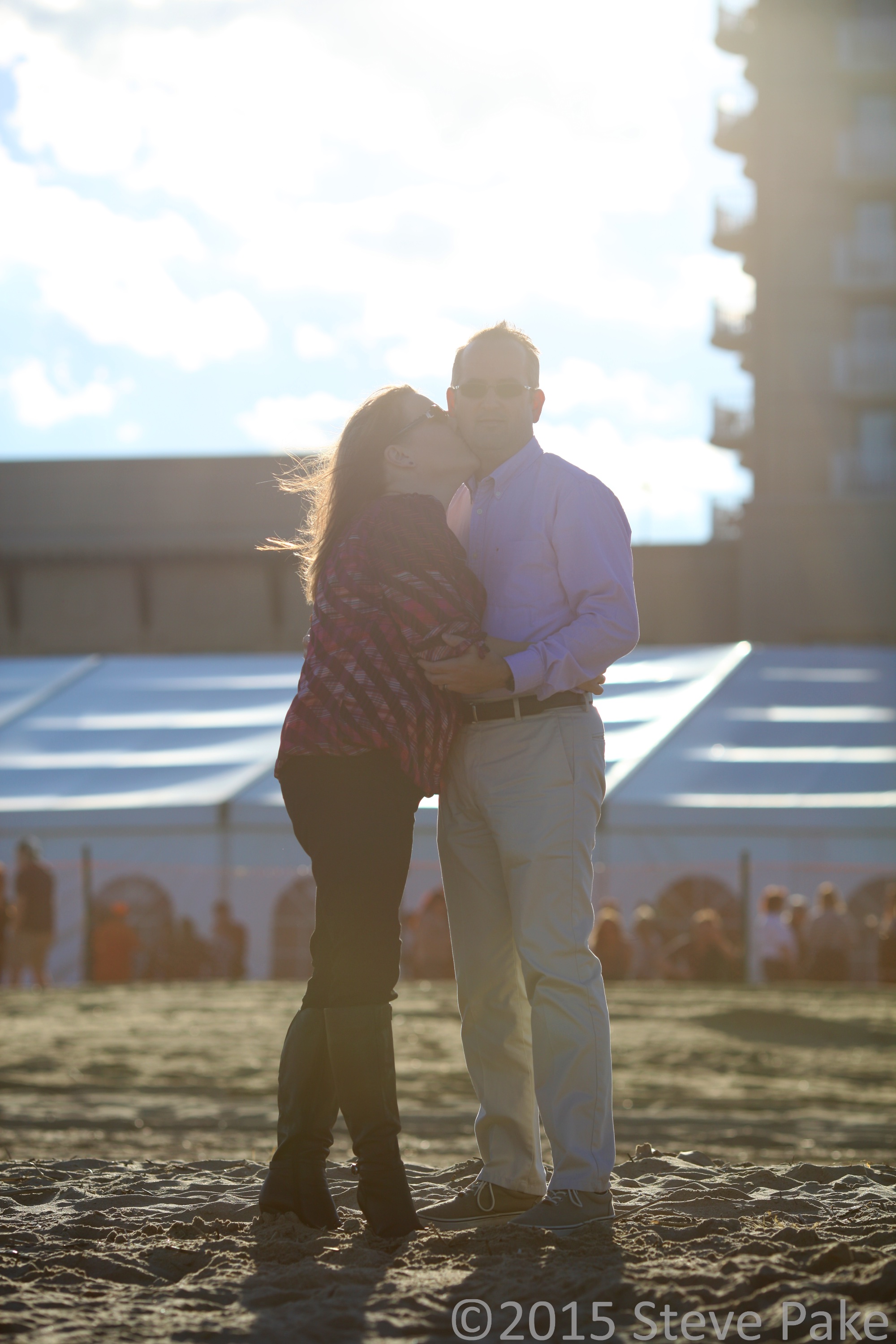
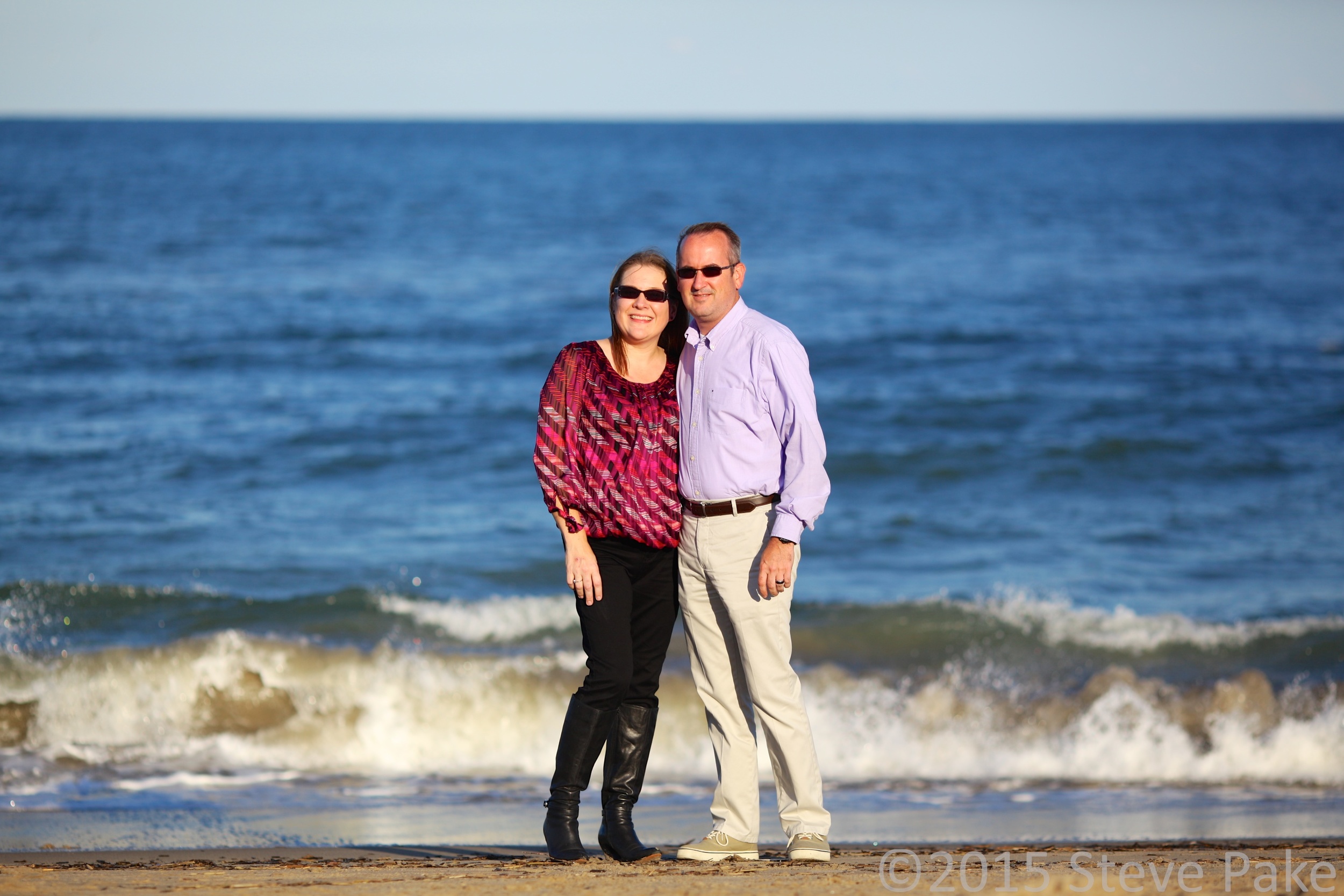
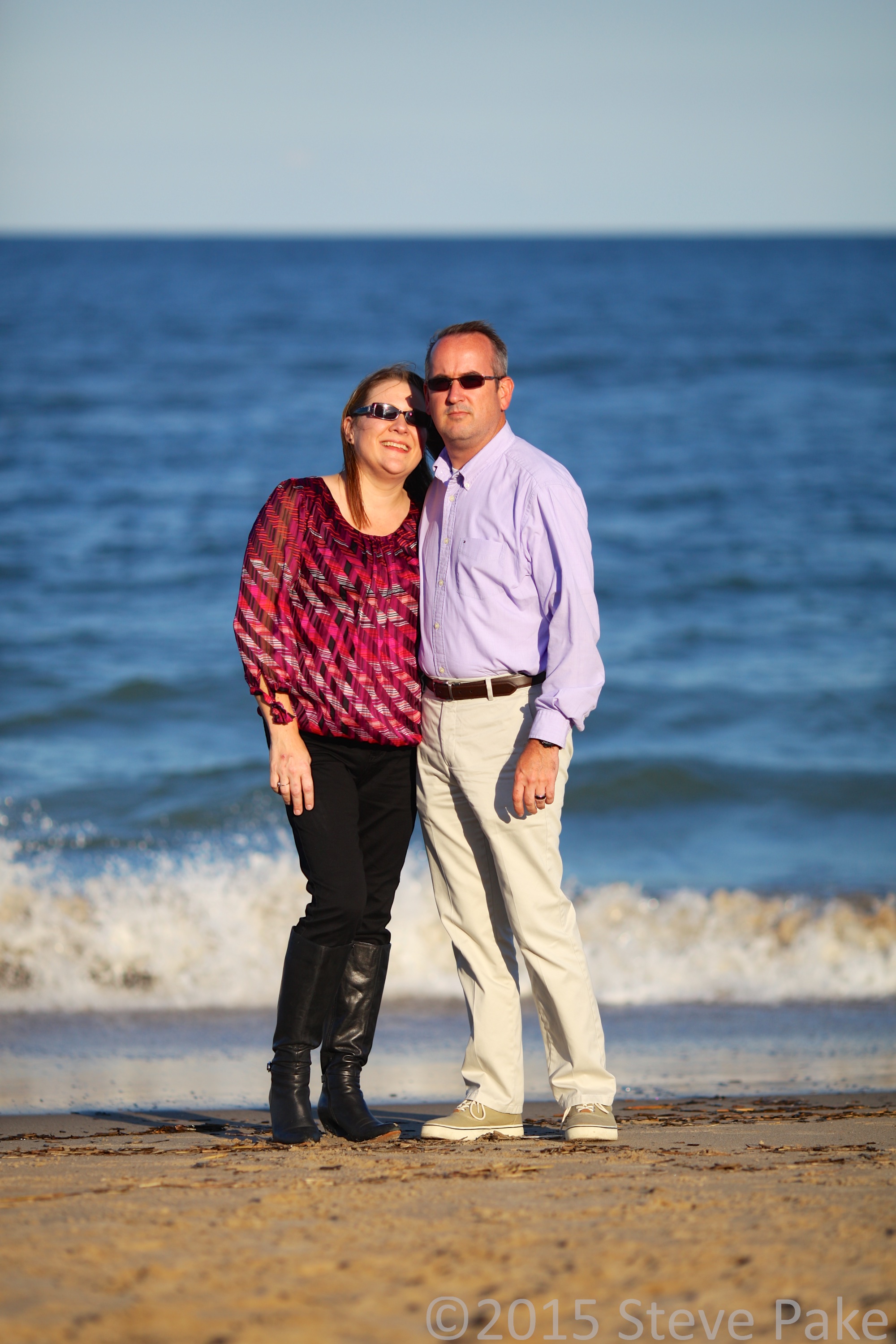
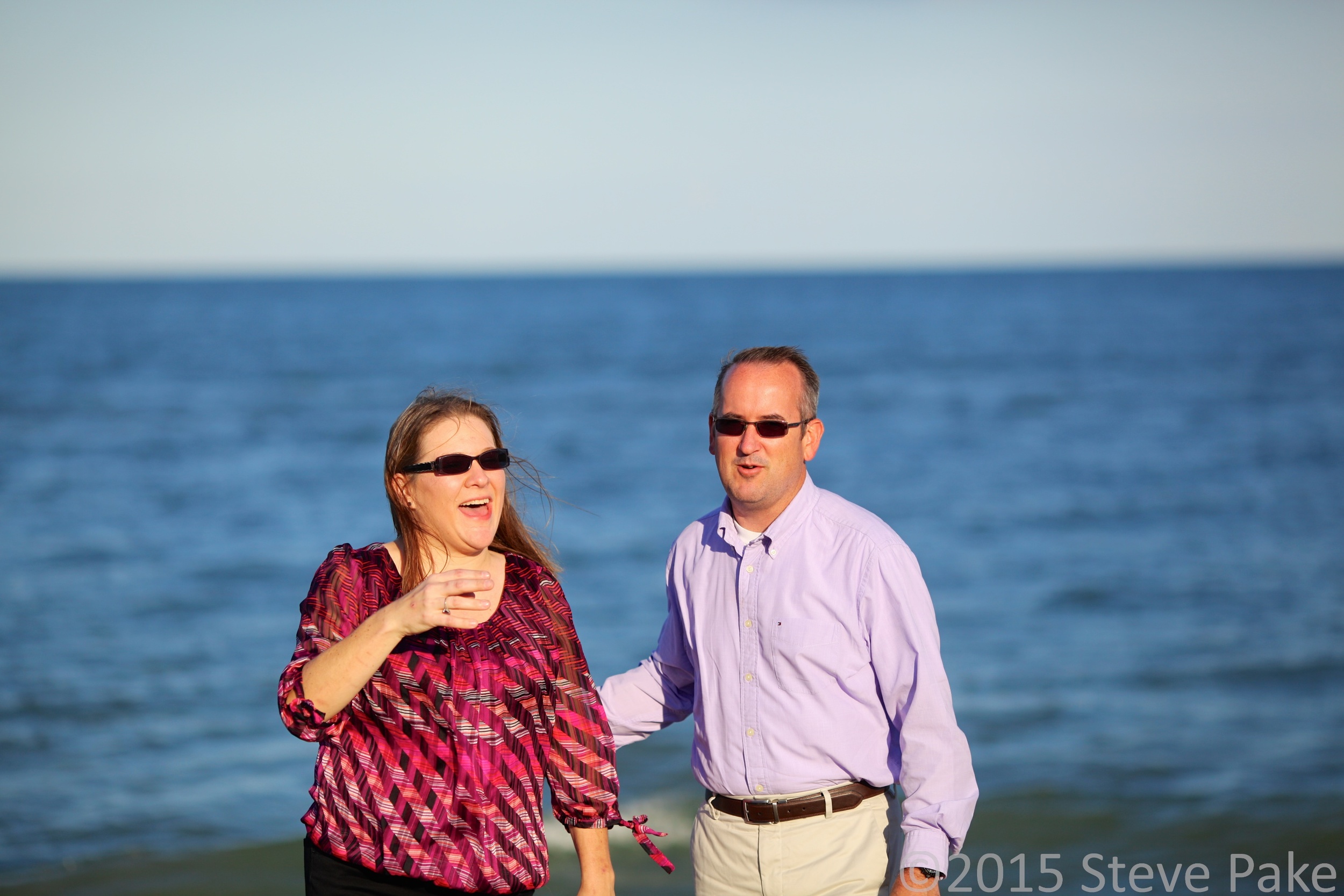
Pete & Marnie - October 2015
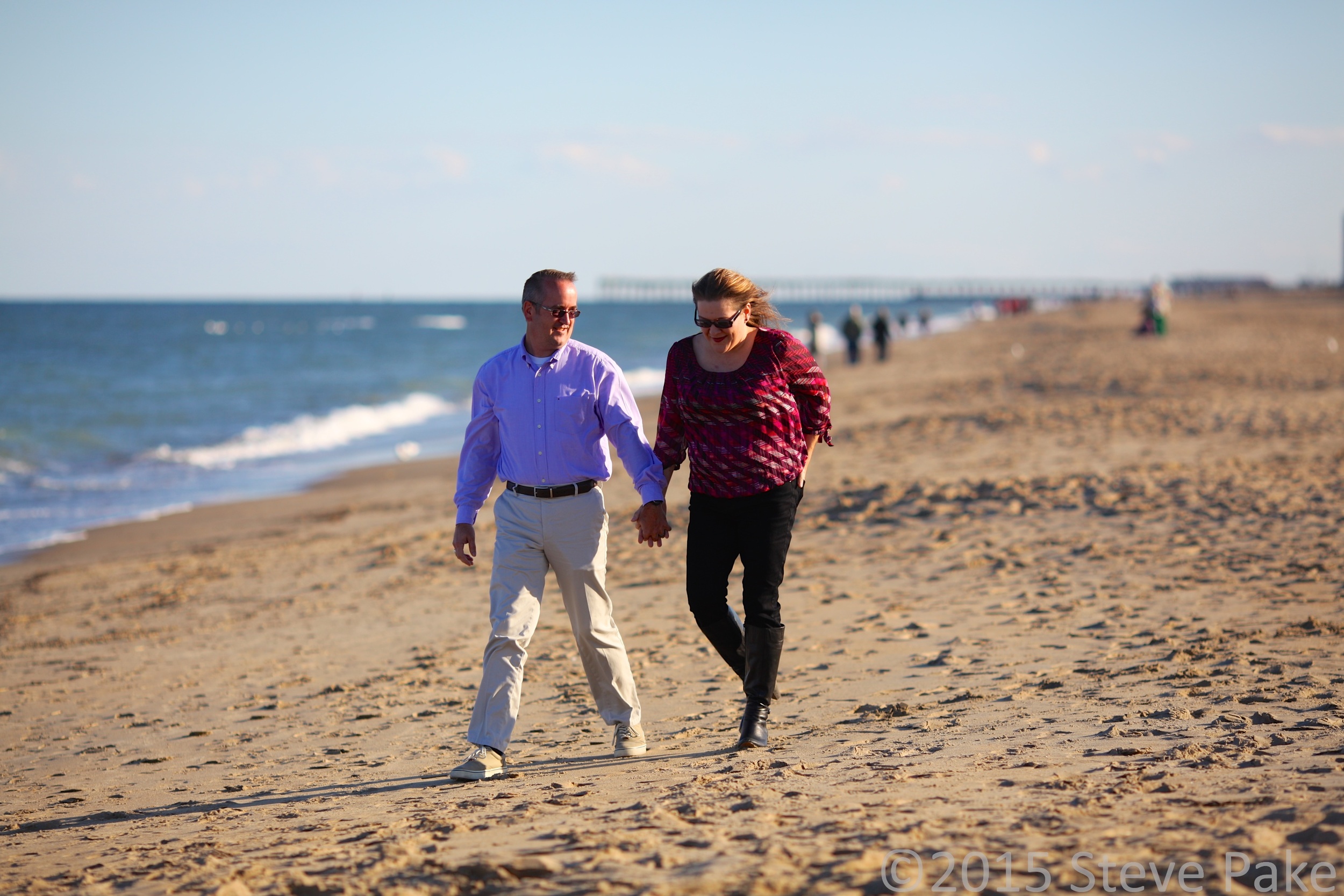
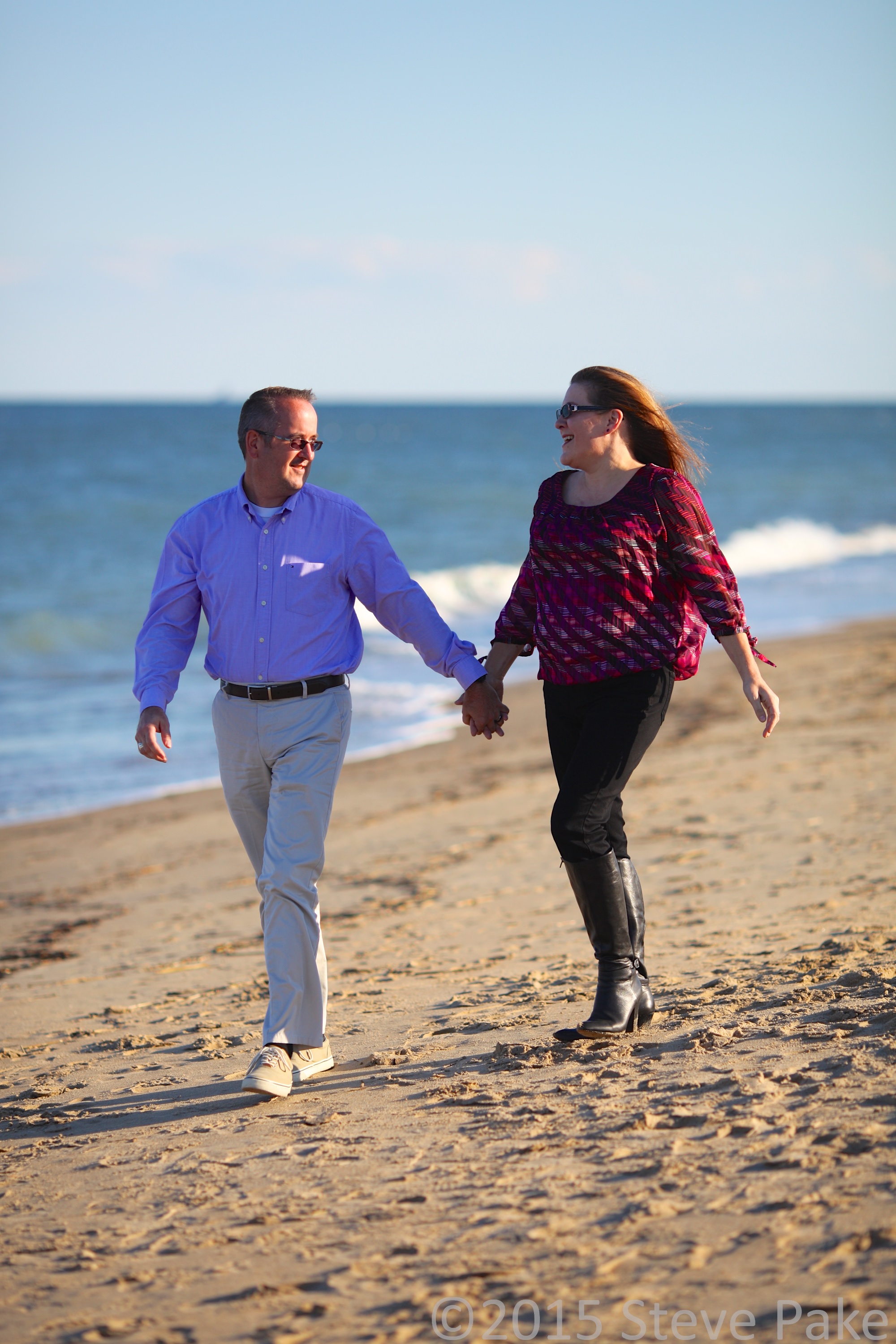
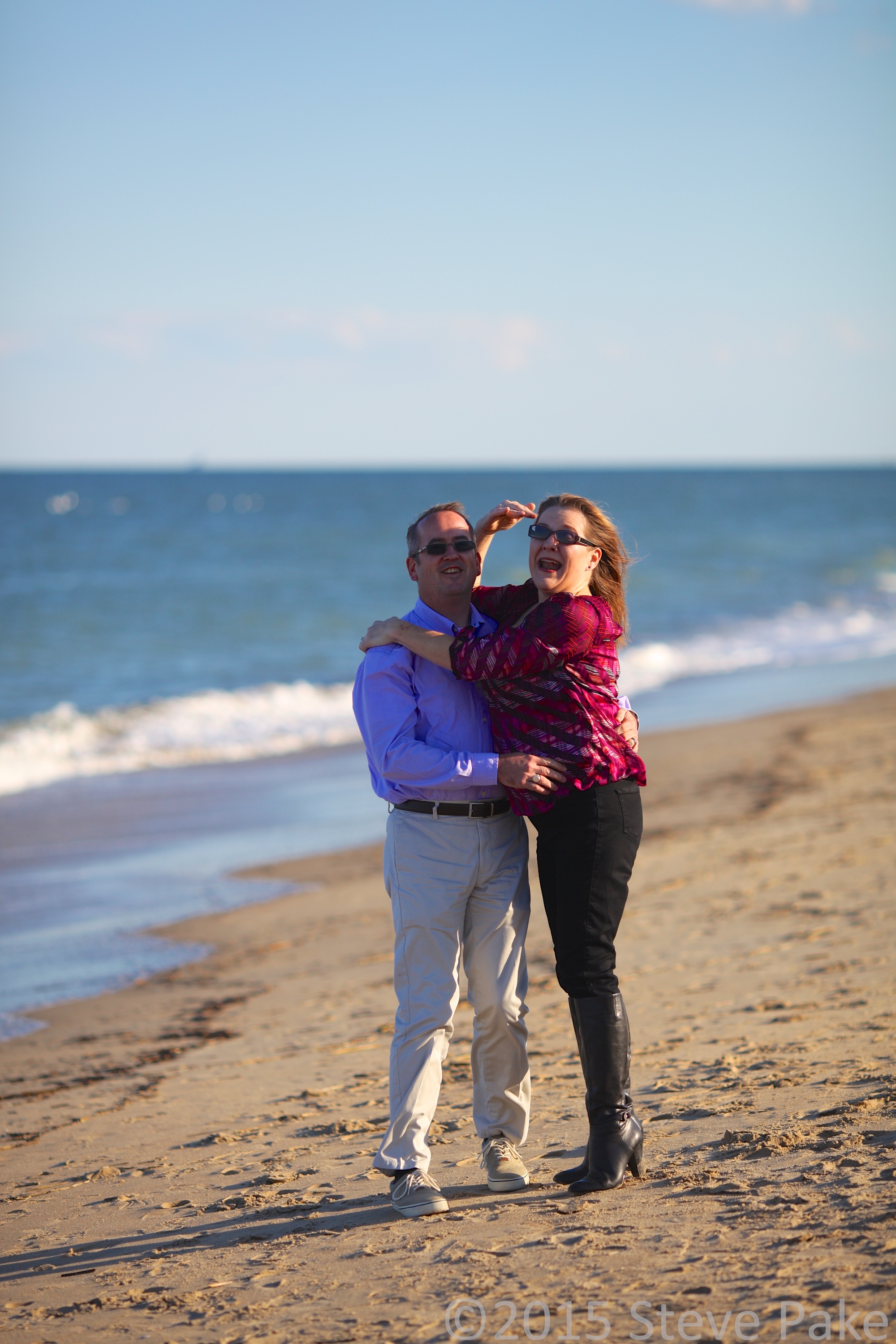
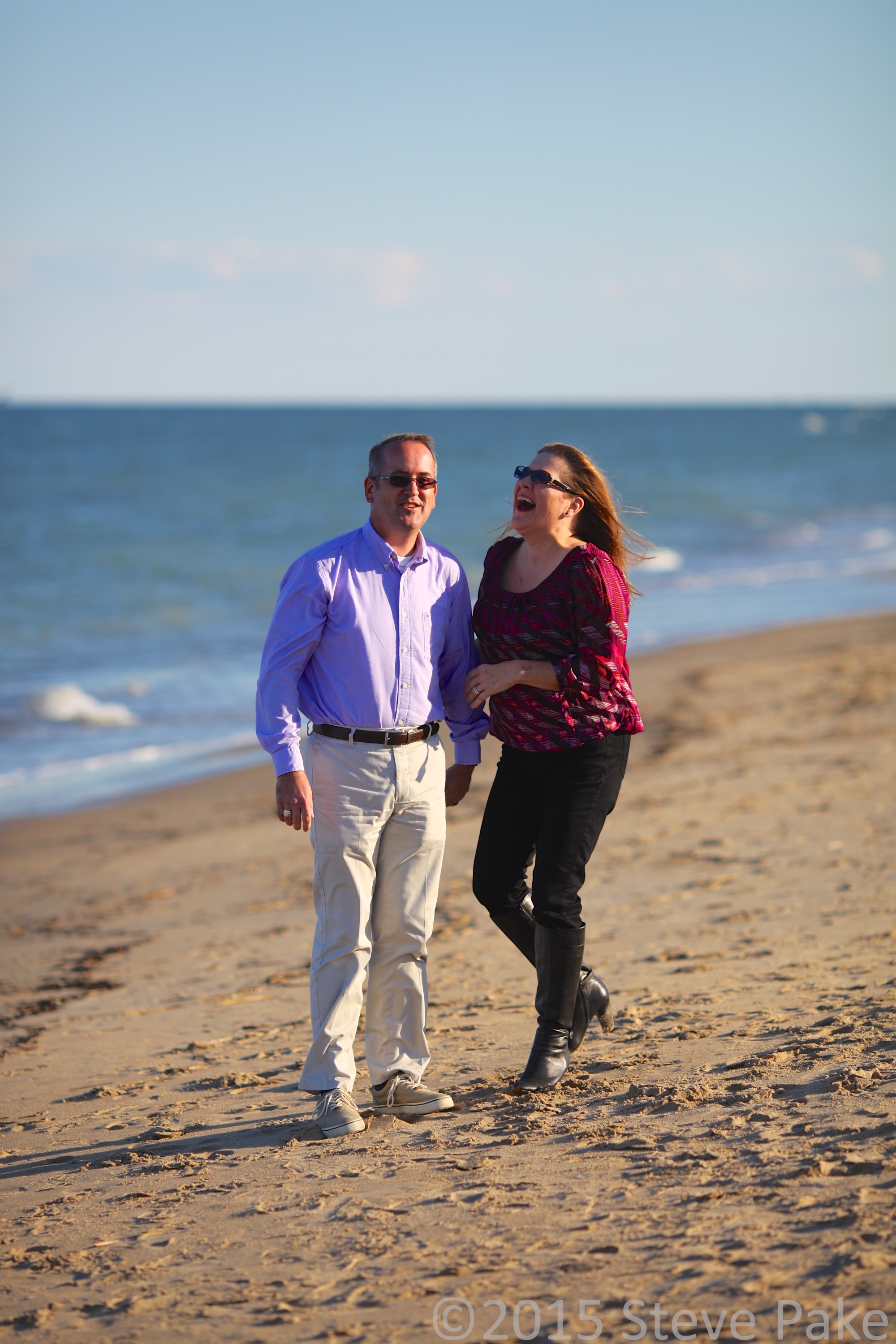
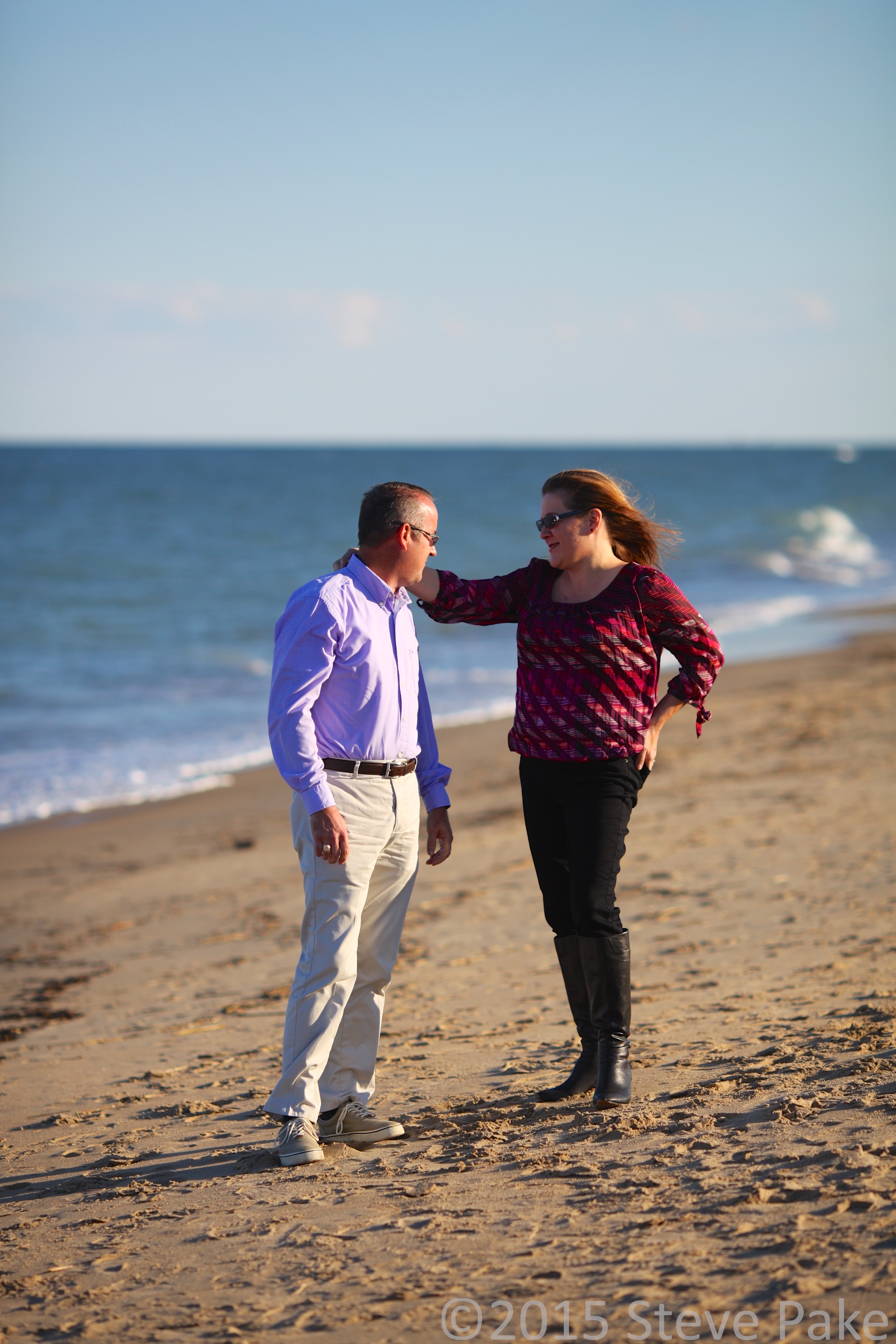
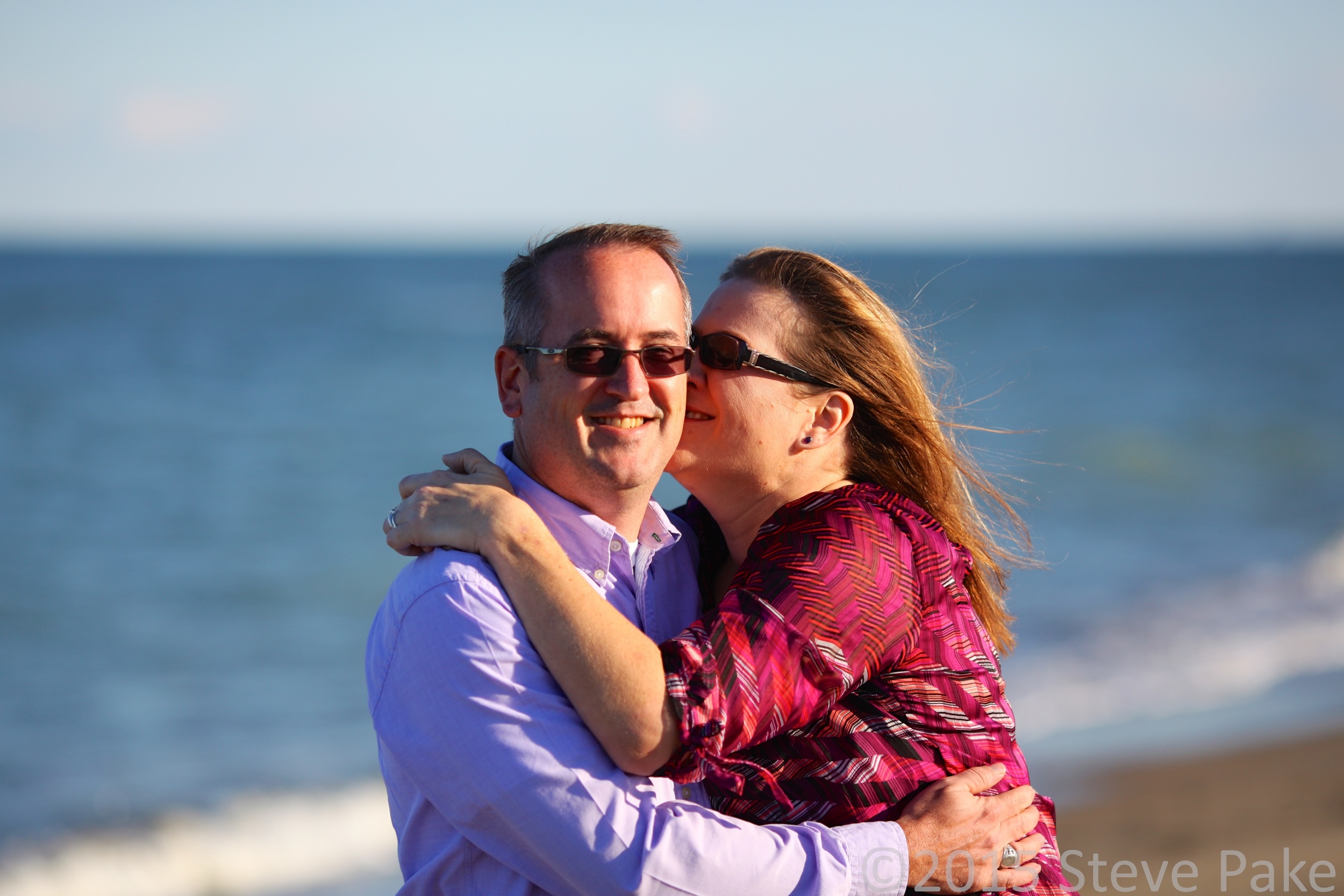
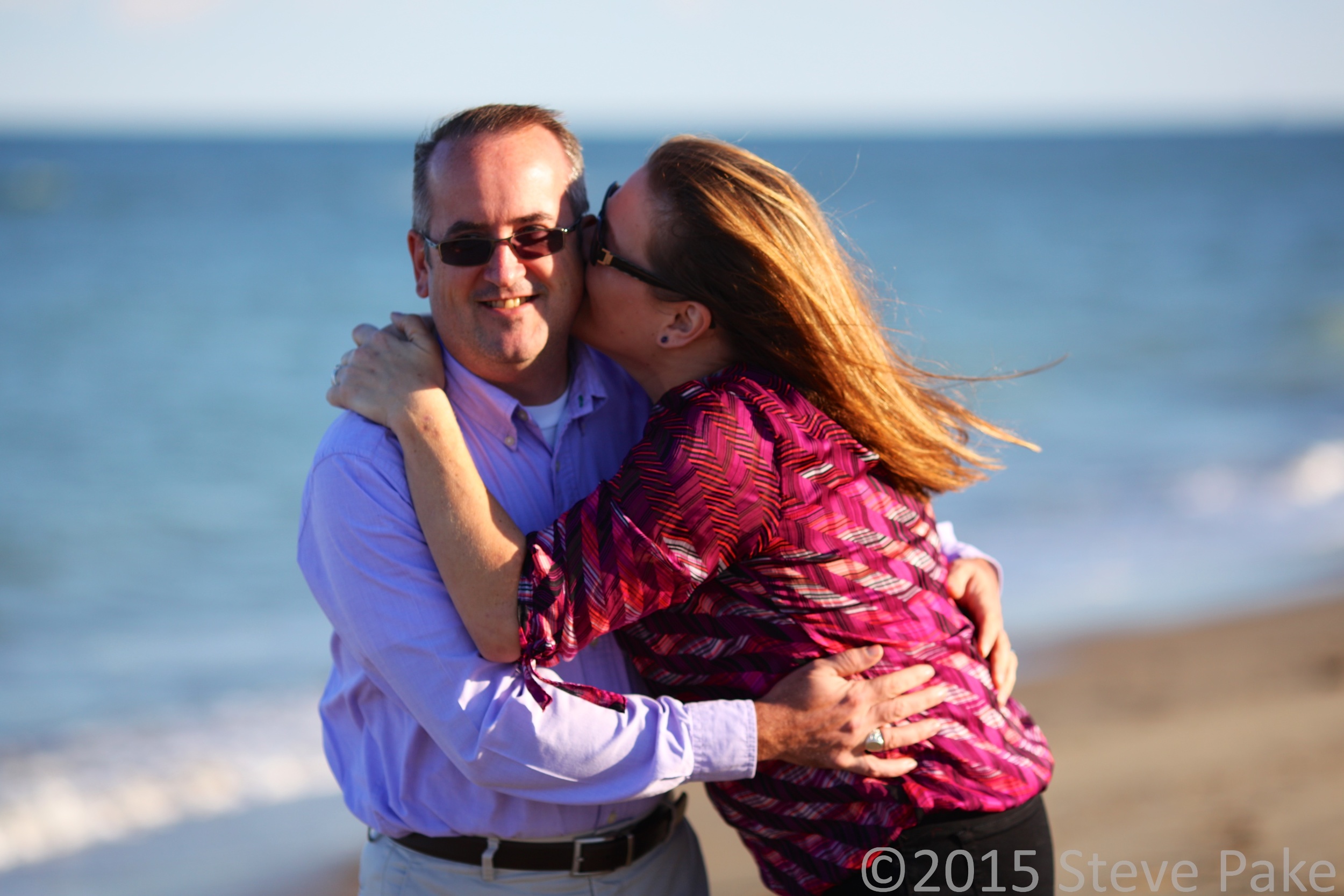
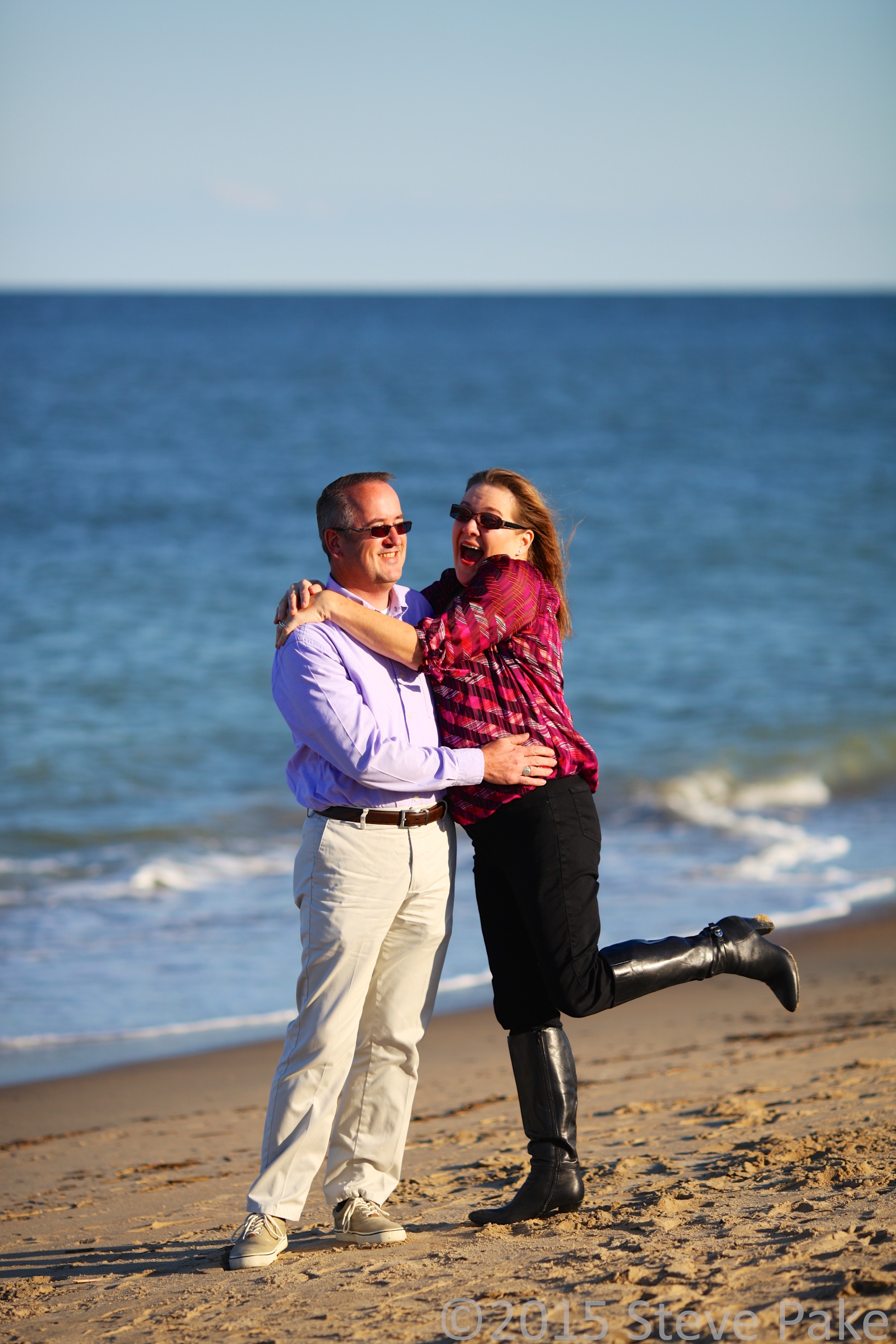
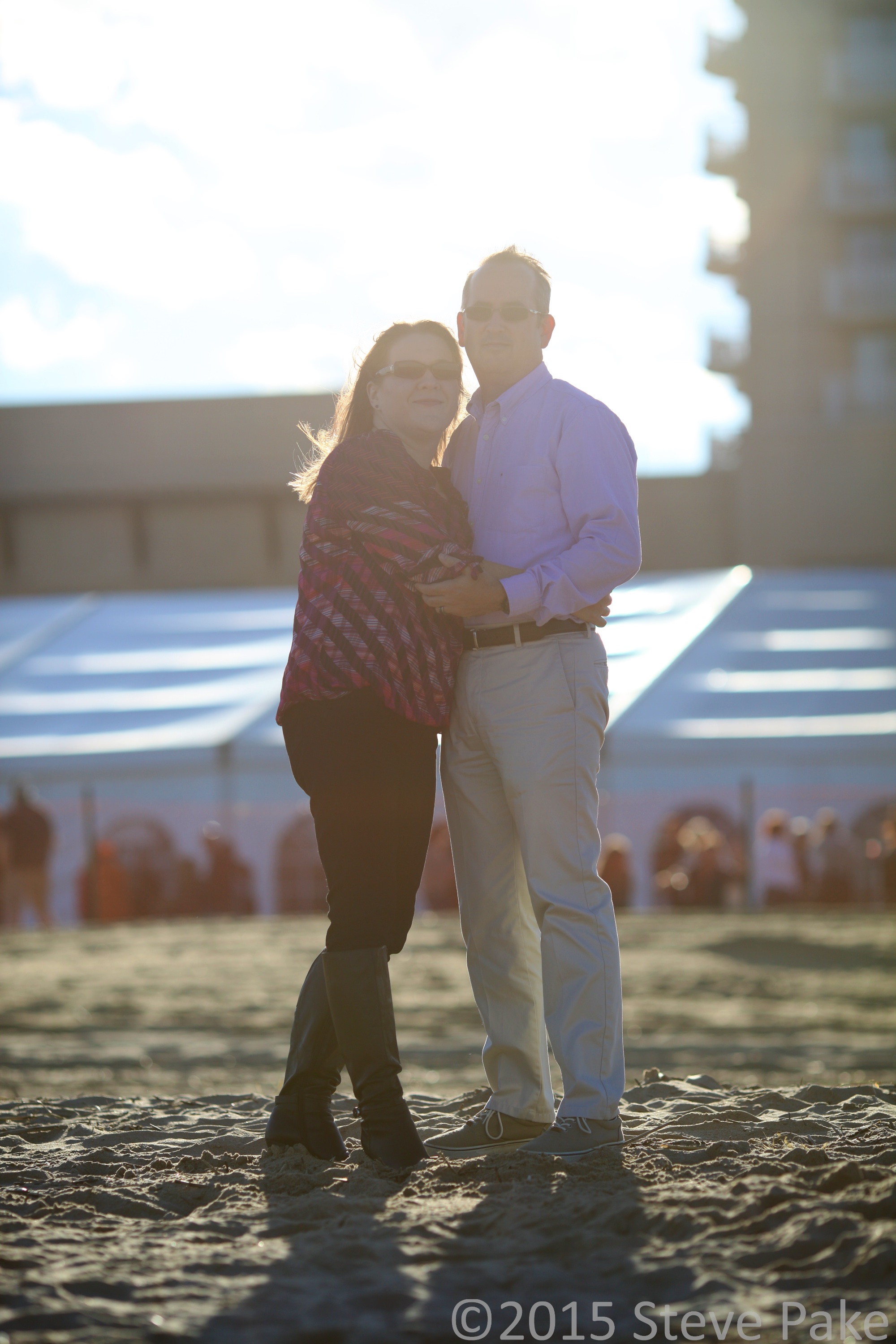
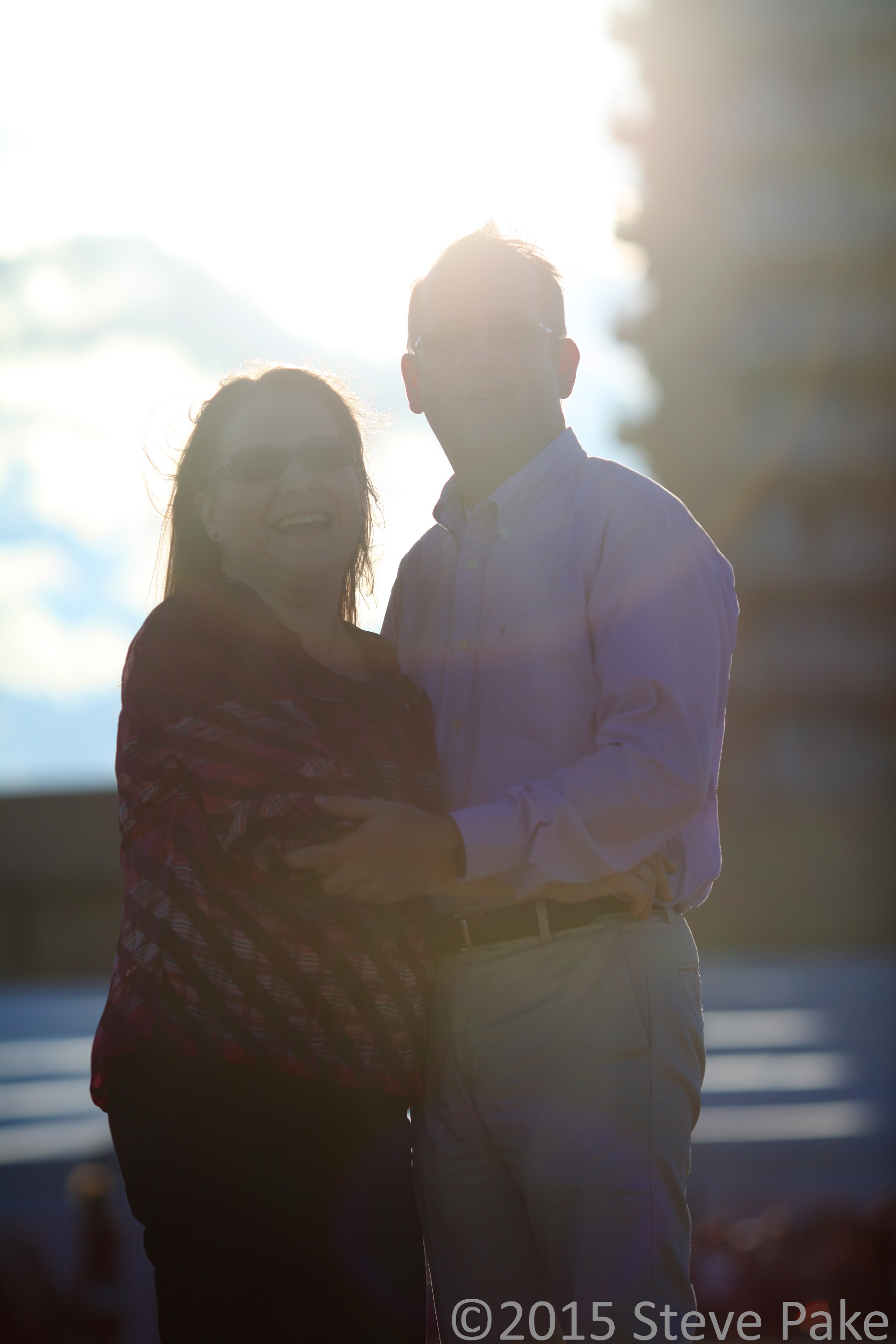
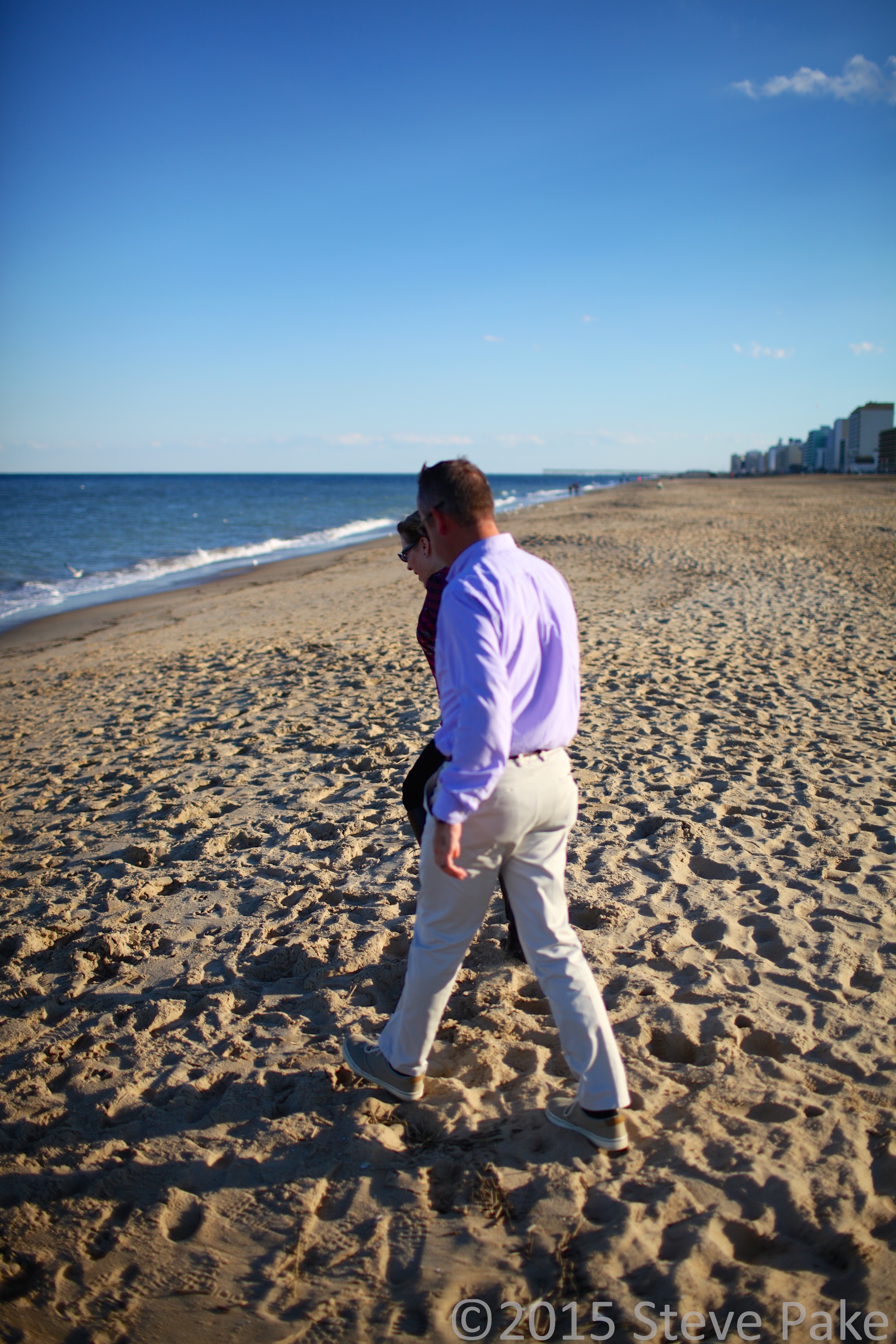
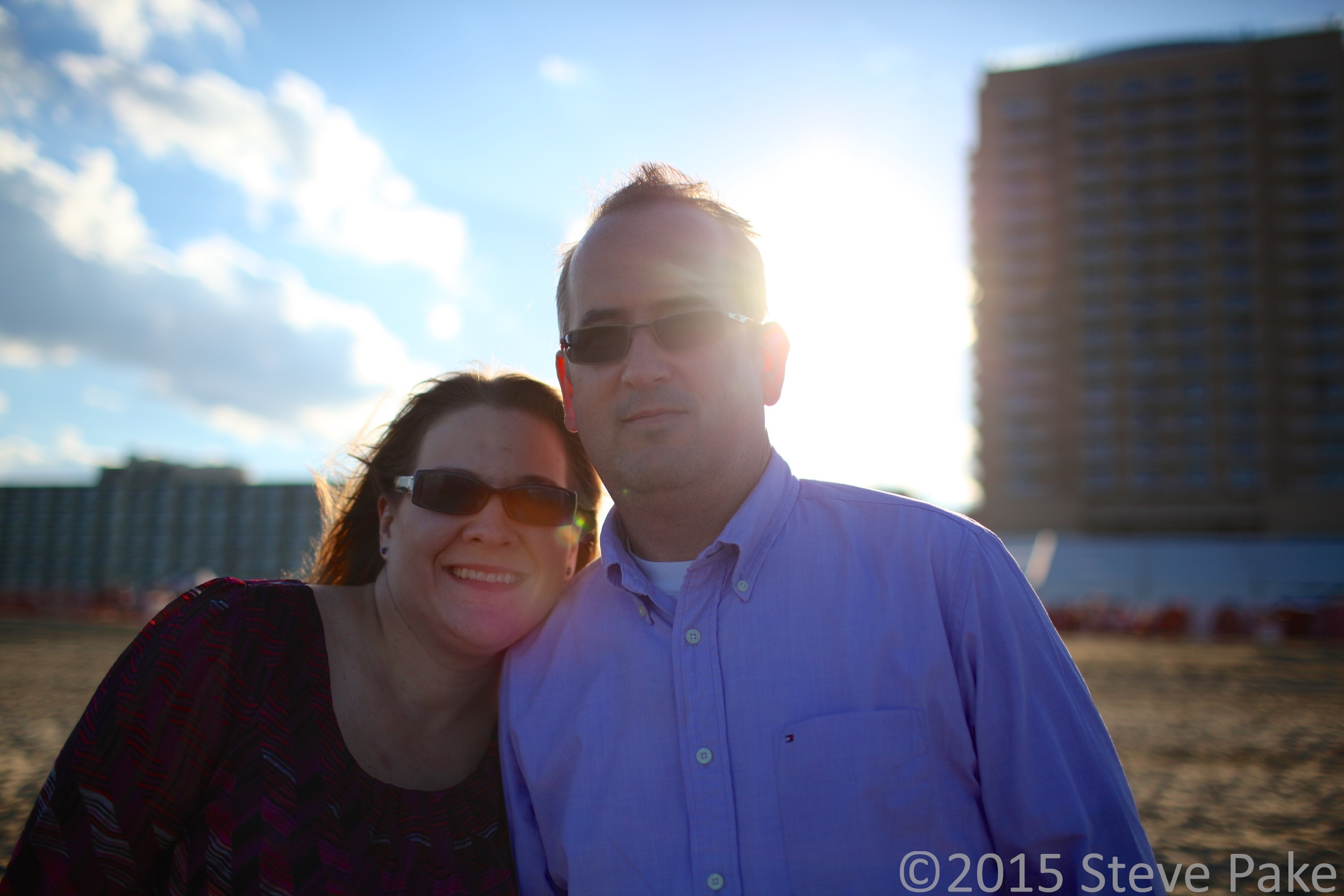
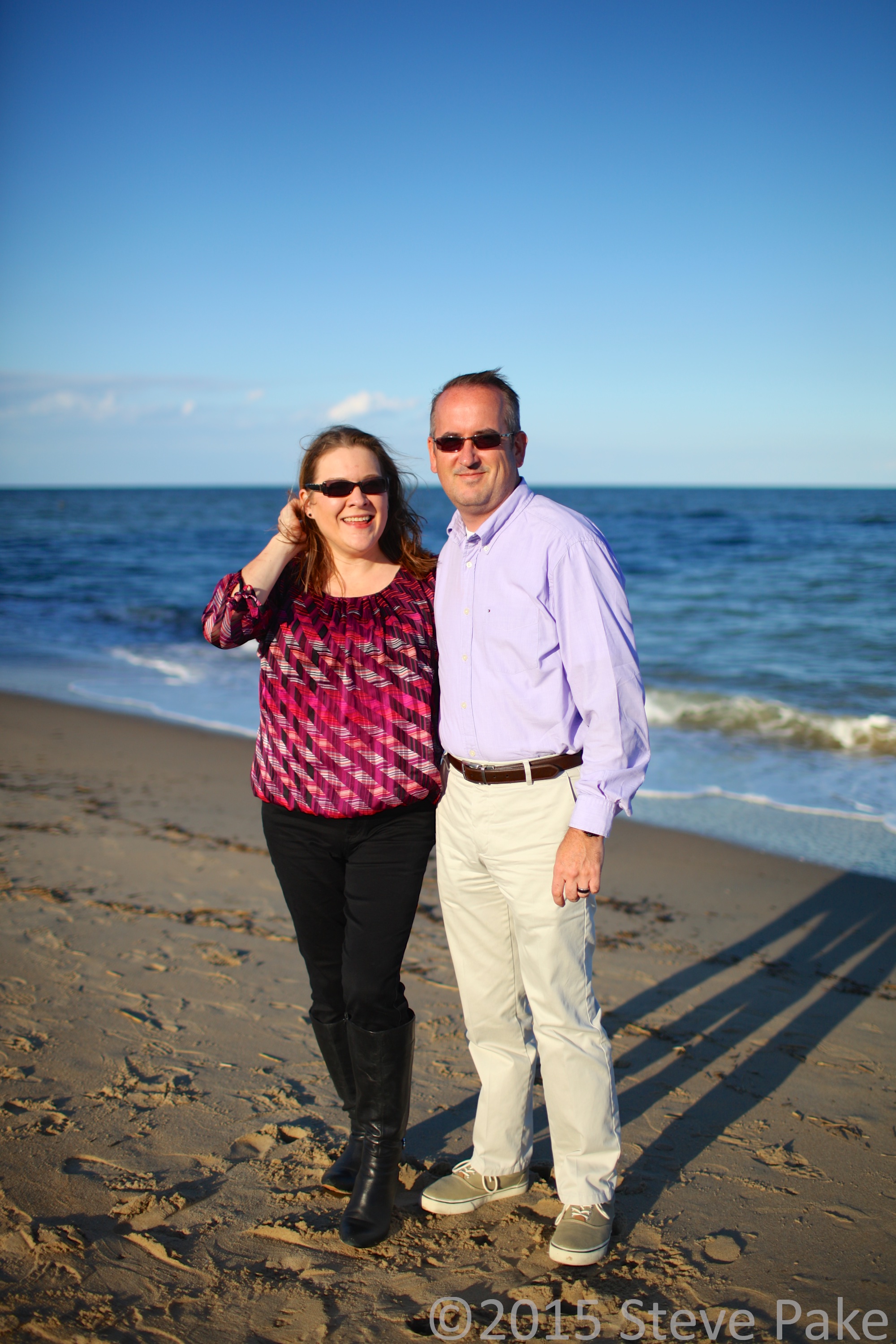
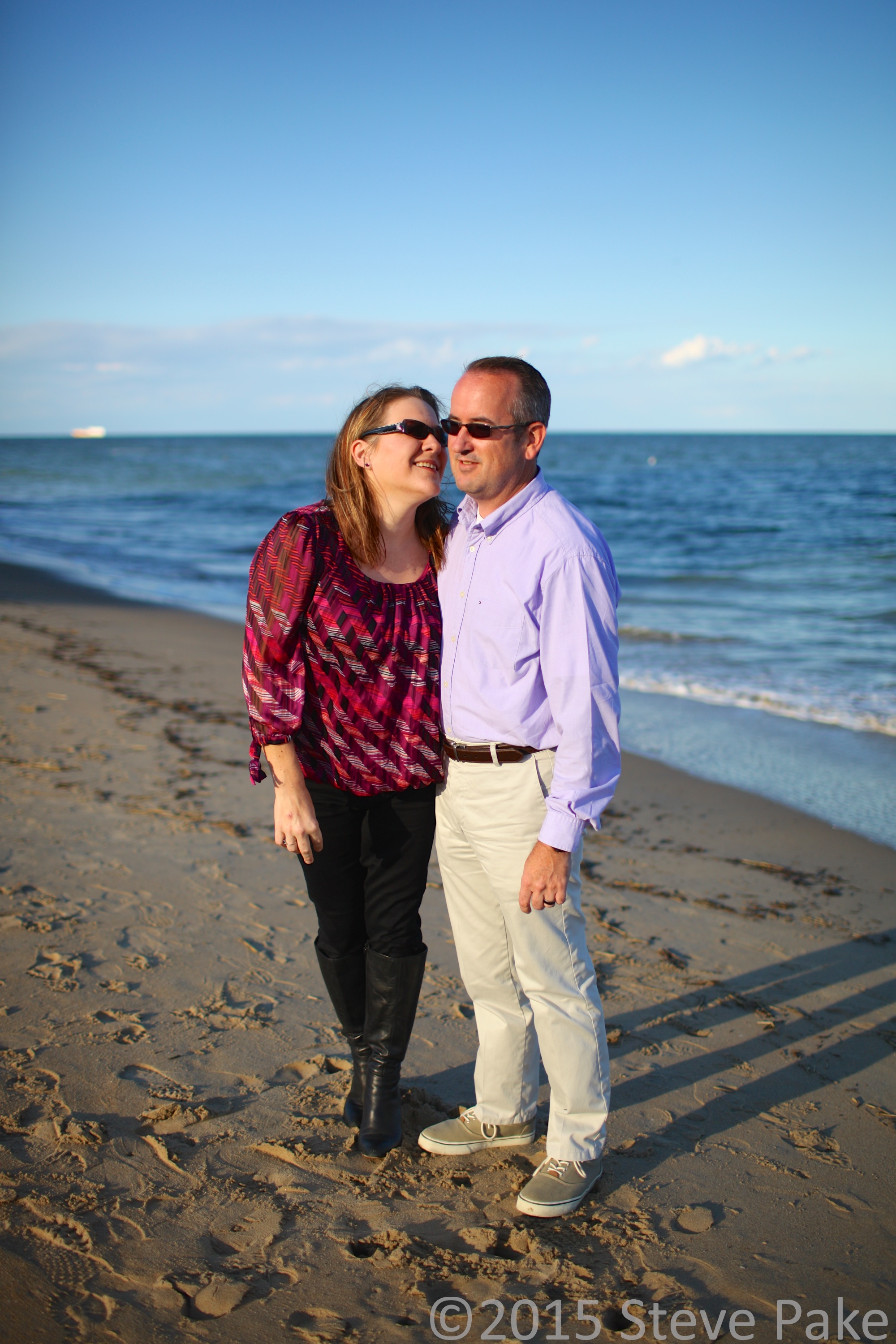
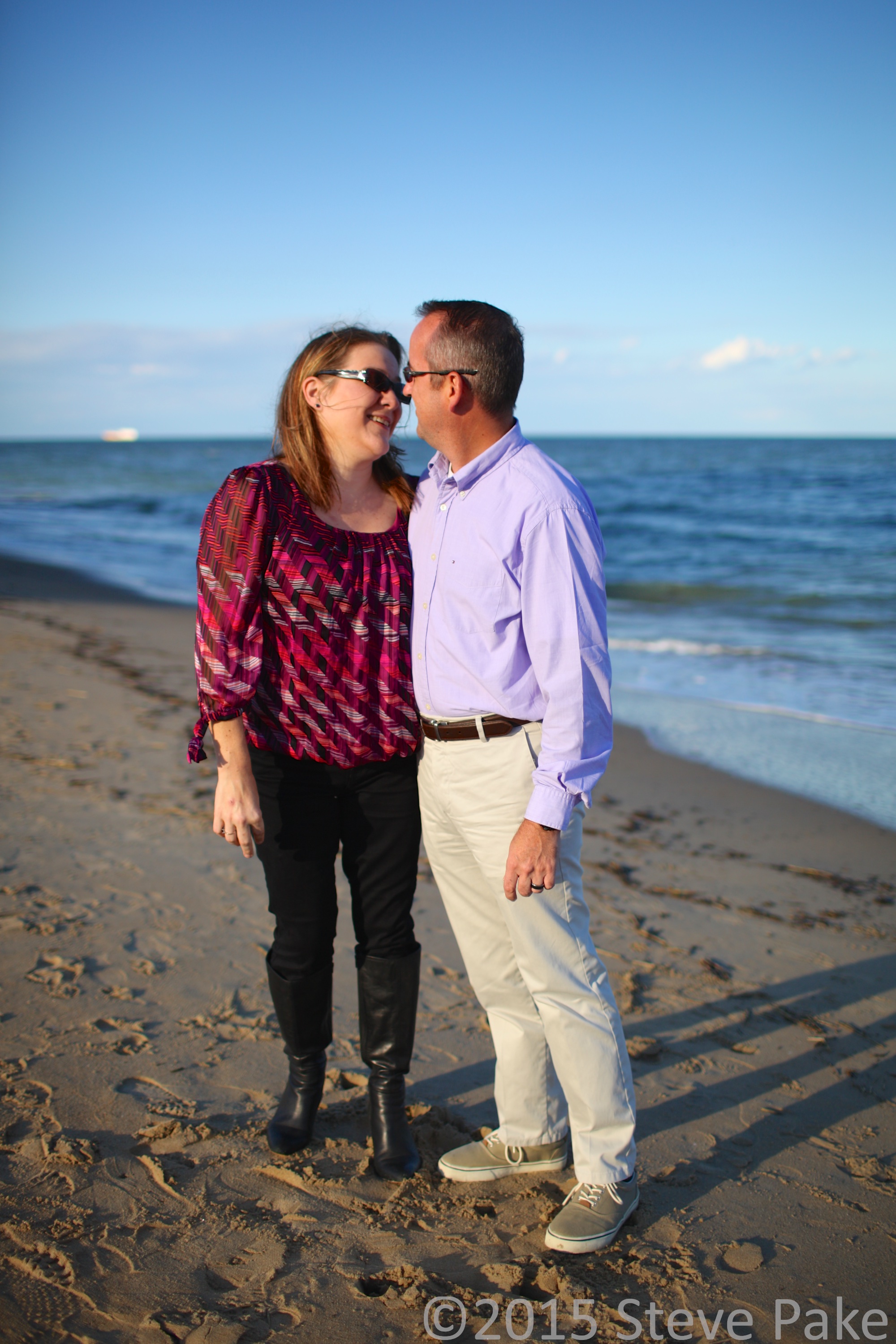
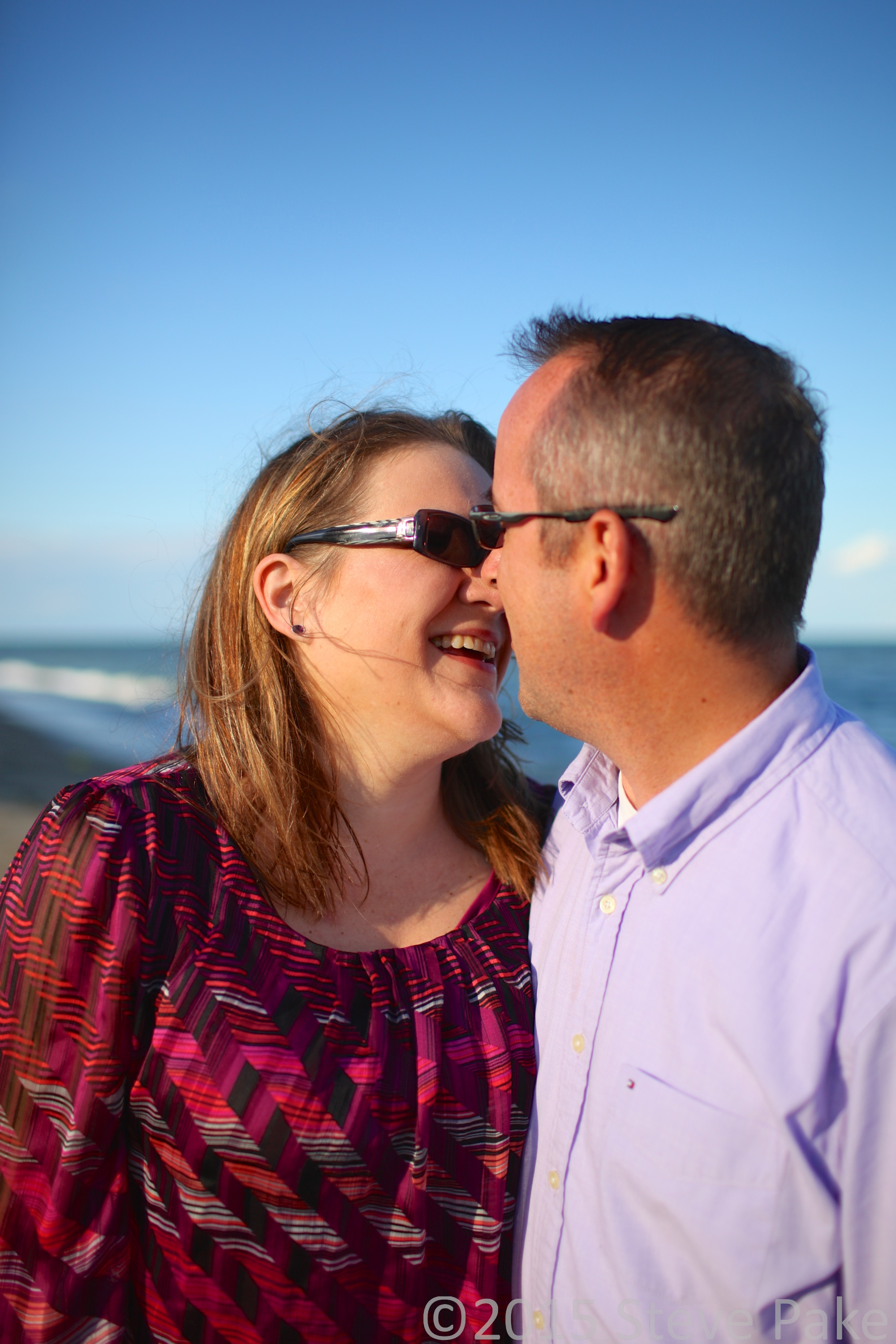
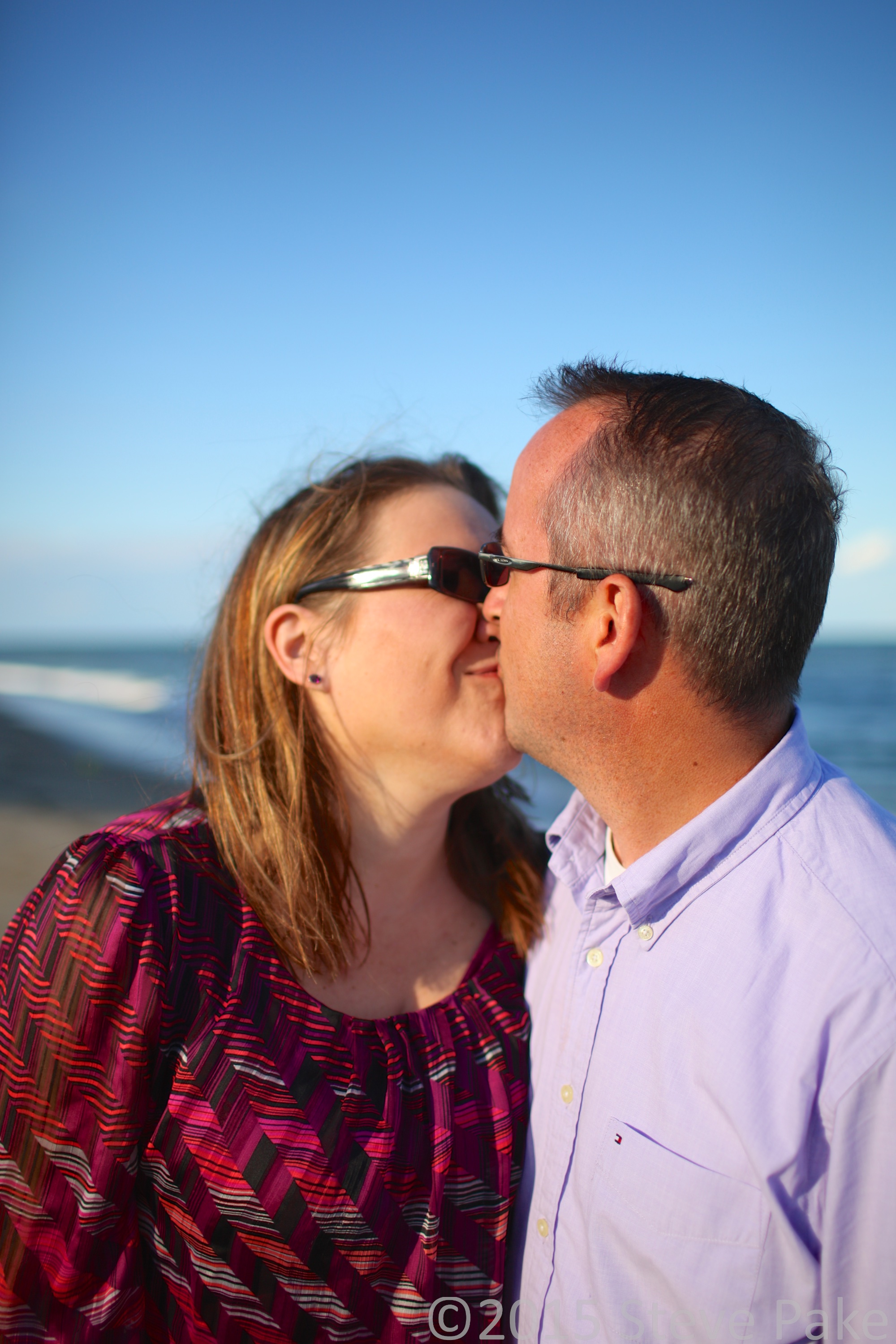
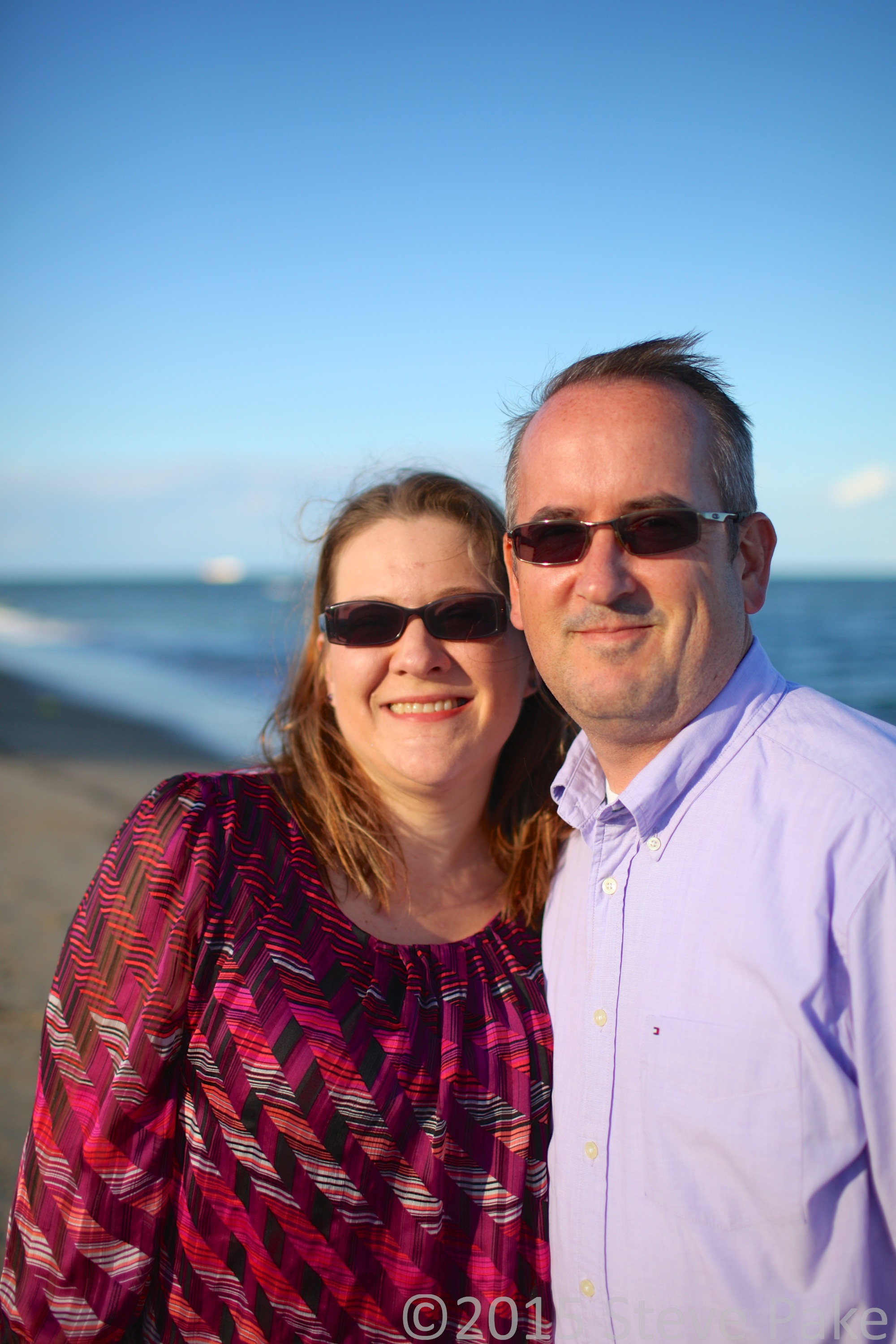
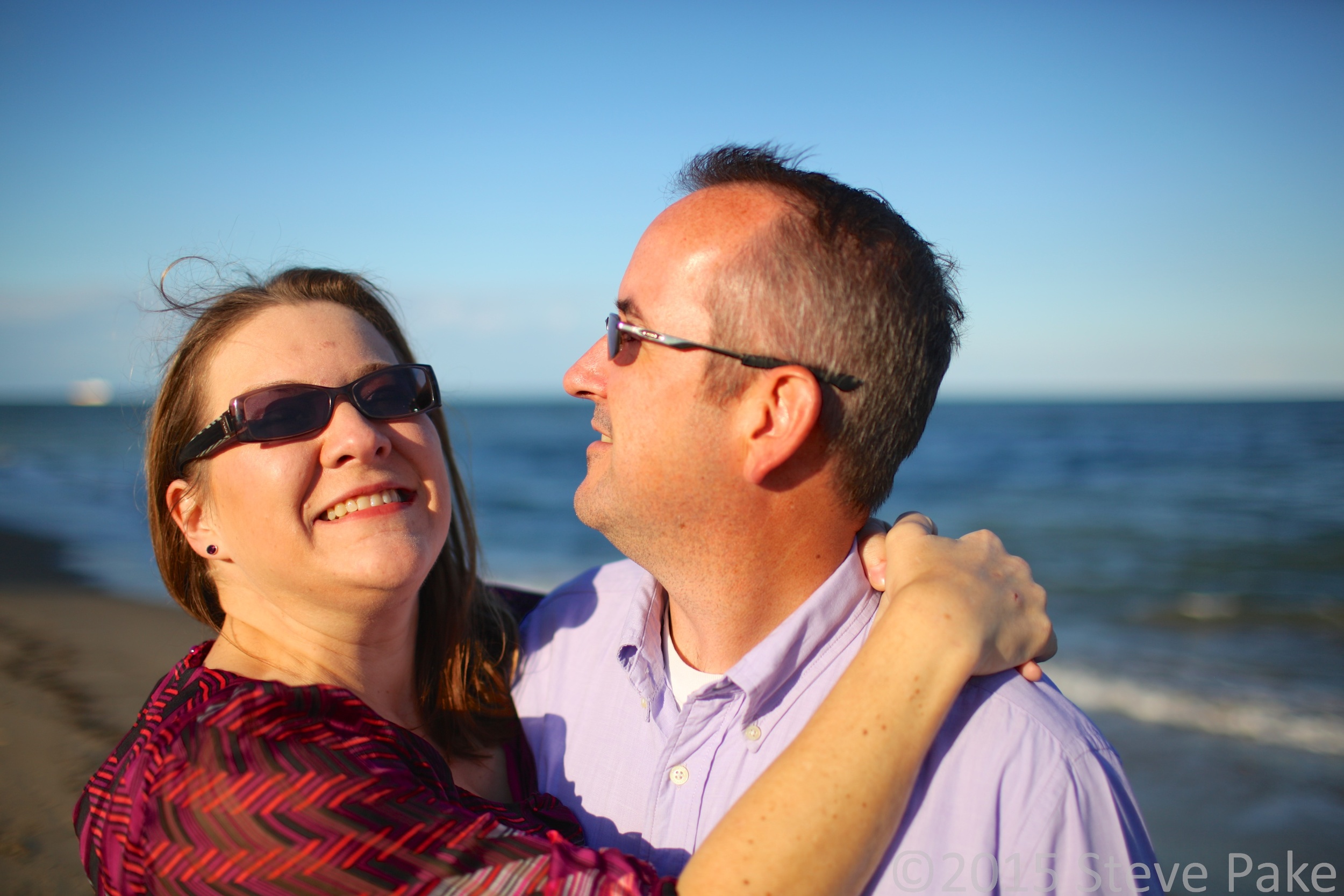
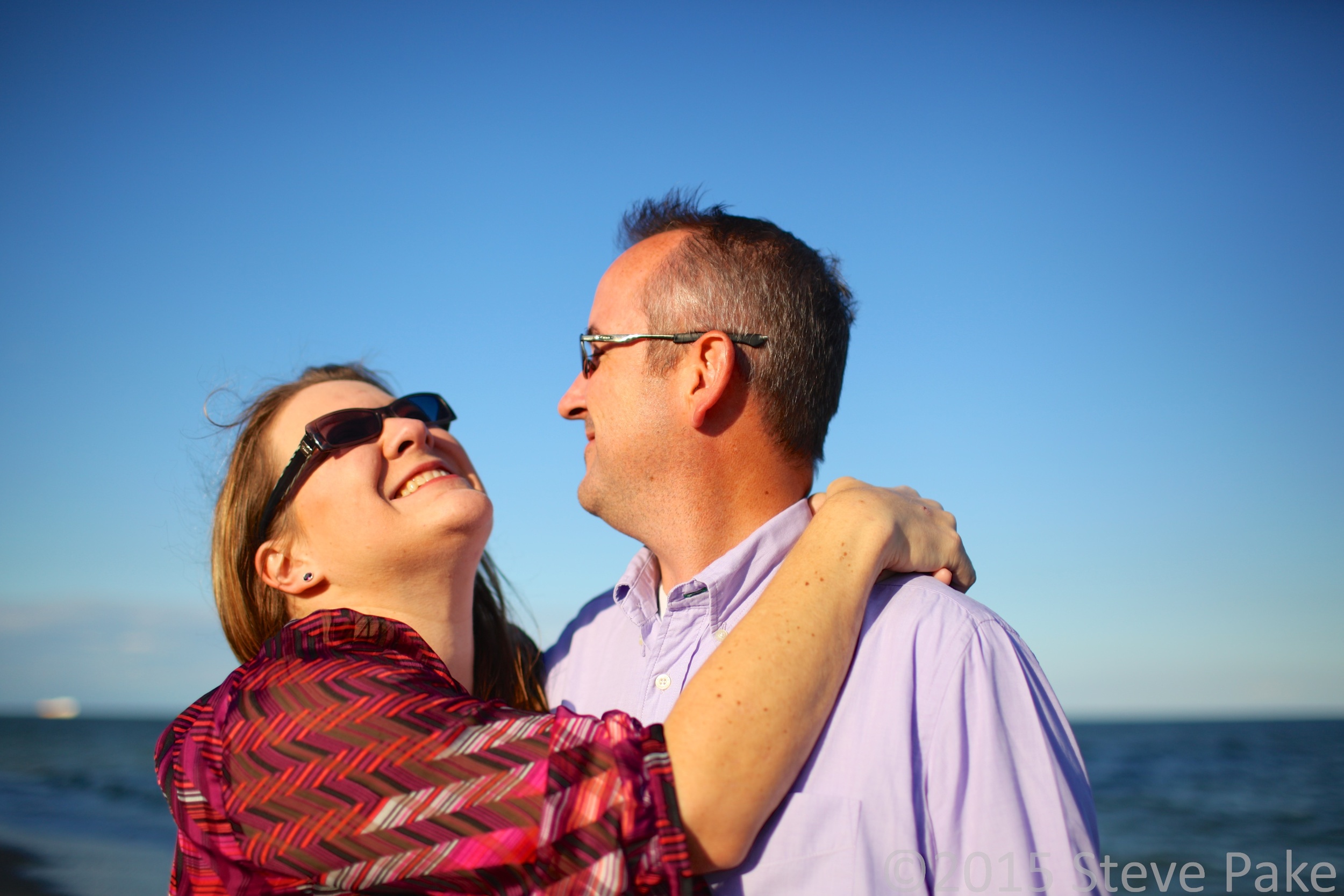
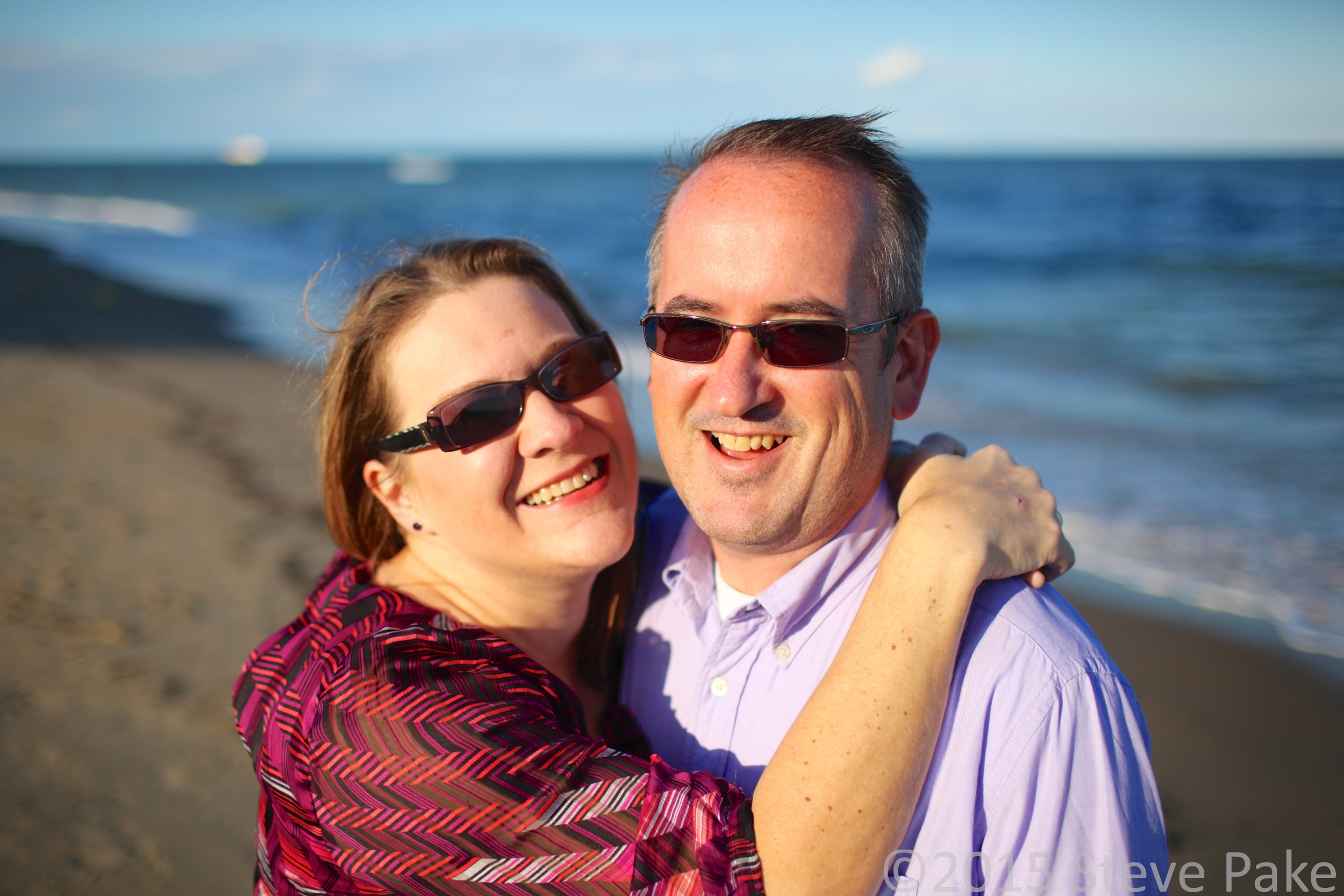
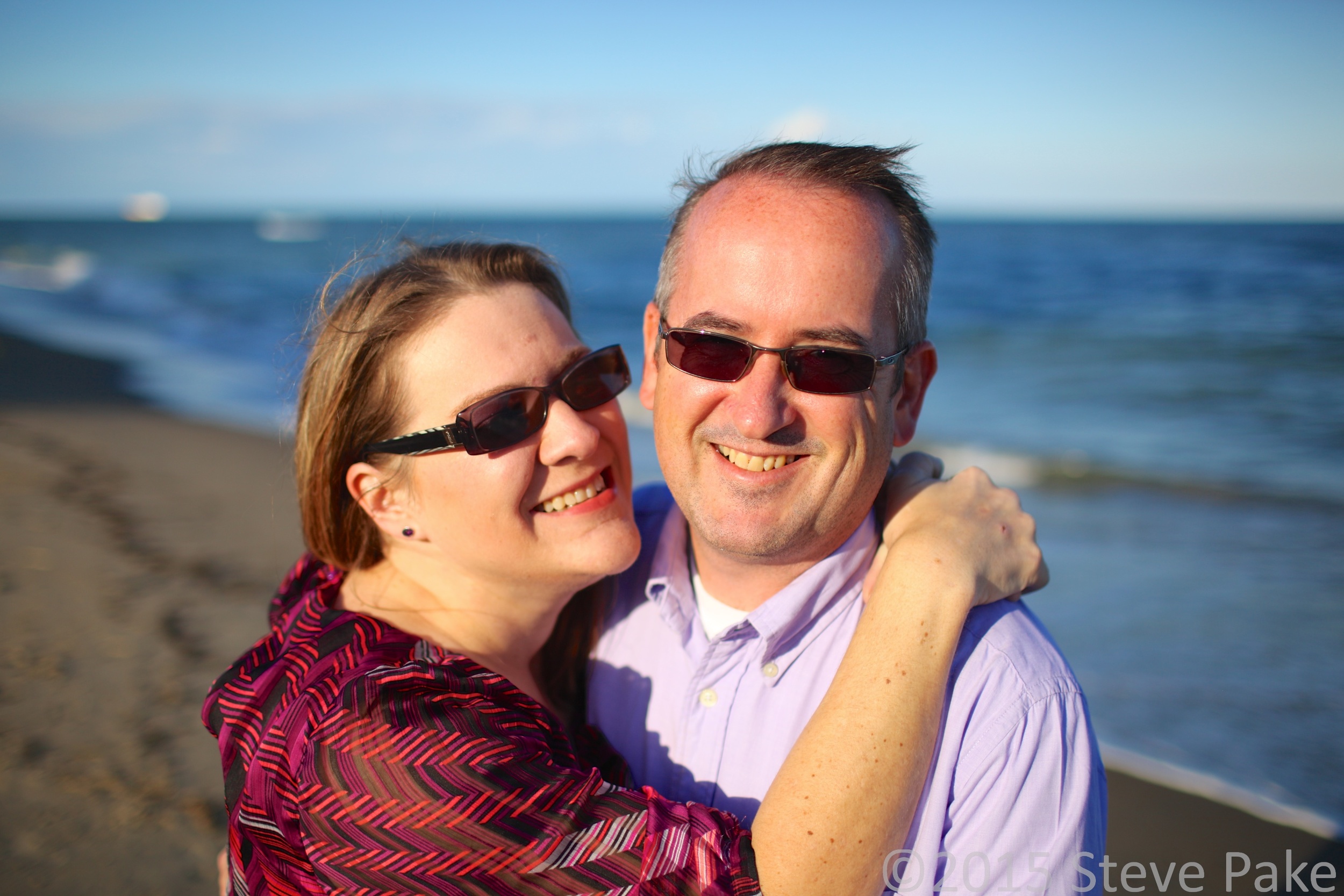
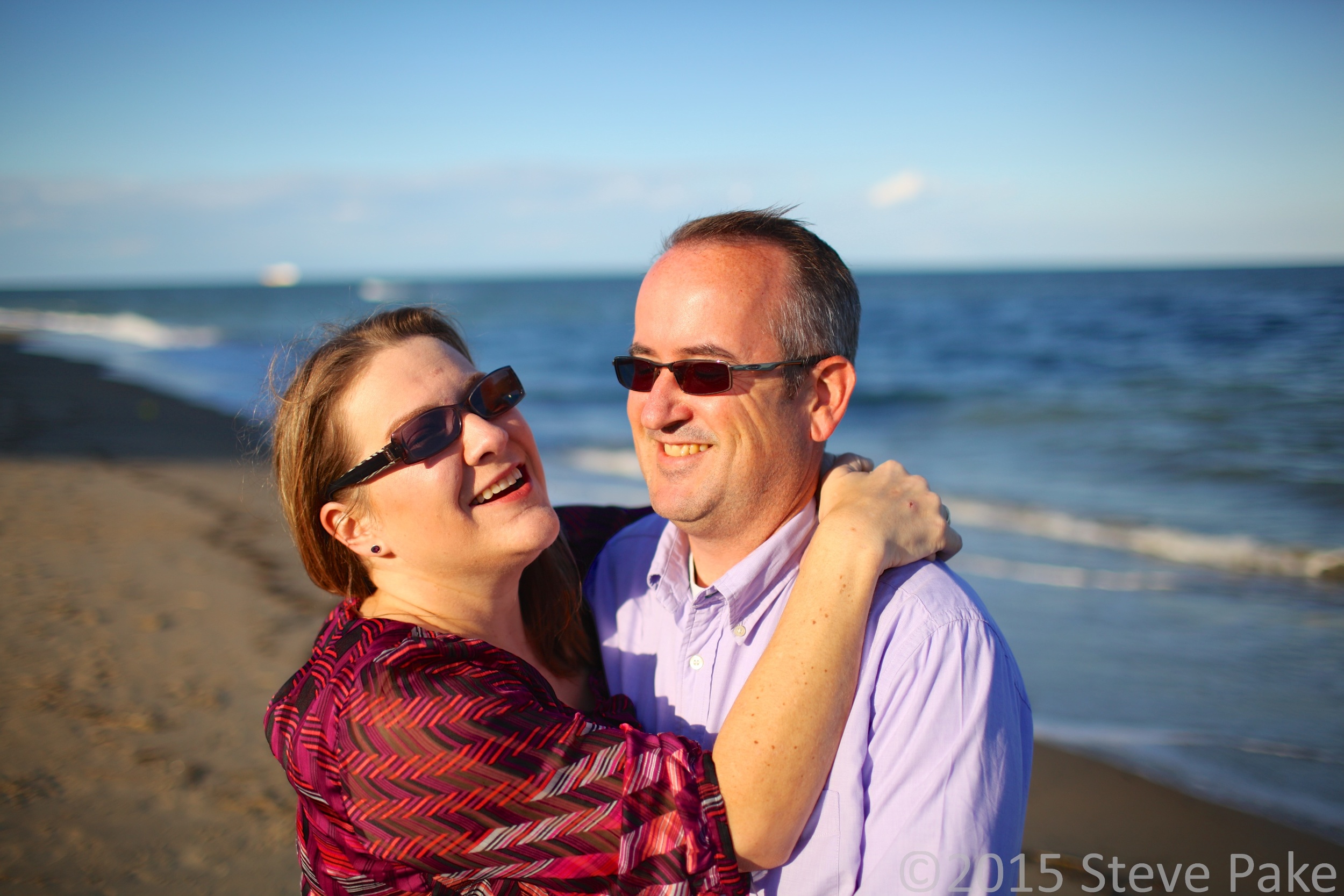
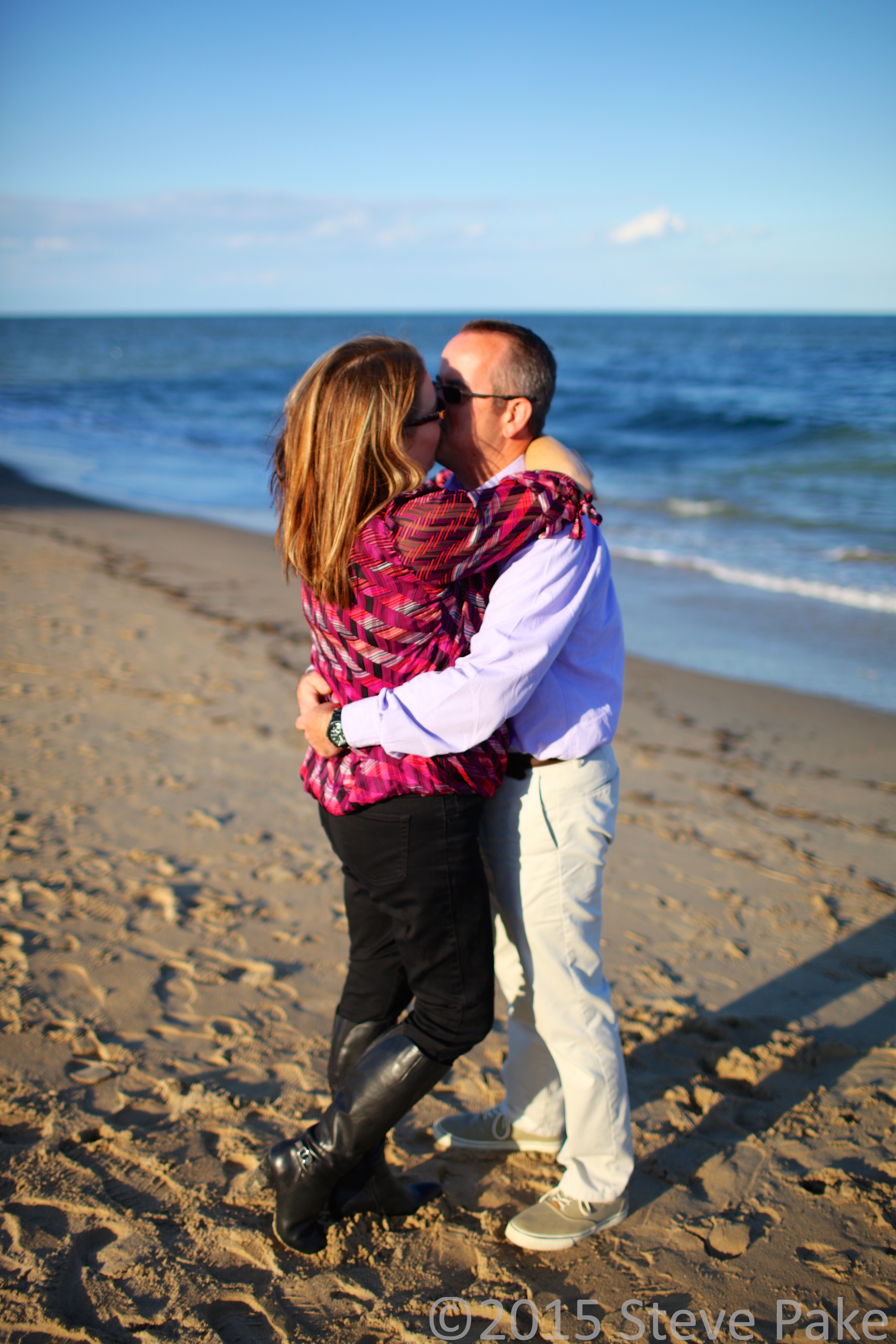
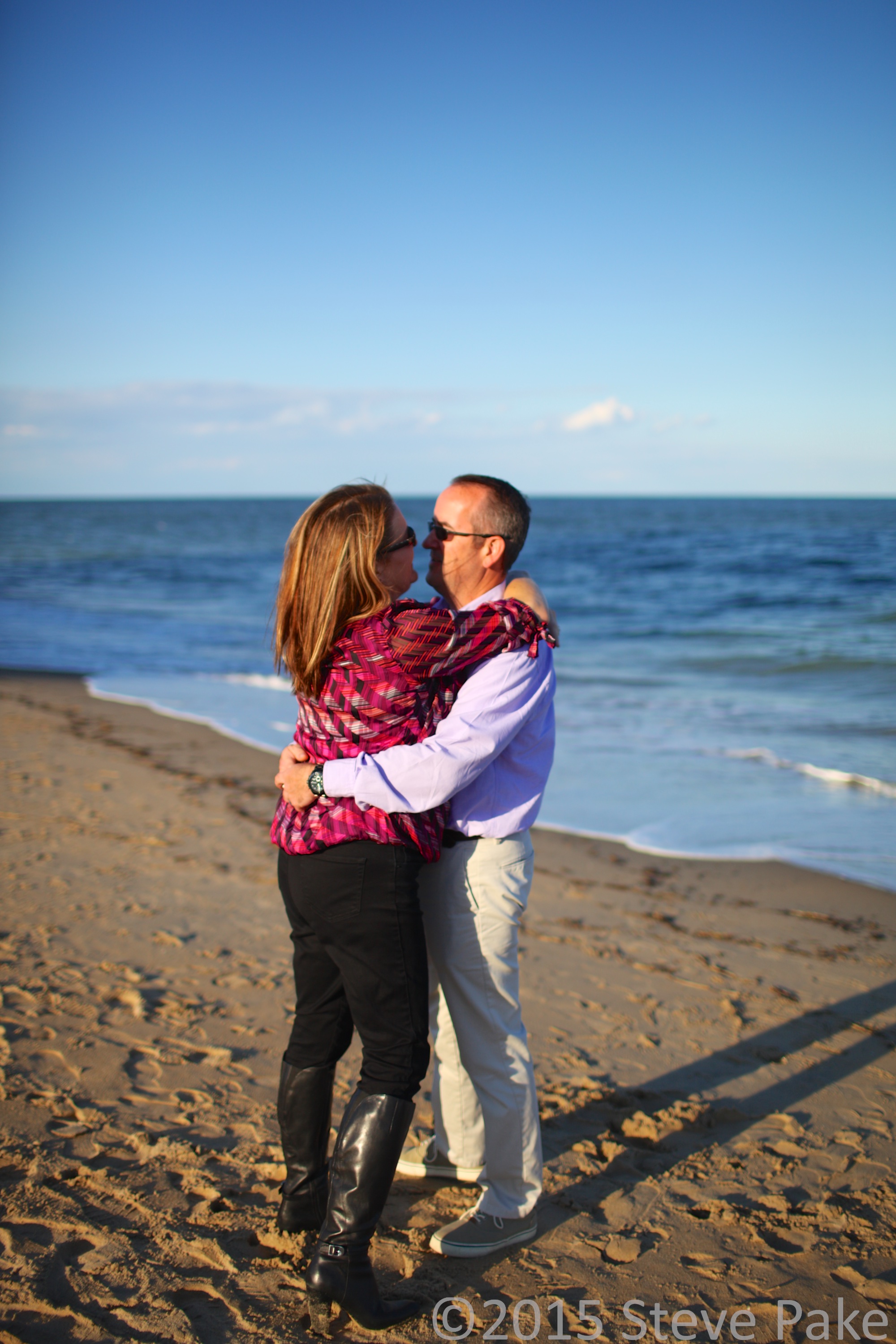
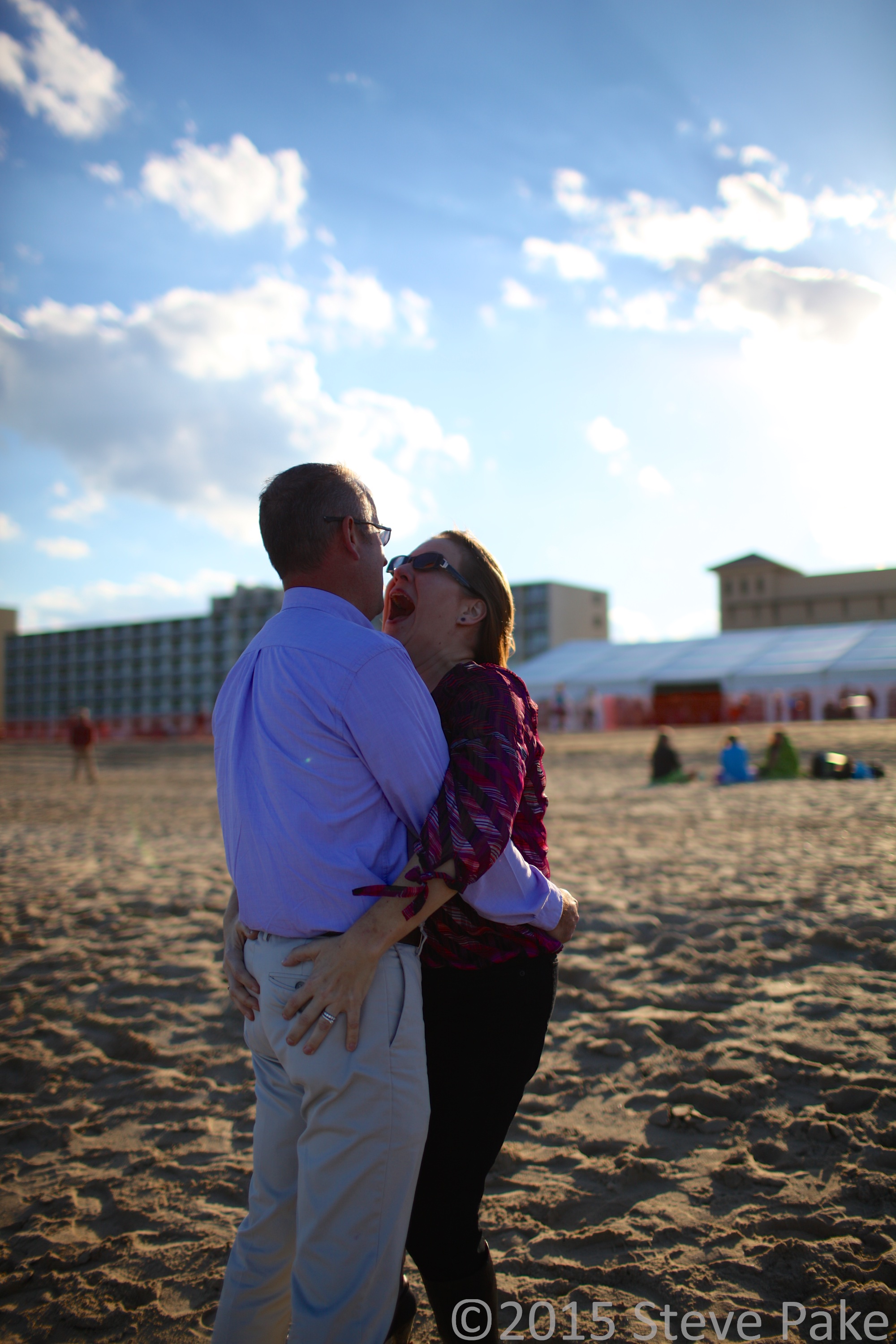
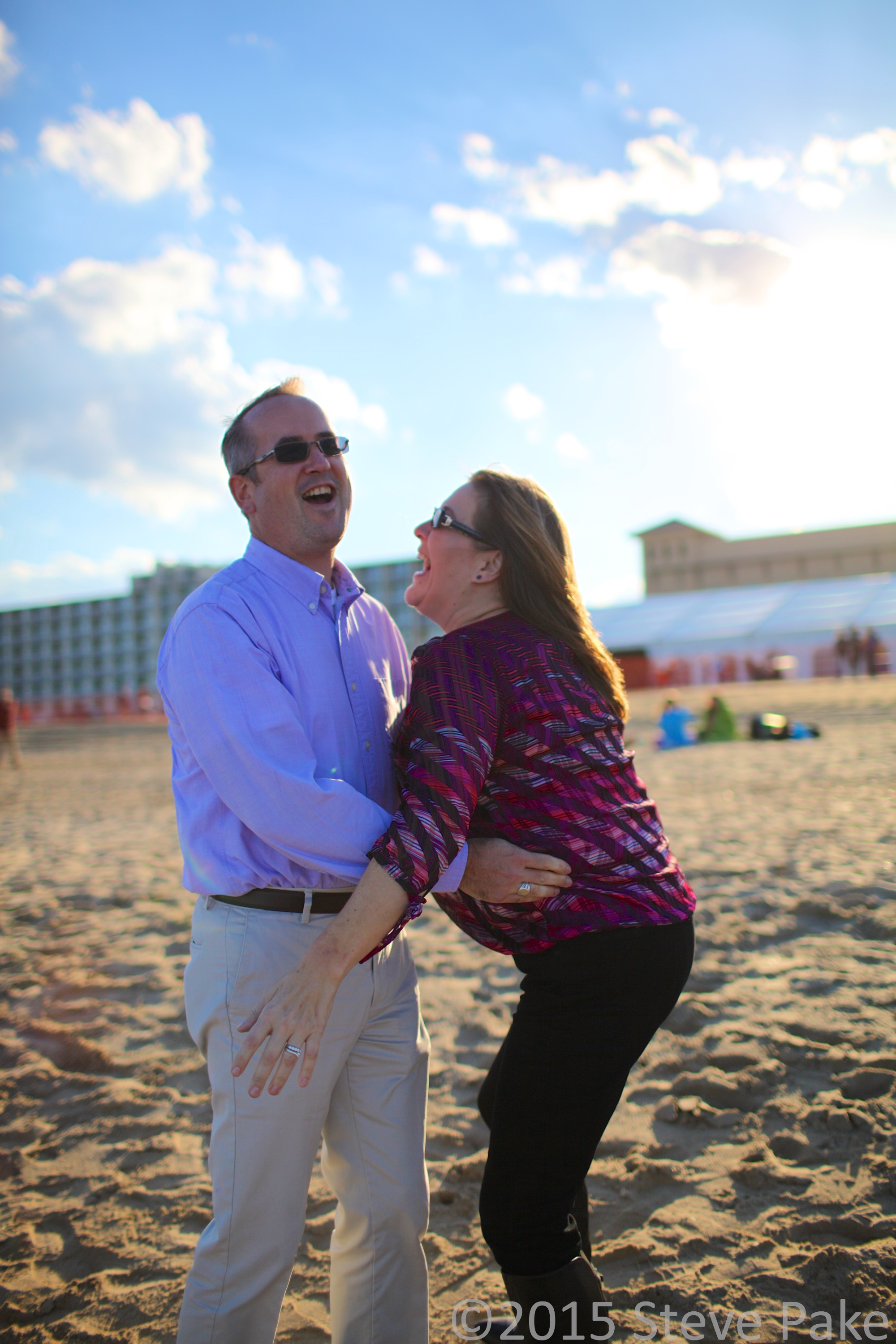
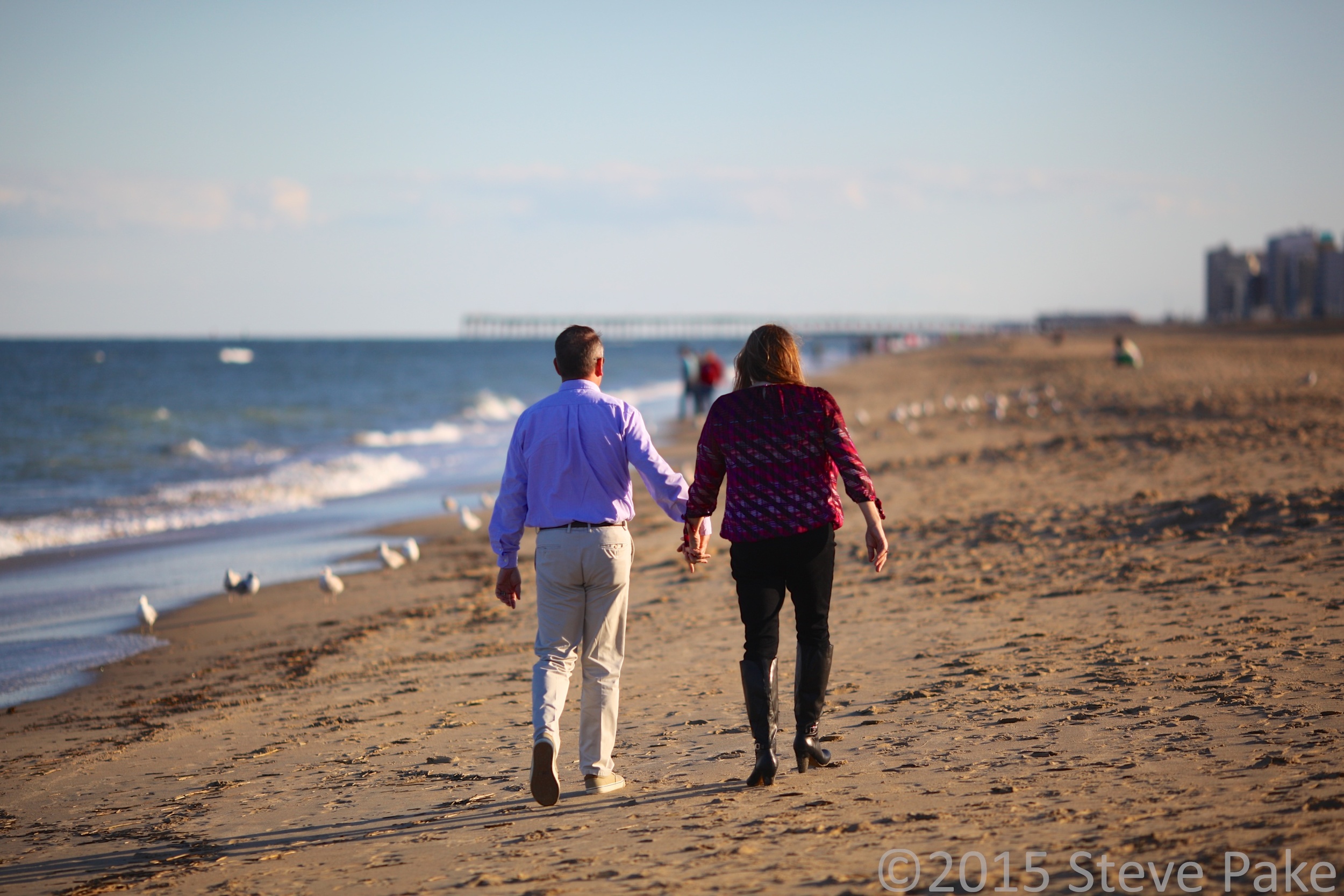
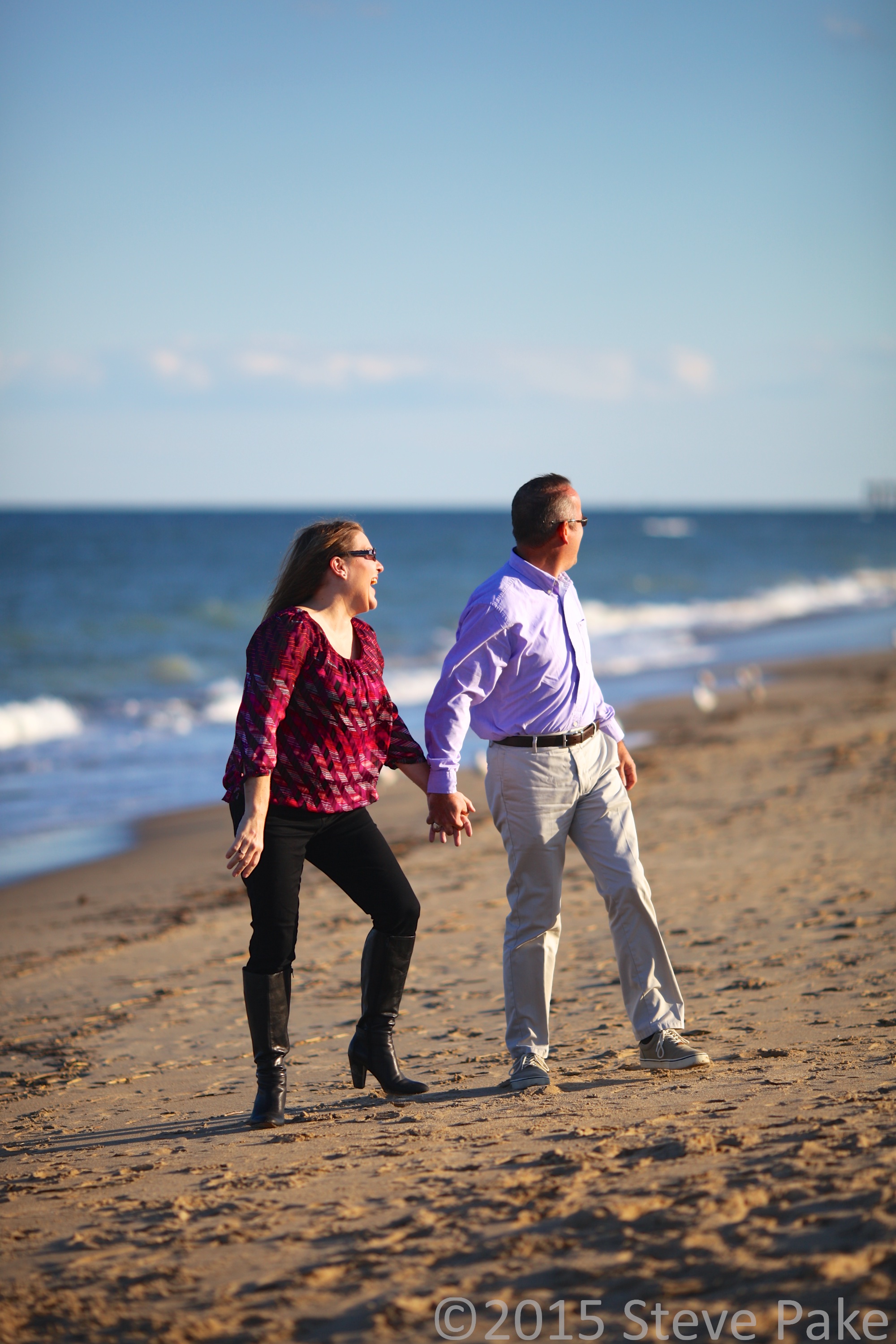
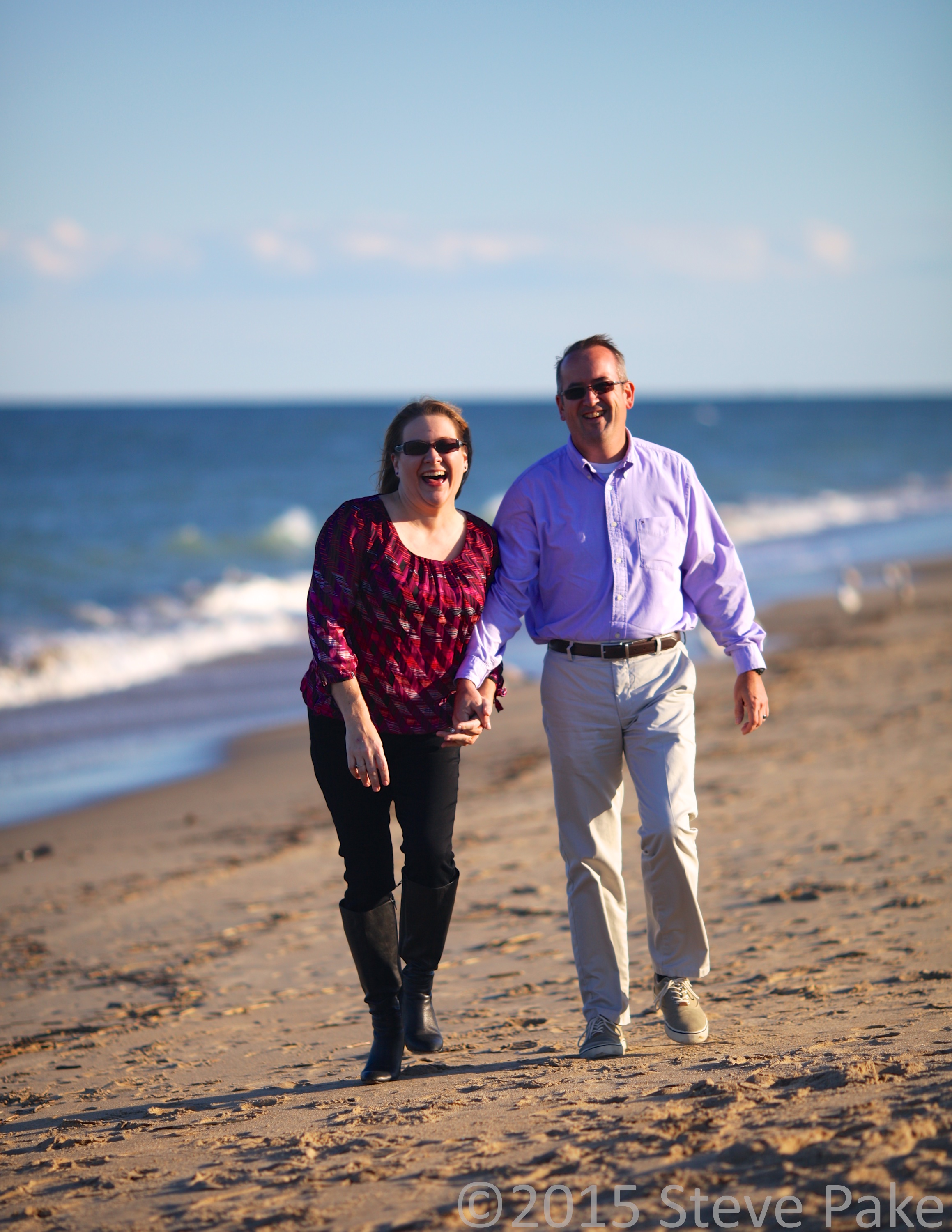
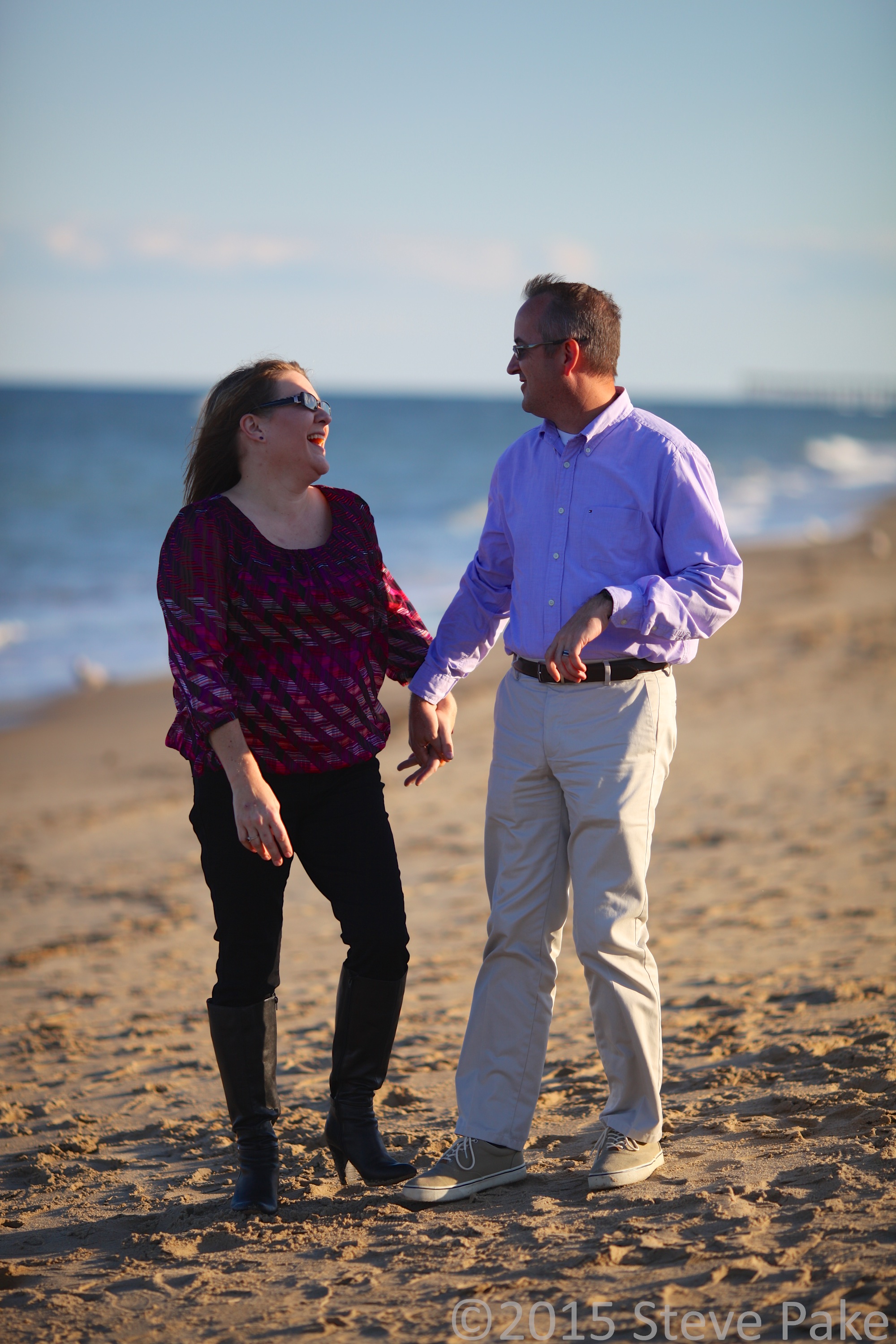
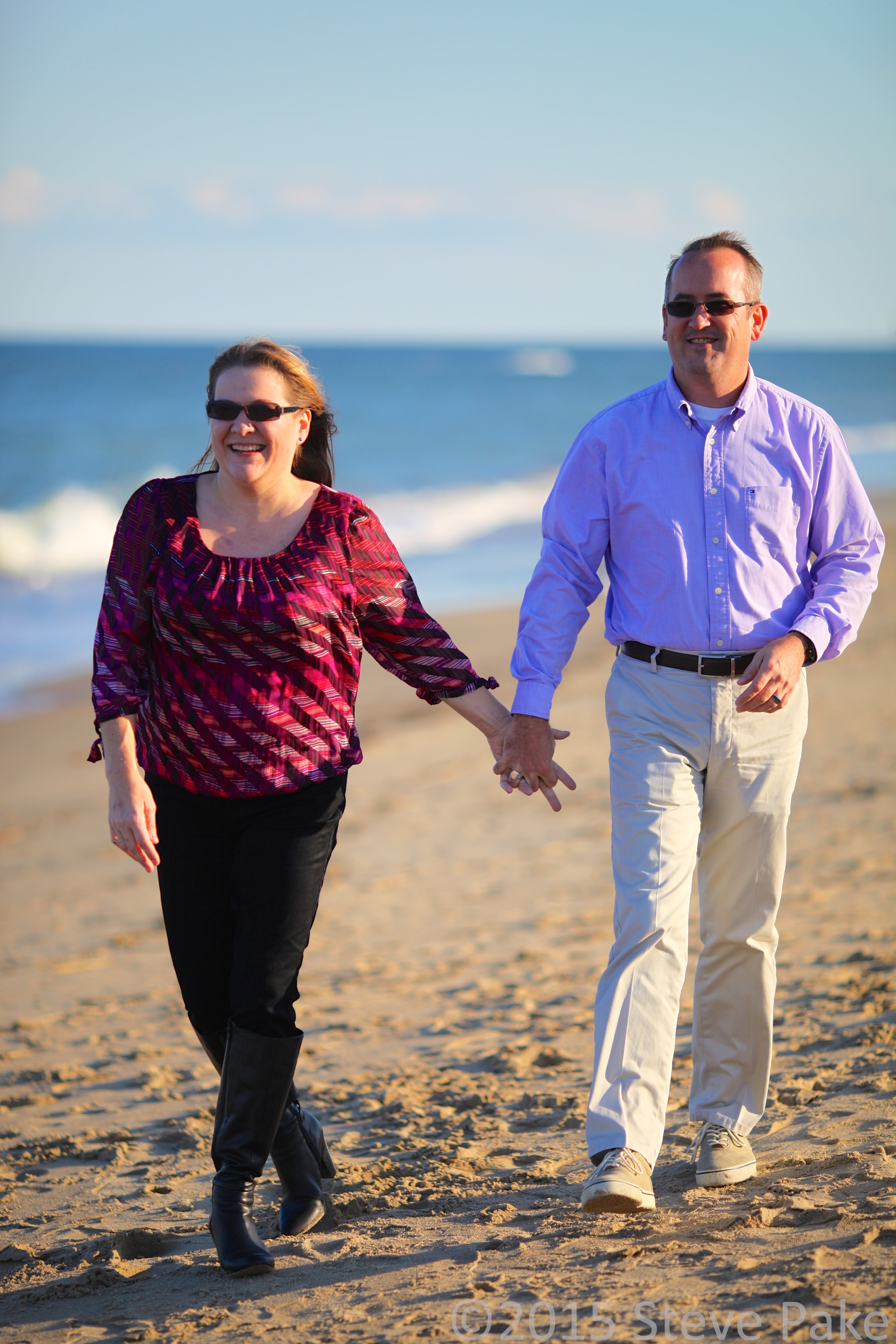
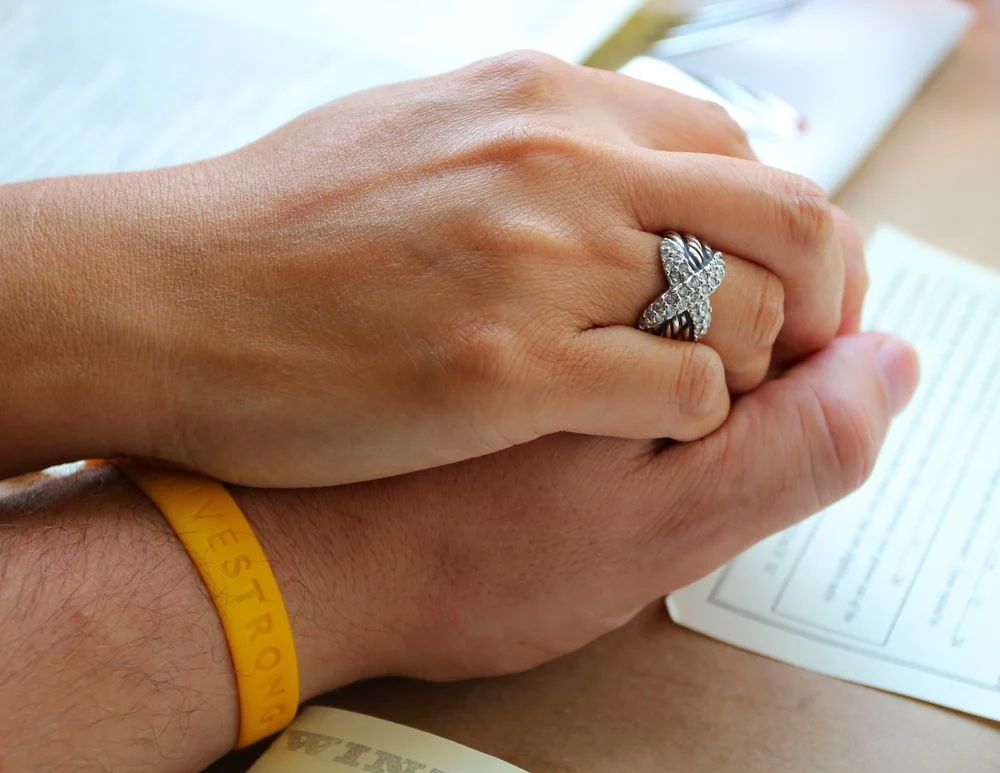
My old buddy Pete, whom I've known for 20 years, finally got hitched last year! I was super excited for both him and his new wife, Marnie, but just wasn't able to make the ceremony. As promised though, and a little bit later than planned, I was happy to finally deliver my wedding gift to them of a professional engagement style photo shoot!
My old buddy Pete, whom I've known for 20 years, finally got hitched last year! I was super excited for both him and his new wife, Marnie, but just wasn't able to make the ceremony. As promised though, and a little bit later than planned, I was happy to finally deliver my wedding gift to them of a professional engagement style photo shoot!
This old sailor buddy of mine has been through a thing or two in his life, so to see the way Marnie could put a Texas sized smile on his face just melted my heart. I've known couples that you could not even tell were married, but there was no mistaking these two. You could just feel the energy and chemistry that Pete and Marnie share, and it was a wonderful thing to witness, and be able to capture for them.
Tools of the trade. A Canon 5D Mark II and two hot rod L primes, the 35mm f/1.4L and the 135mm f/2L. I've been singing praises of my 7D Mark II lately, but when you want really fantastic looking portraits, you need to be on full frame, and need to be shooting some really snazzy L glass. It just makes the photos come alive. :)
Healing Your Heart after Cancer
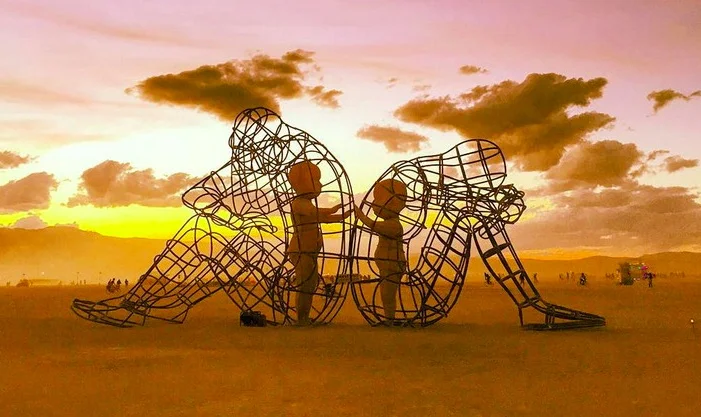
The first time I saw a photo of the sculpture titled "LOVE" at Burning Man 2015, by Ukranian artist Alexandr Milov, I was nearly moved to tears by how powerfully yet simply it represented how I've felt about one too many people in the past few years. Some have said it represents people's egos, pride, and resentment, which just allows pain to persist when people are unwilling or unable to resolve bad situations with each other, even though deep inside, the inner child is still reaching out towards the other with love.

Image via Google Search, unknown Copyright
The first time I saw a photo of the sculpture titled "LOVE" at Burning Man 2015, by Ukranian artist Alexandr Milov, I was nearly moved to tears by how powerfully yet simply it represented how I've felt about one too many people in the past few years. Some have said it represents people's egos, pride, and resentment, which just allows pain to persist when people are unwilling or unable to resolve bad situations with each other, even though deep inside, the inner child is still reaching out towards the other with love.
I've never had a particularly big ego, but I relate to this very strongly as a young adult cancer survivor that's been through a bit more than your average 30-something. Years of anxiety and uncertainty after cancer, along with depression and post-traumatic stress, certainly took their tolls on myself and people that had been in my life, even if they've never realized that's what it was. Depression and especially post-traumatic stress after cancer is such a dark and lonely experience, and it's taken me years just to start opening up about such a painful part of my life and cancer survivorship experience.
When you’re suffering from post-traumatic stress, your instincts are on high alert and you become hyperaware, and any instinctually perceived threat whether real or imagined can set you off. People that I had loved and cared about actually became triggers for my post-traumatic stress, simply because they didn’t know how to handle me while in such a state, didn’t know how to not say or do the wrong things around me as a cancer survivor going through a difficult time, or flat out didn’t have the best of intentions in mind. They became "unsafe" people to me, and the mere sight of someone, the sound of their voice, or even their smell could cause an adrenaline rush of defensive energy, and the instinctual need to run, hide, or fight back. I’d never been so frustrated, disheartened, and disappointed in my life. I had fought my way so hard through cancer, only to have my mind playing the most terrible of games with me in the years after, with people that I knew I loved and cared about becoming entangled in this expanding matrix of potential triggers, and having to stay away.
Post-traumatic stress after cancer took me to the brink of doing something truly terrible. Turning my back towards various people was never a matter of pride or ego with me, but simply one of self-preservation, I'd been hurting that bad. Those that had the magic set of keys to my mind and knew how to handle me could stay, and all others just had to go. It didn't matter who was who.
Were it one or two people I'd felt this way about, perhaps I could have just lived with it, but I could no longer count how many had become entangled in this web of triggers. It was just too much pain I'd been feeling towards too many people, and it wasn’t the path forward for me in life to be dragging around so many difficult feelings. People needed to be perfect around me, but who's perfect? It's just been impossible at times. People have failed me and let me down as friends, yes, but I'd failed them as well, and I'd also failed myself. I've just wanted to let go of it all to allow such love and friendships to continue, but I just didn't know how.
One thing that cancer did was bring out my personality in full force. I'm a true to their sign Scorpio in that I've always had very powerful feelings about things. It's a gift to be able to feel so much love towards people, but we can hurt like crazy as well. I wasn’t prepared to handle the full force of my emotions when I went from a pre-cancer “Scorpio-lite” to a full force, first decan Scorpio in crisis mode in my initial years after cancer, struggling with all of the ugly aftermath. It’s been a rough ride, and something that I've needed mentoring on, and that I've had to grow into. A big part of my problem was my own. I wanted to be able to forgive and love people again, but forgiveness was a foreign concept to me, and not something that was originally included in my Scorp DNA. I wanted to move beyond this and keep moving forward in life, but didn't know how to cross this spiritual impasse.
The answer is that you have to evolve, and become a better person than you were before.
I'd already found ways to heal mind, body, and soul, but I'd never healed my heart. My heart had just wanted to be able to love people again, and now has finally been the time to follow that instinct for a change, as opposed to consciously holding it back. Once again I've had to evolve myself as a person, for the third major time in four years as a cancer survivor. This terribly unforgiving Scorpio just got tired of this part of him, his inability to forgive and the ongoing pain that it was causing, and burned it to the ground so the he could emerge stronger once again. A Scropio cancer survivor's ace in the hole is that the Phoenix is also a part of our sign, and we have the ability to reinvent ourselves. When something is hurting us, we can immerse ourselves in our own pain until it burns us to the ground, so that we can emerge better and stronger than we were before.
The biggest thing I've learned in this round of reinvention after cancer is the importance of self-love, and that all I've ever needed to be is me. My perceived faults were never flaws, nor even mistakes. They're a unique part of what makes me me, and embracing that helped me to accept all that I am, and all that others are as well. You can't fully love, forgive, or embrace others until you can do the same for yourself. We're all love on the inside, we all try our best, and everything happens for a reason. It's a conscious choice that we have on how we're going to feel about ourselves and others. My choice now is unconditional love for all, including myself. All of the pain and resentment I'd felt towards so many has melted away, and I've finally managed to emotionally decouple these people that I've loved from the terrible matrix of post-traumatic stress triggers that they had become entangled in, simply by choosing to love them again. That trapped and innocent inner child within that's only wanted to love has finally been released, and is free to just love again.
Omnia Vincit Amor. Love conquers all.
StevePake.com
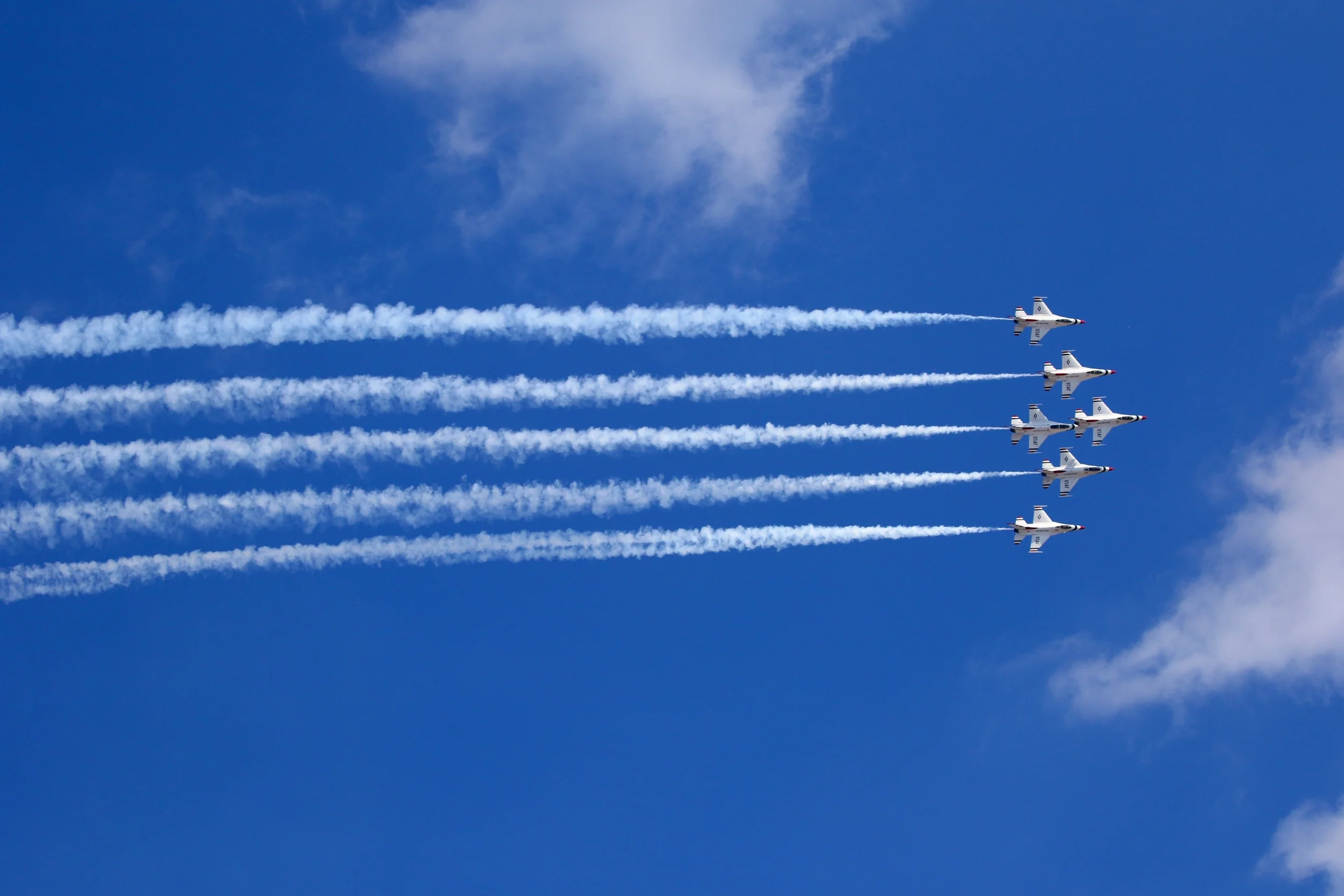
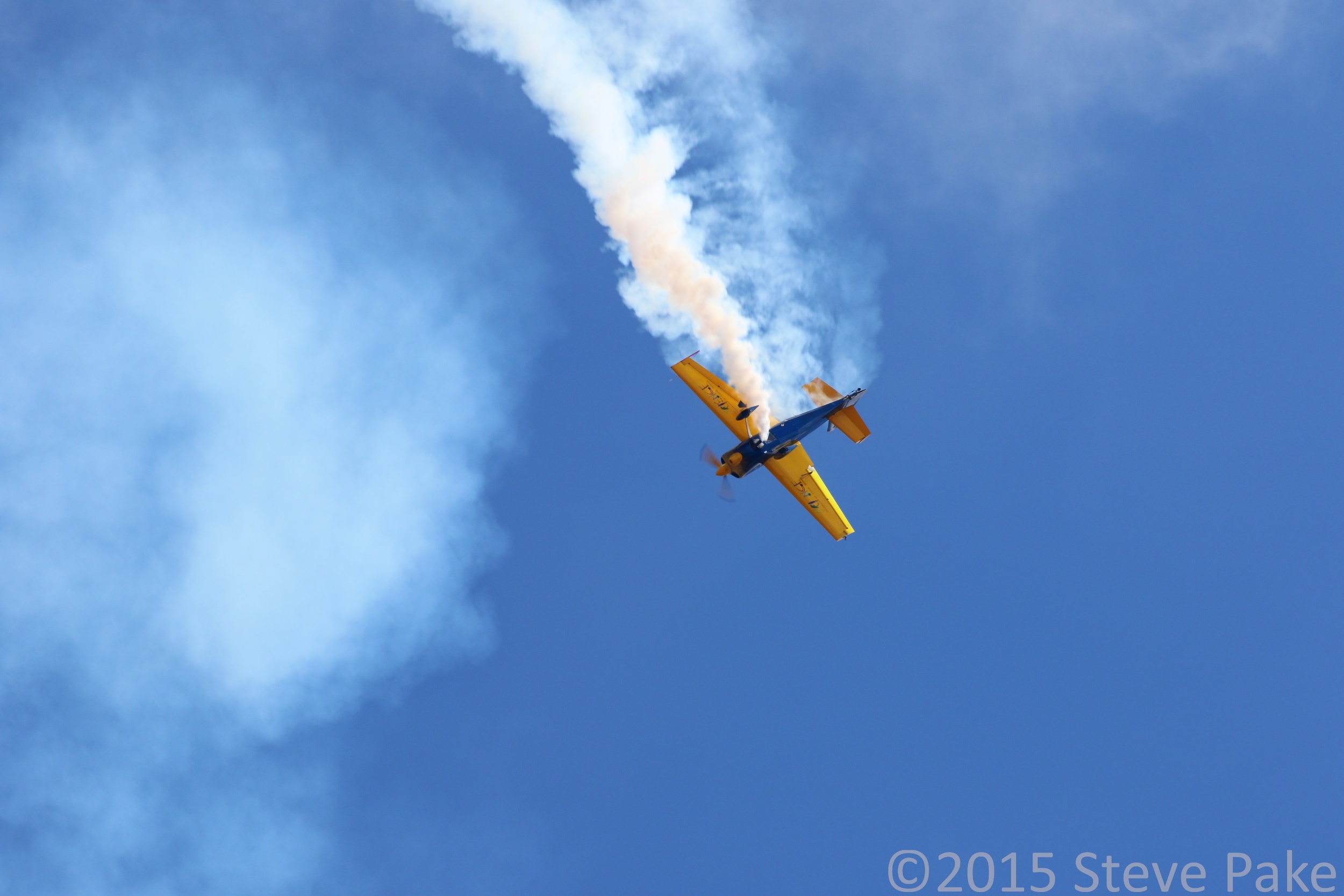
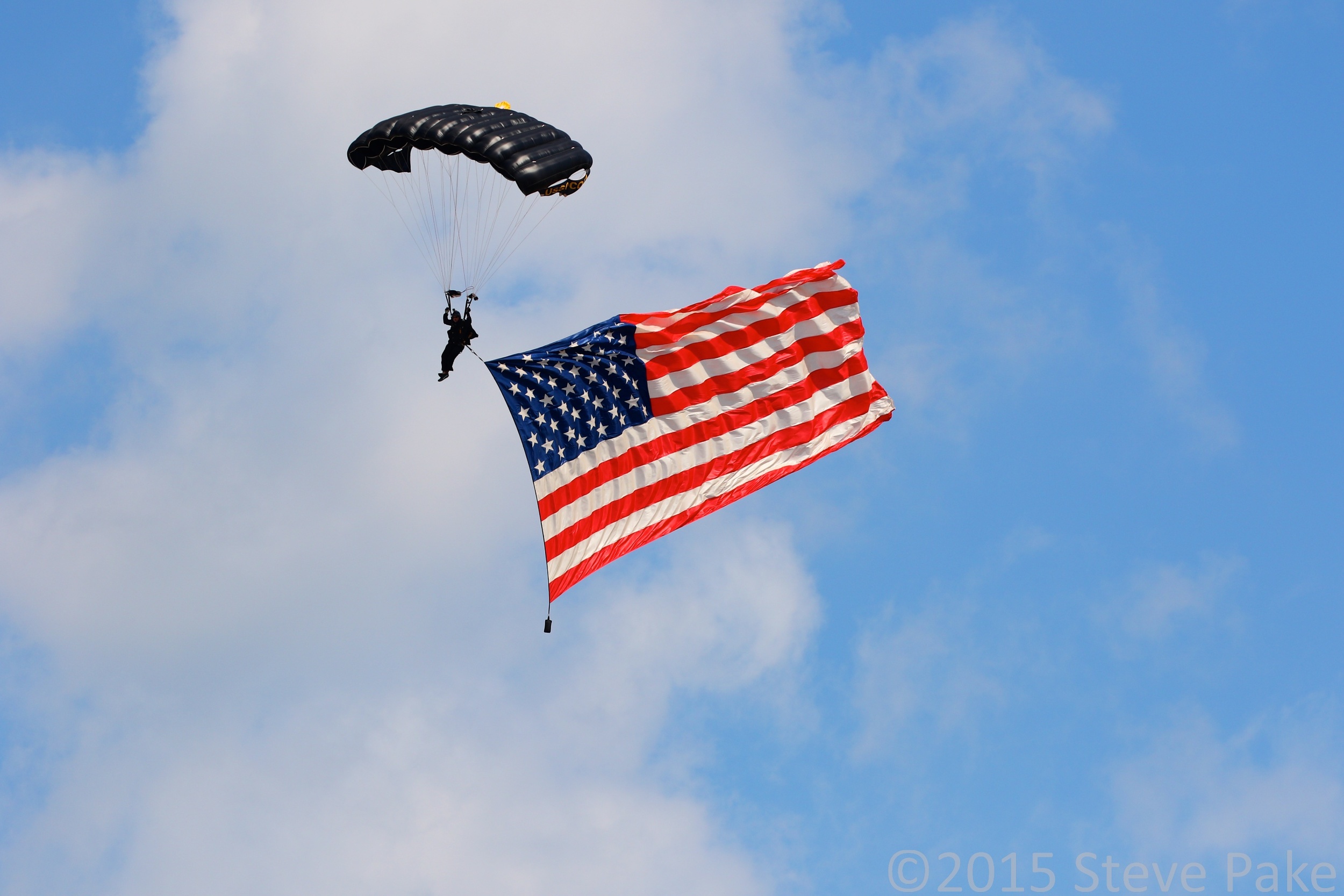
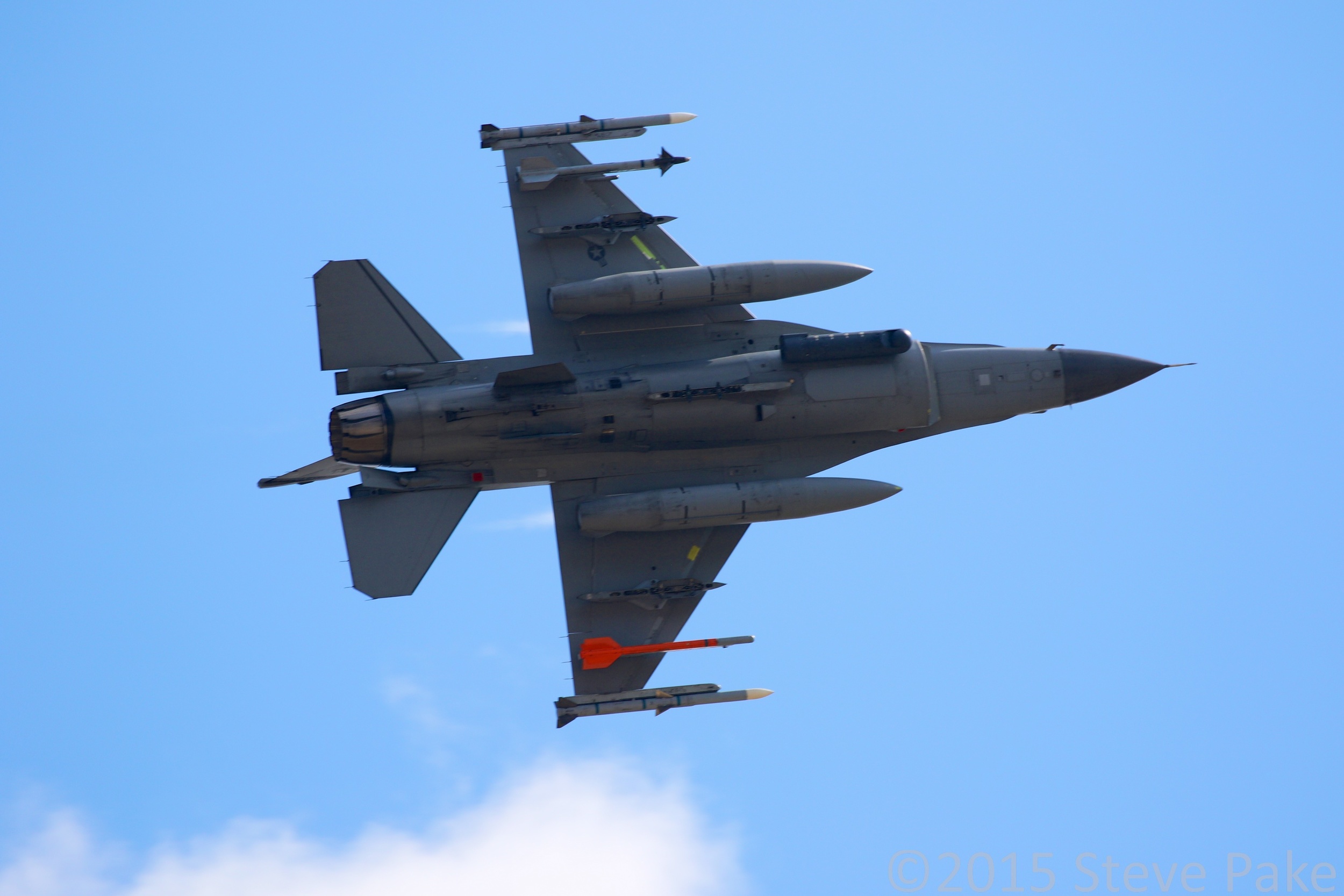
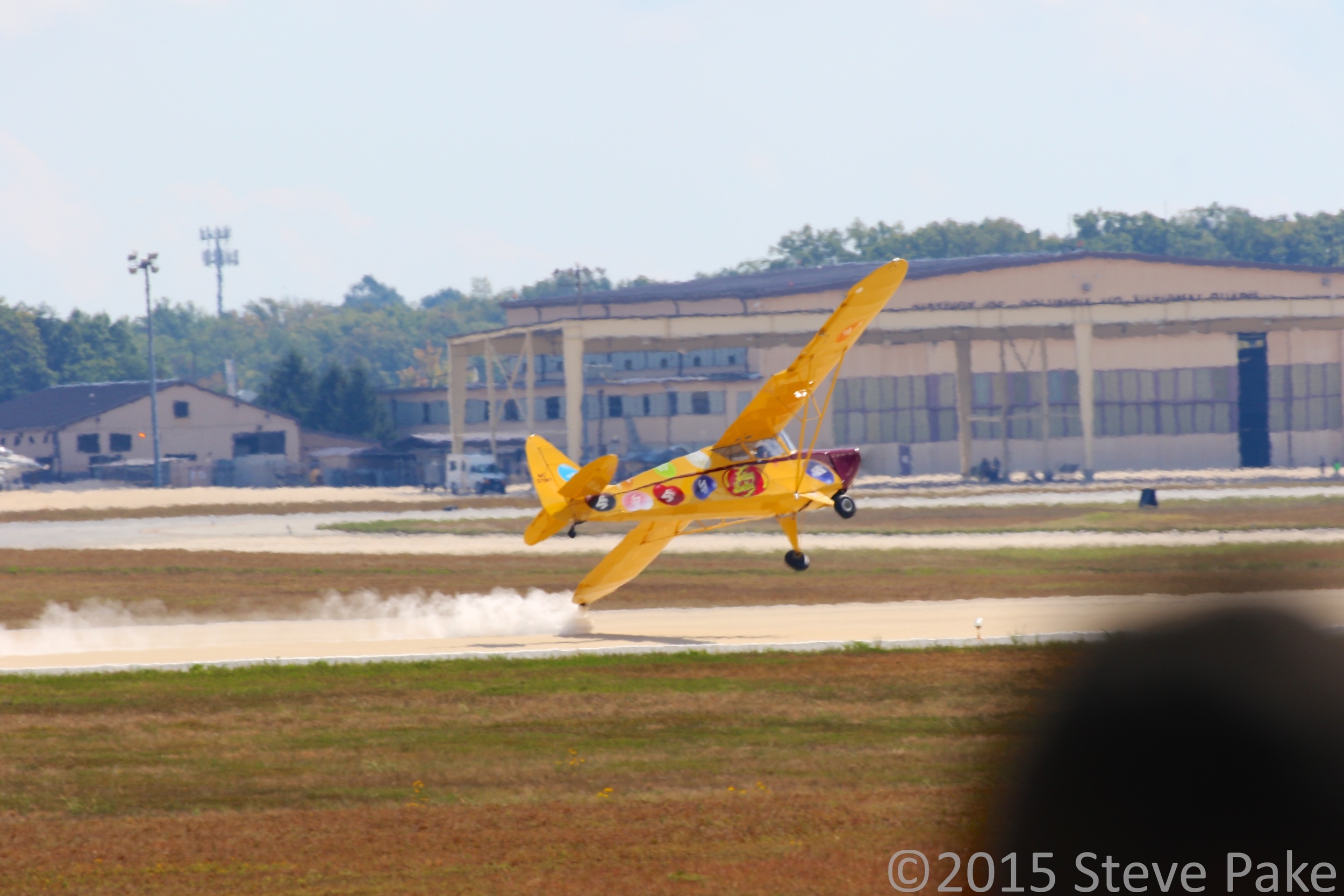
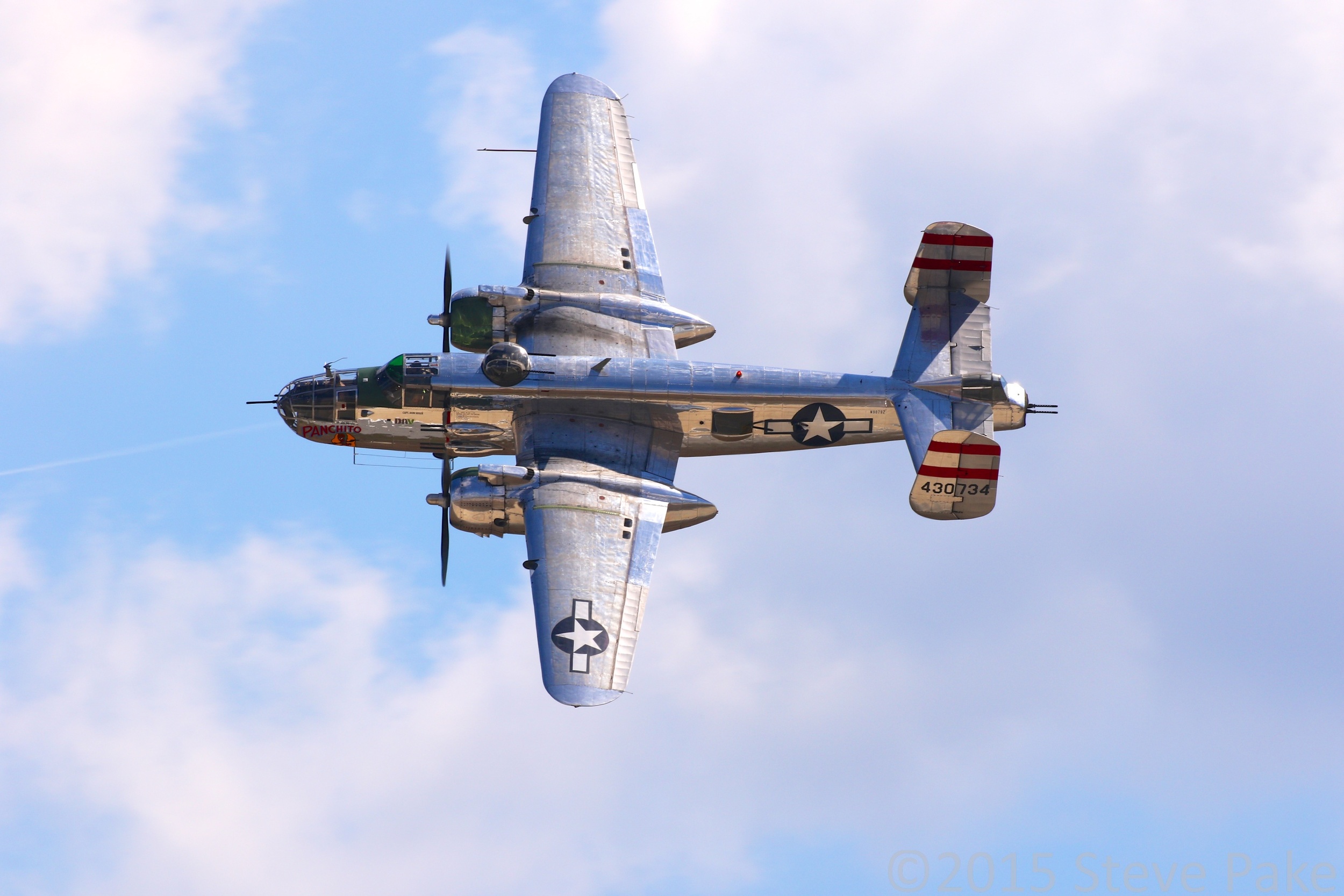
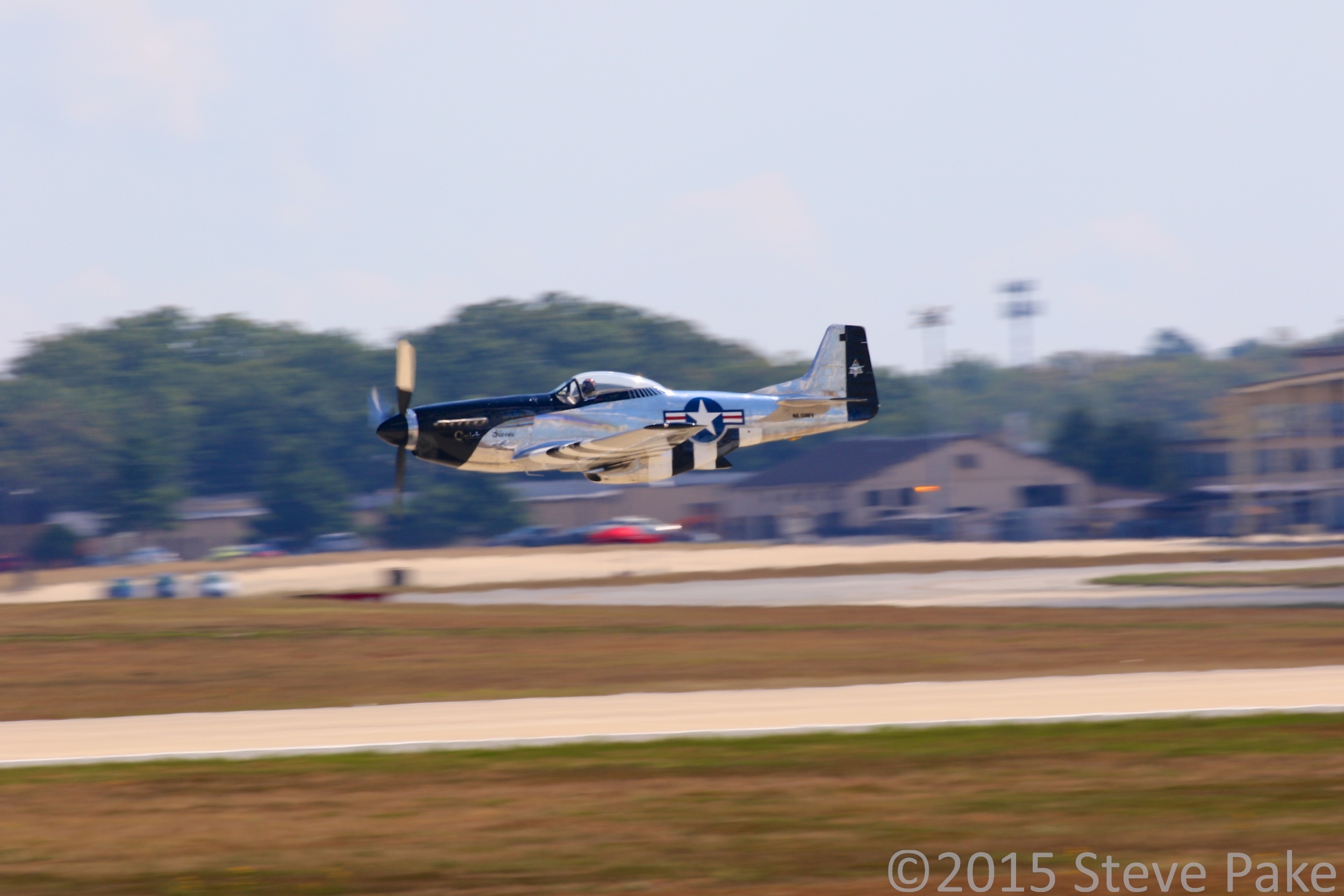
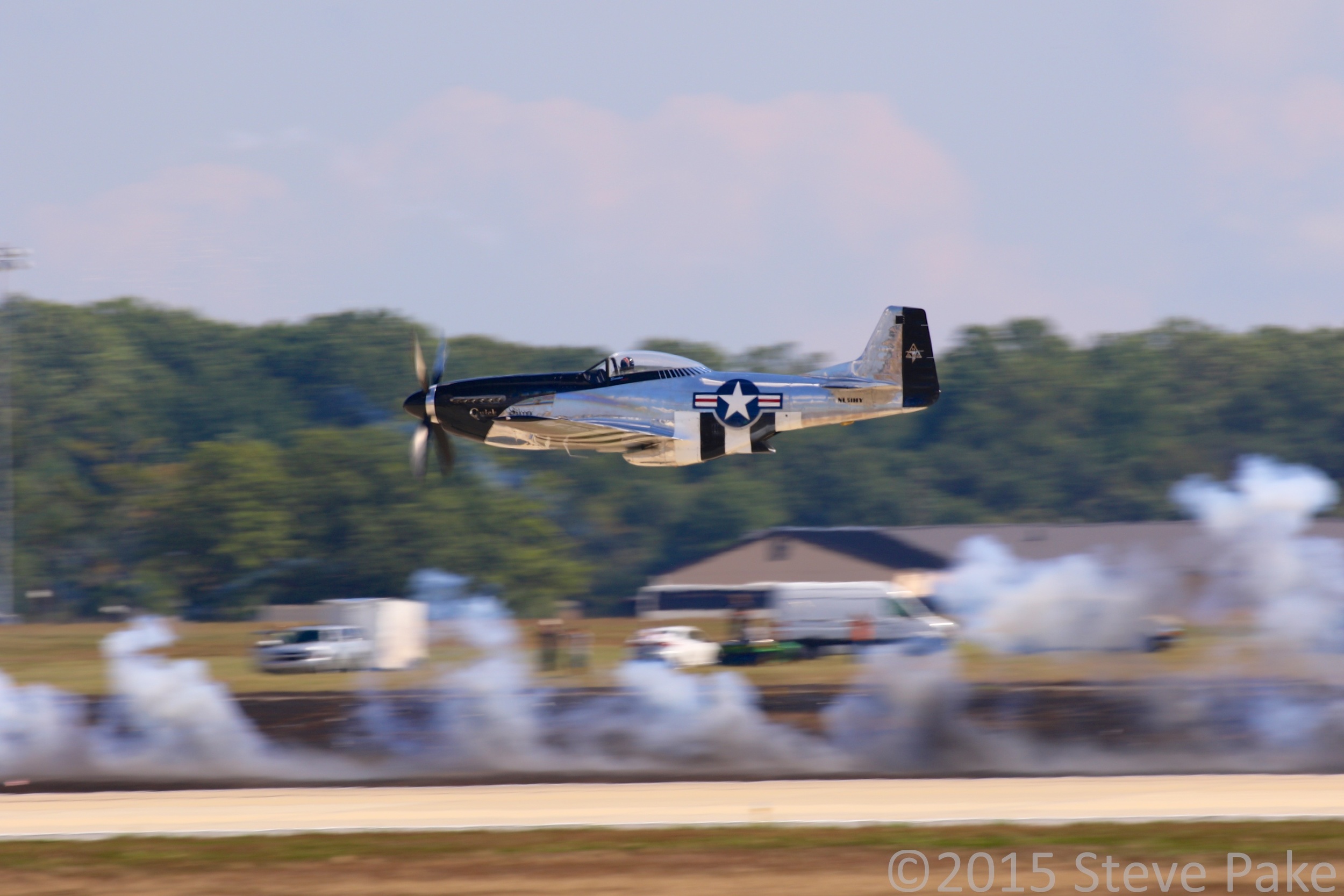
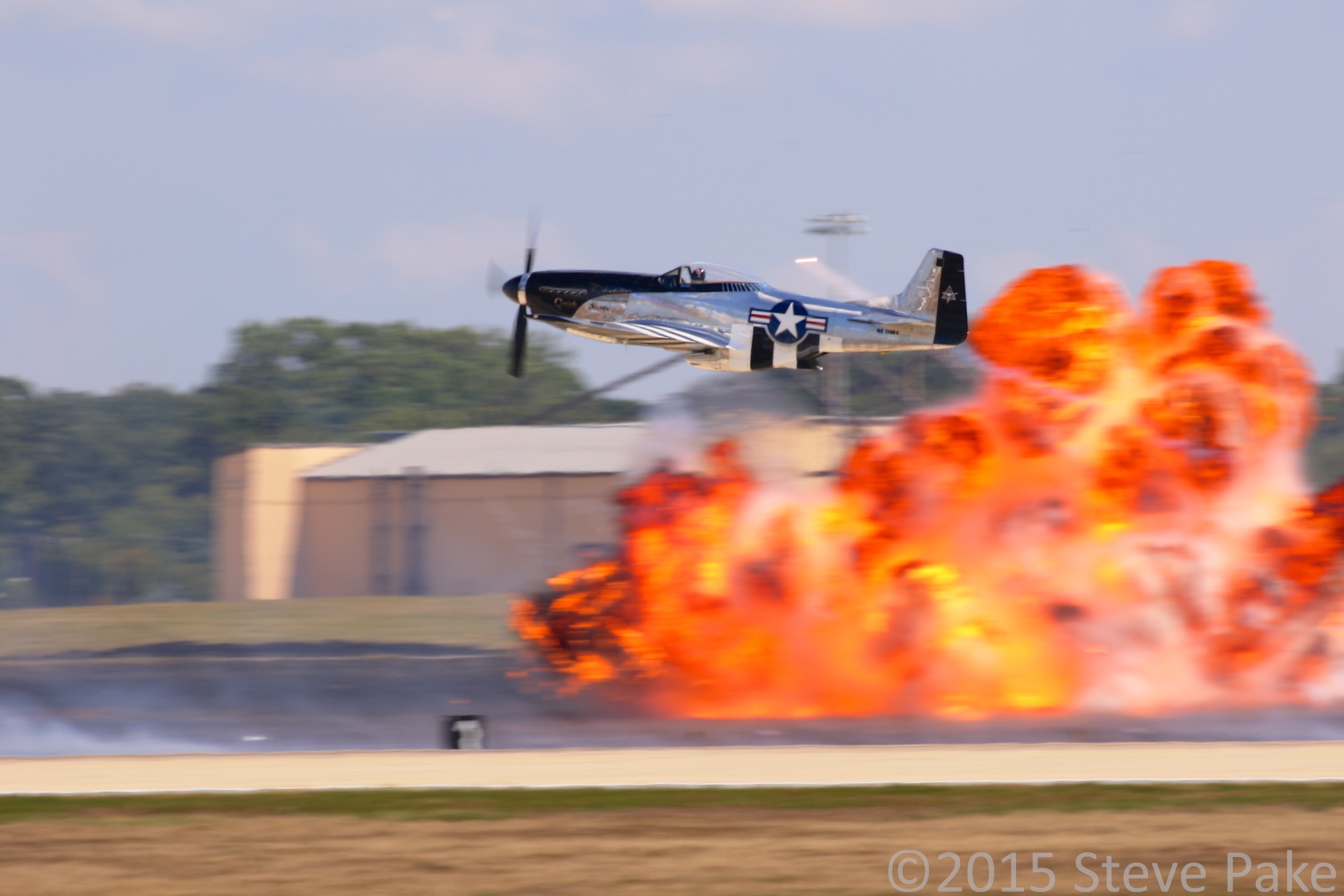
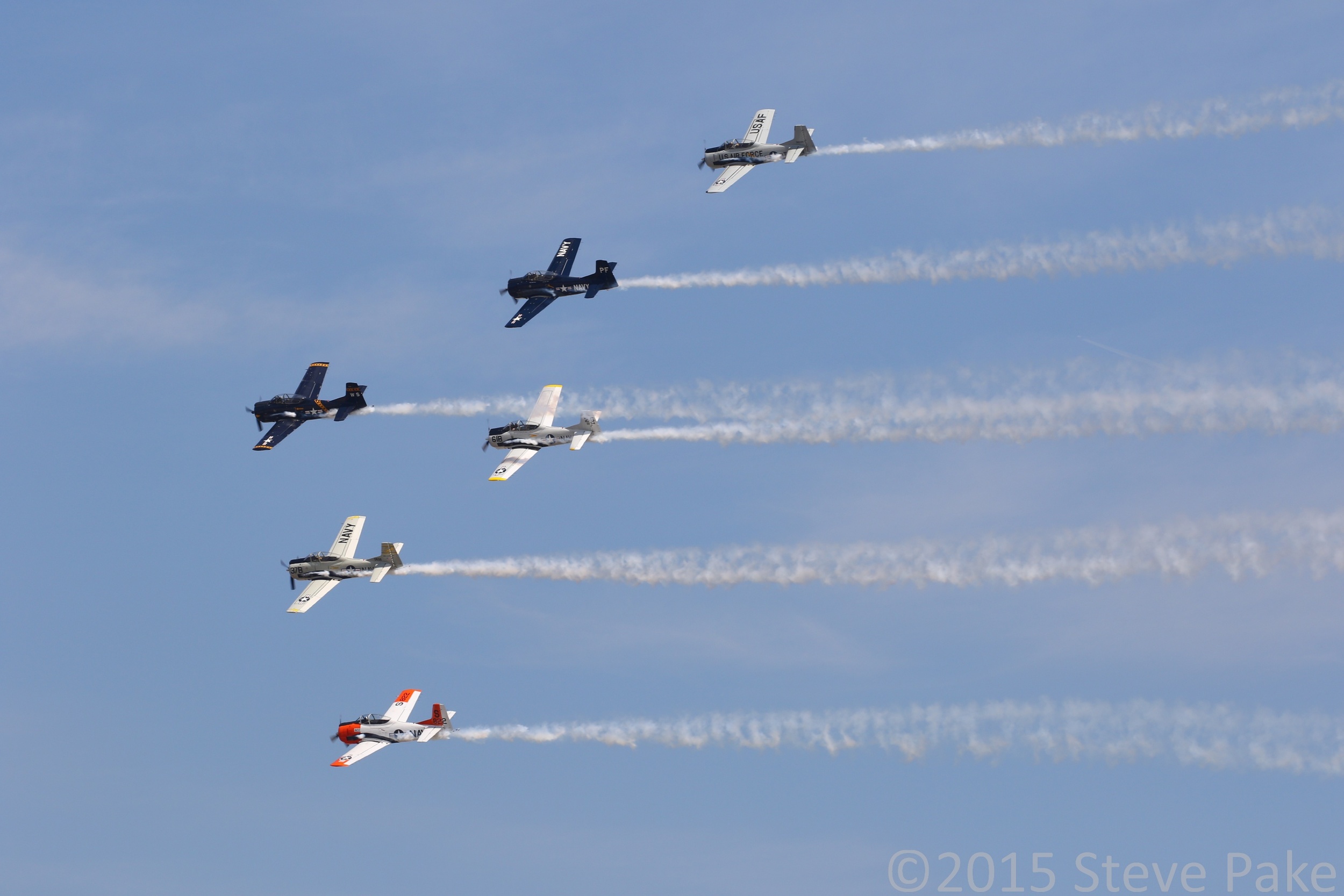
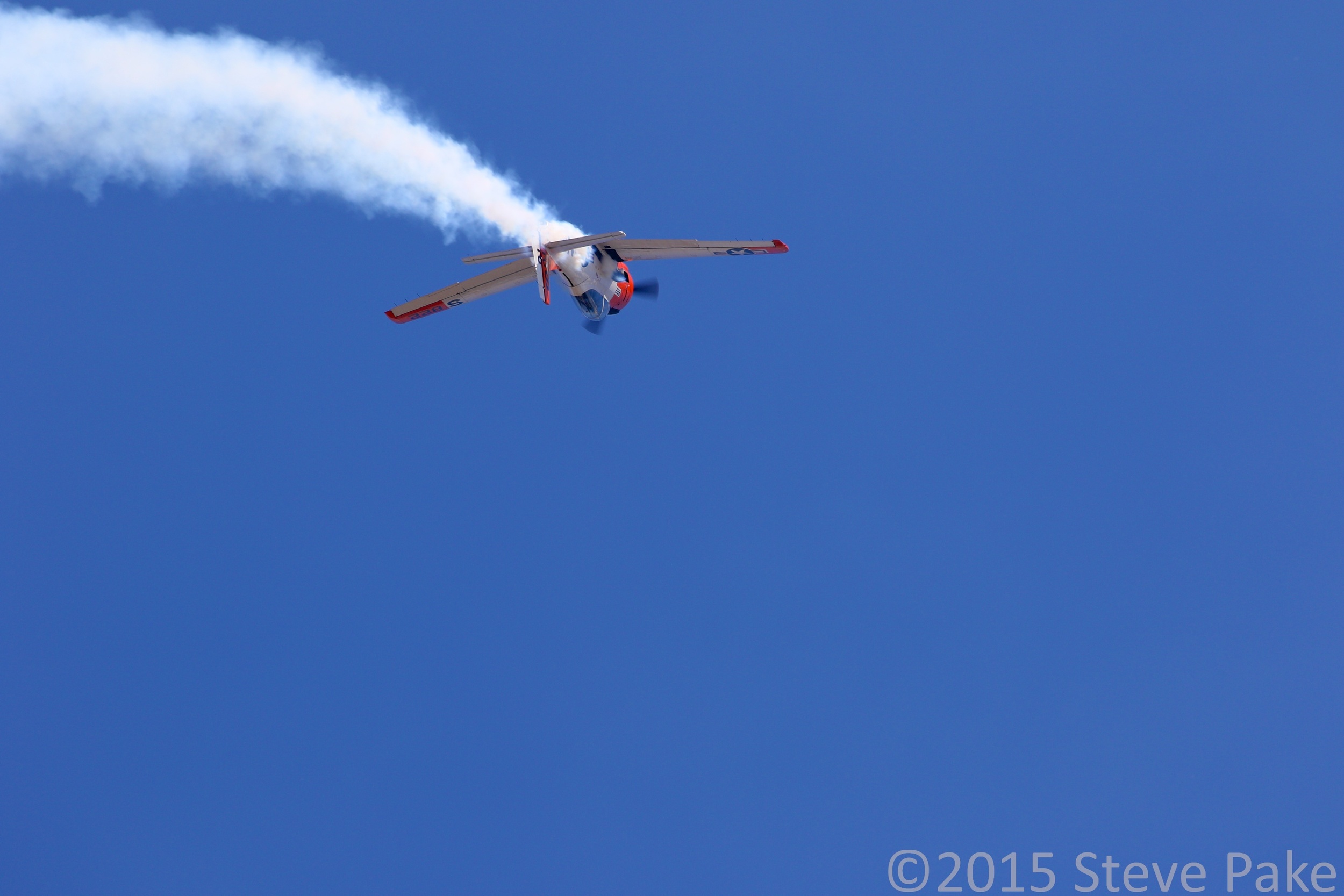
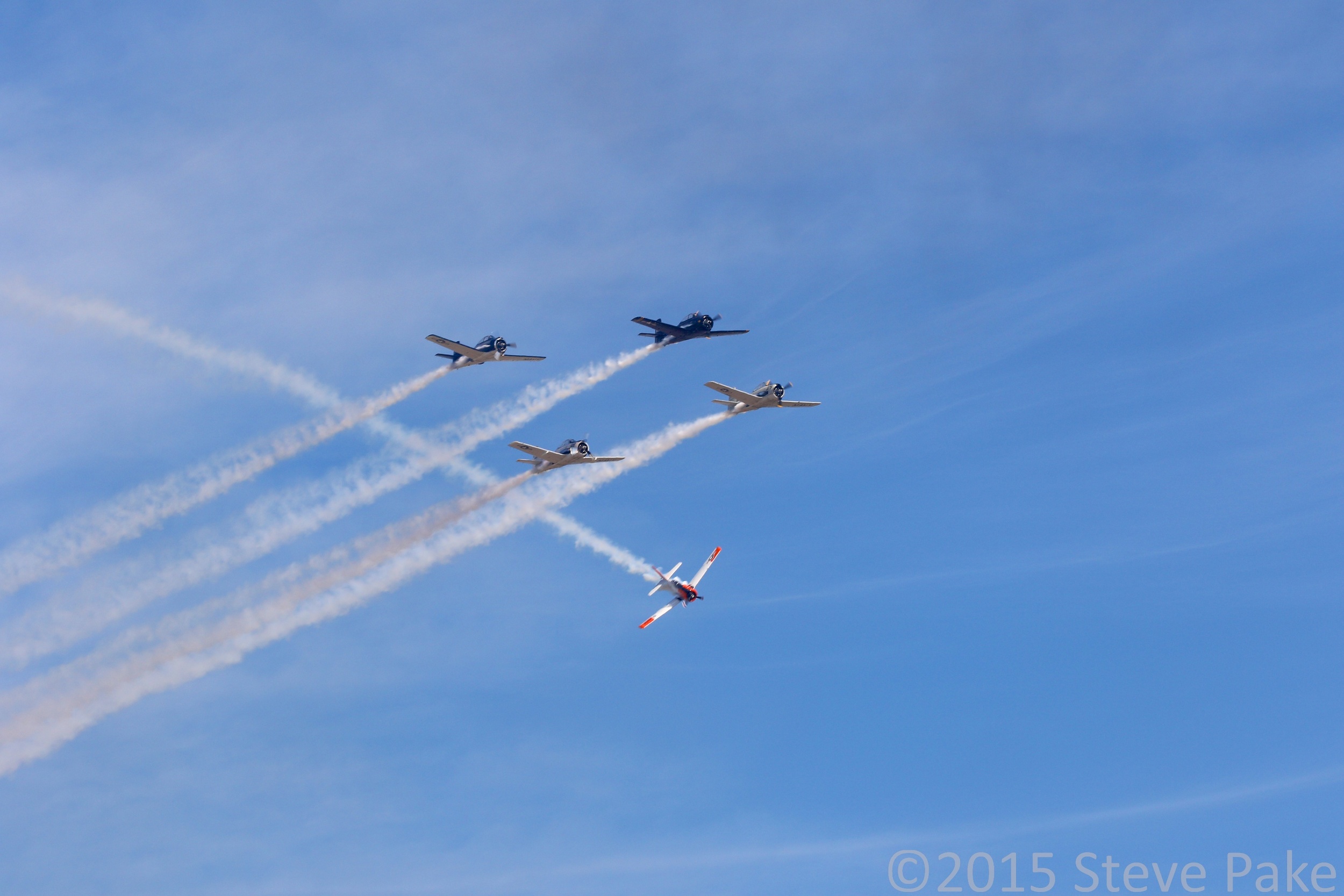
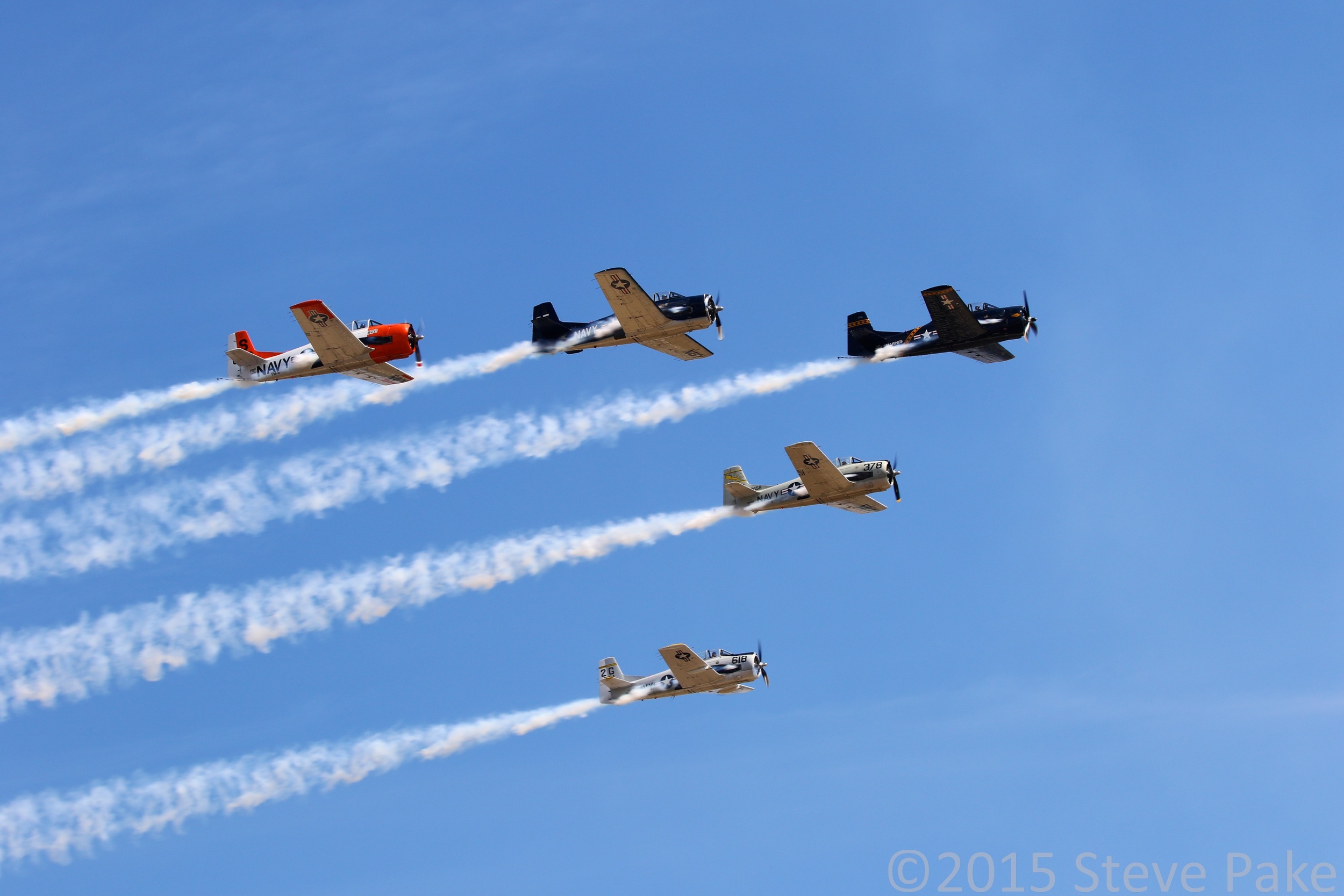
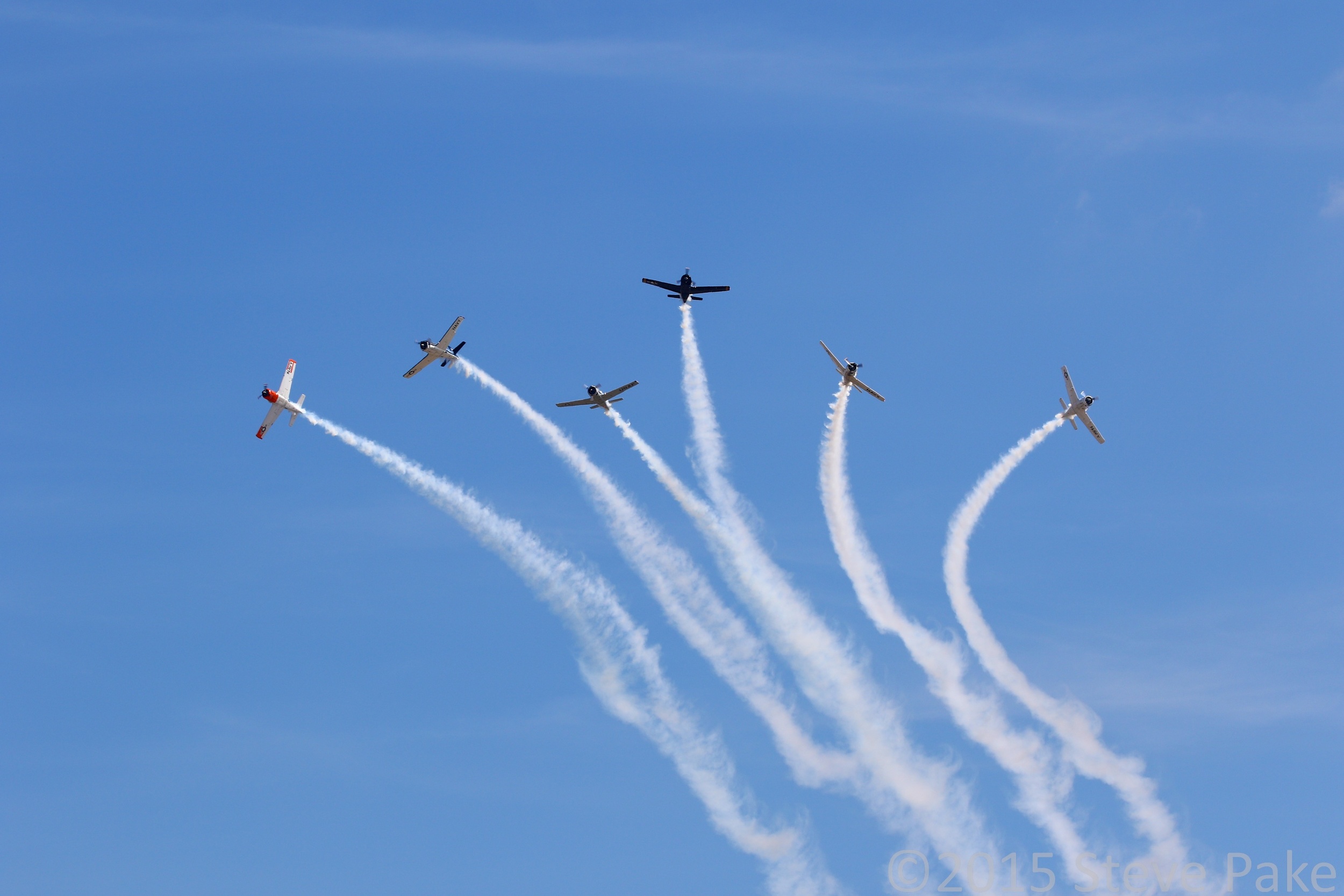
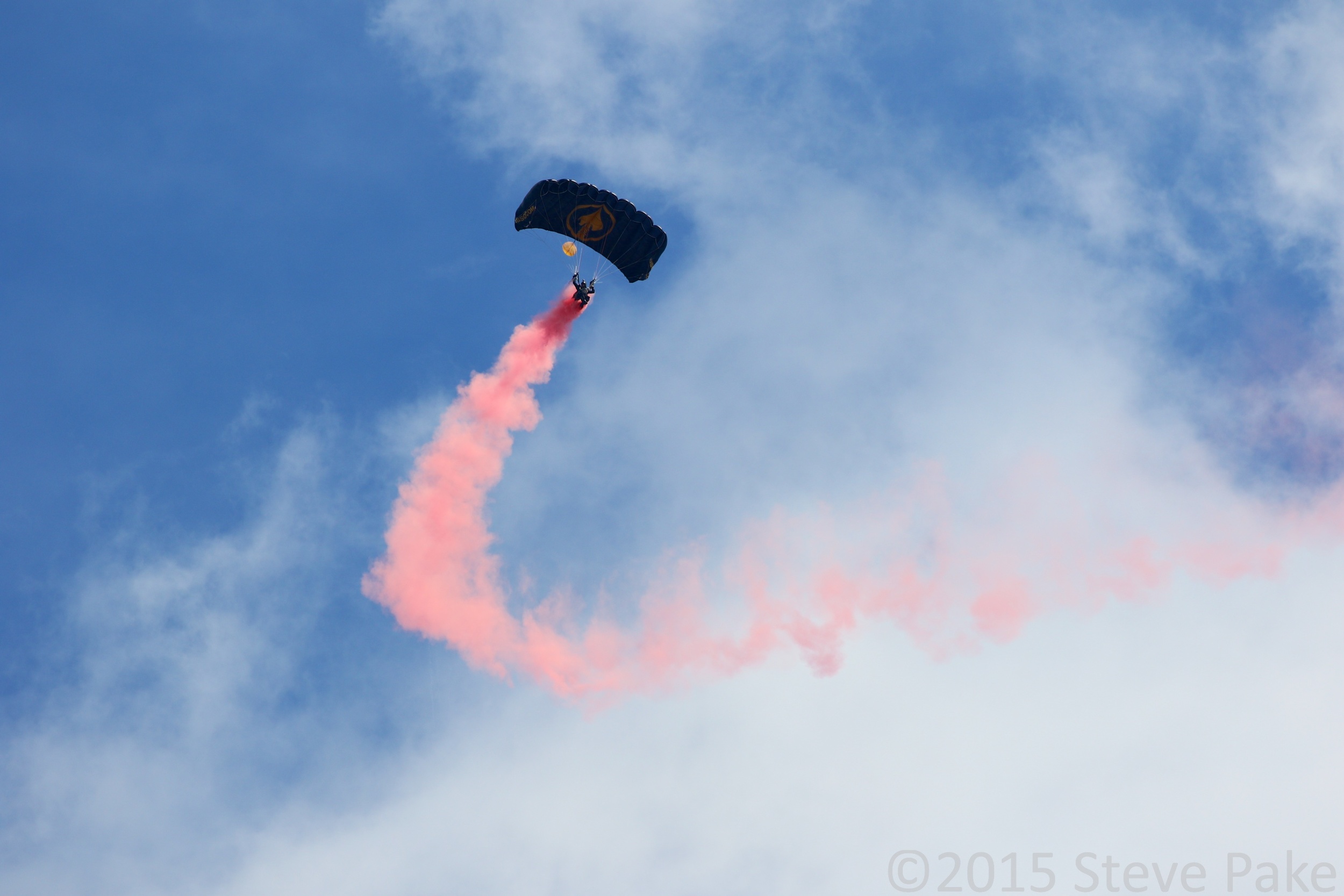
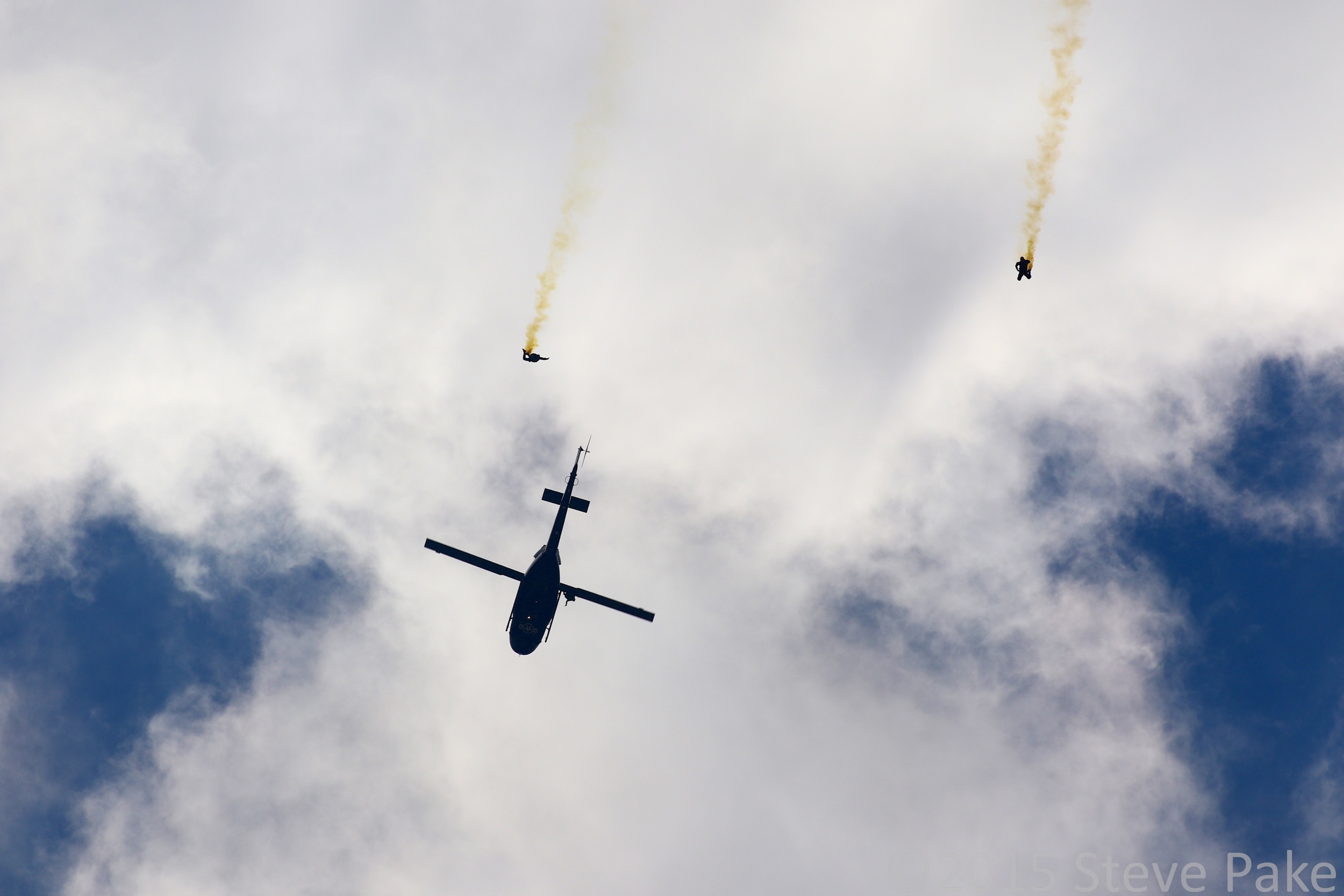
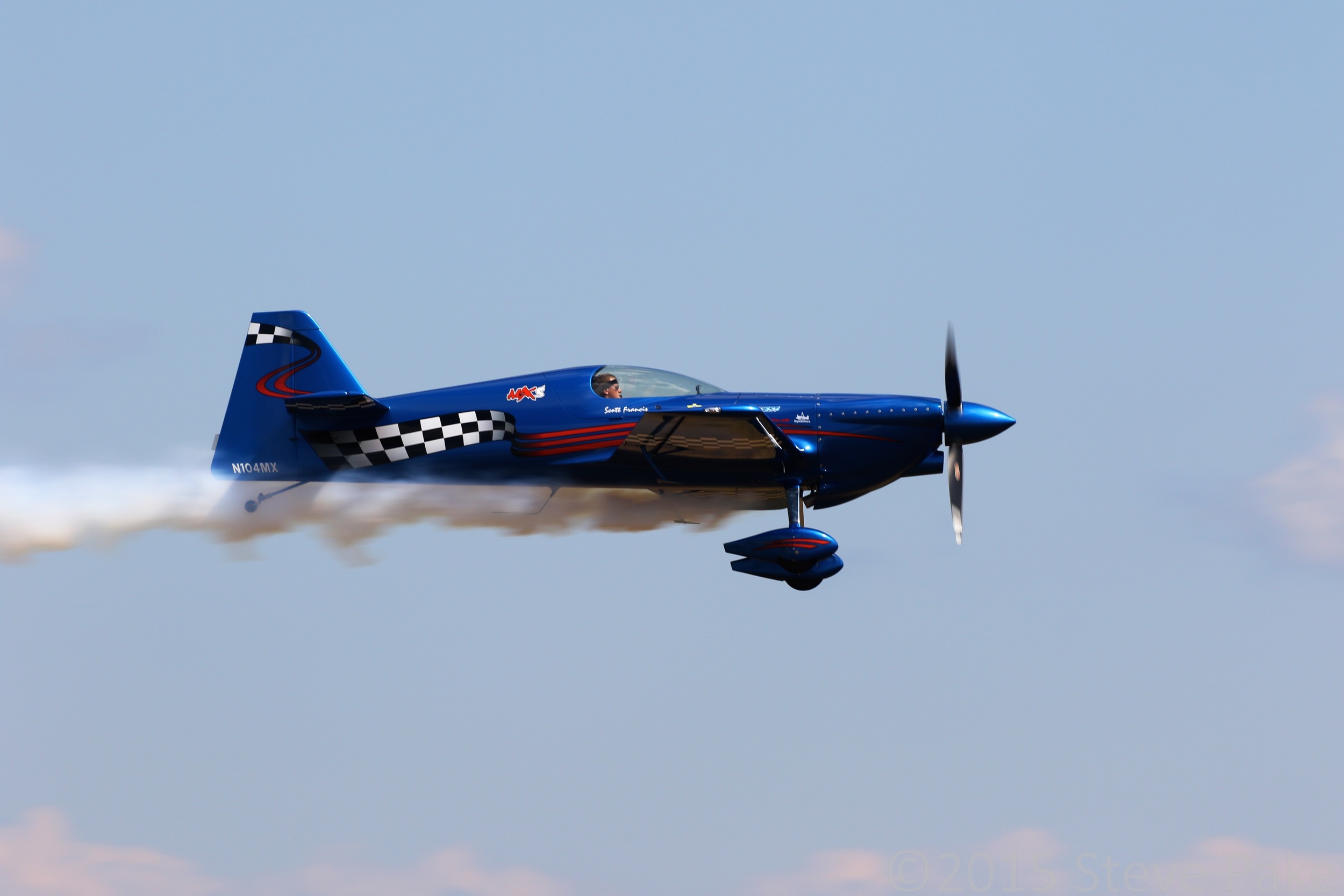
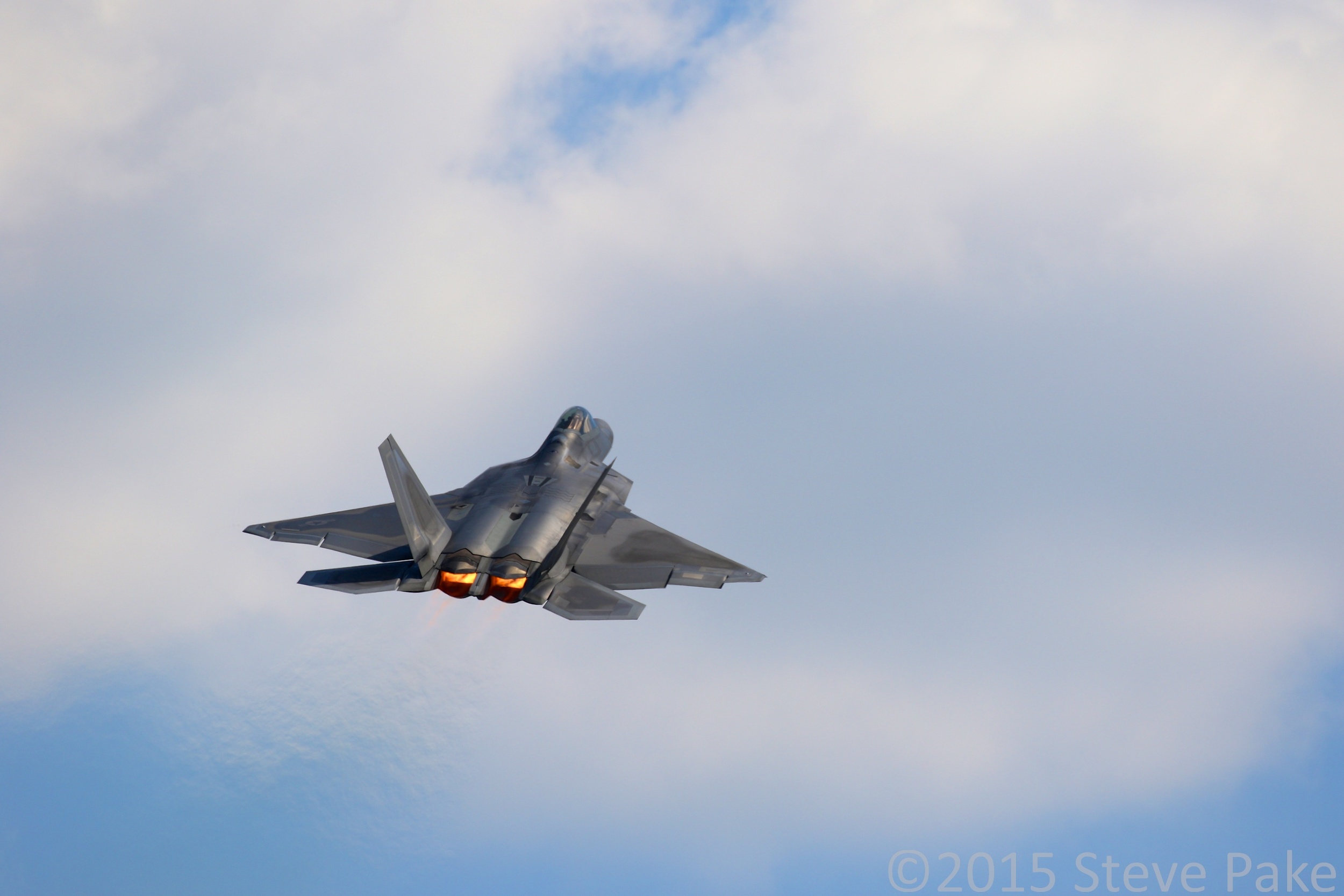
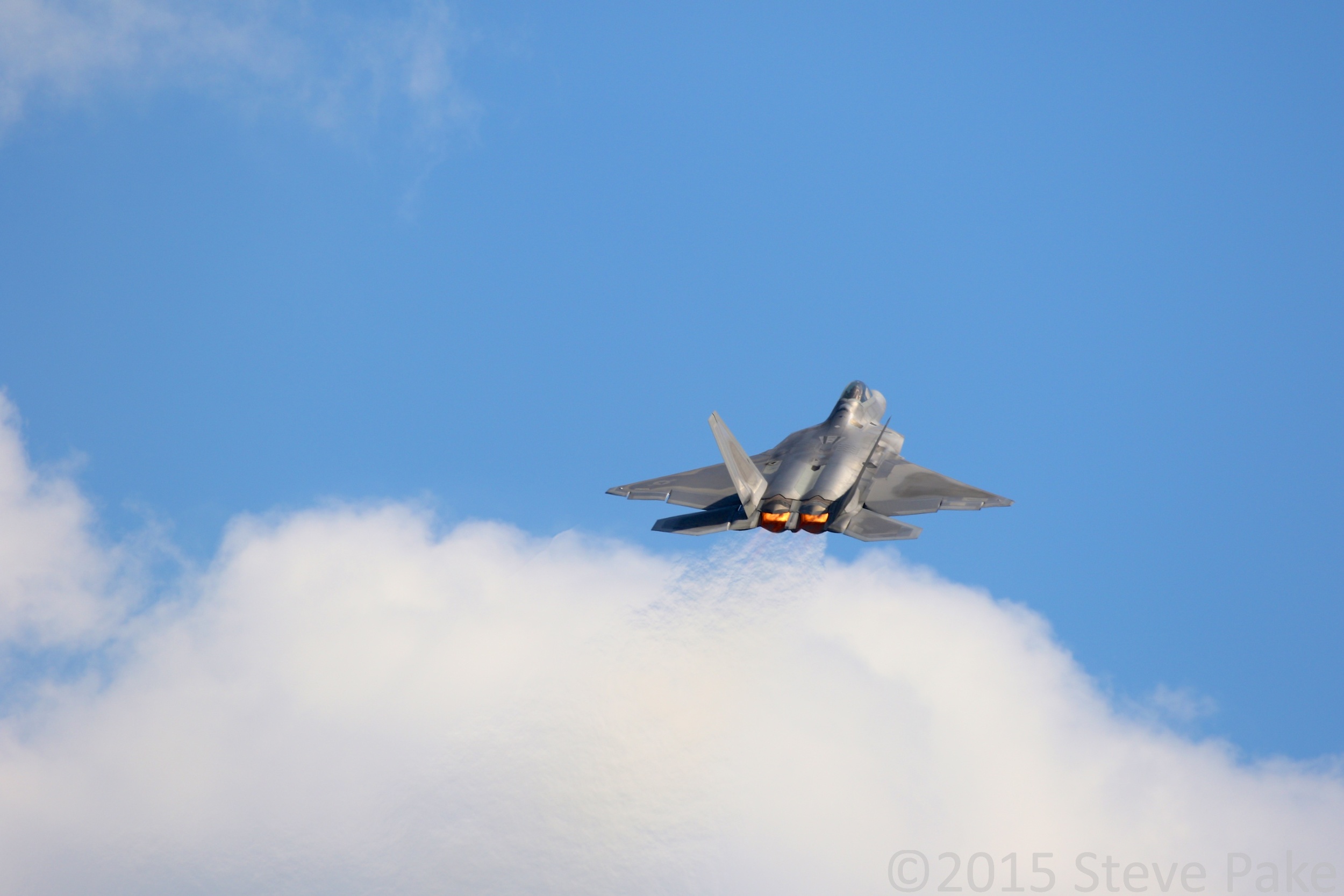
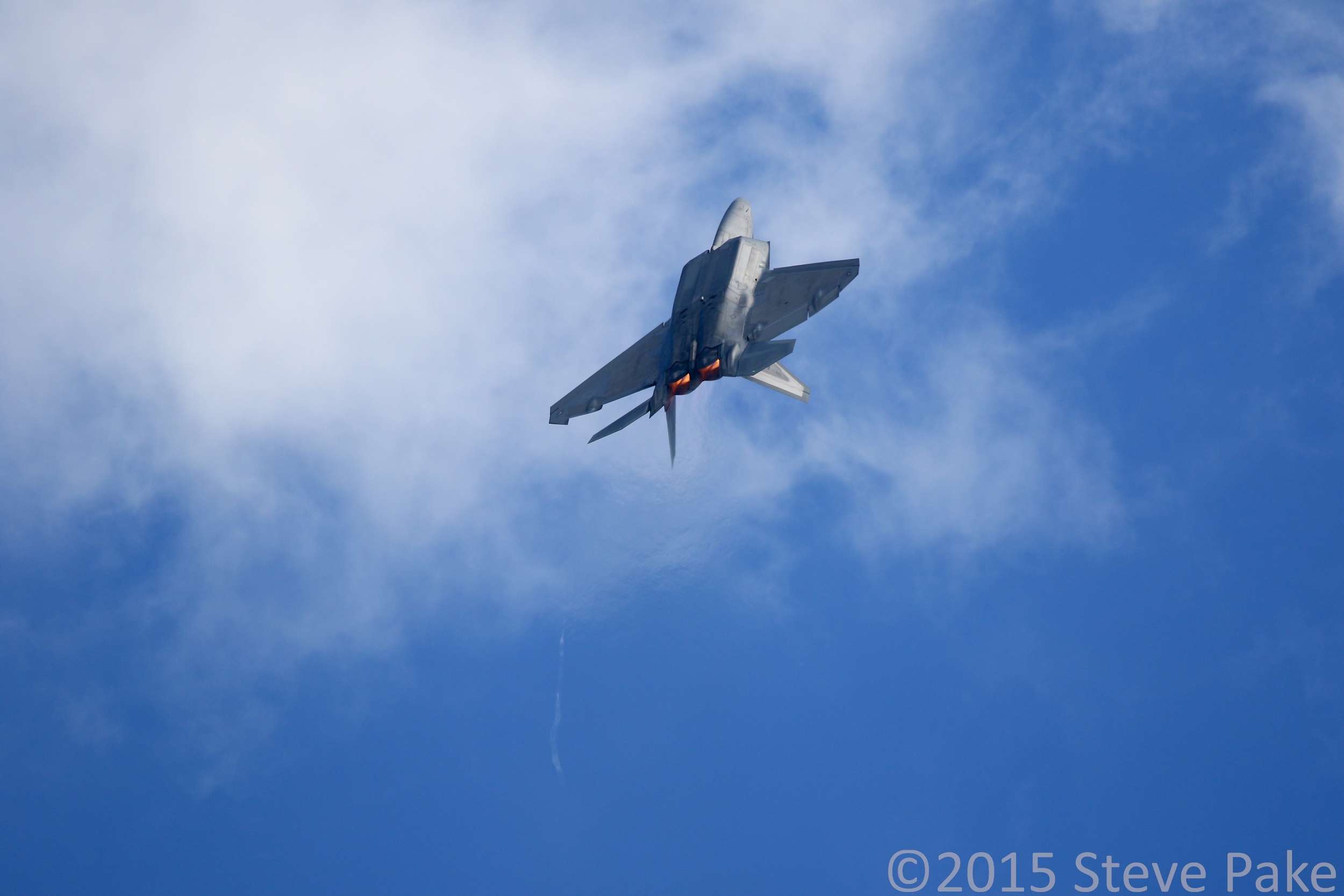
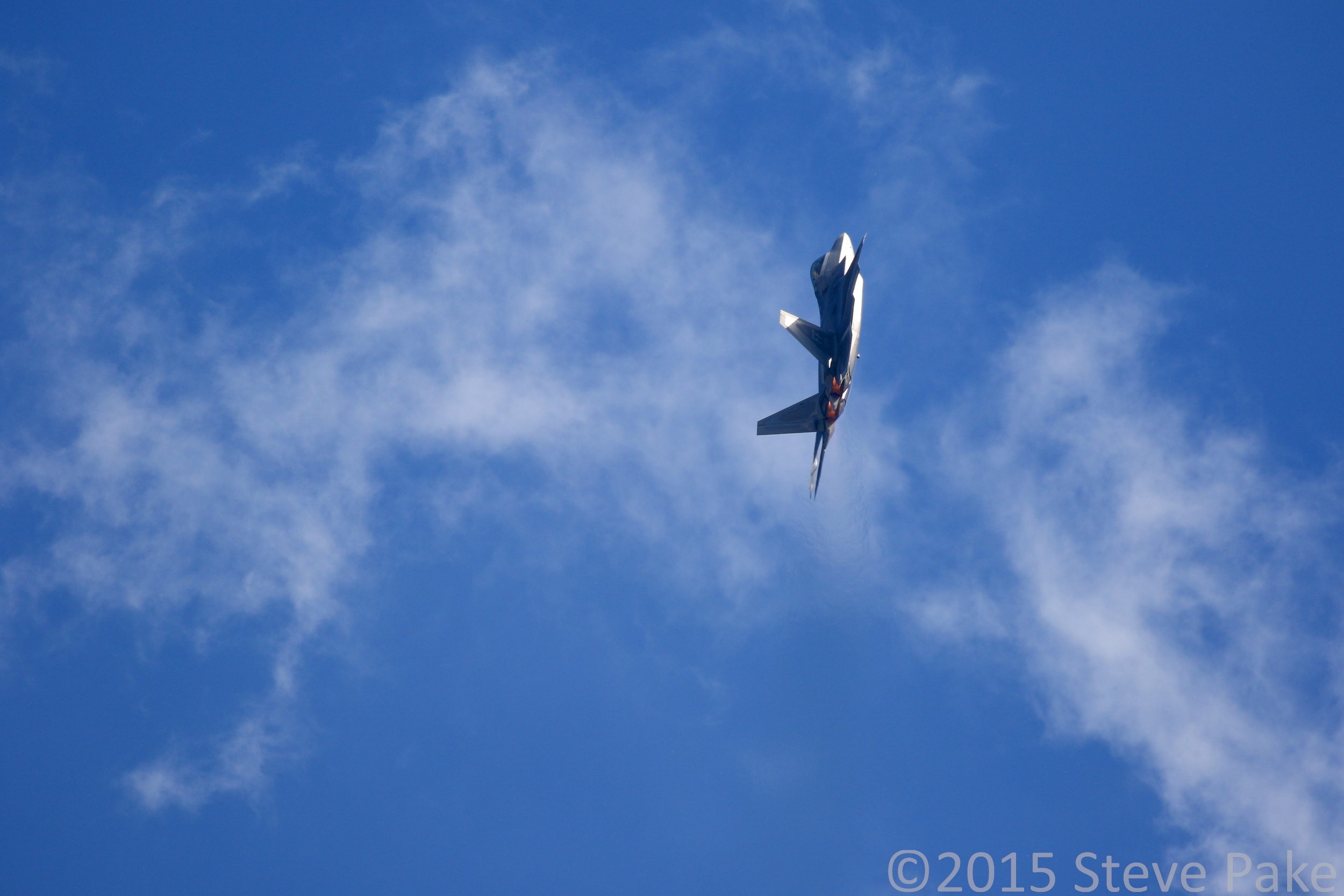
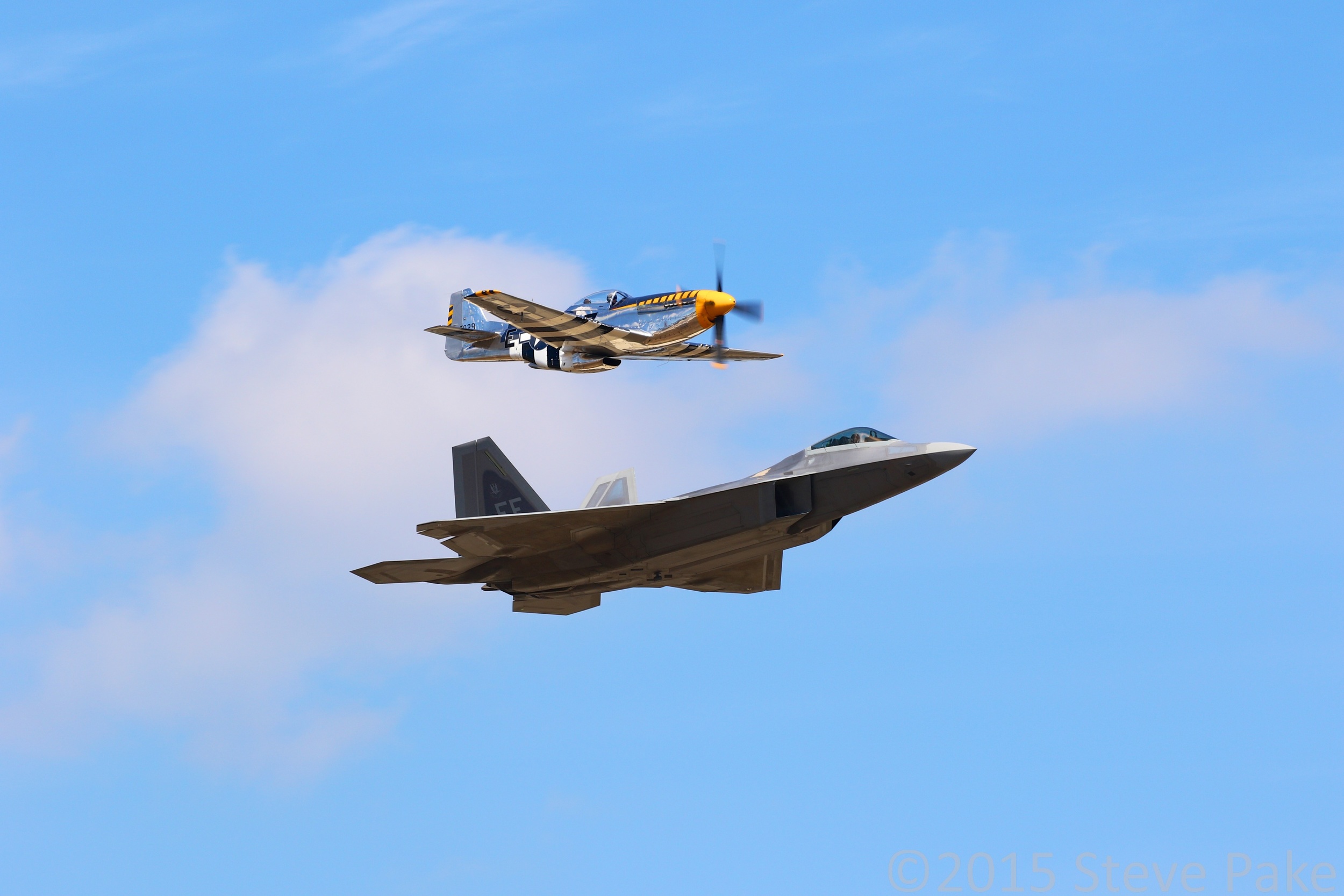
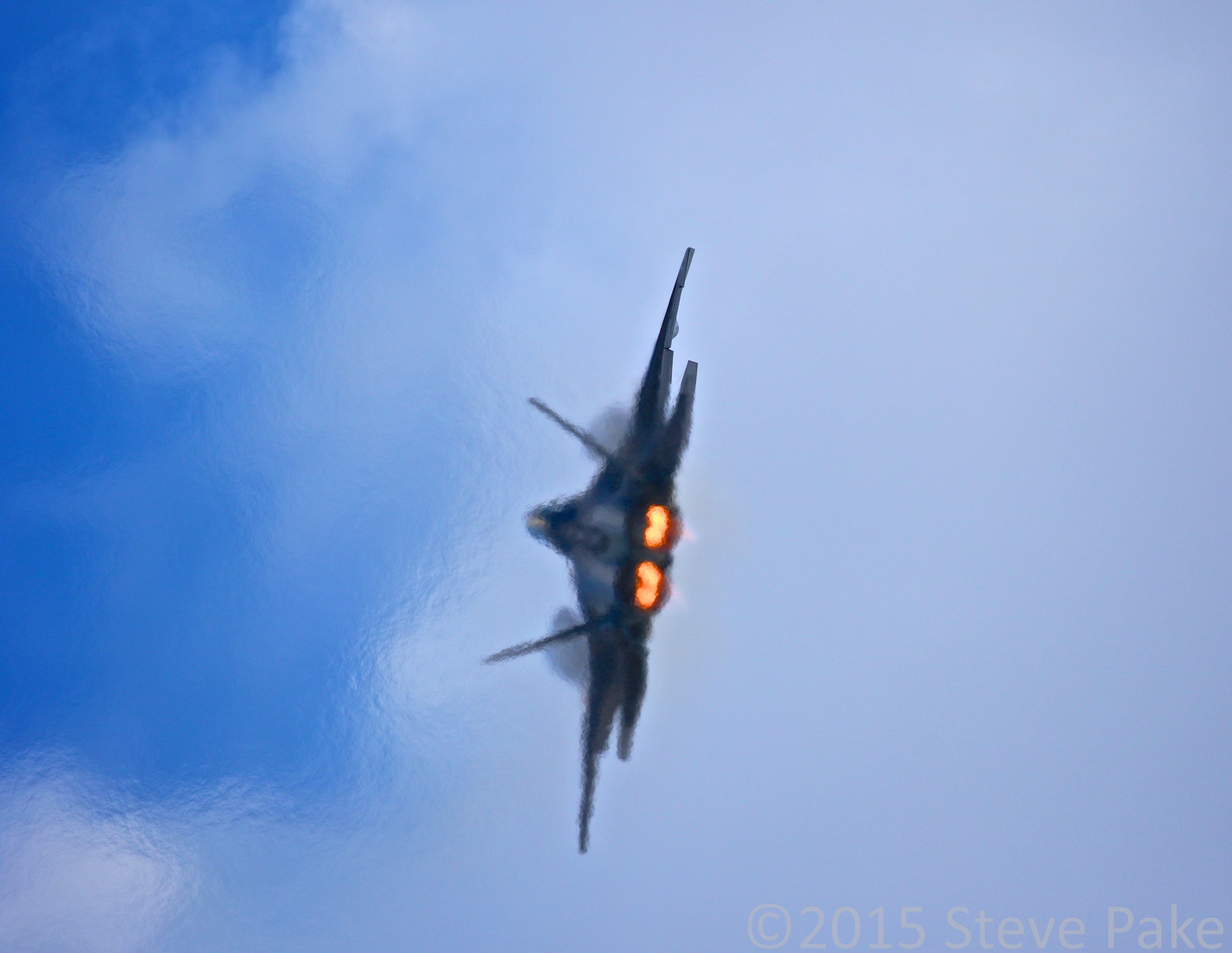
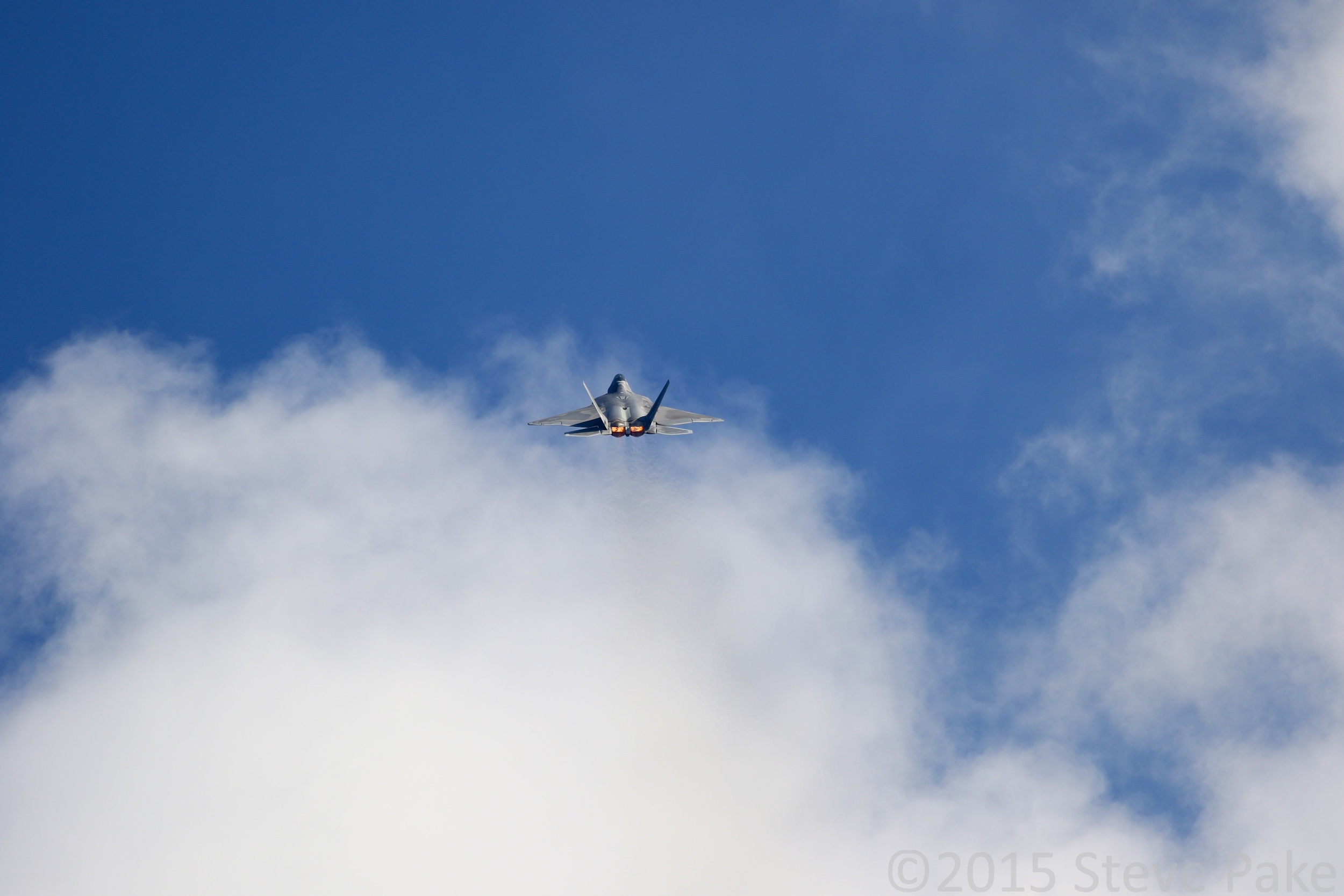
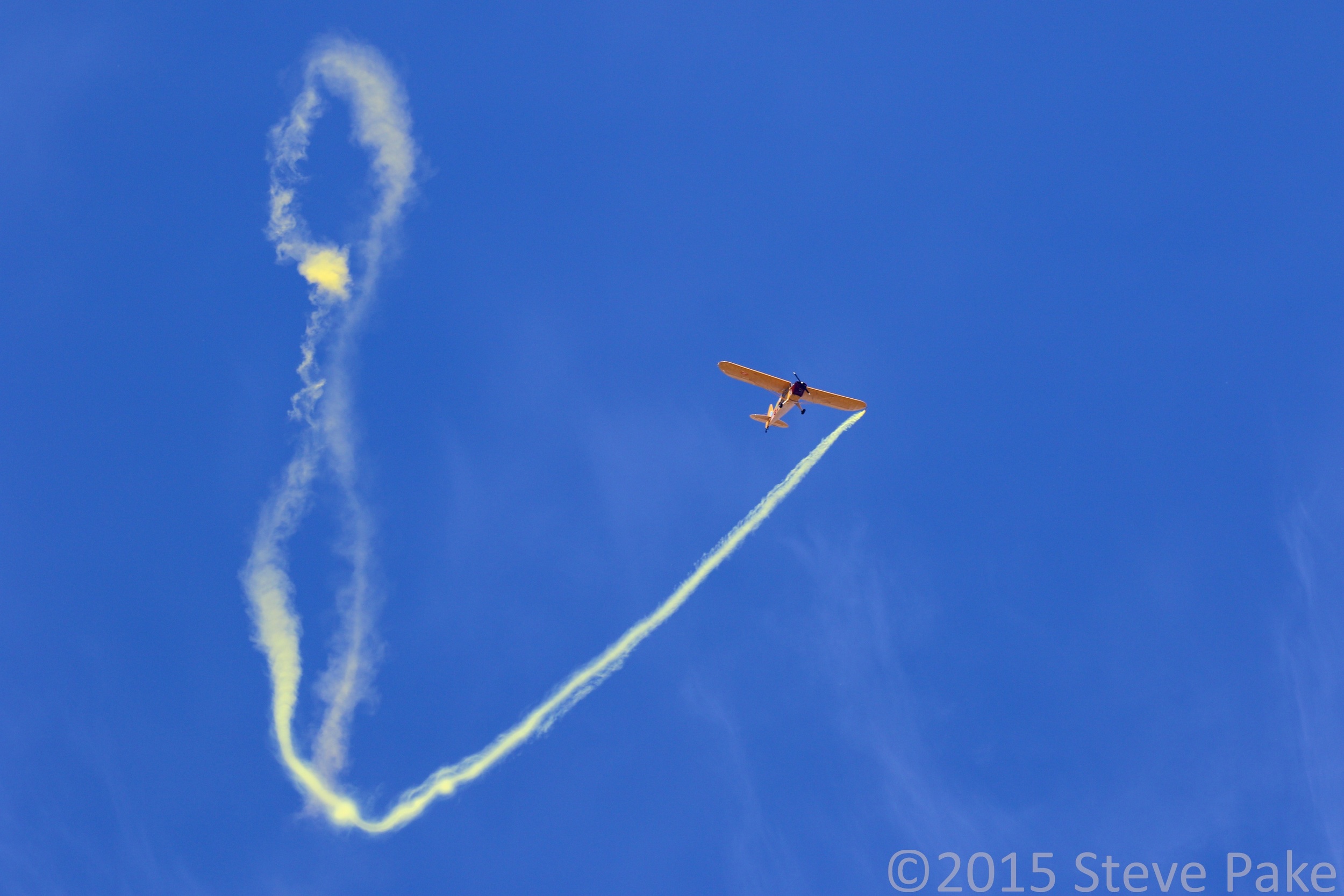
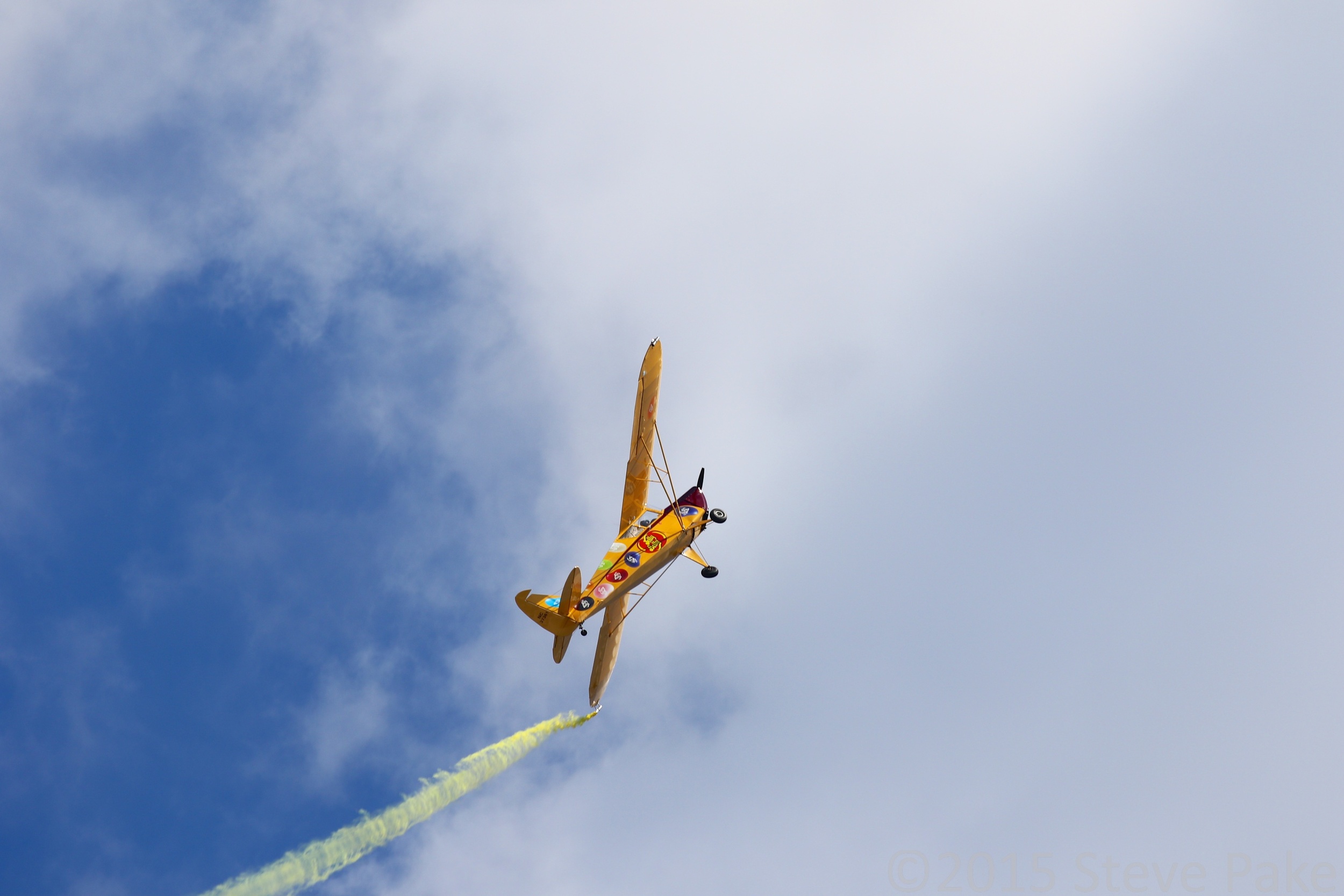
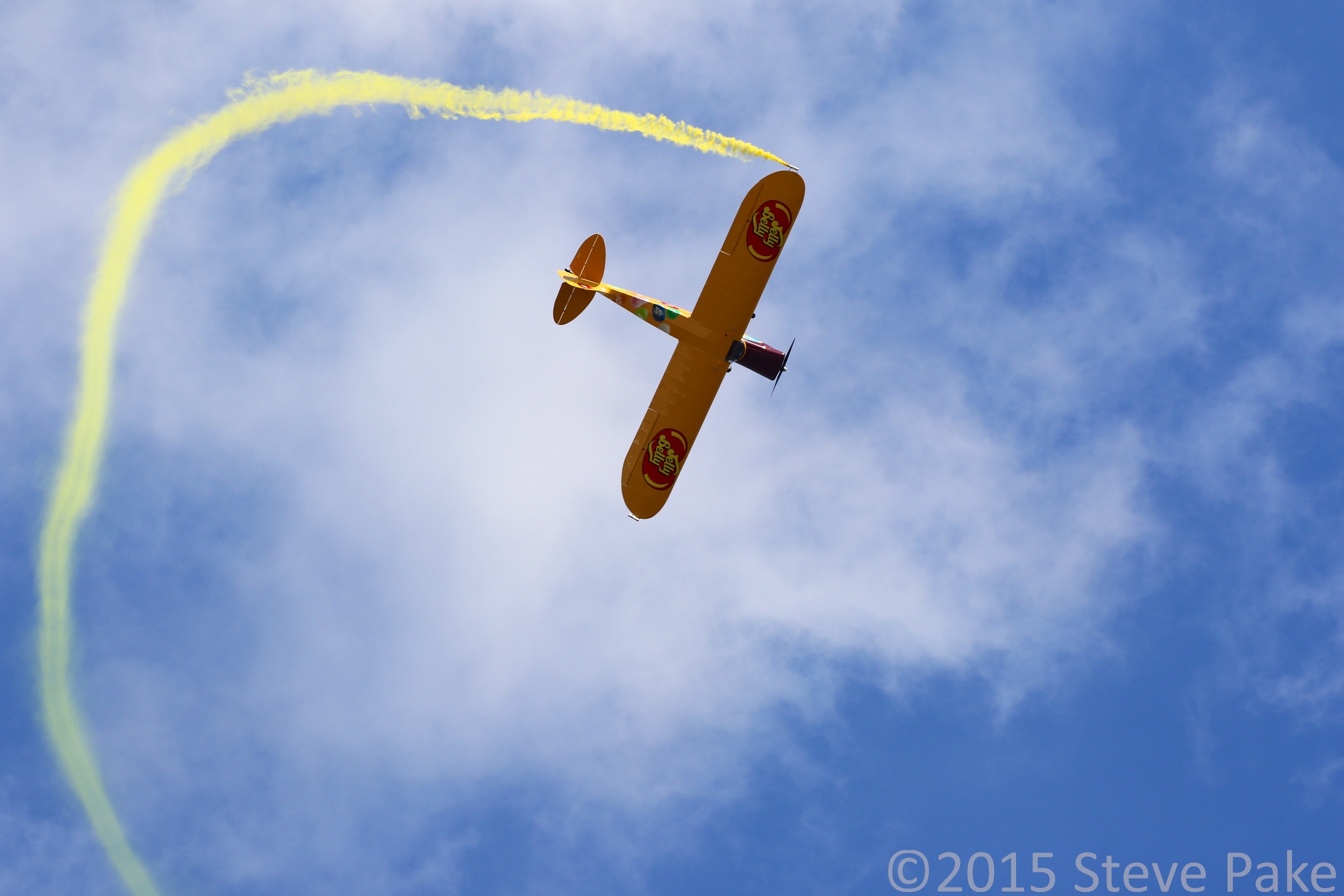
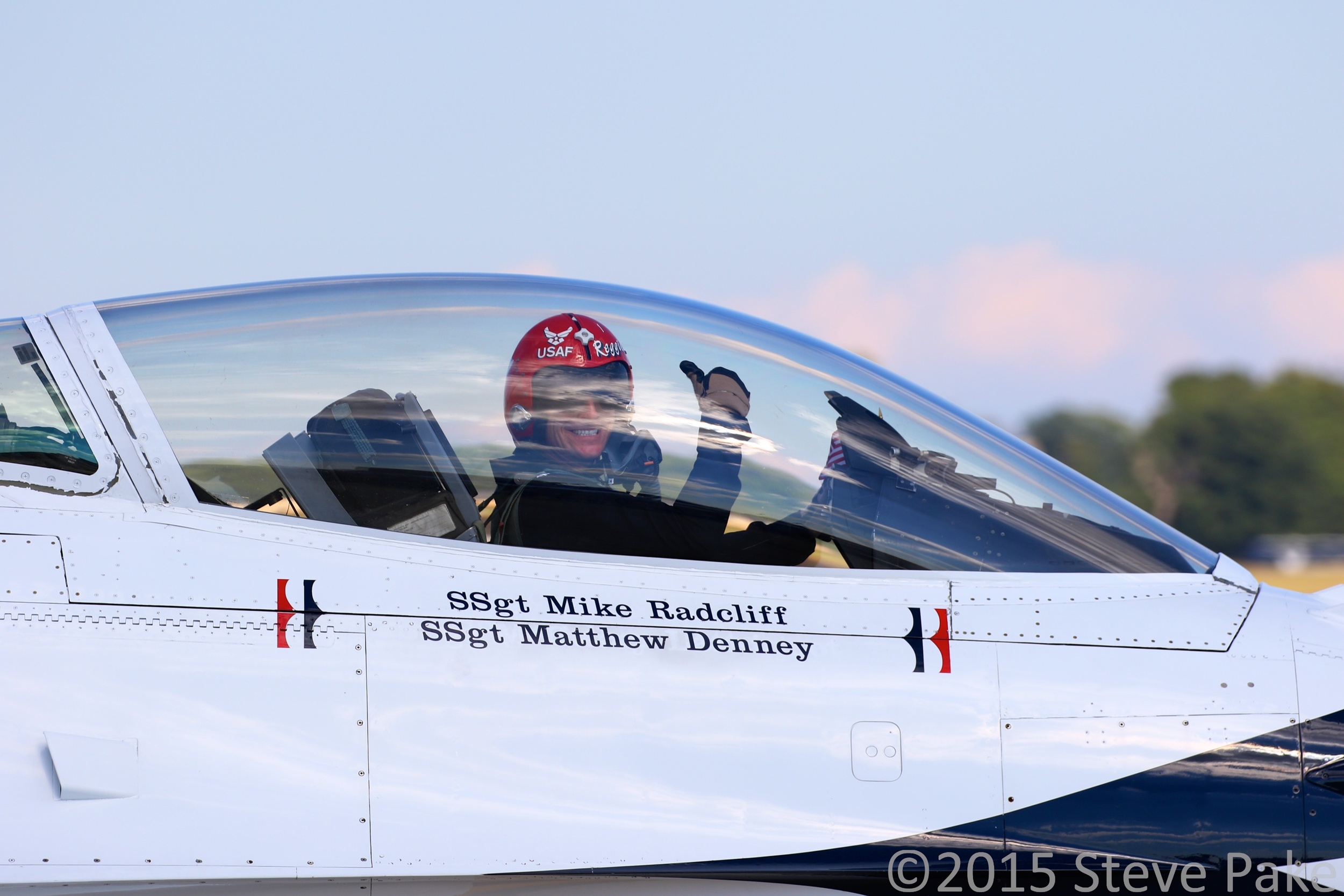
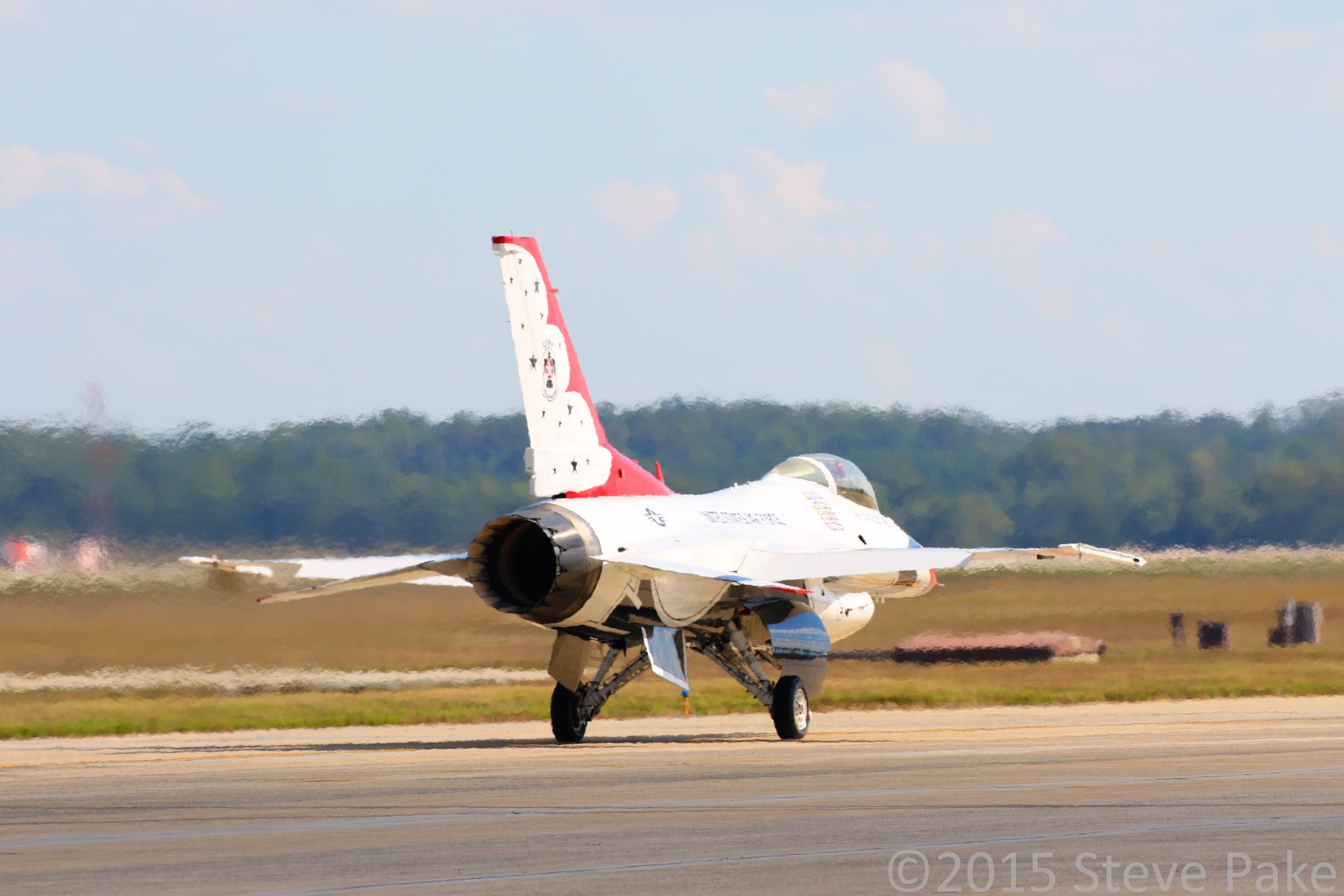
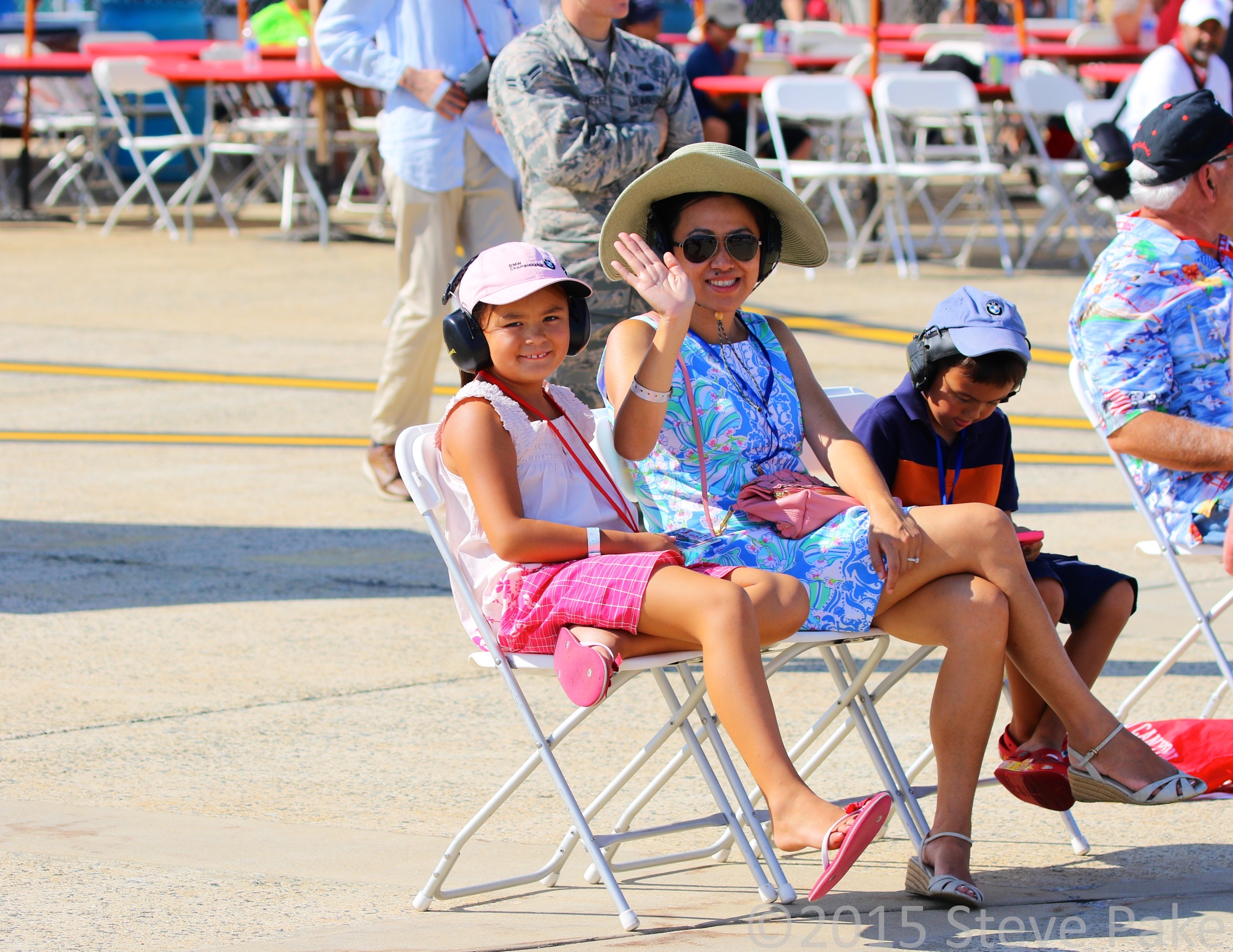
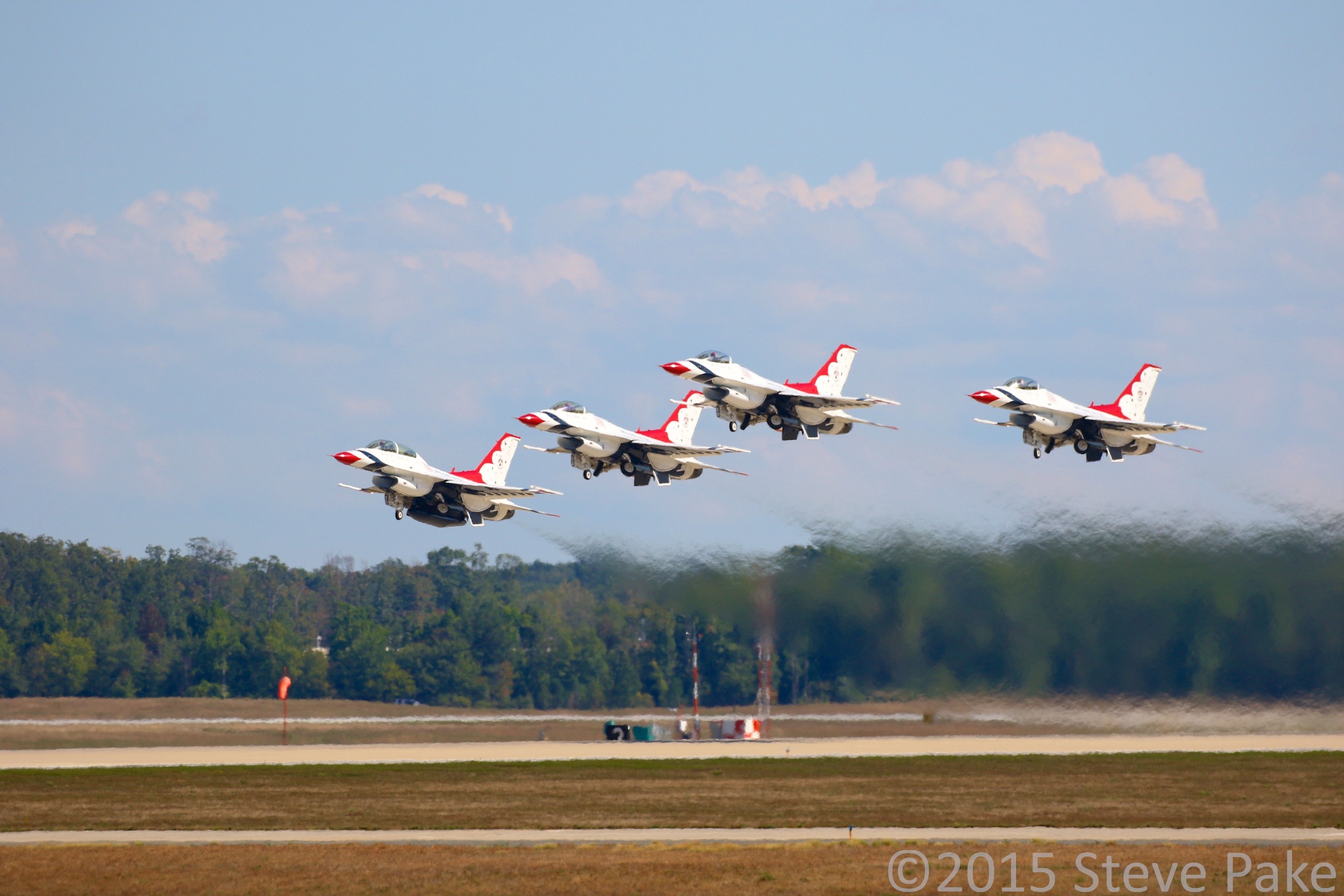
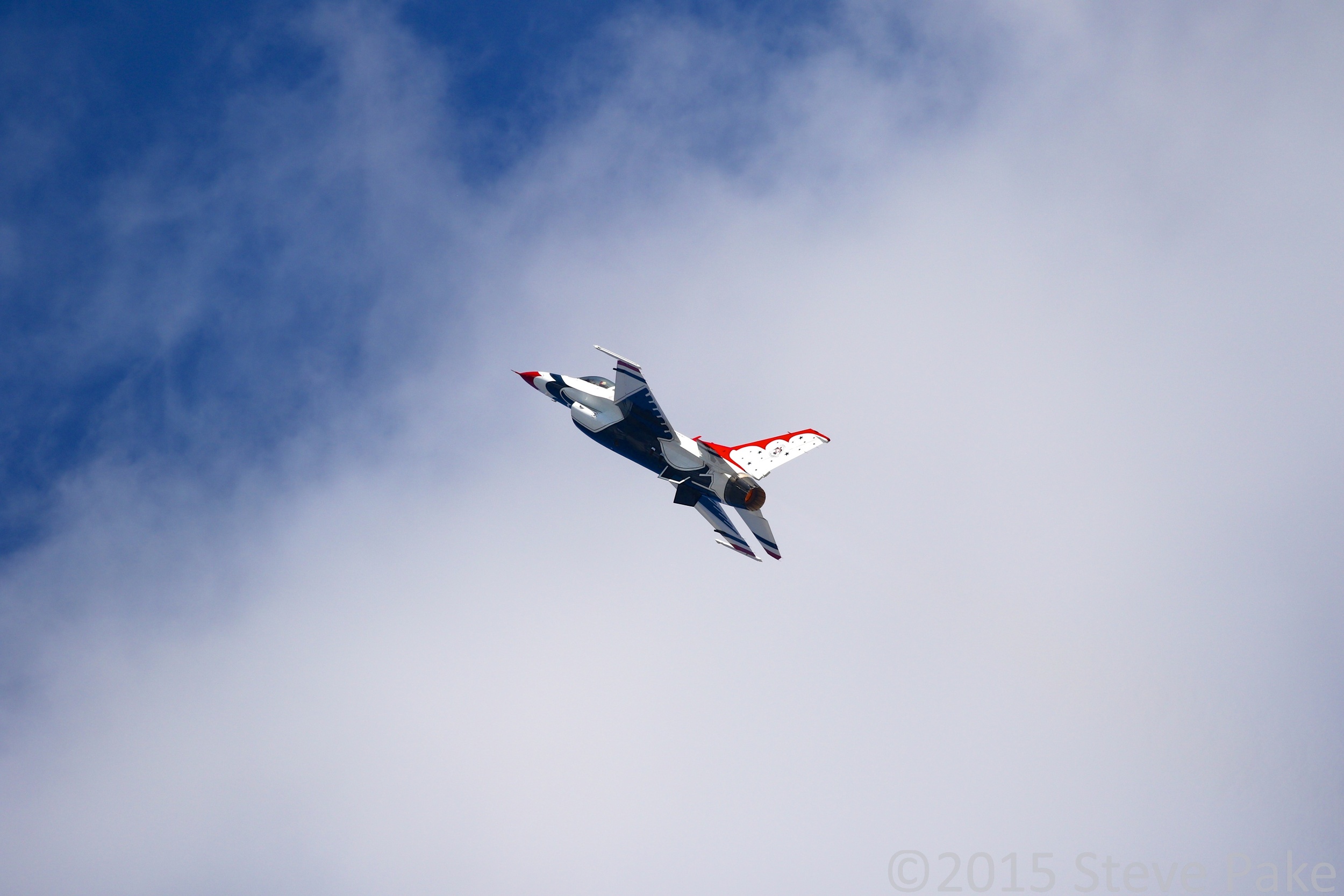
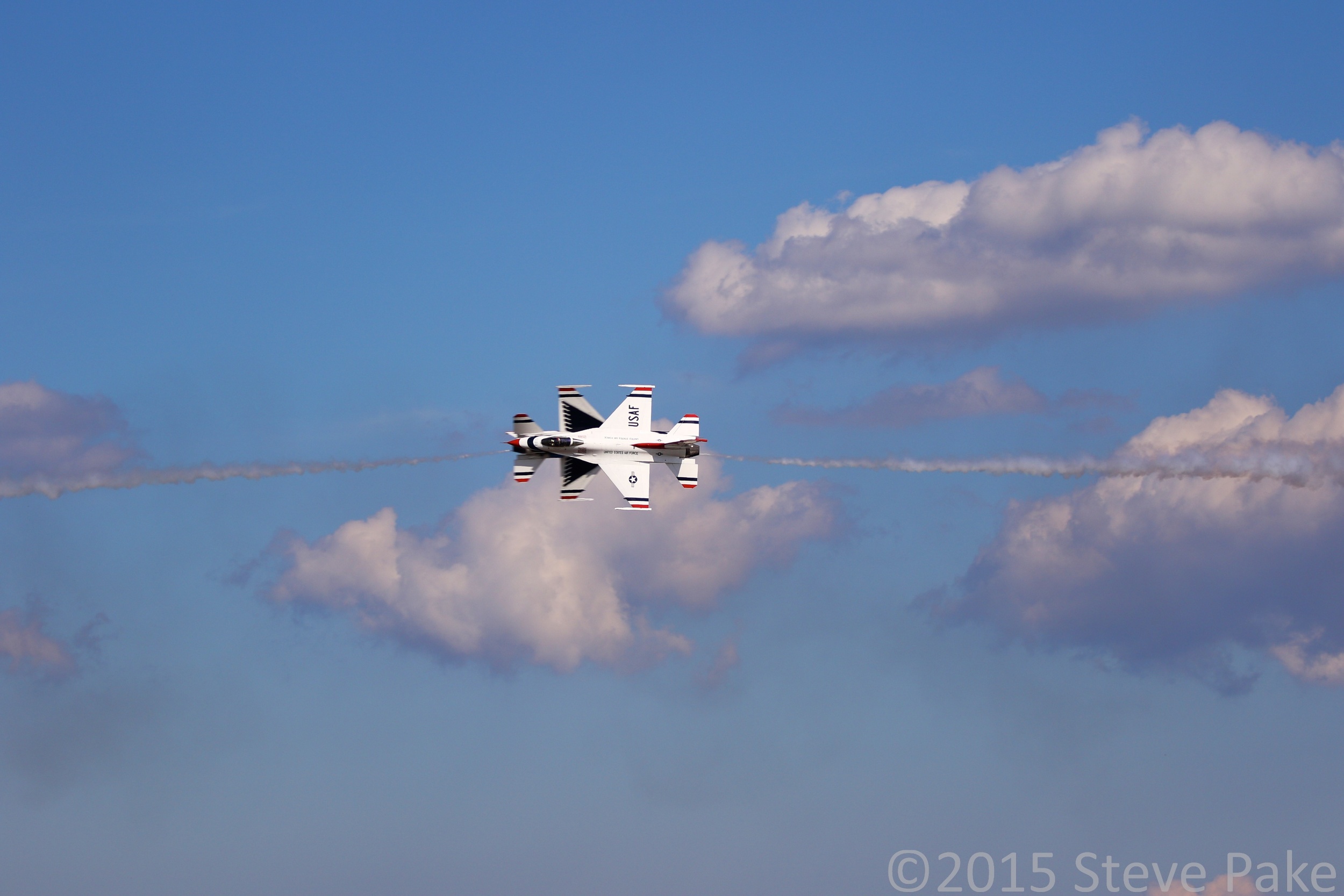
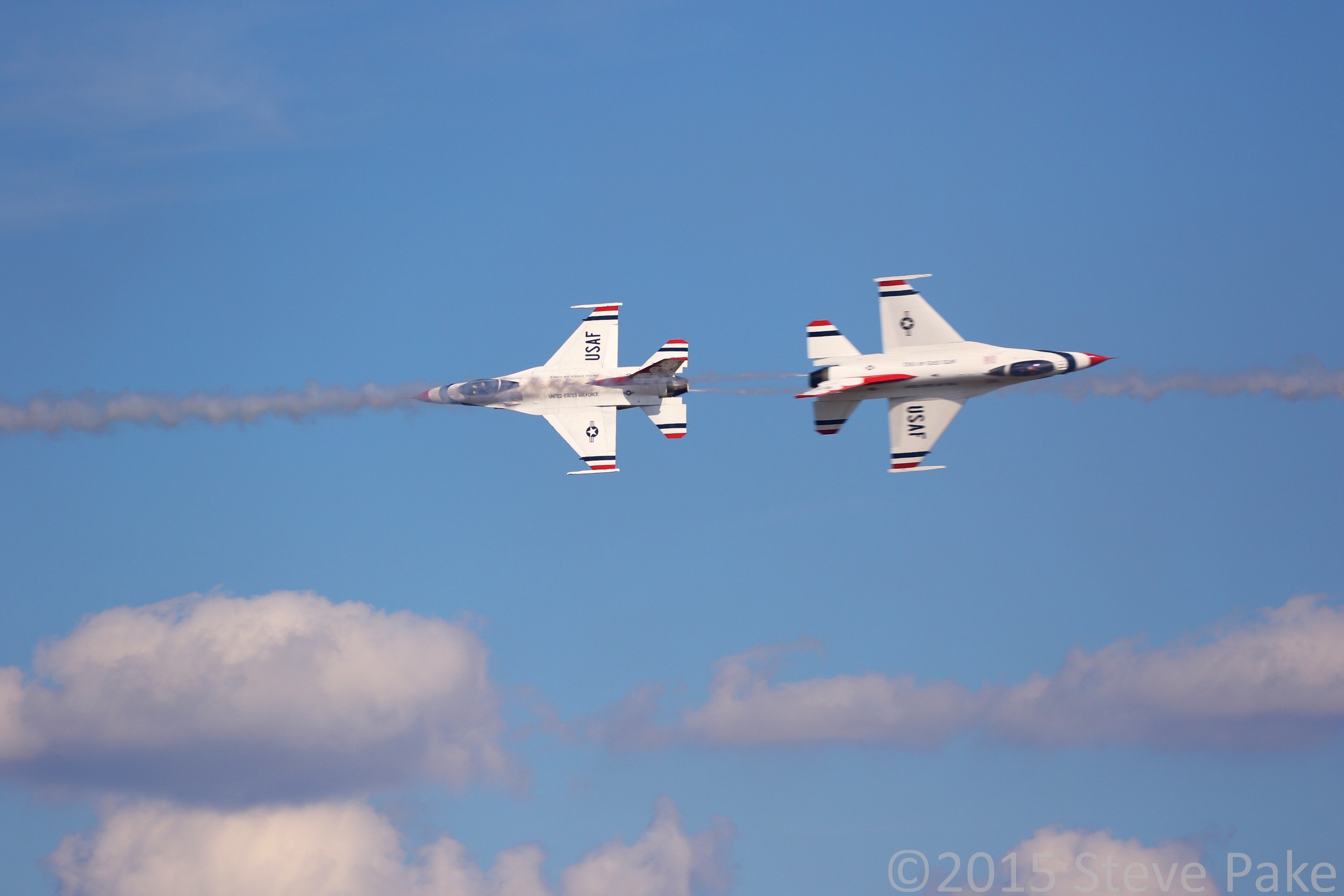
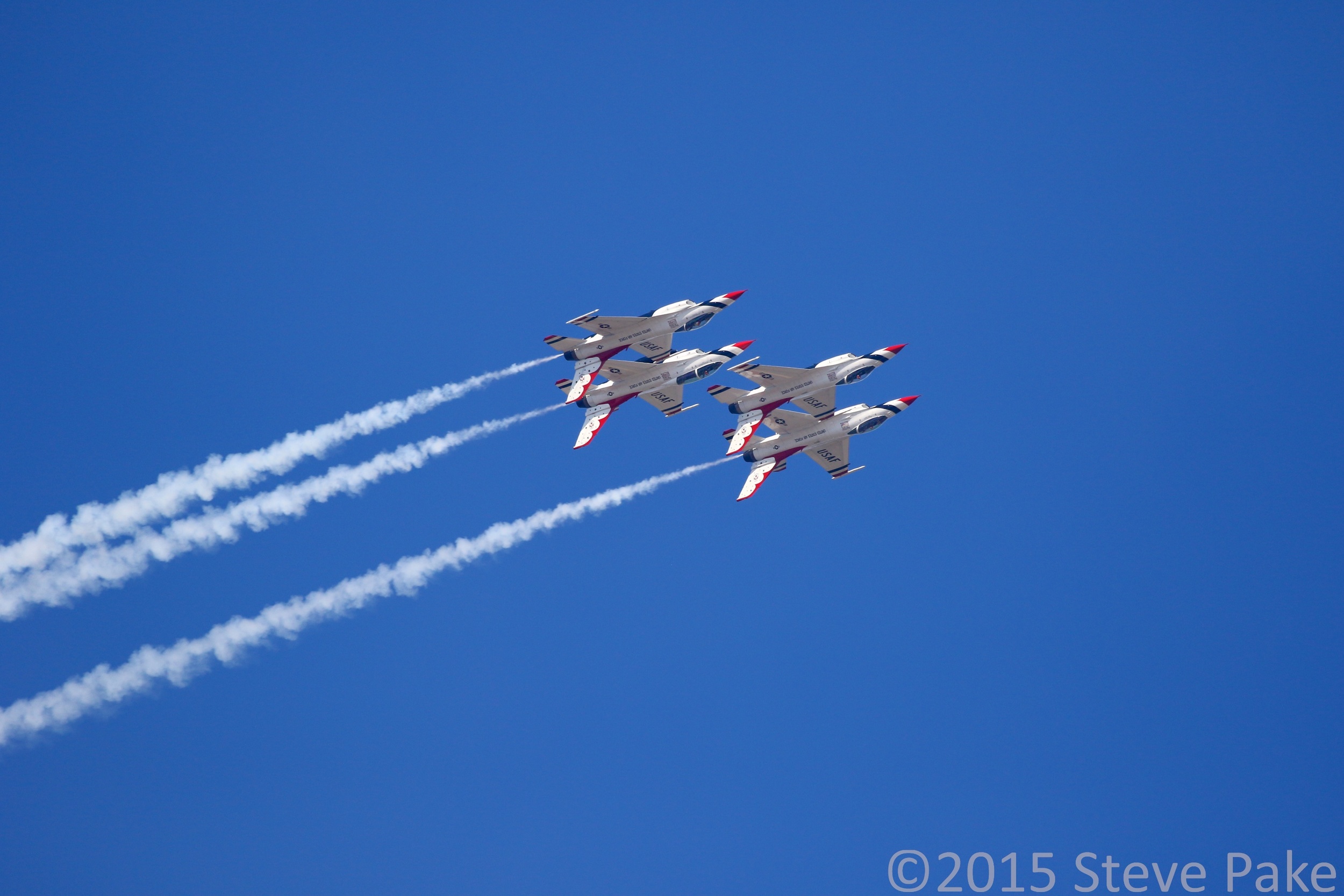
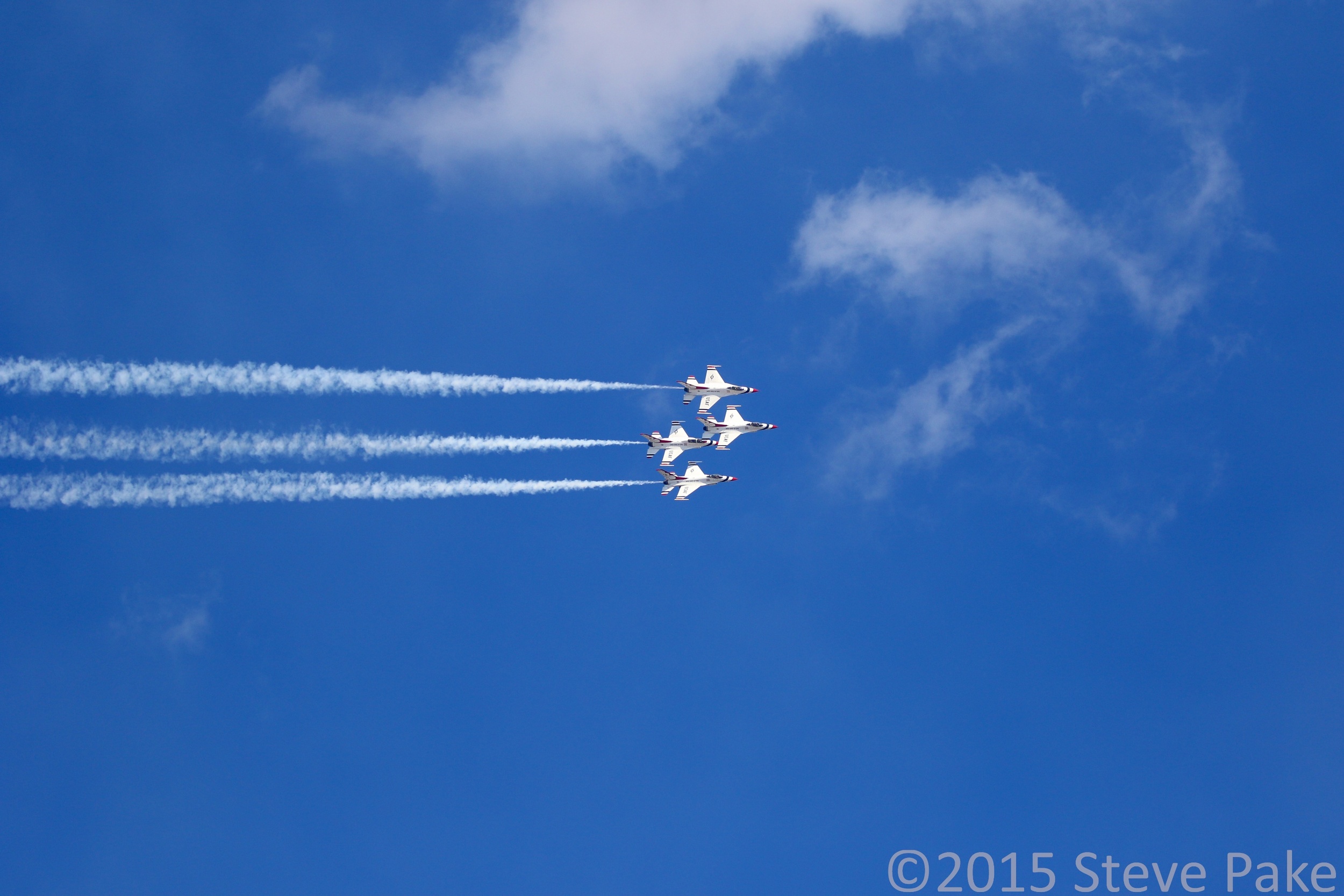
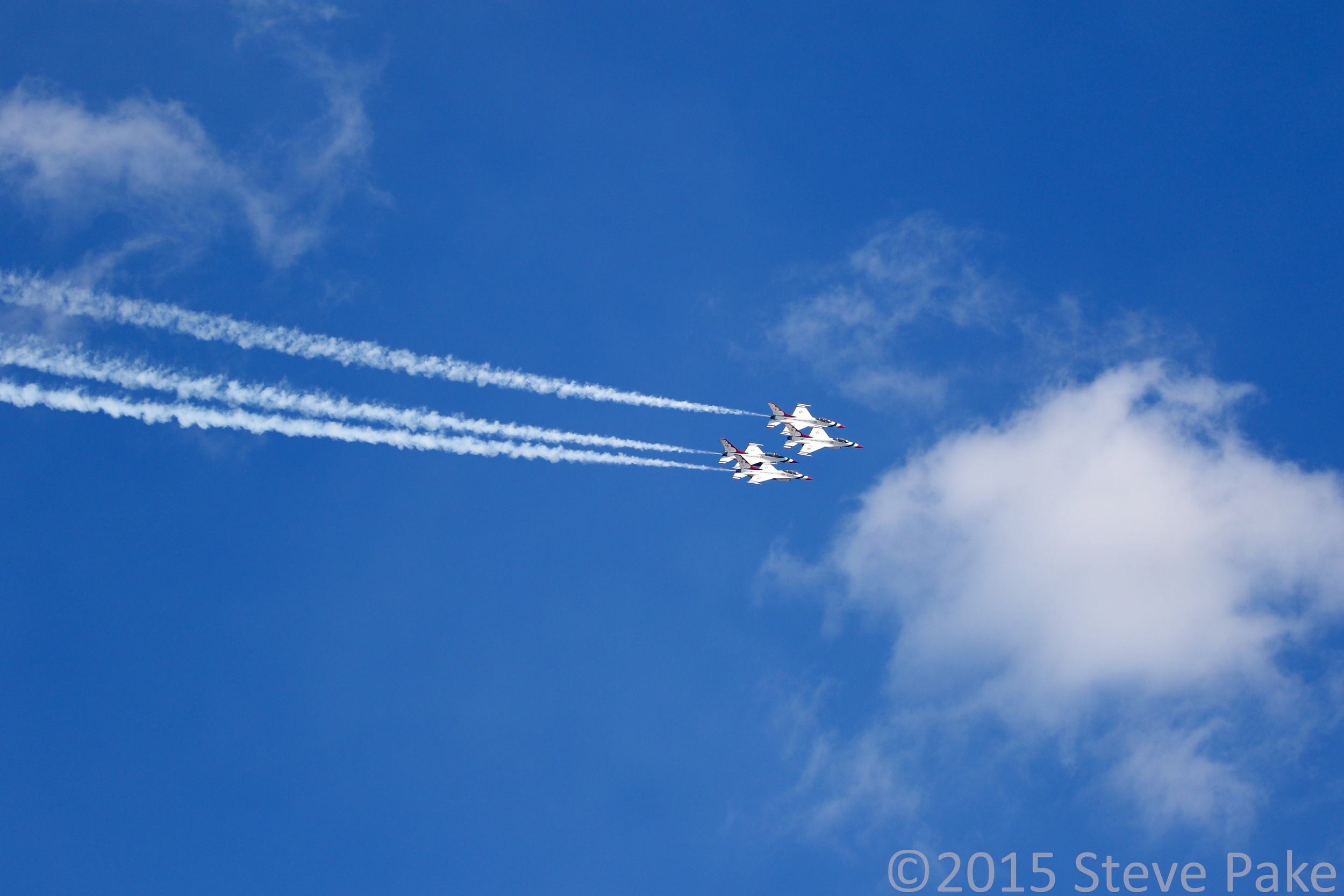
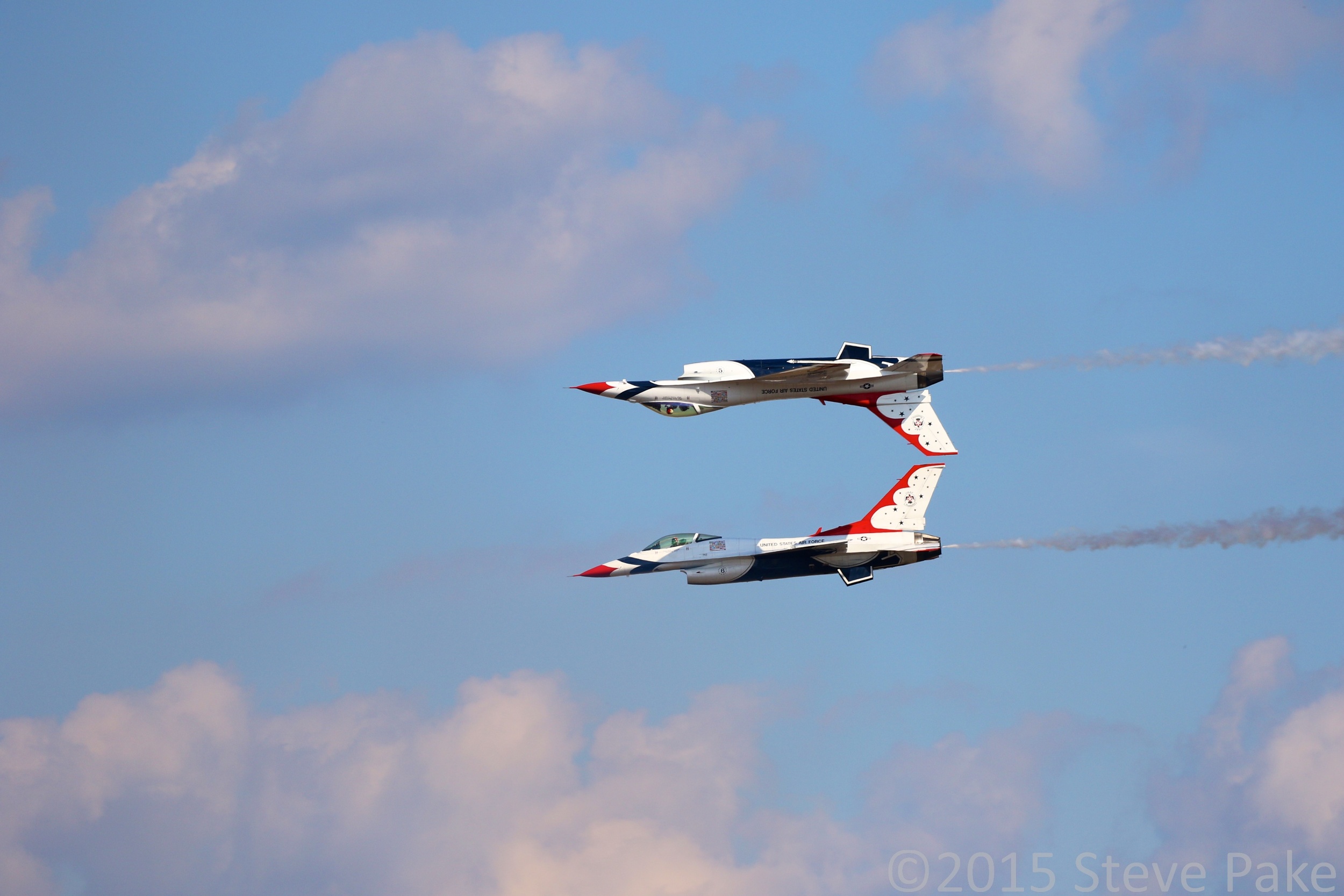
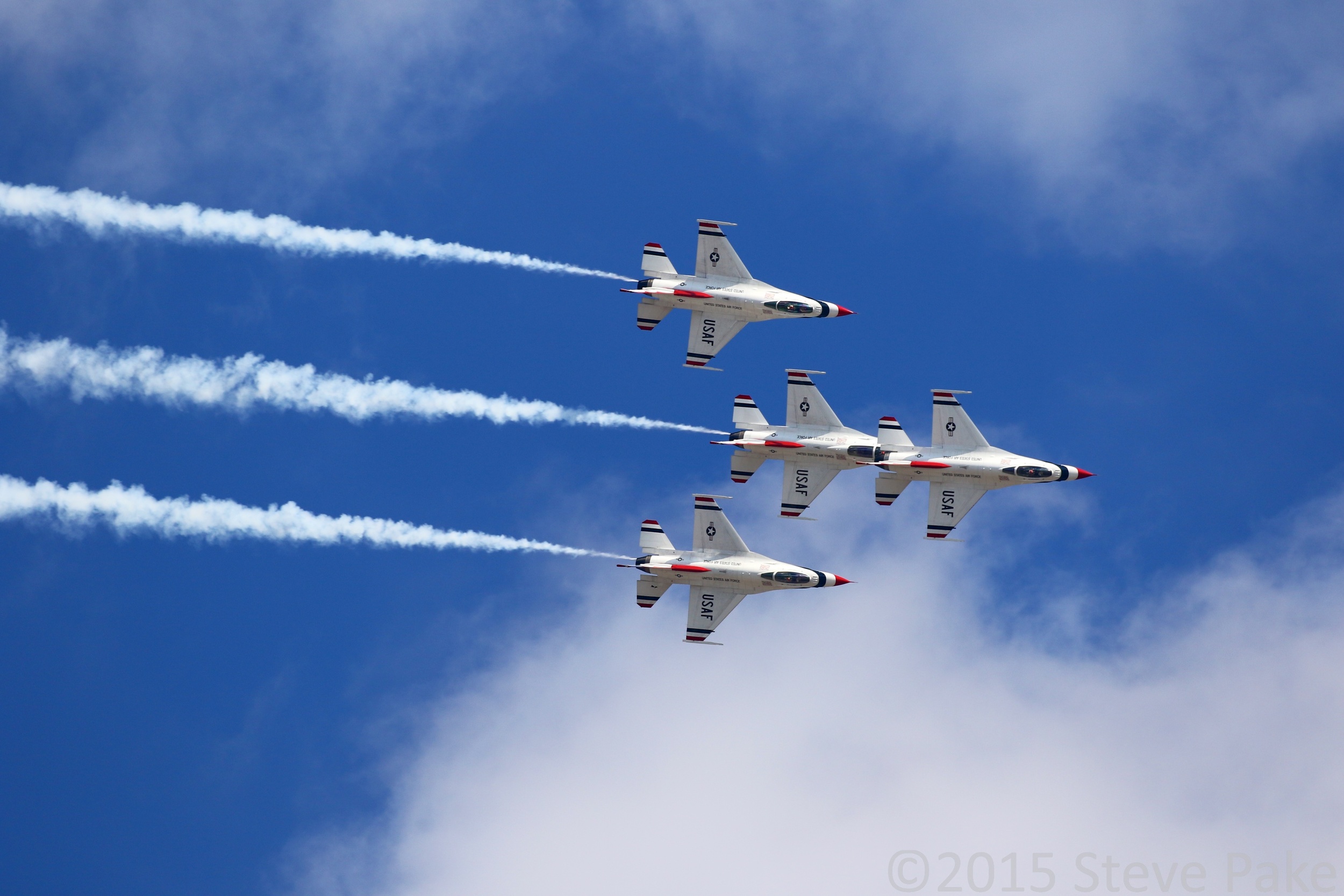
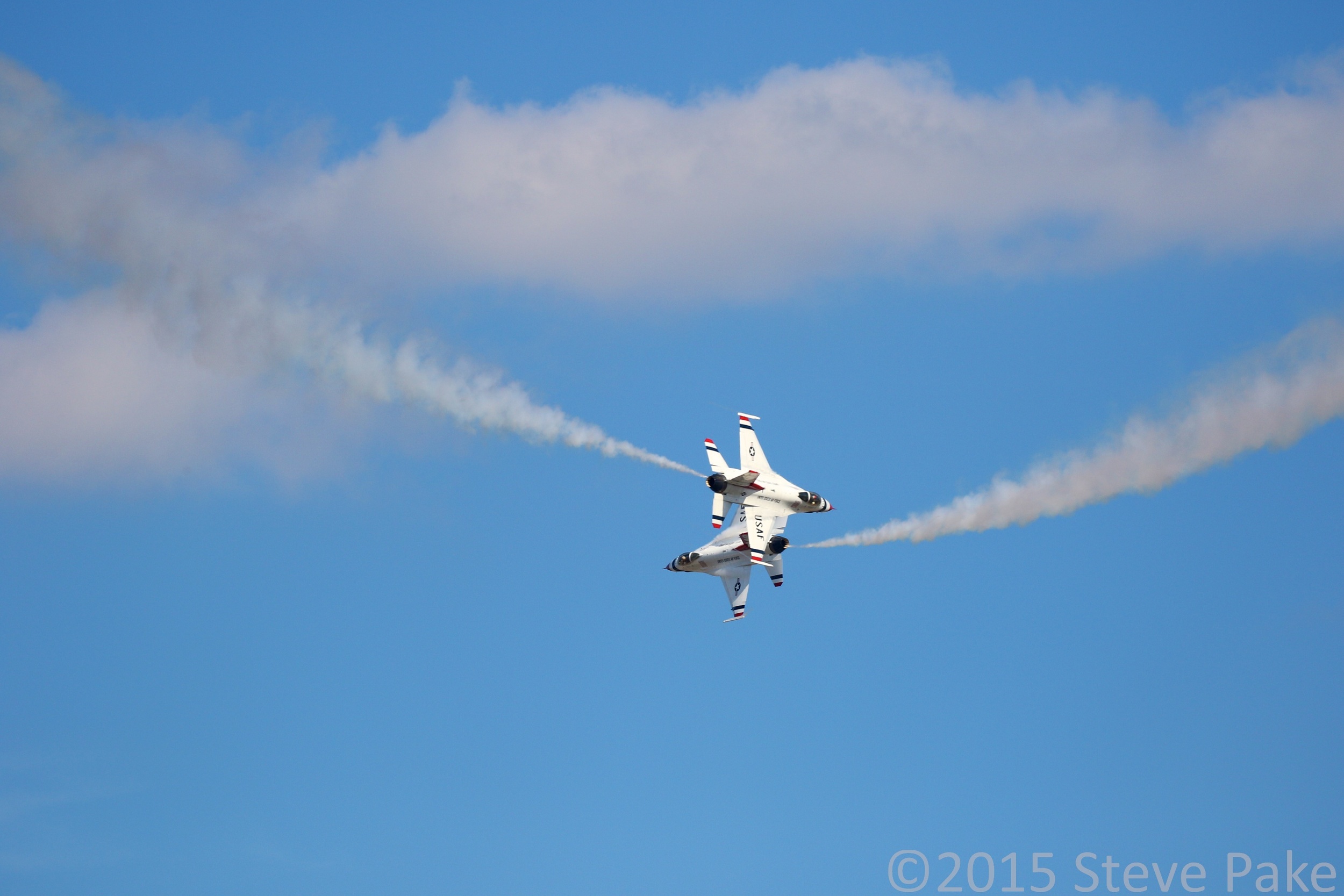
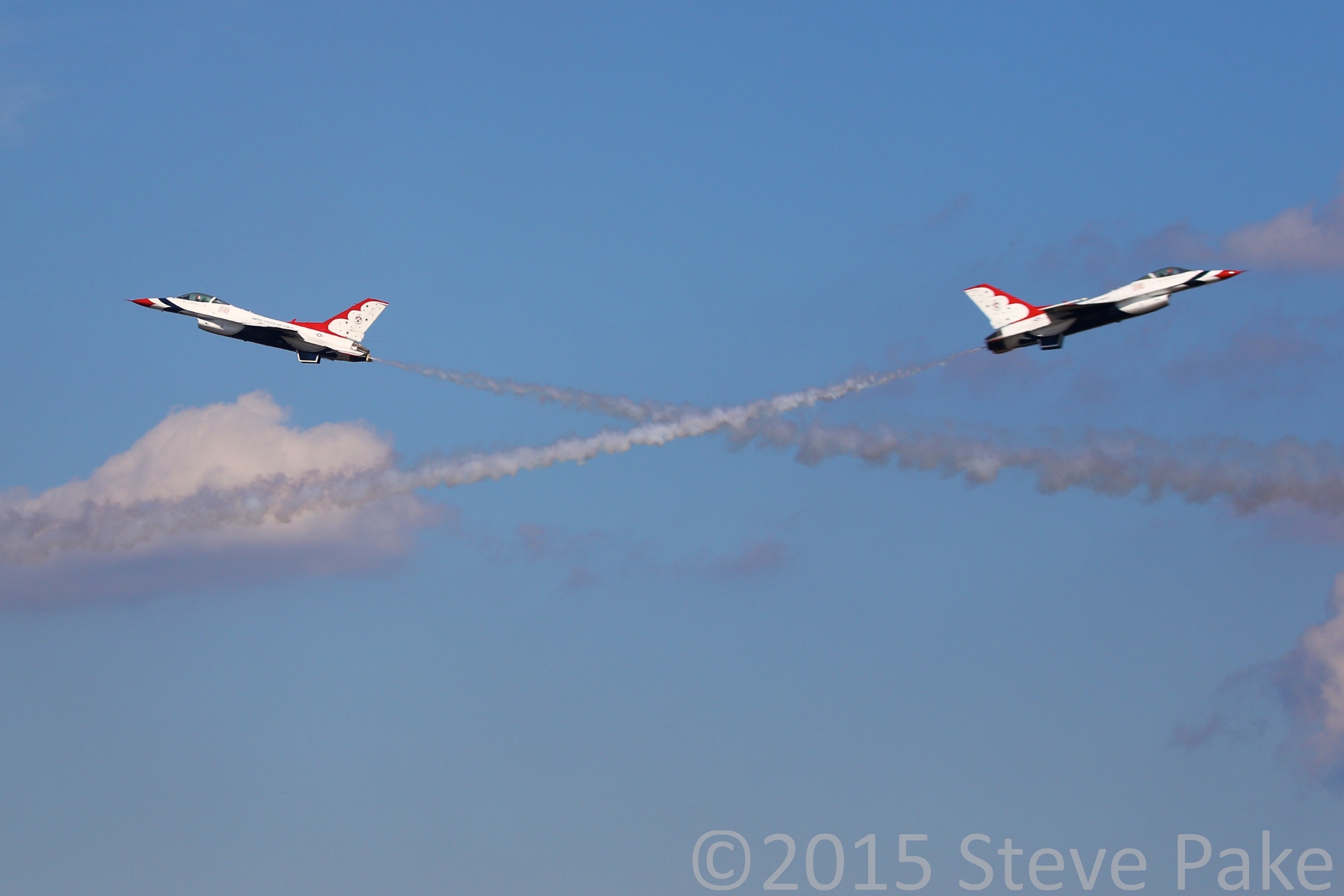
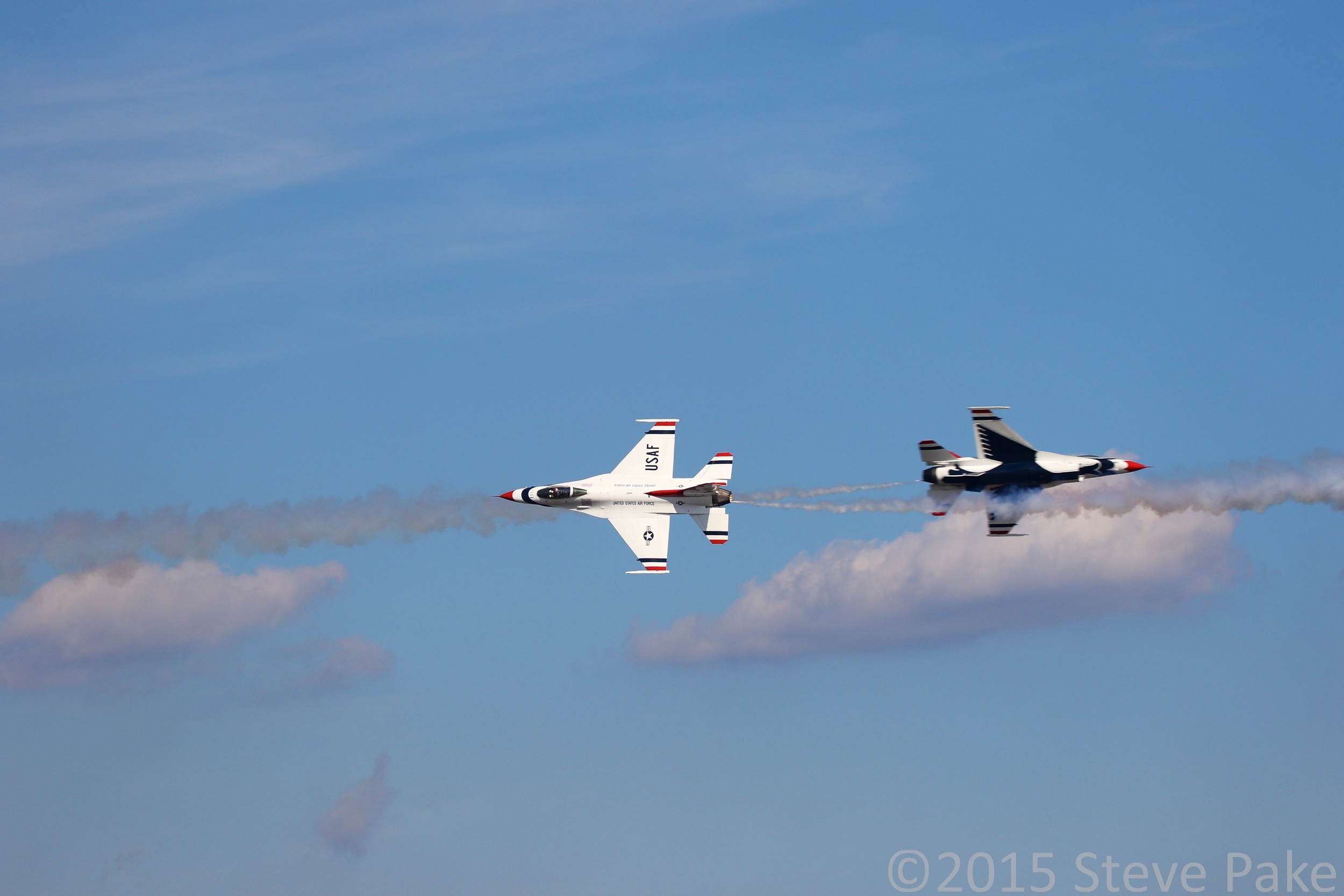
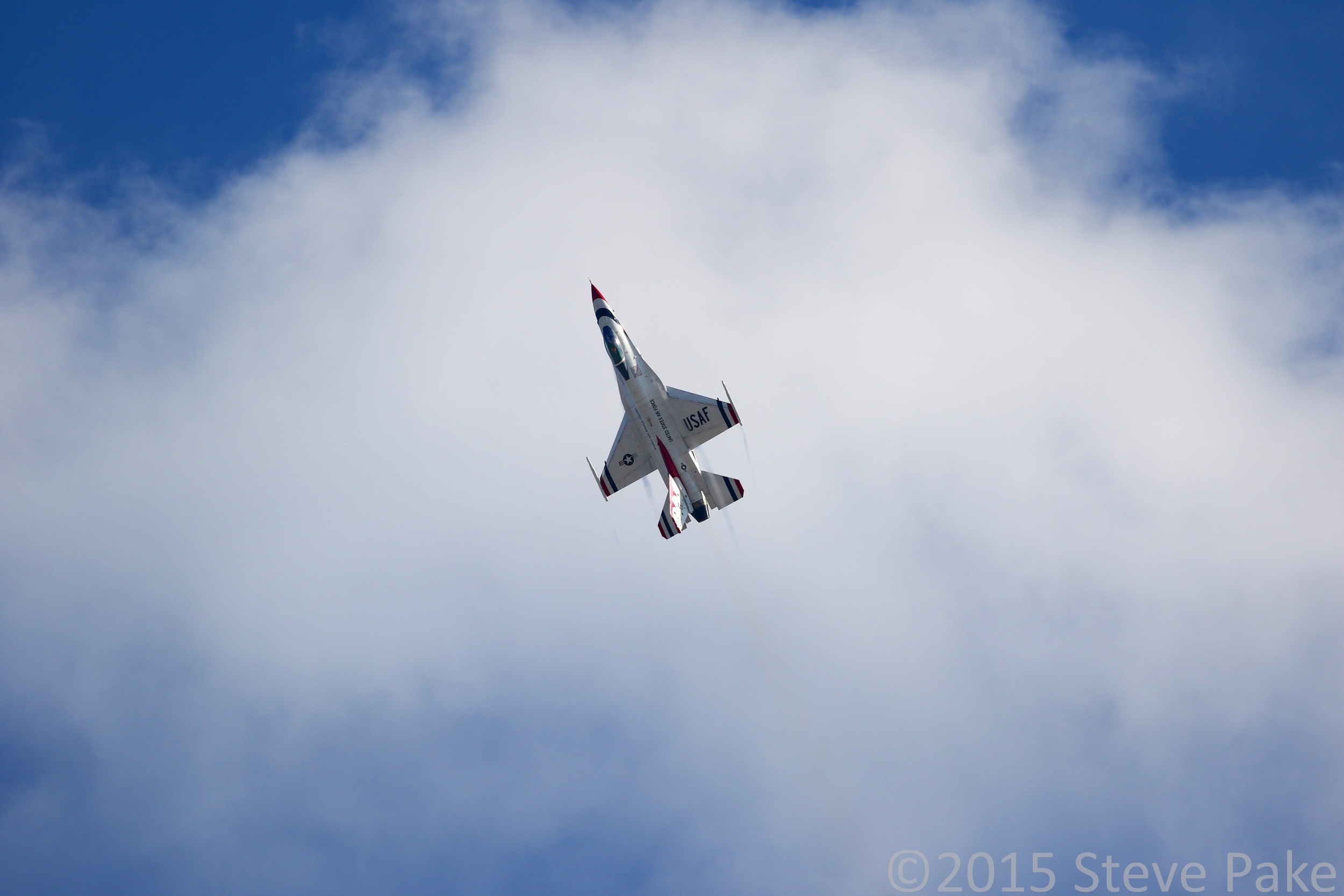
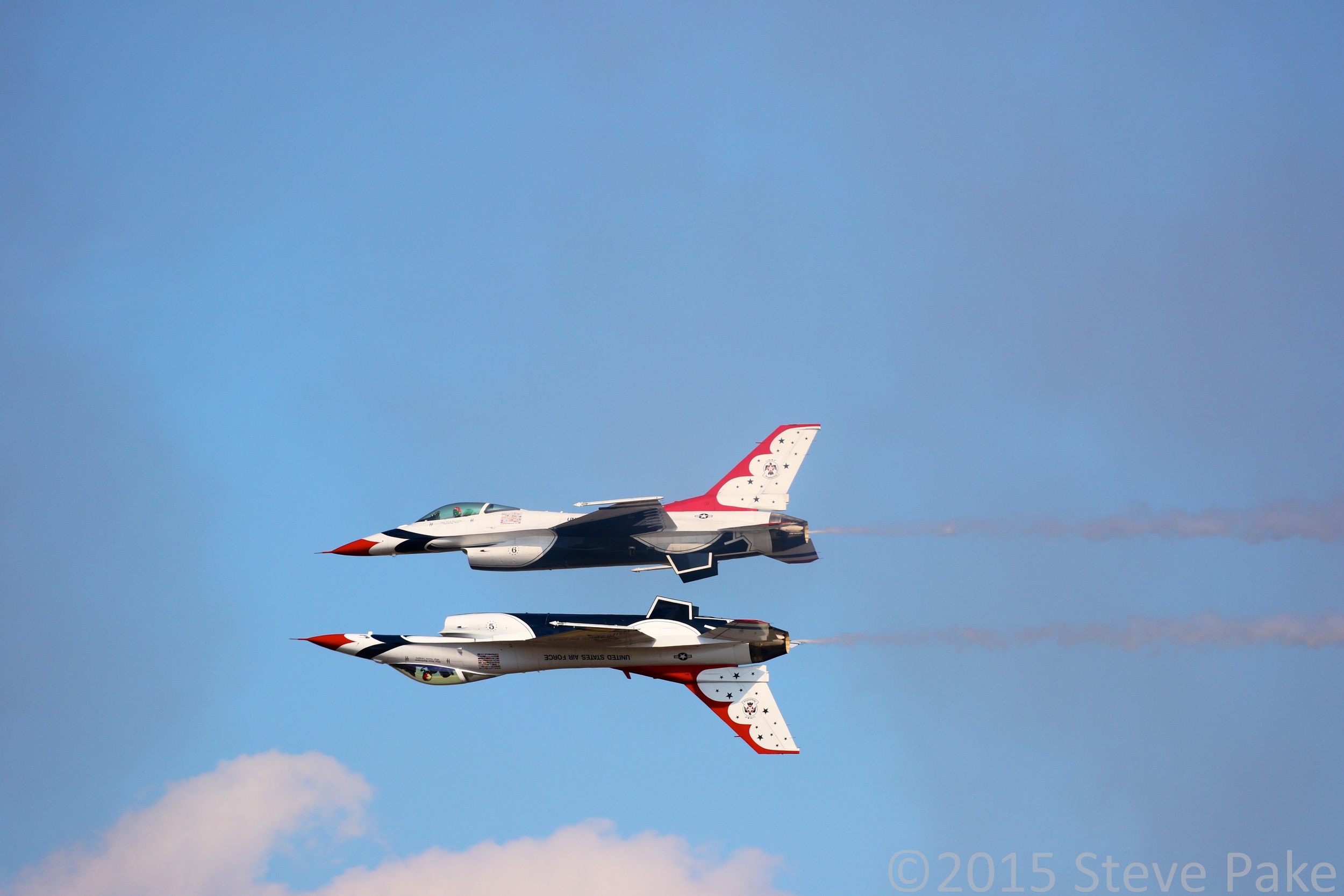
Joint Base Andrews Air Show 2015
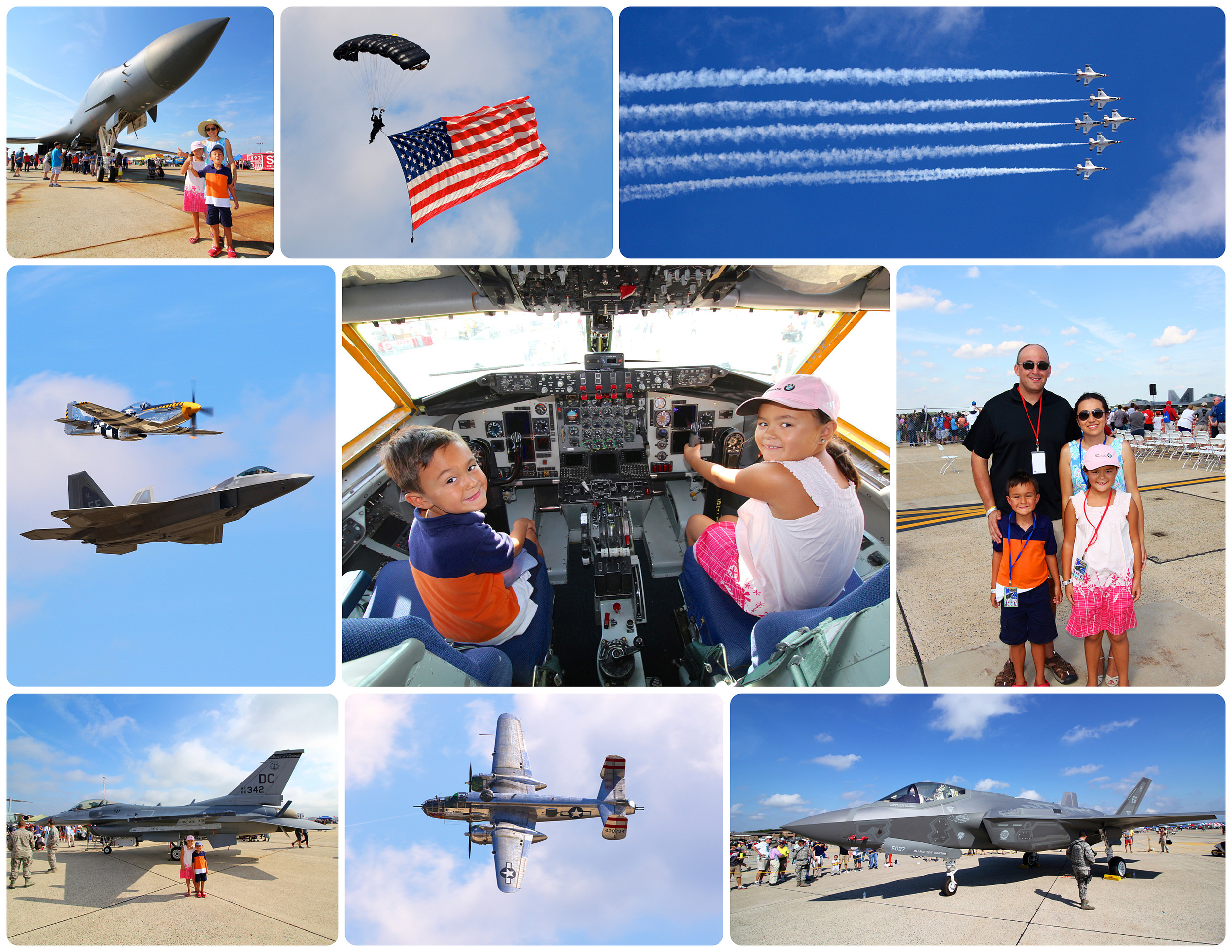
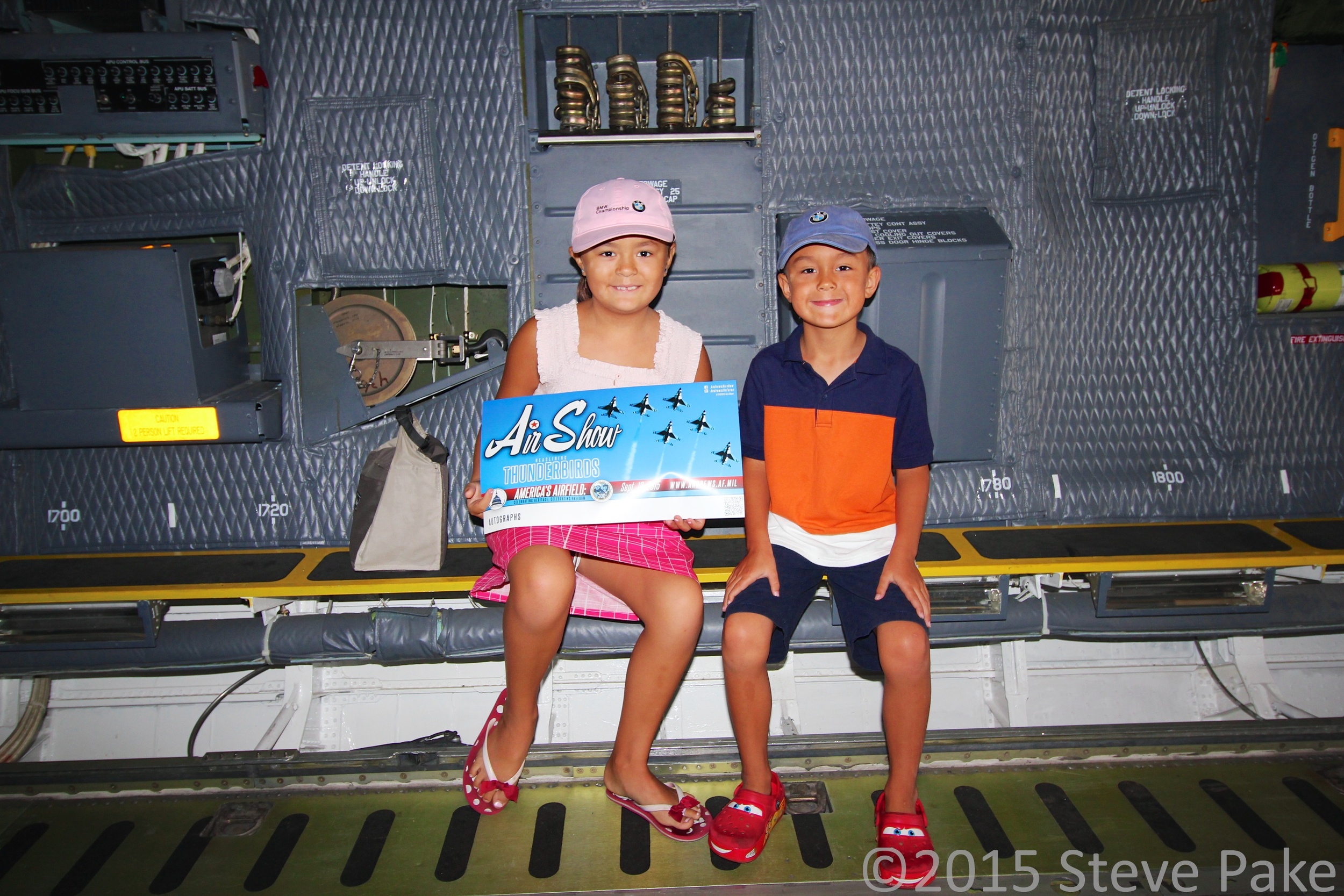
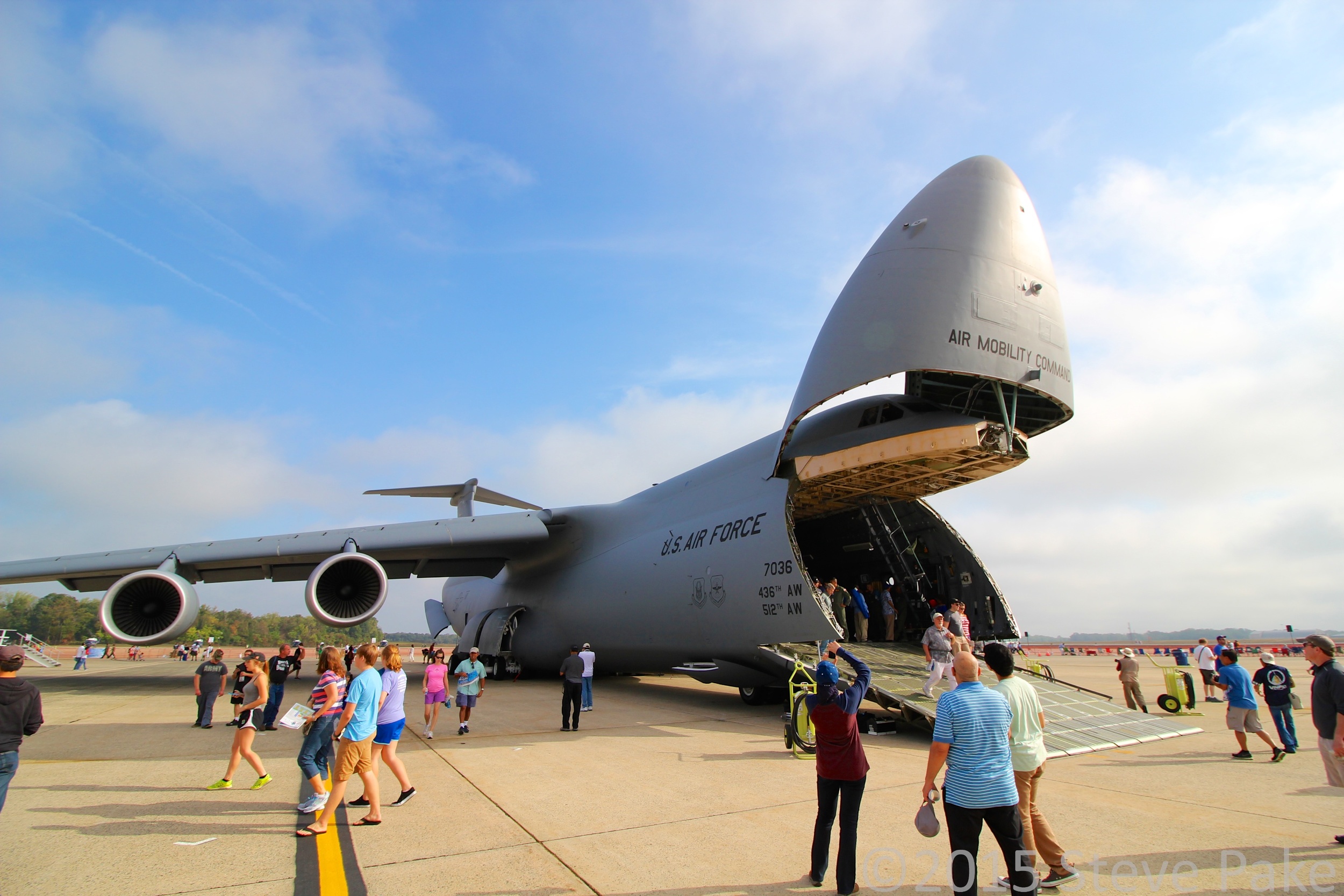
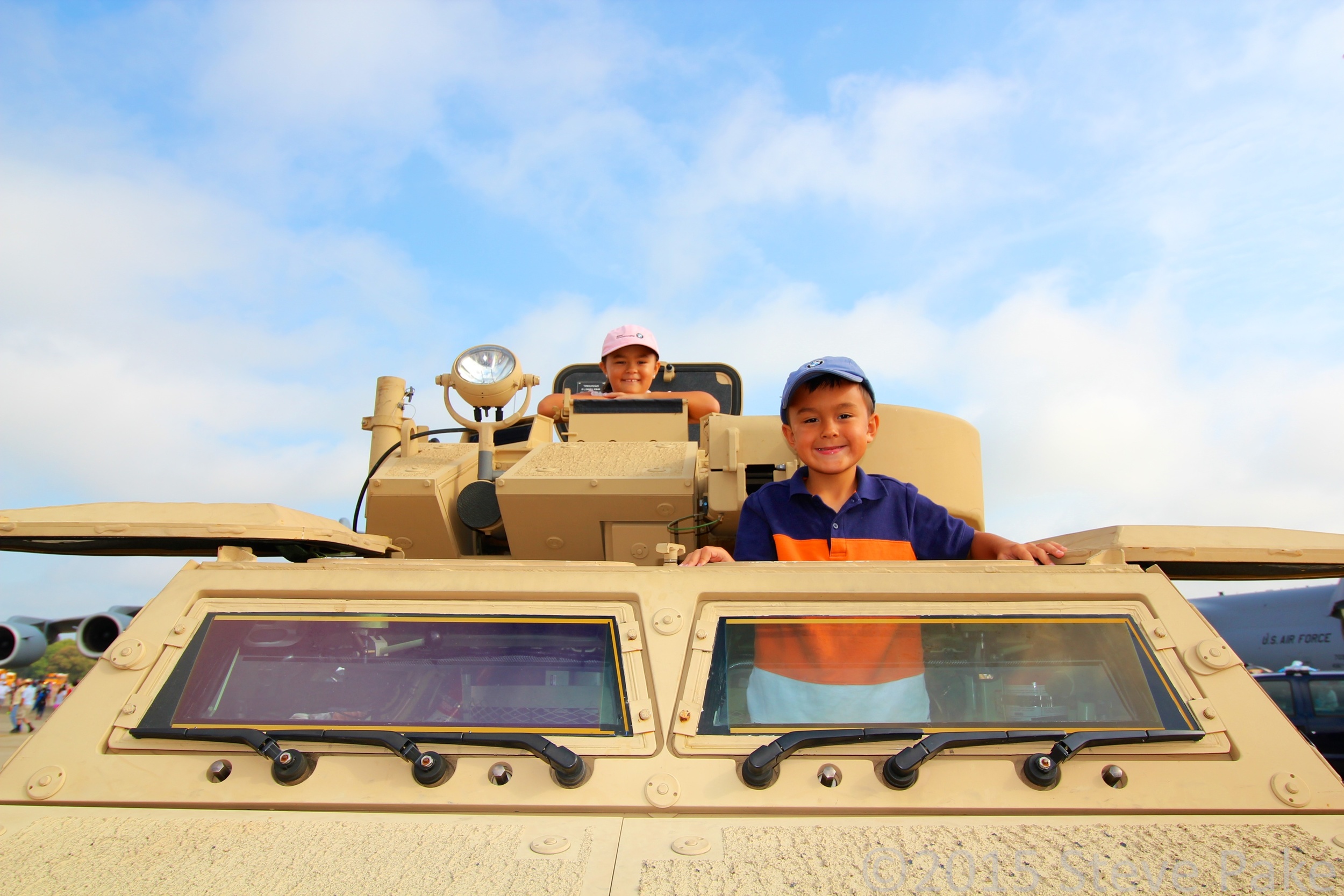
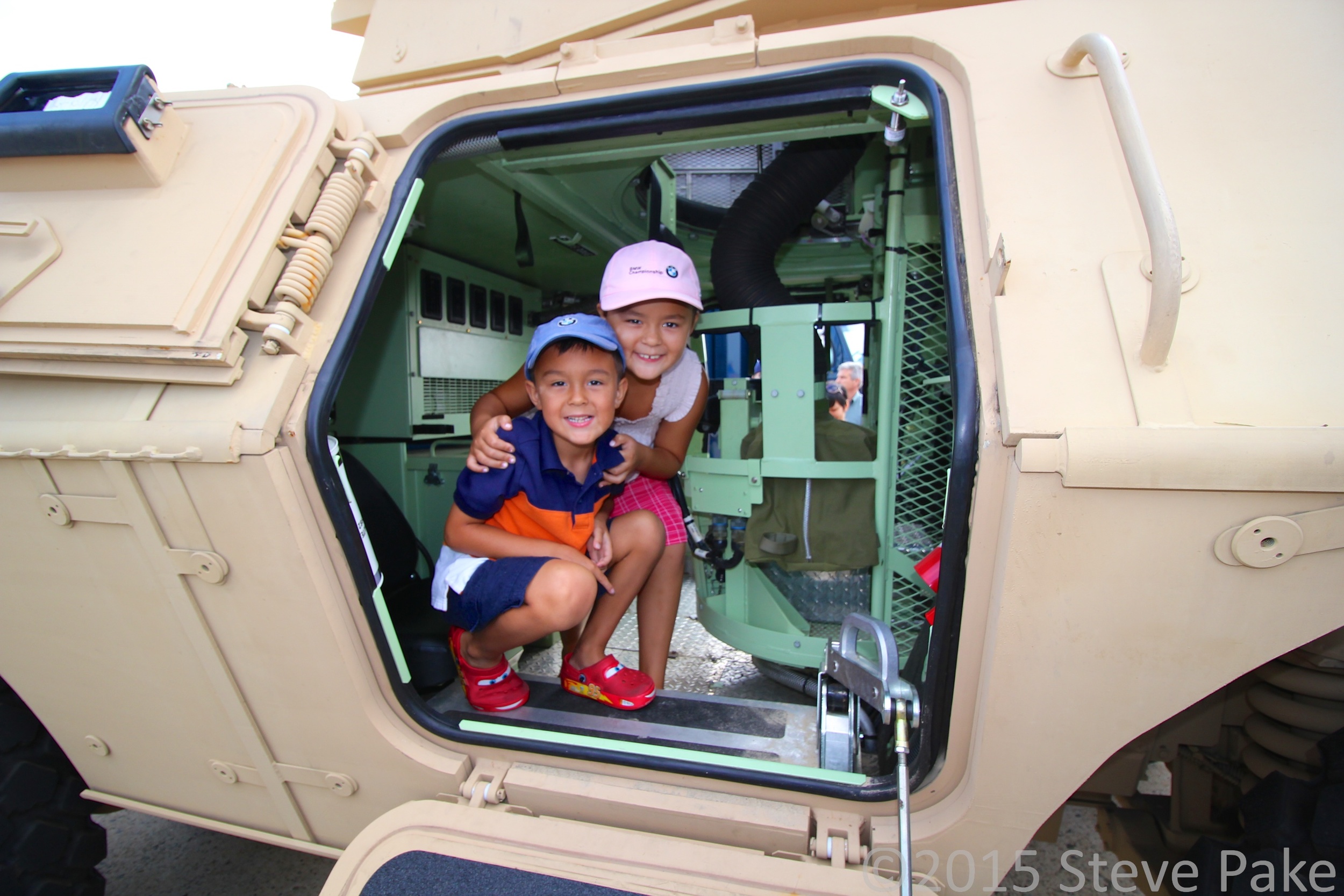
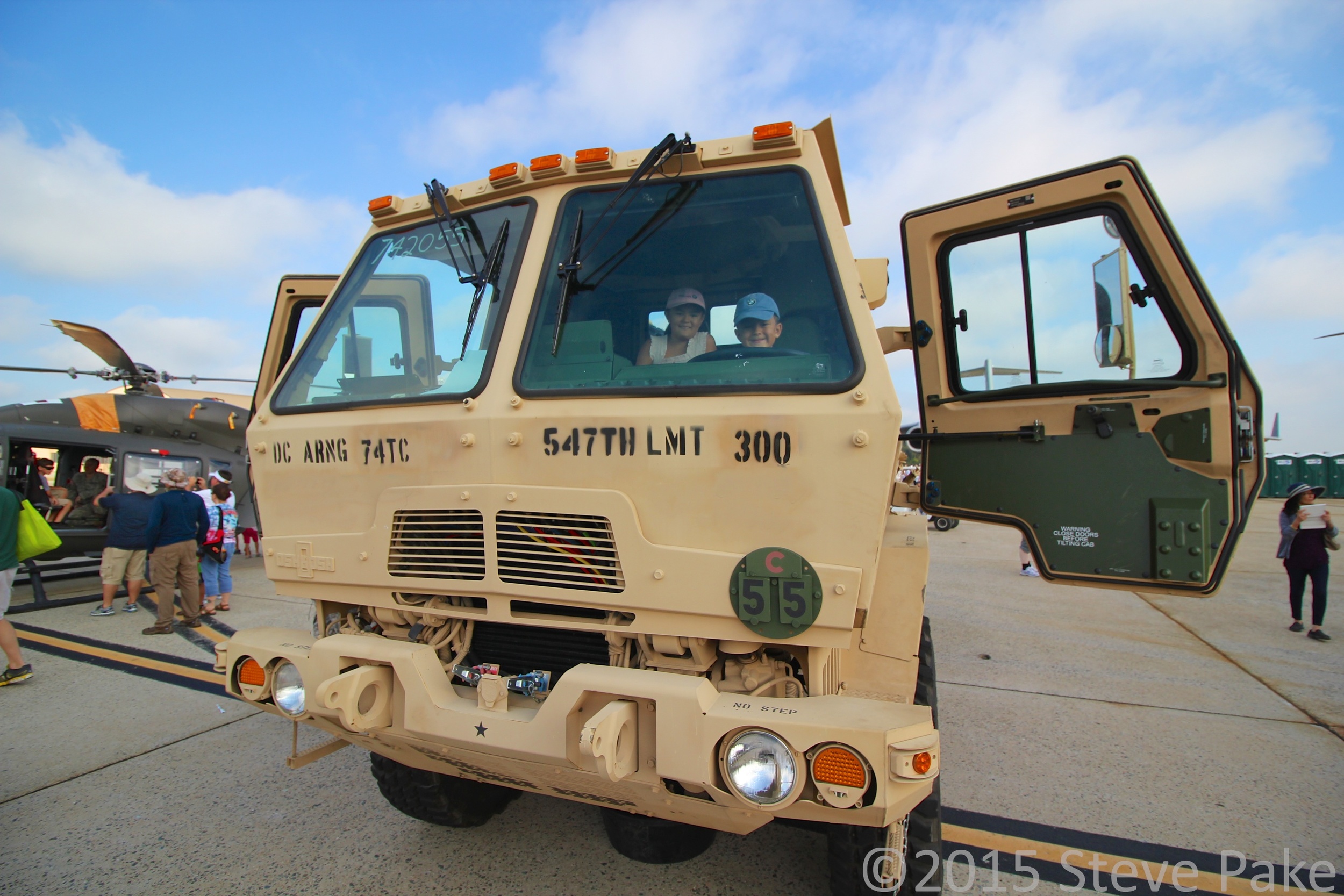
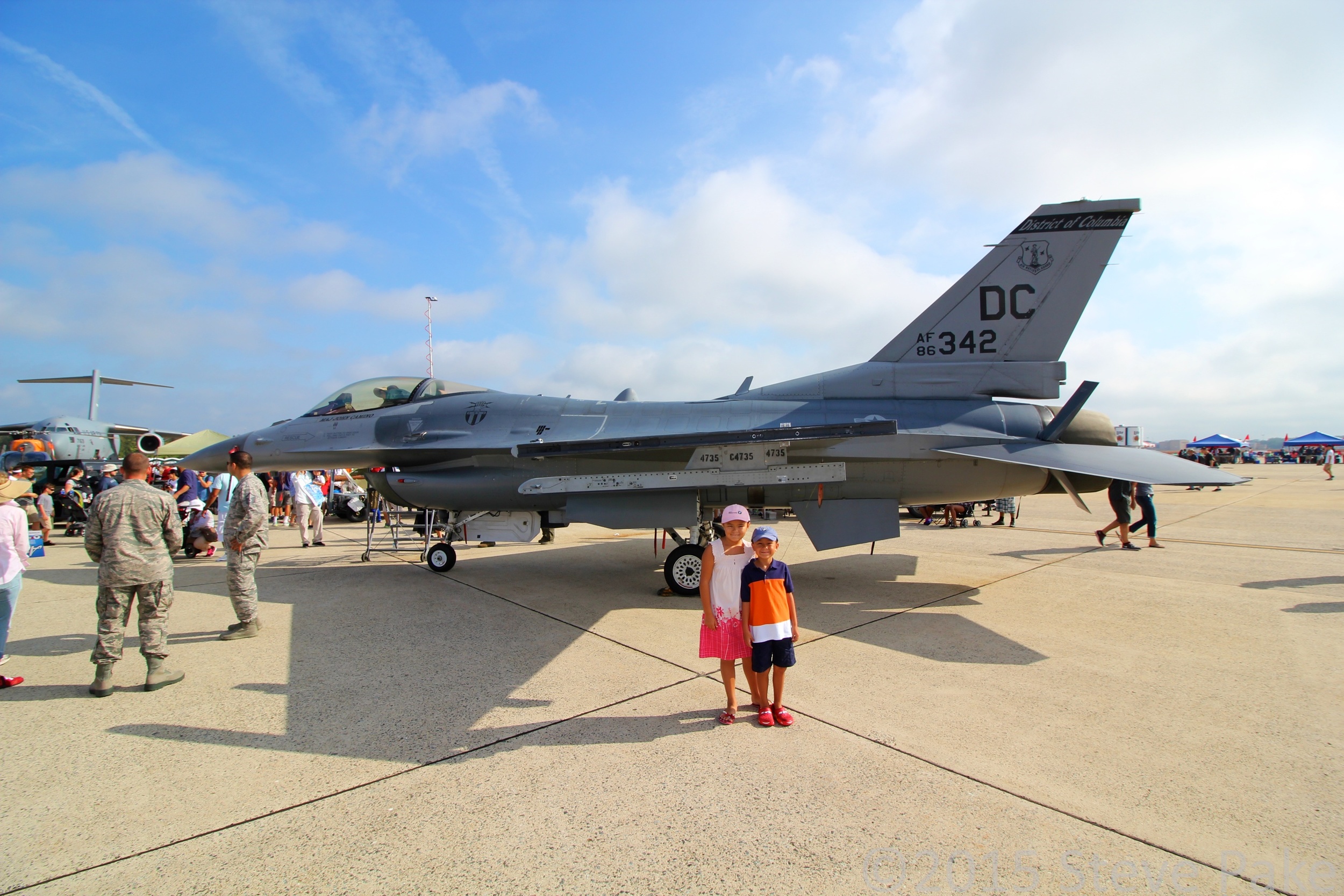
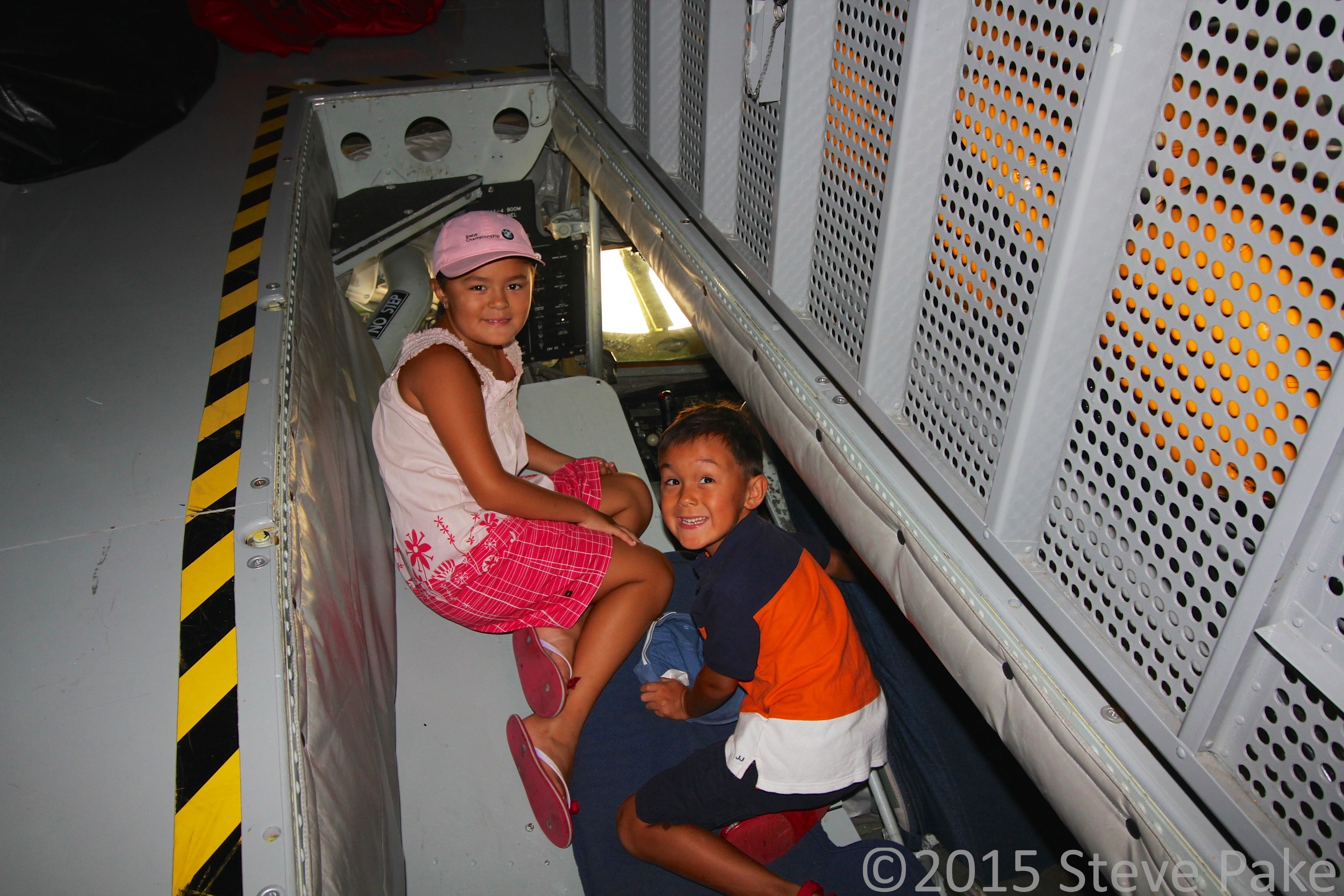
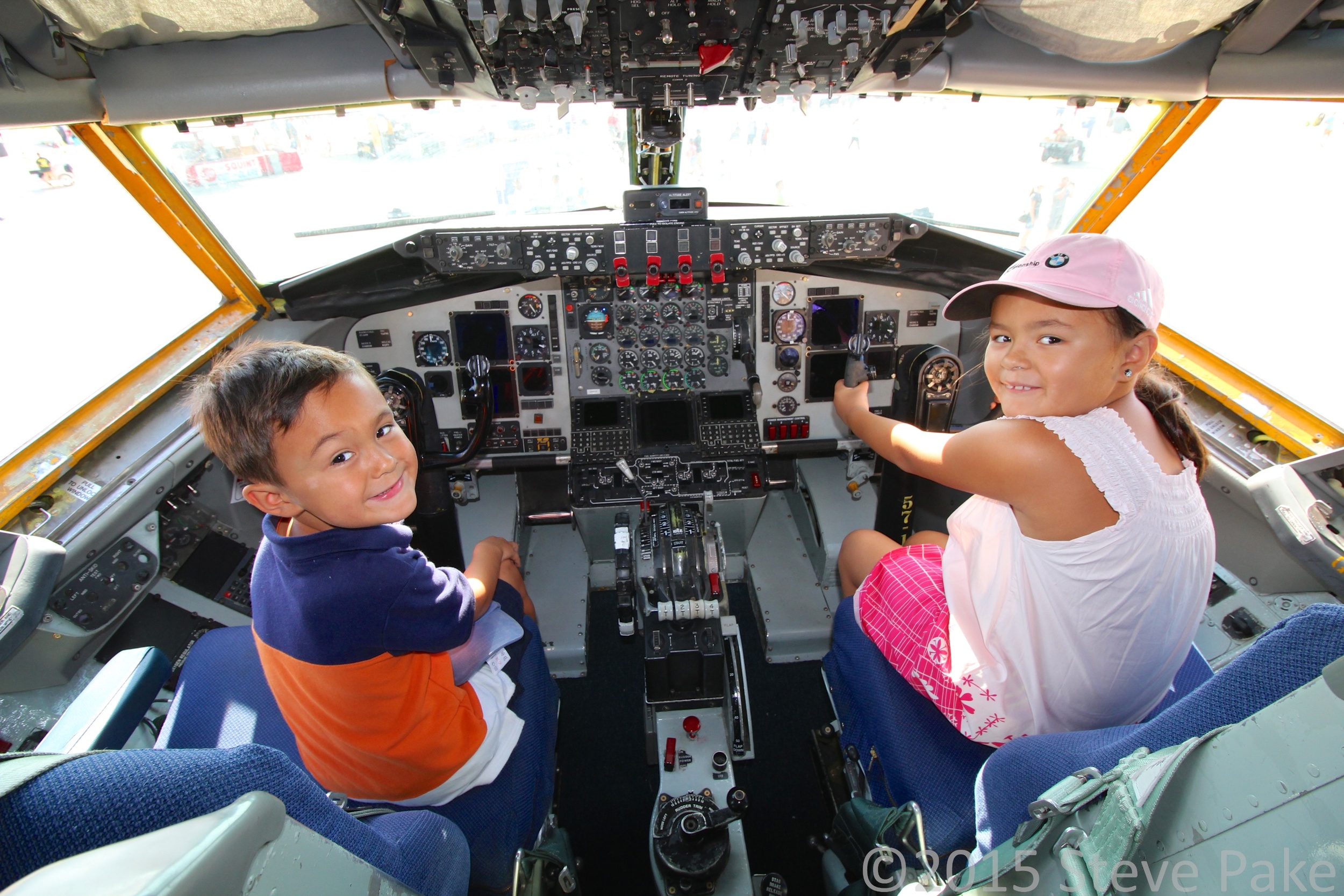
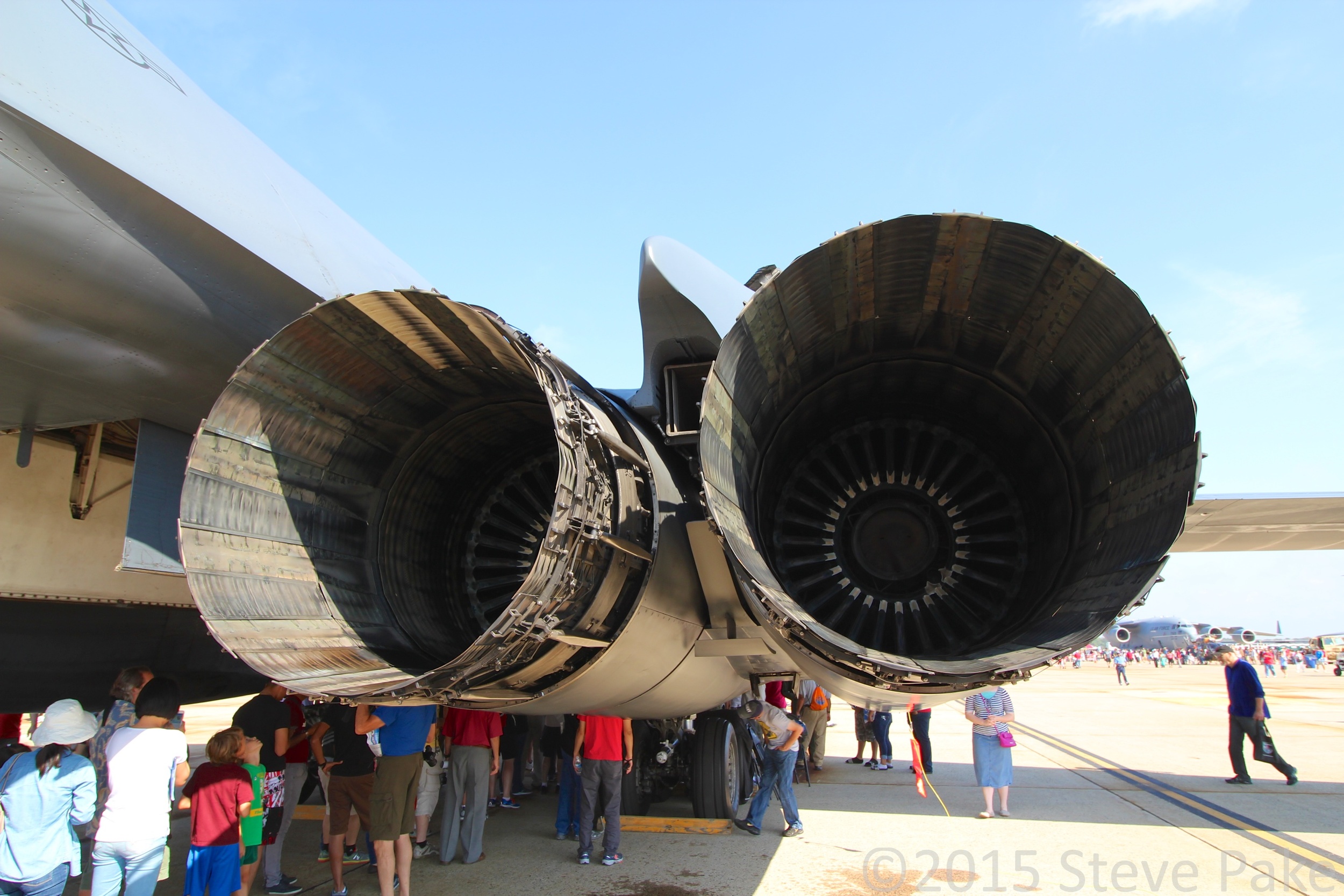
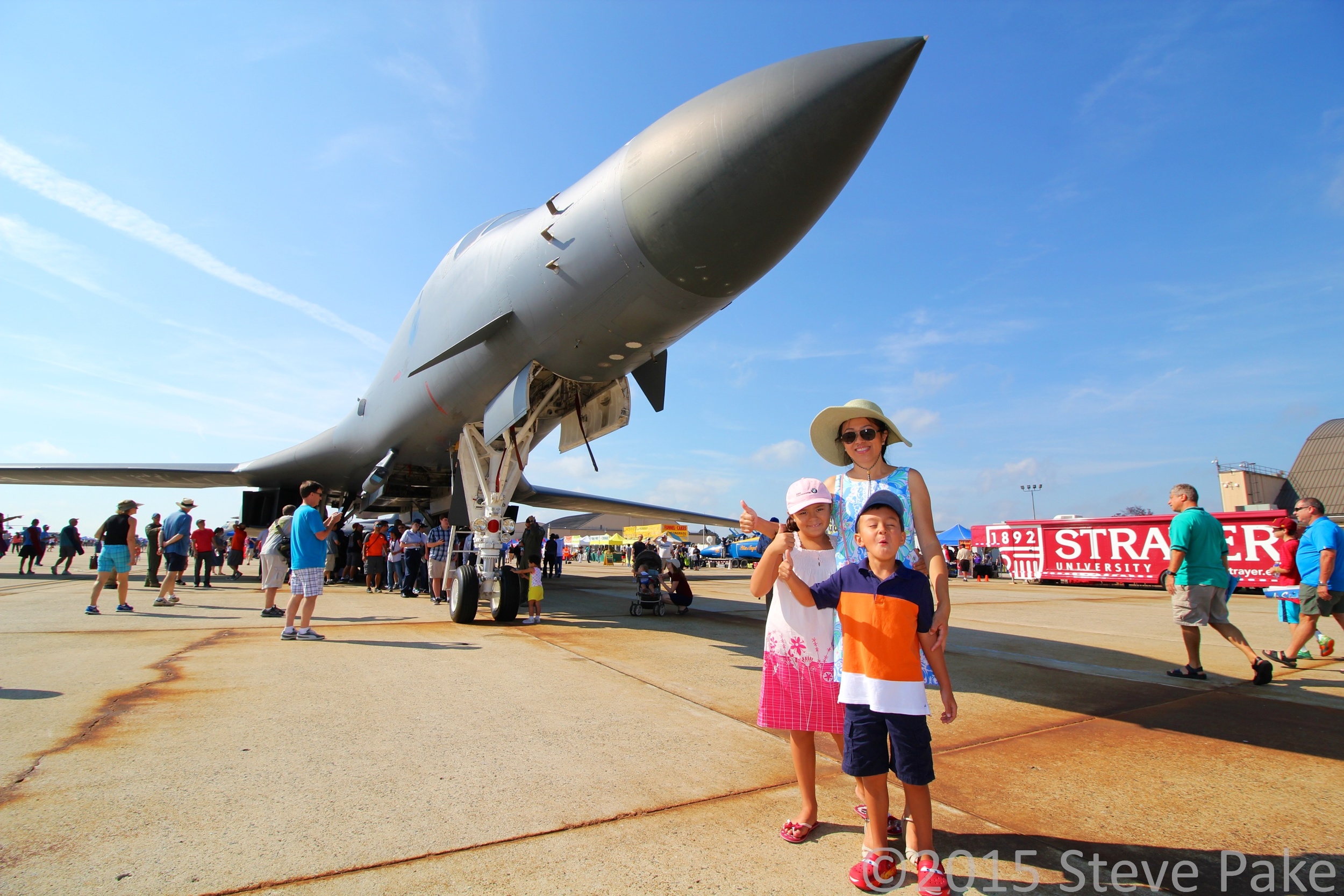
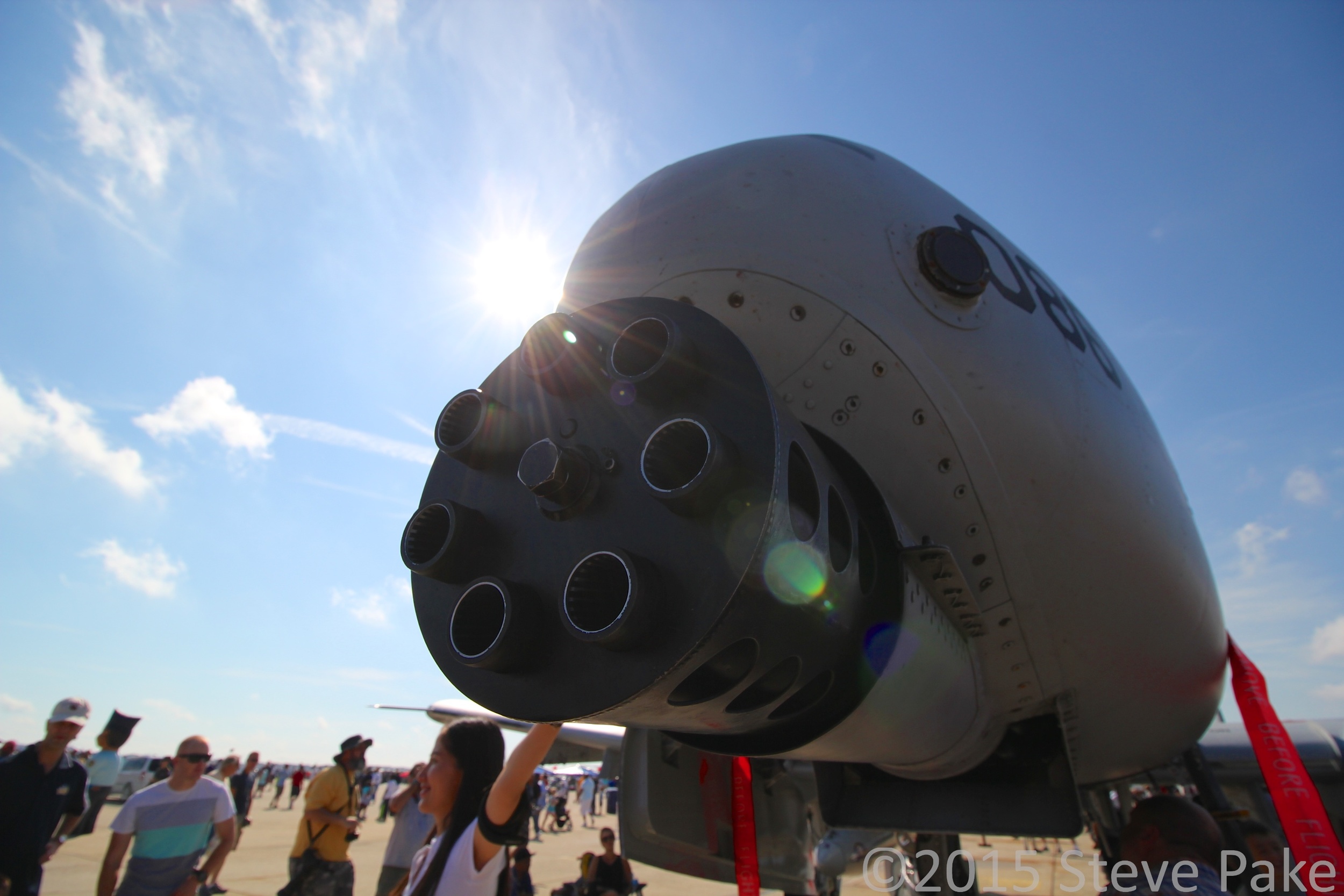
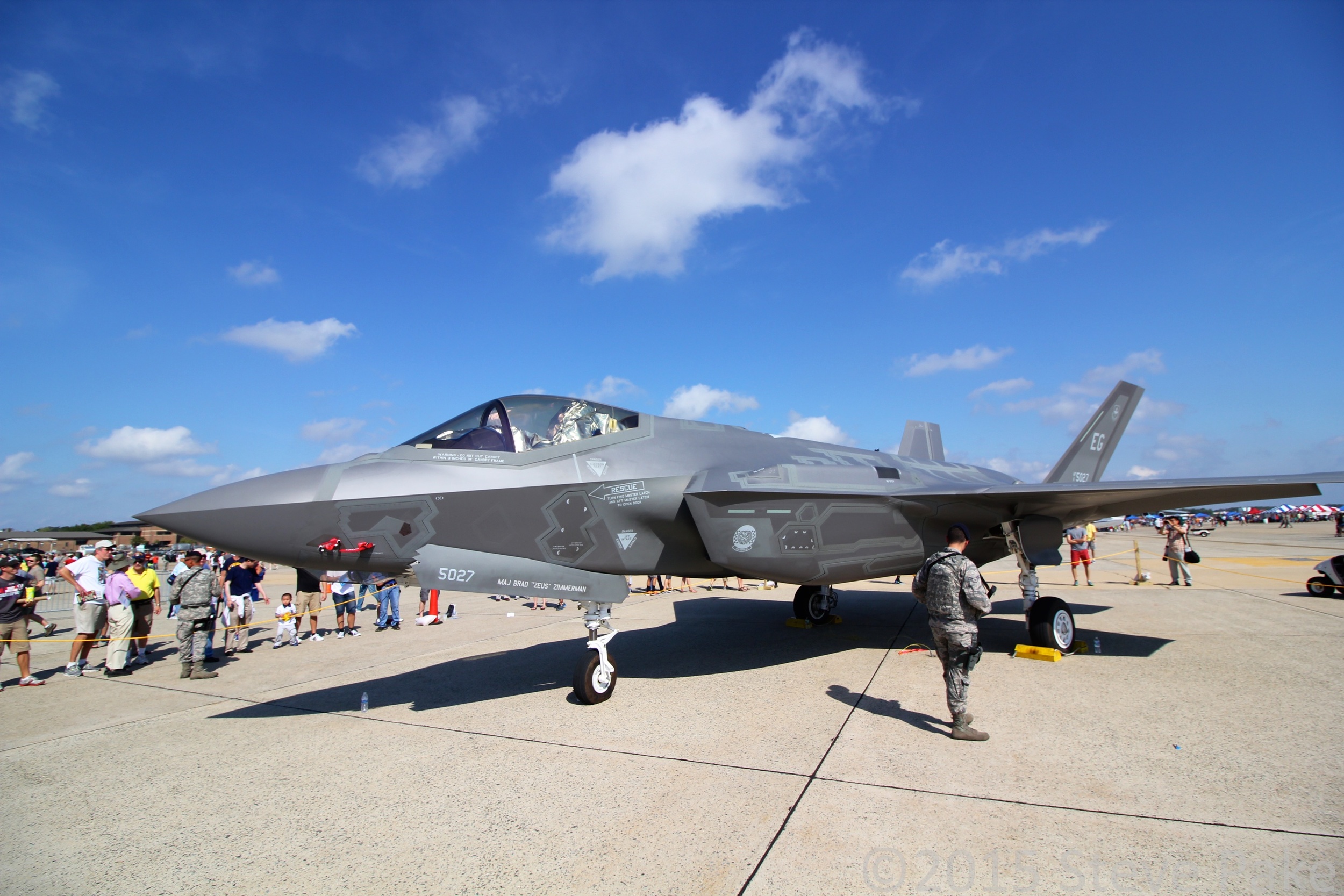
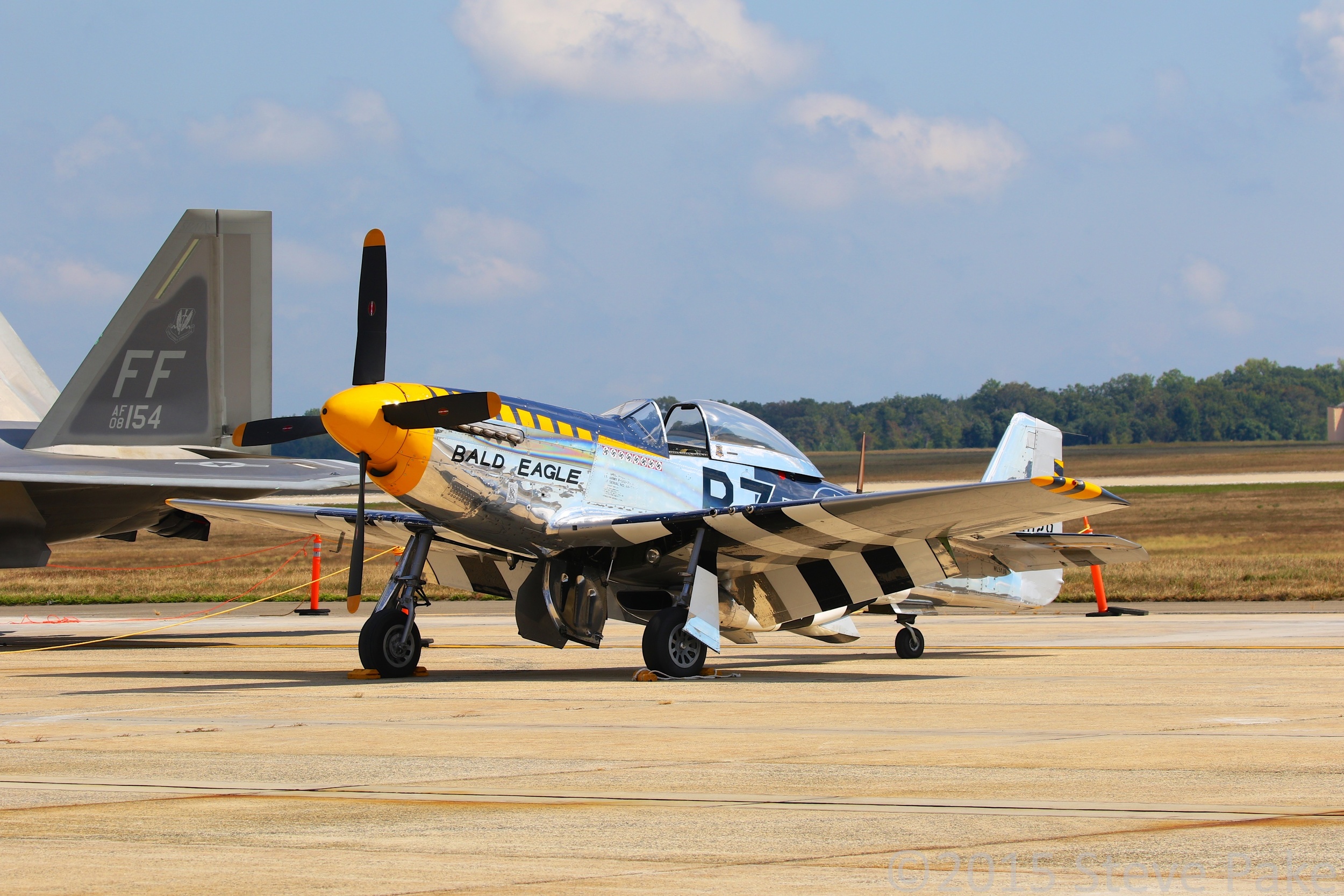
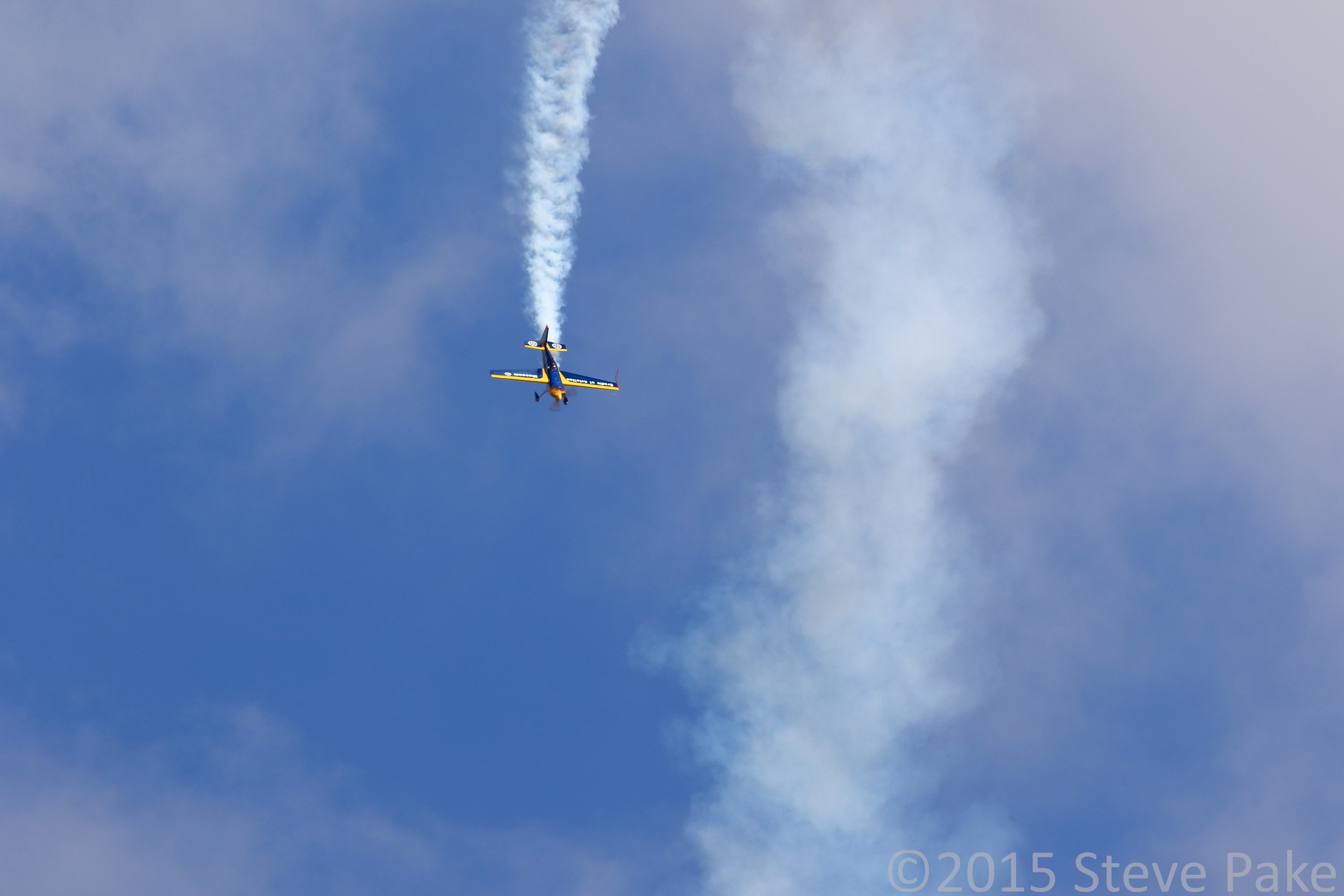
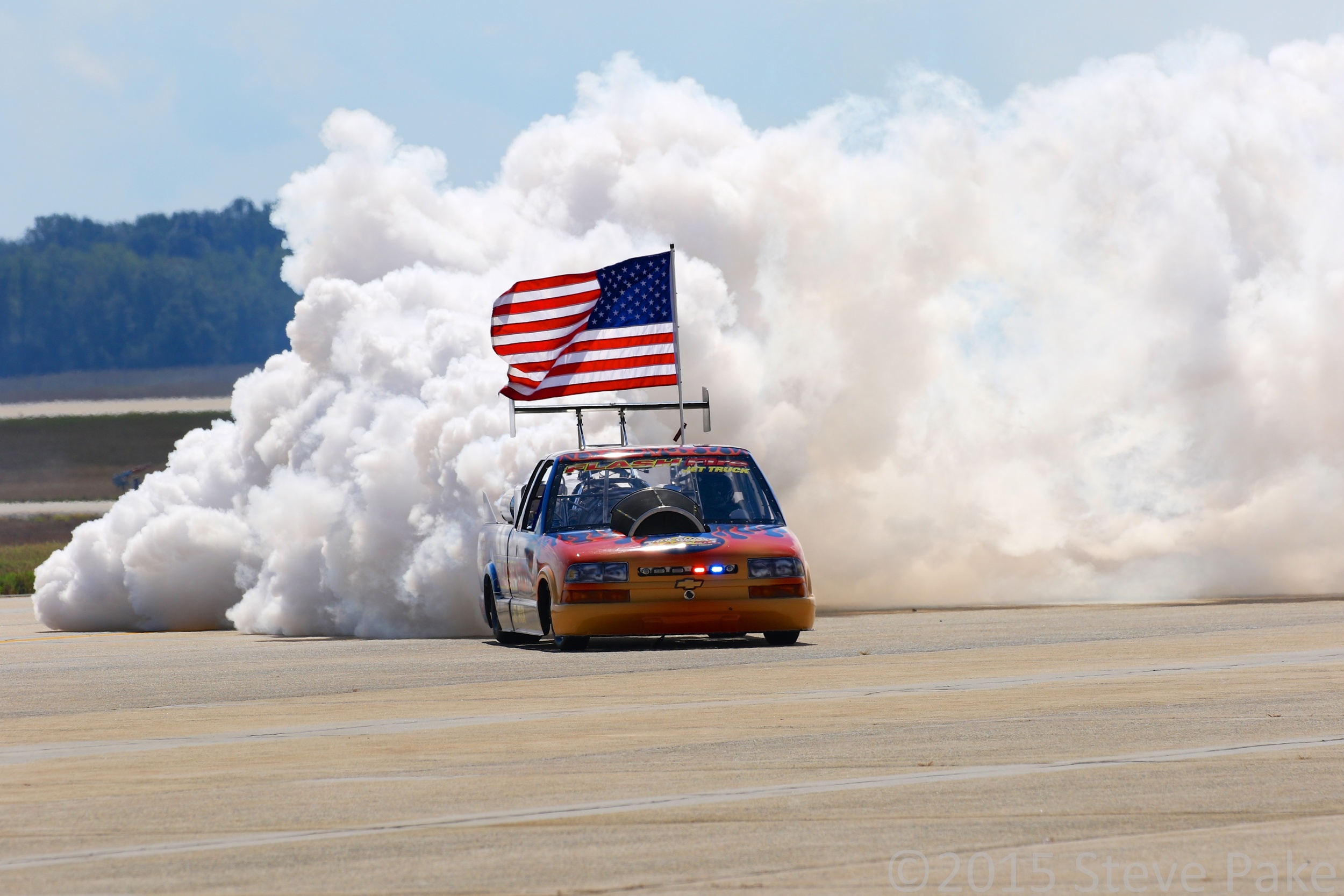
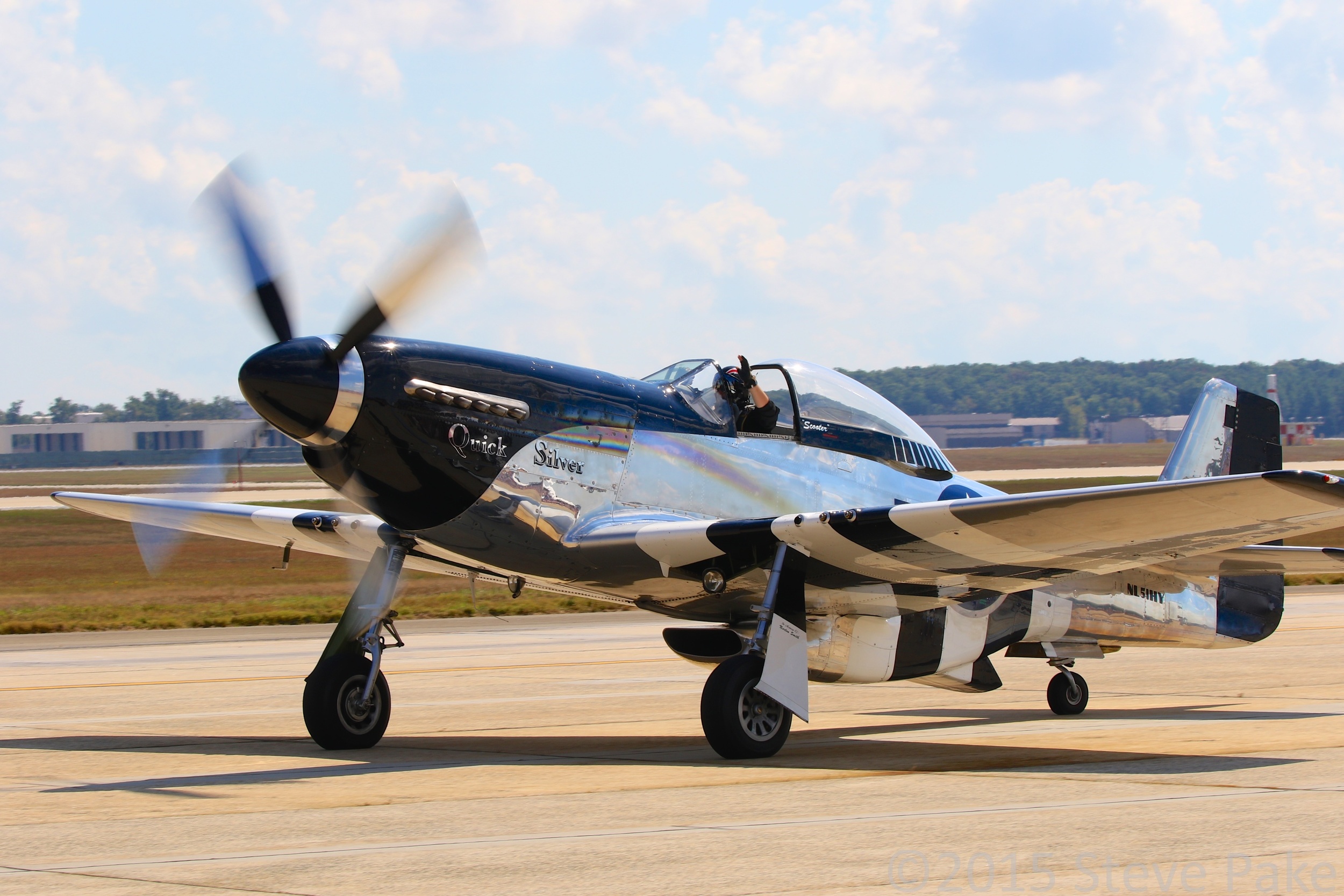
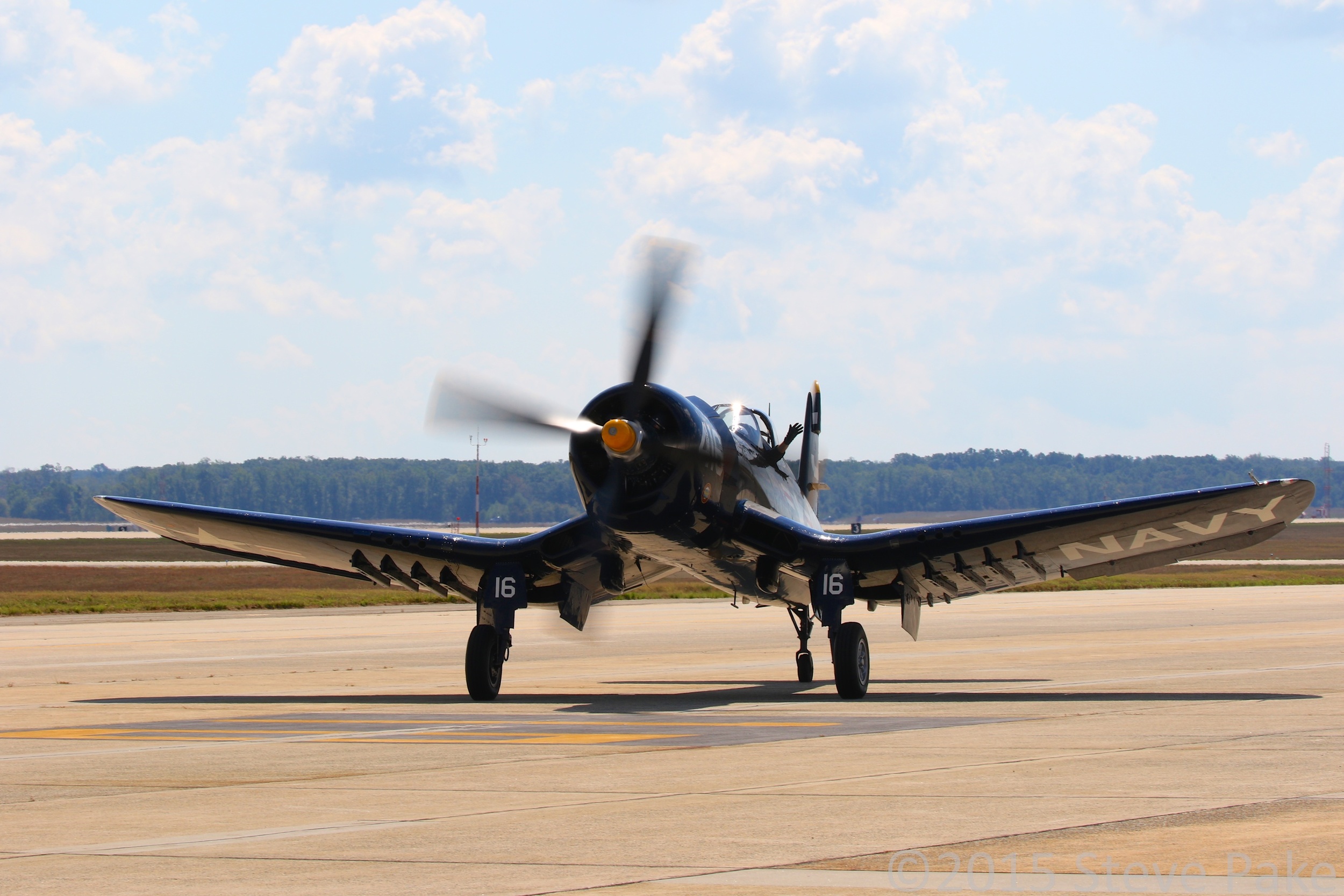
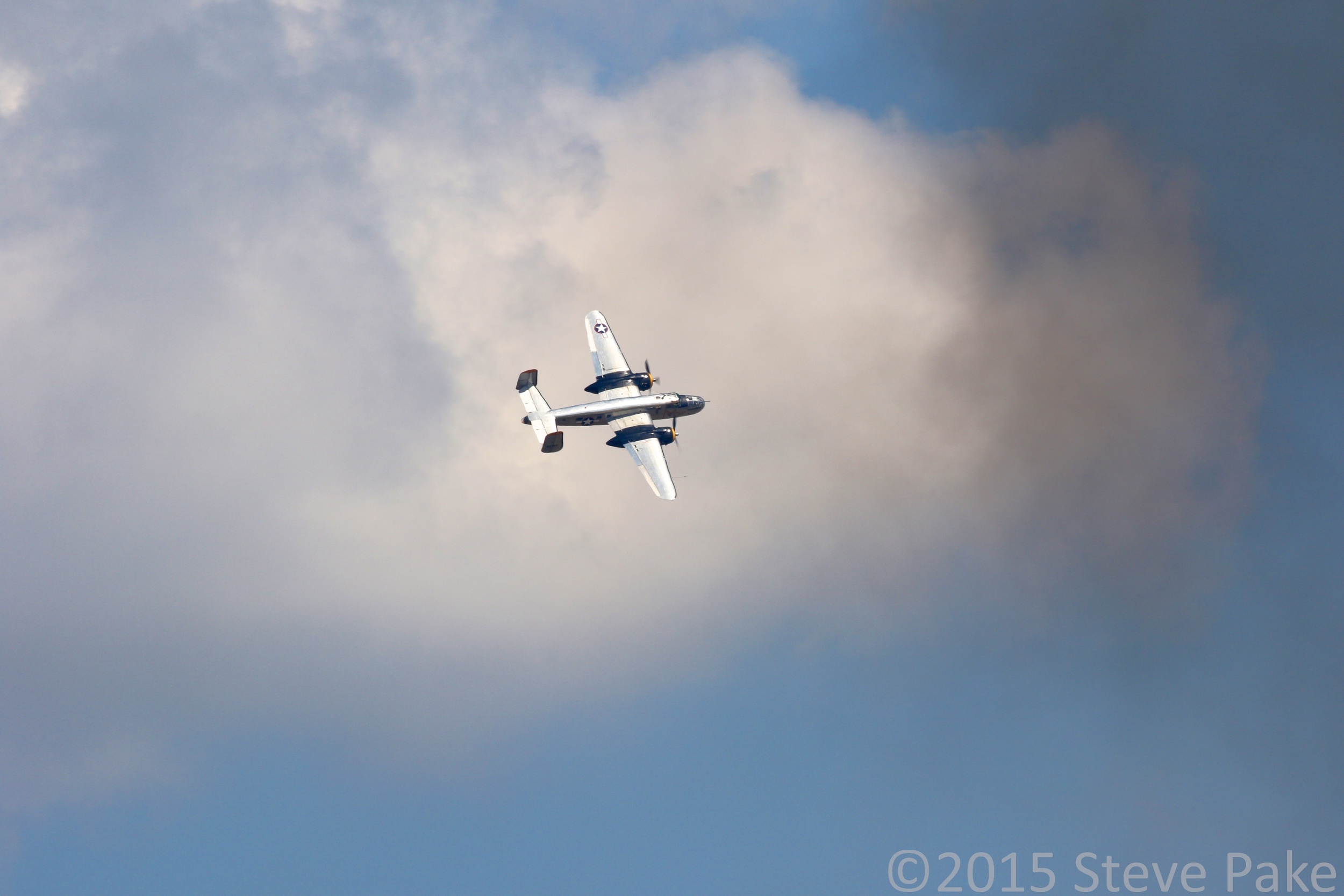
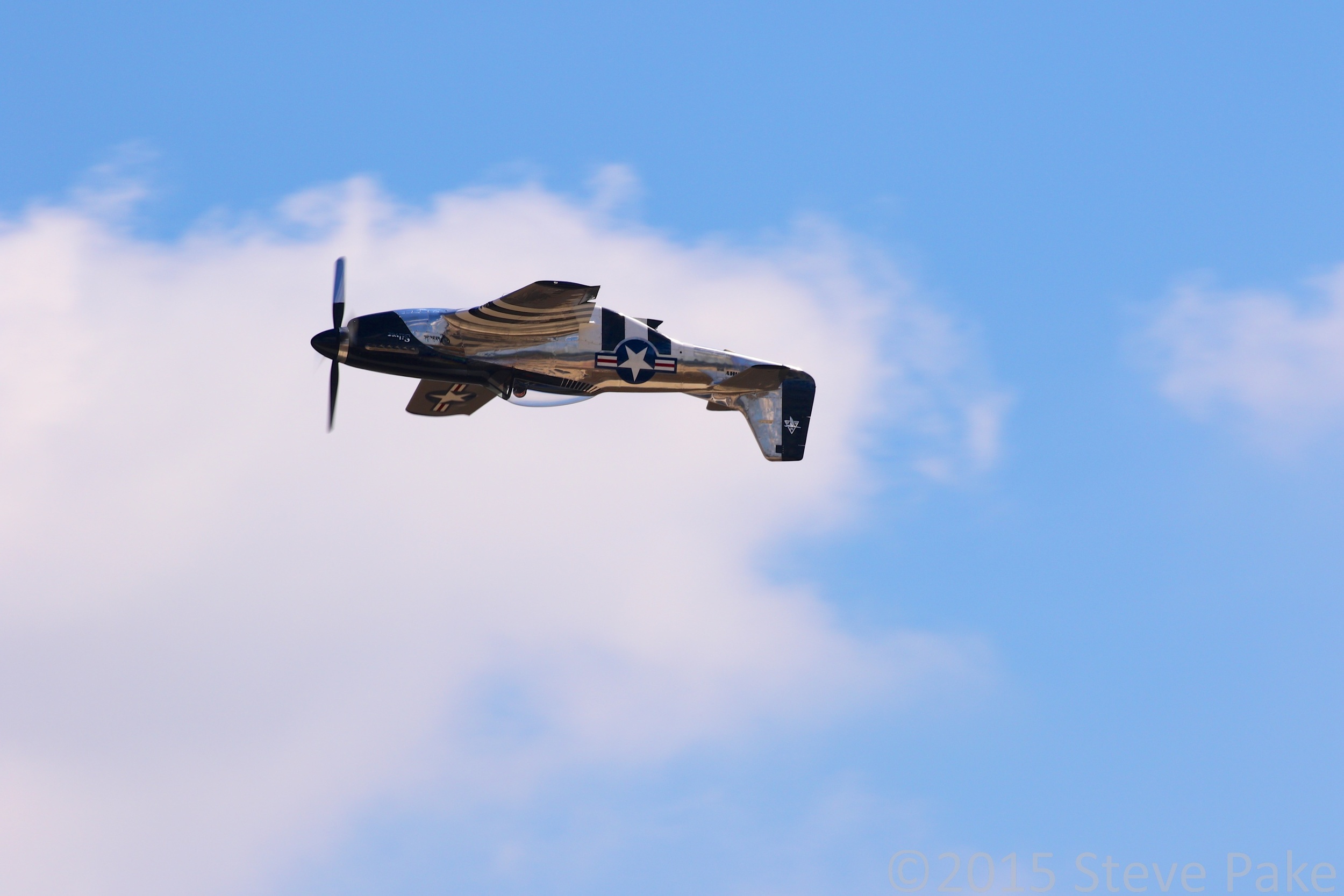
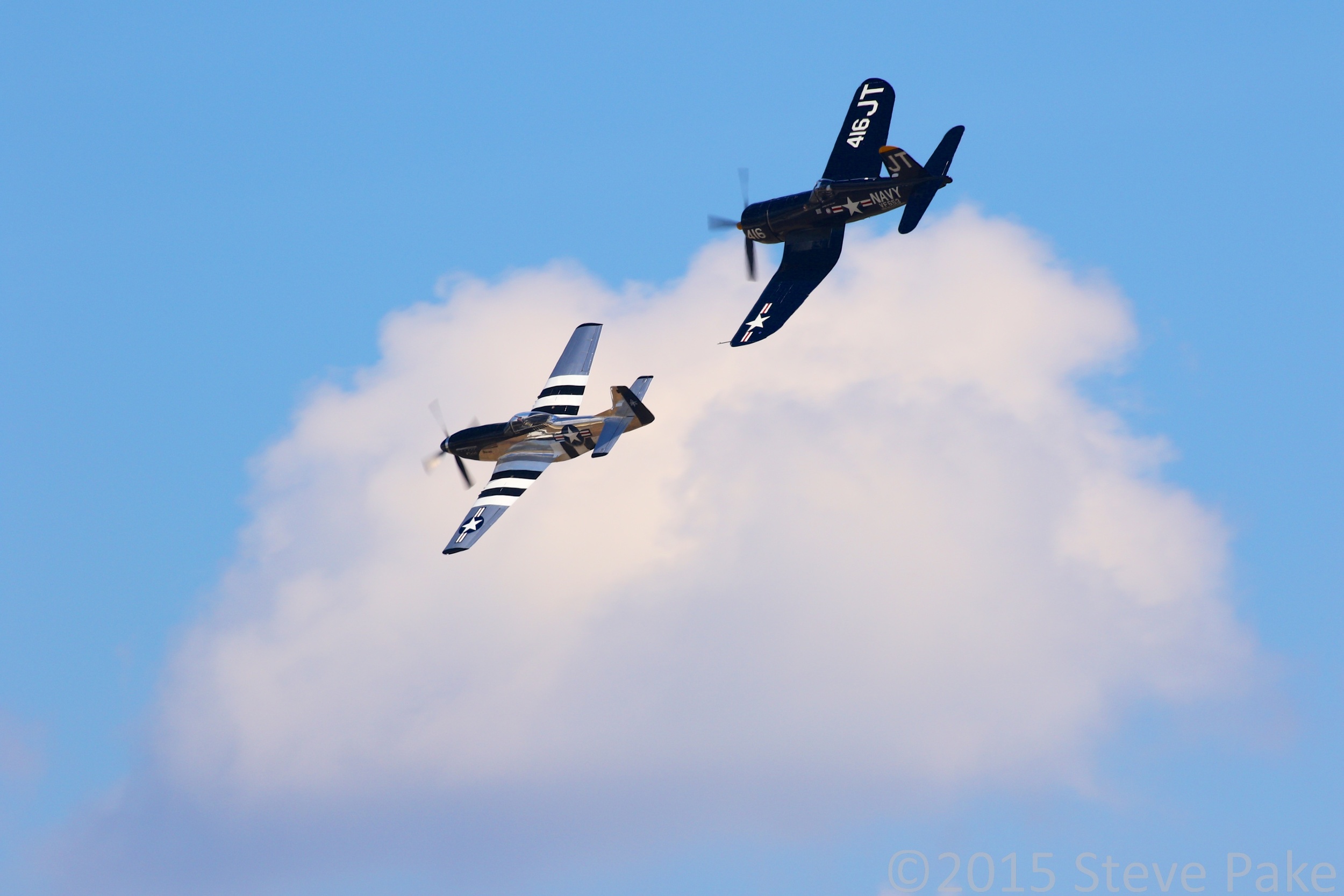
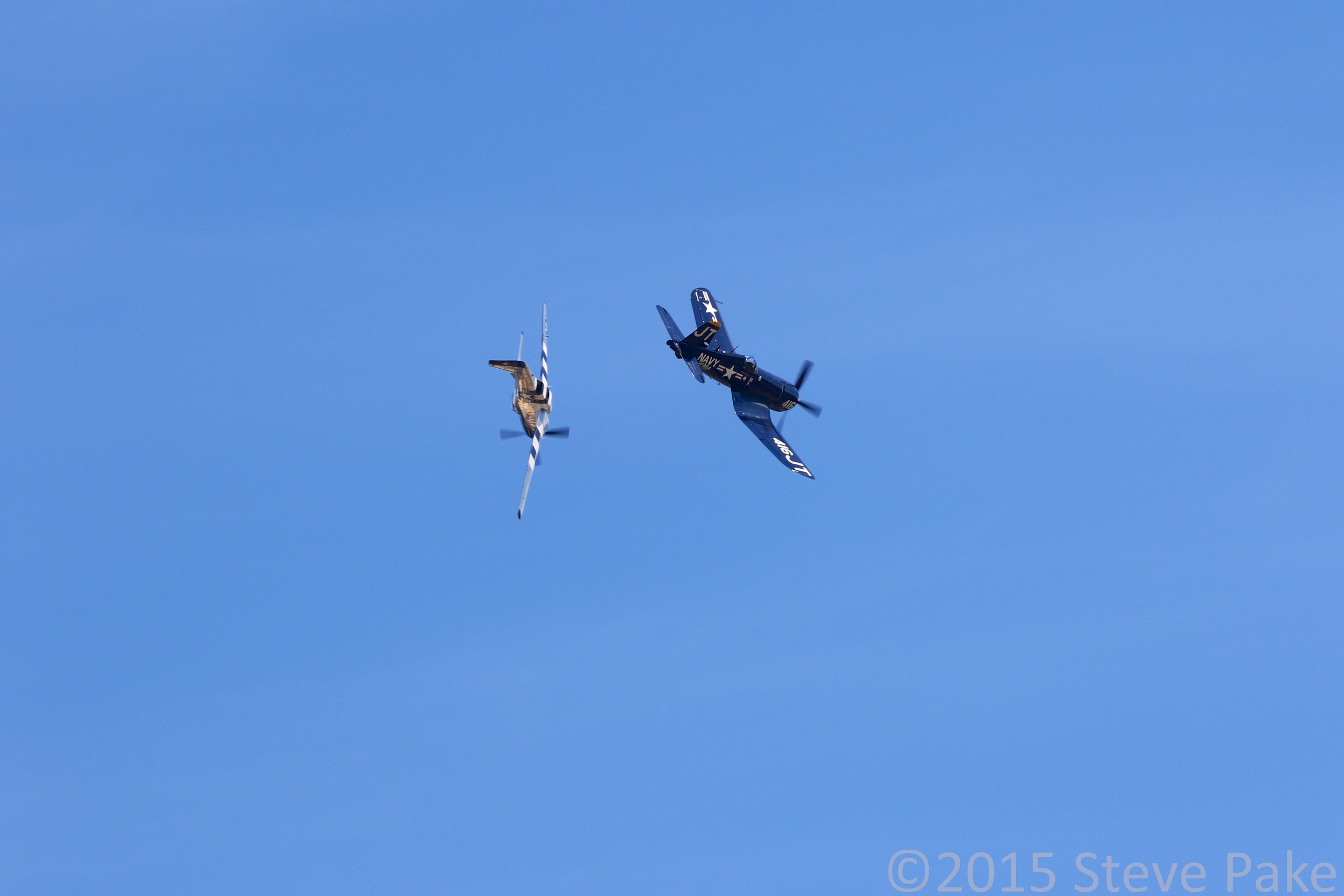
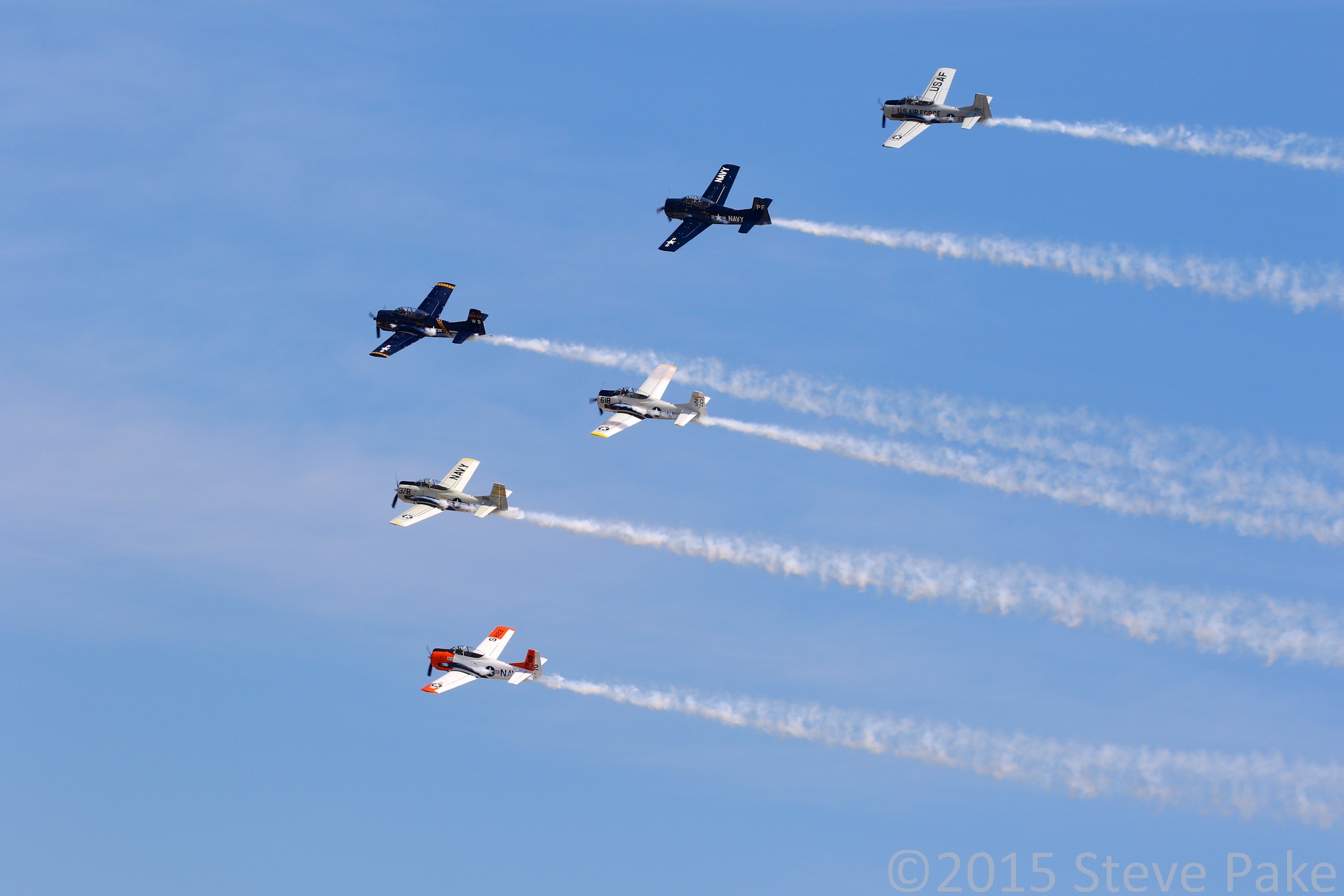
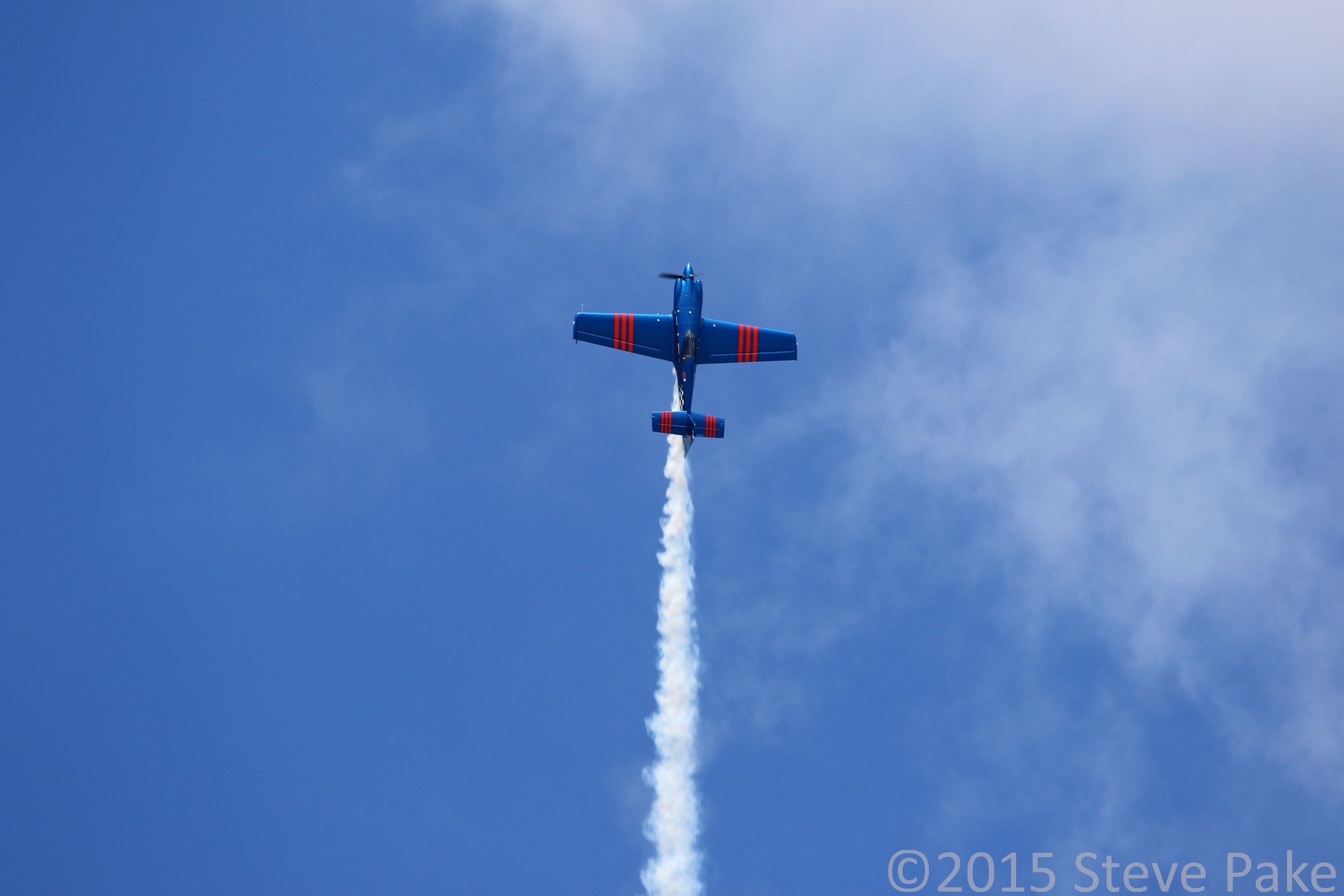
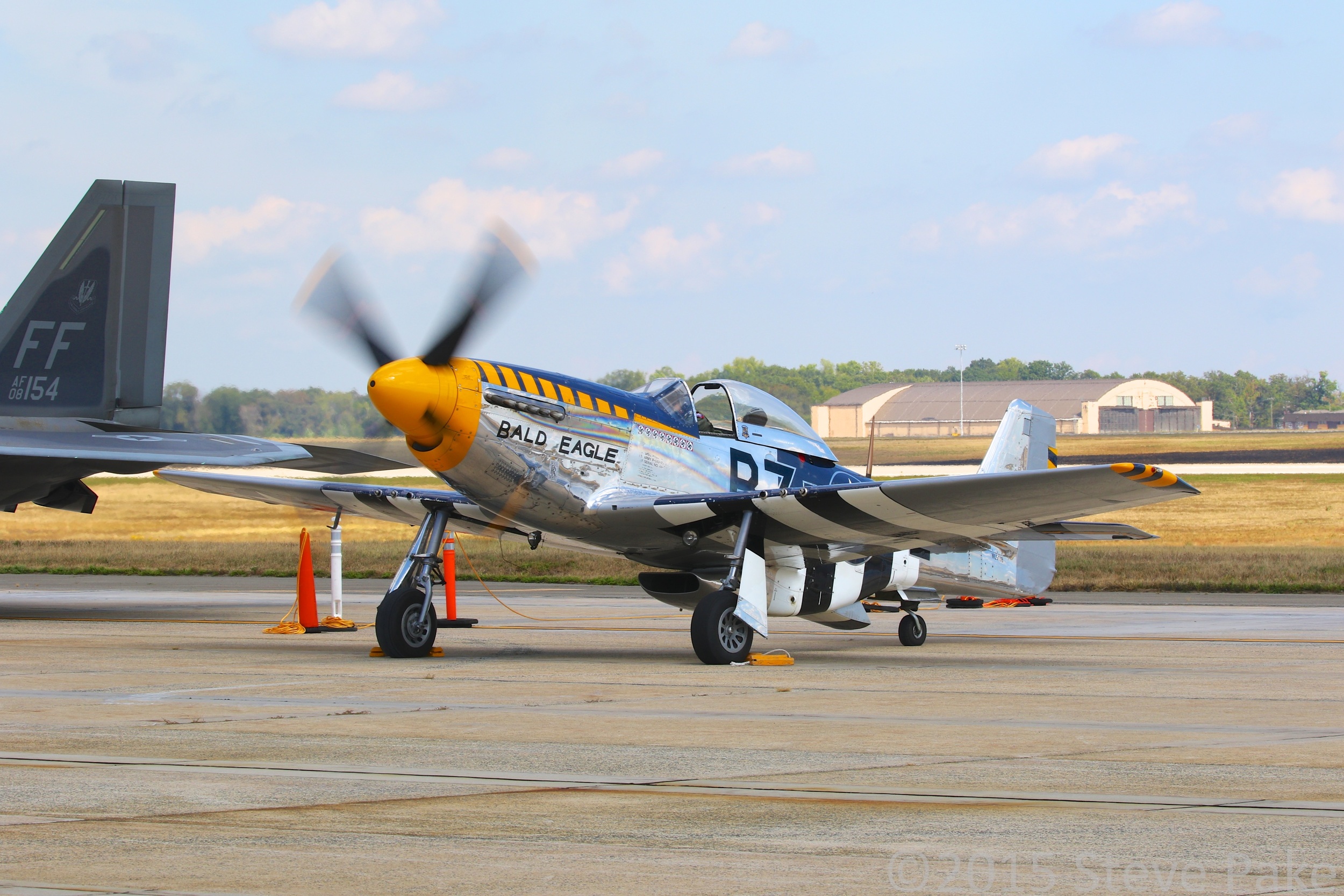
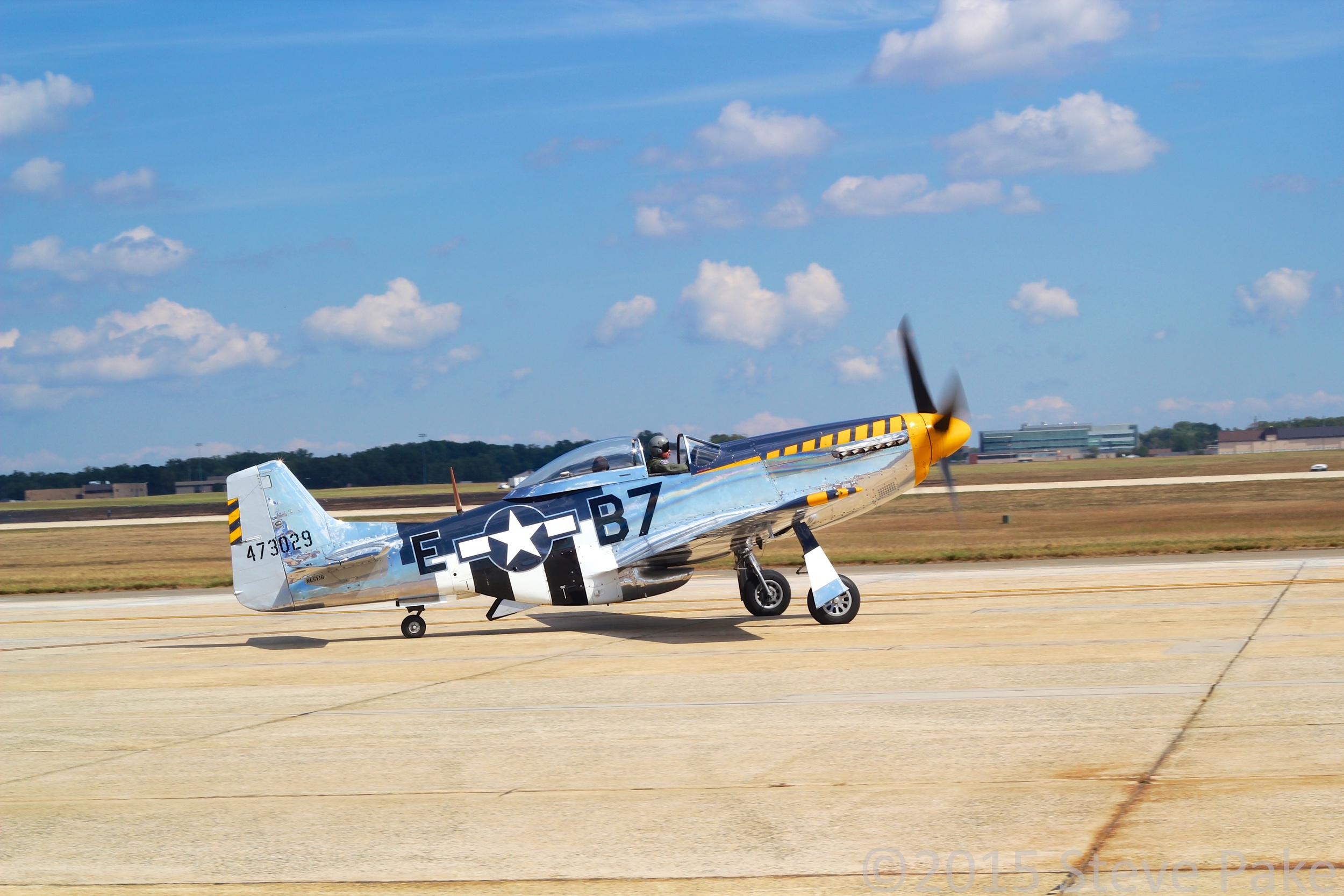
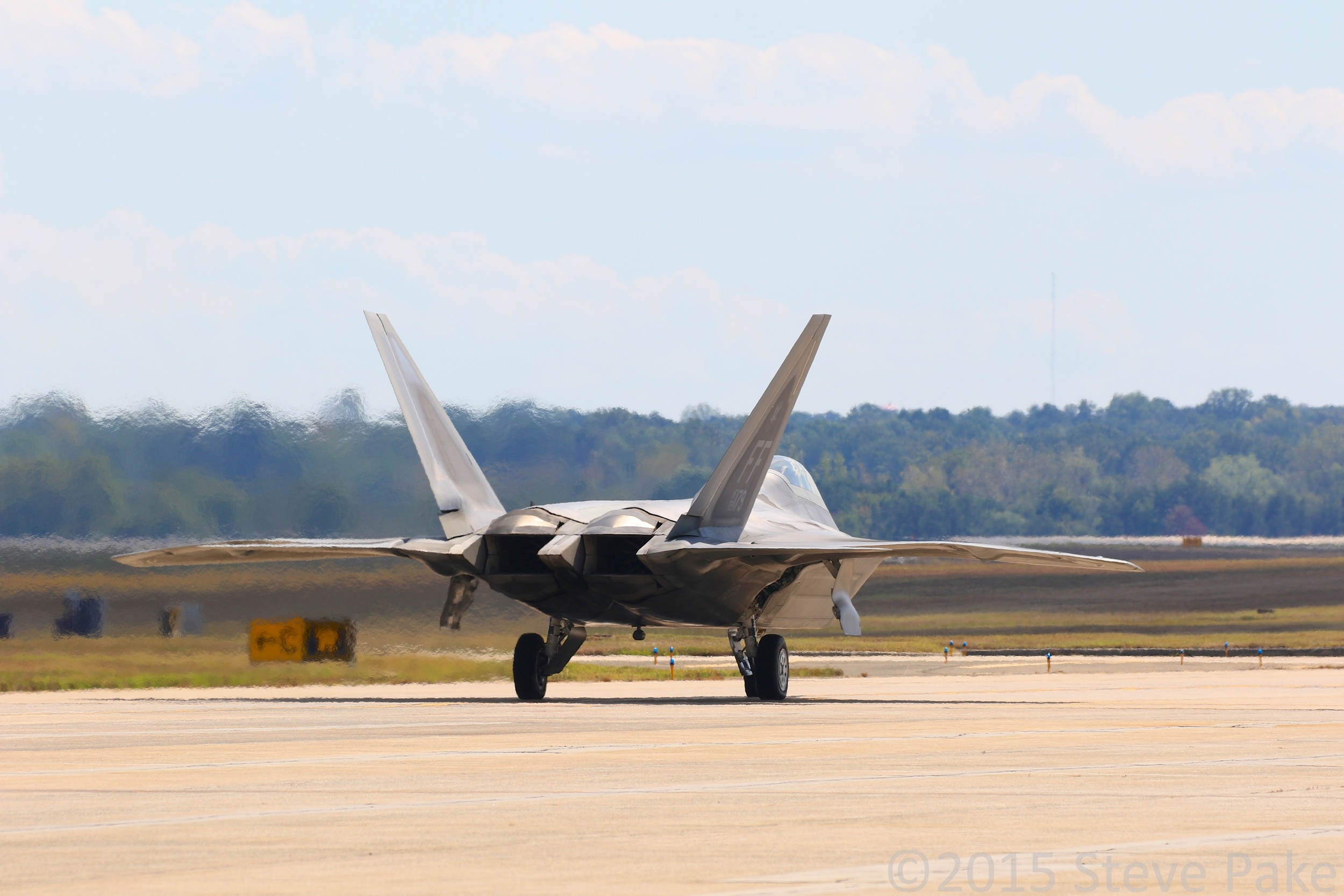
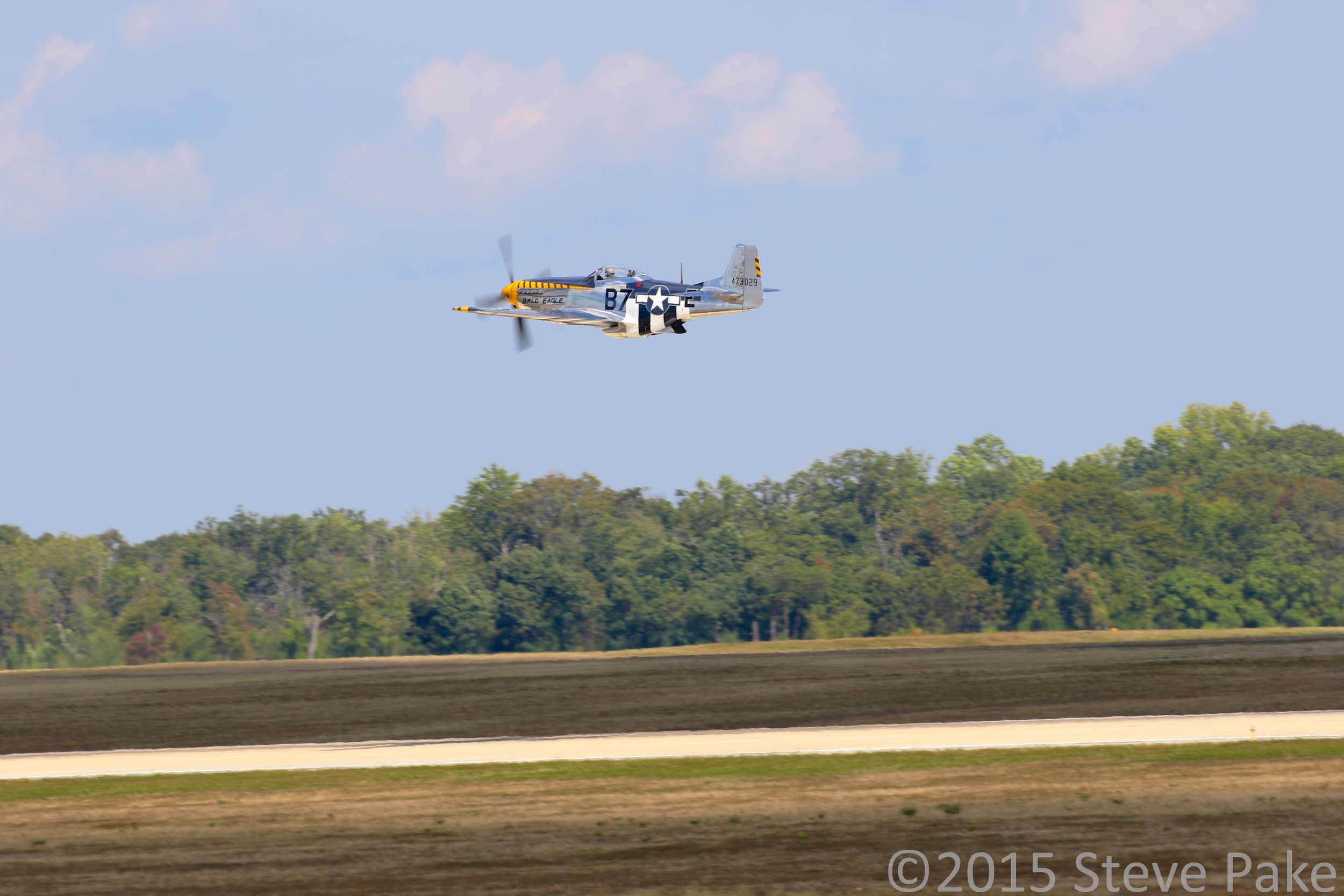
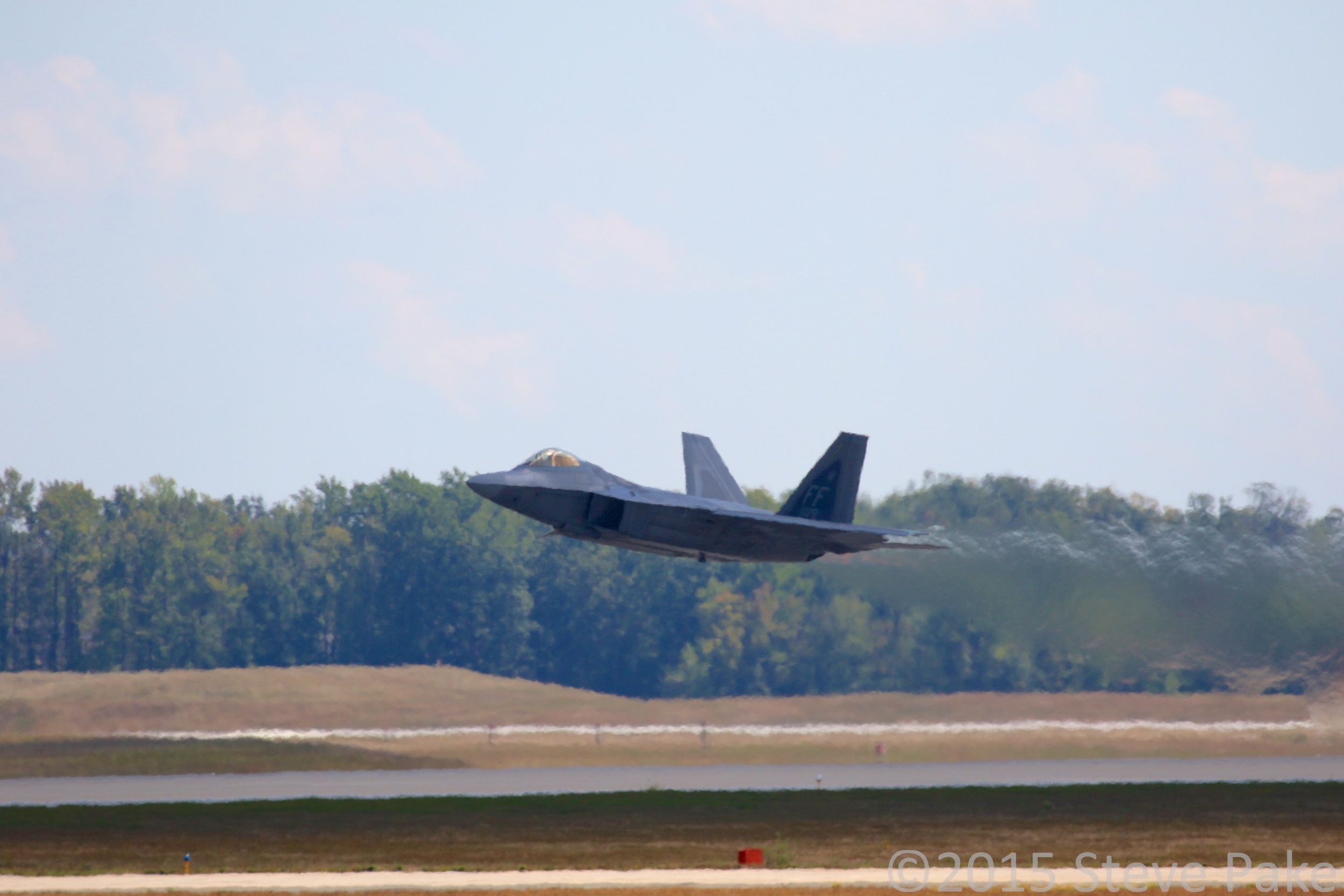
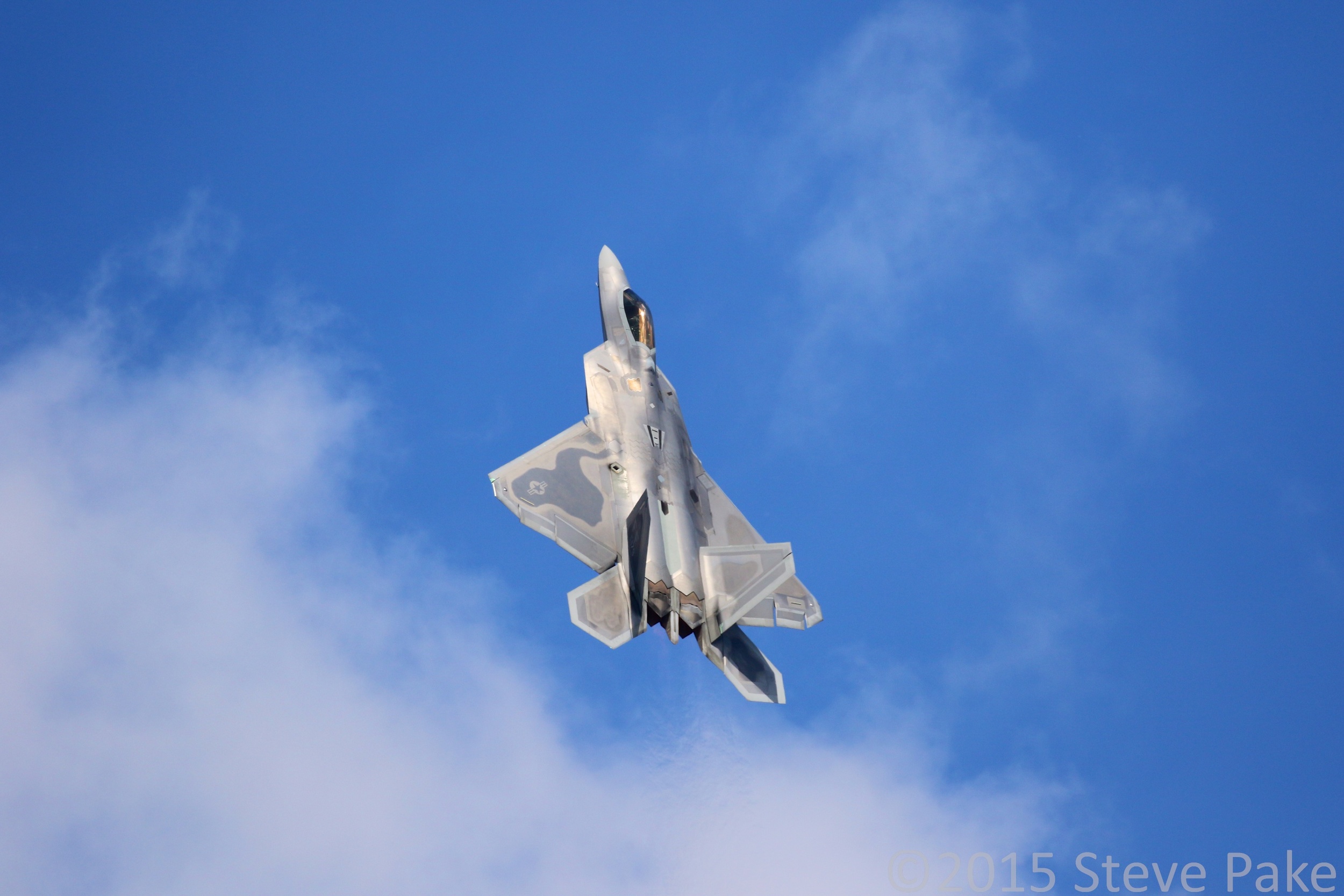
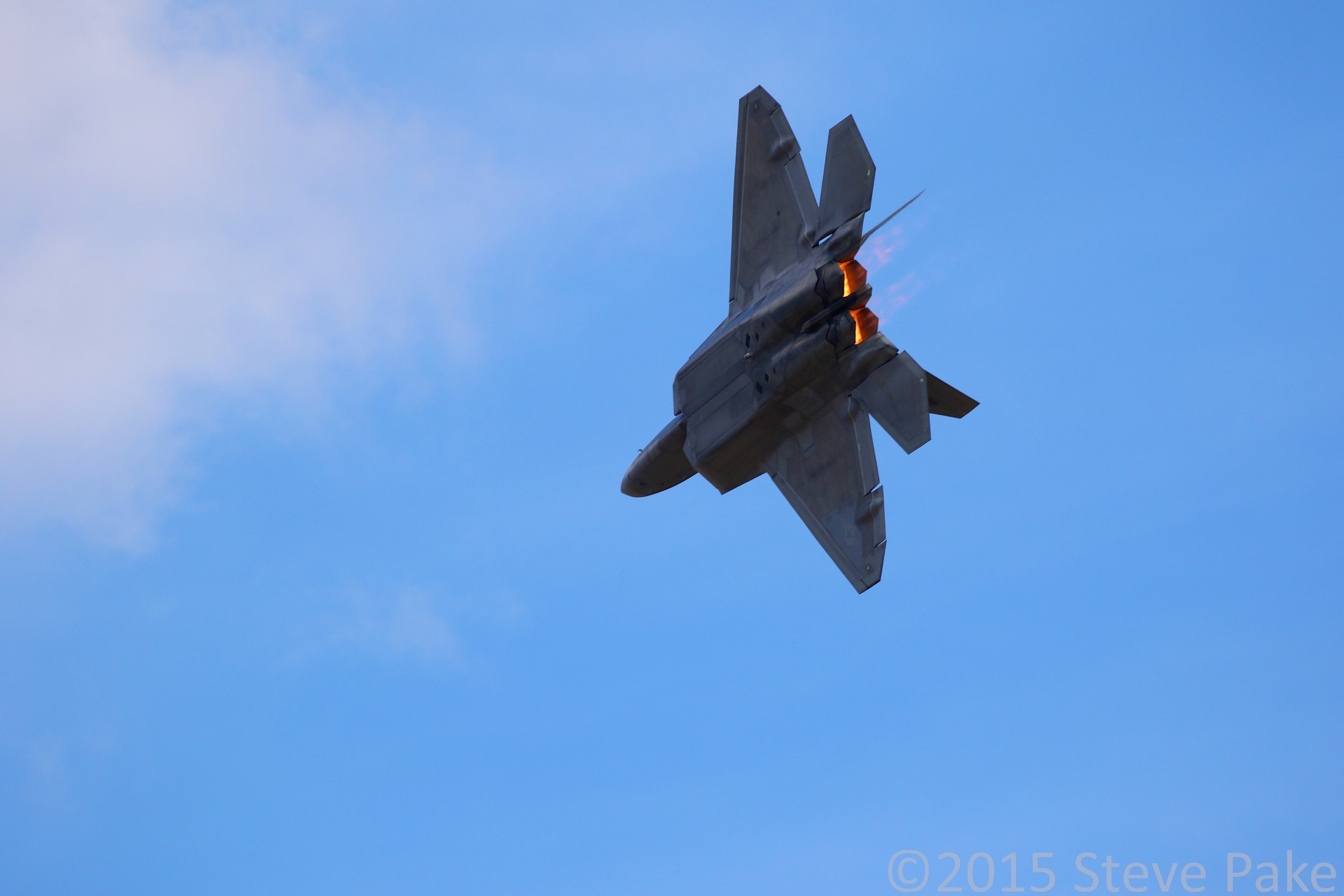
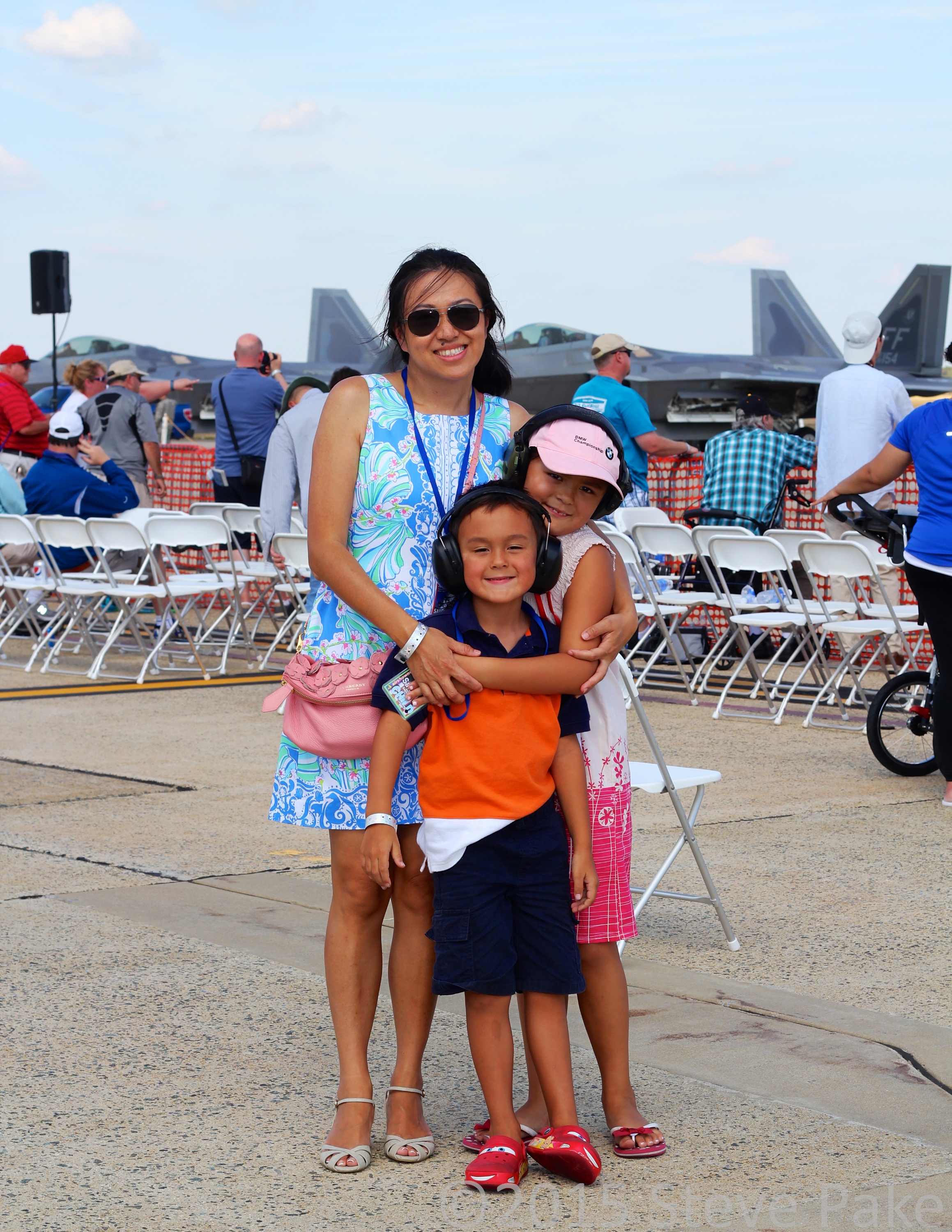
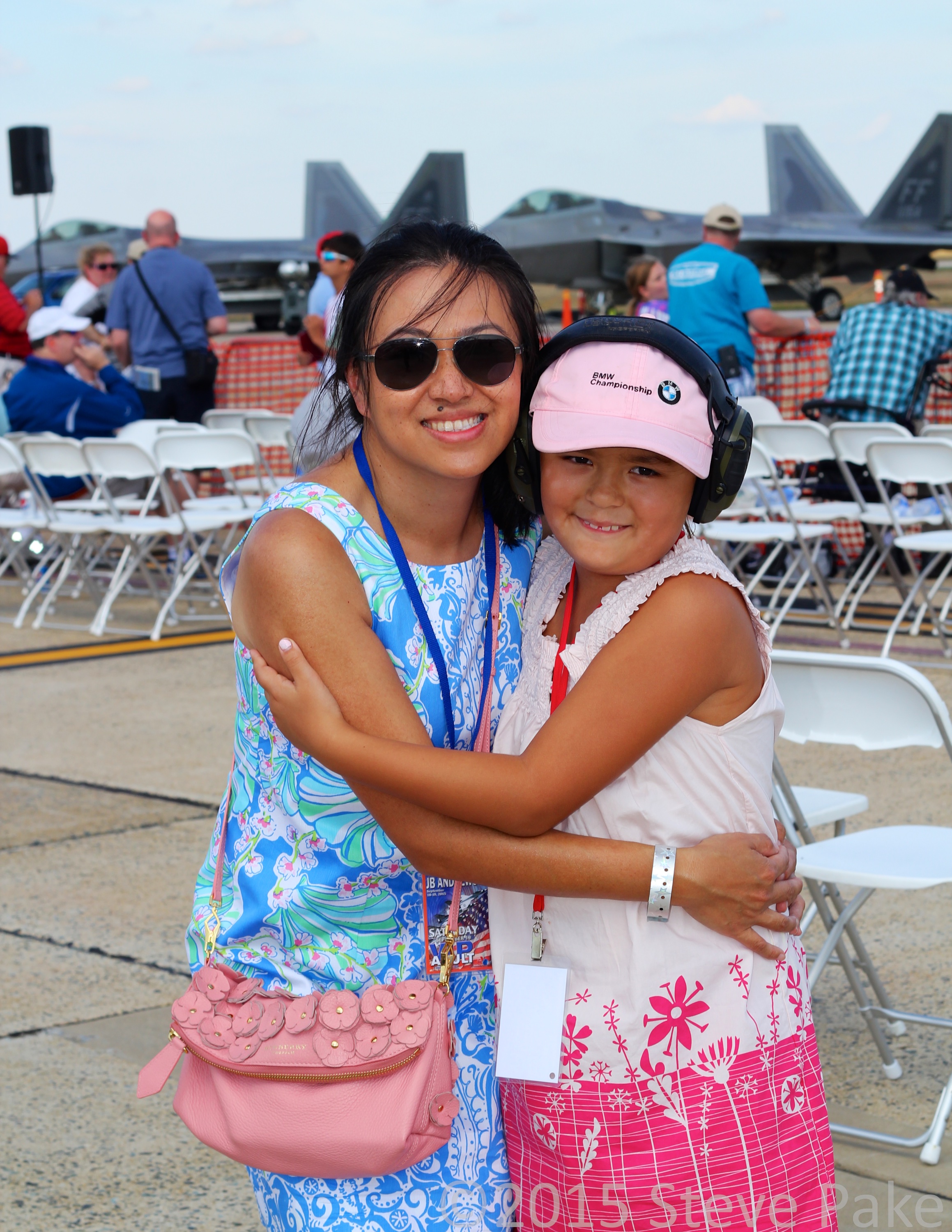
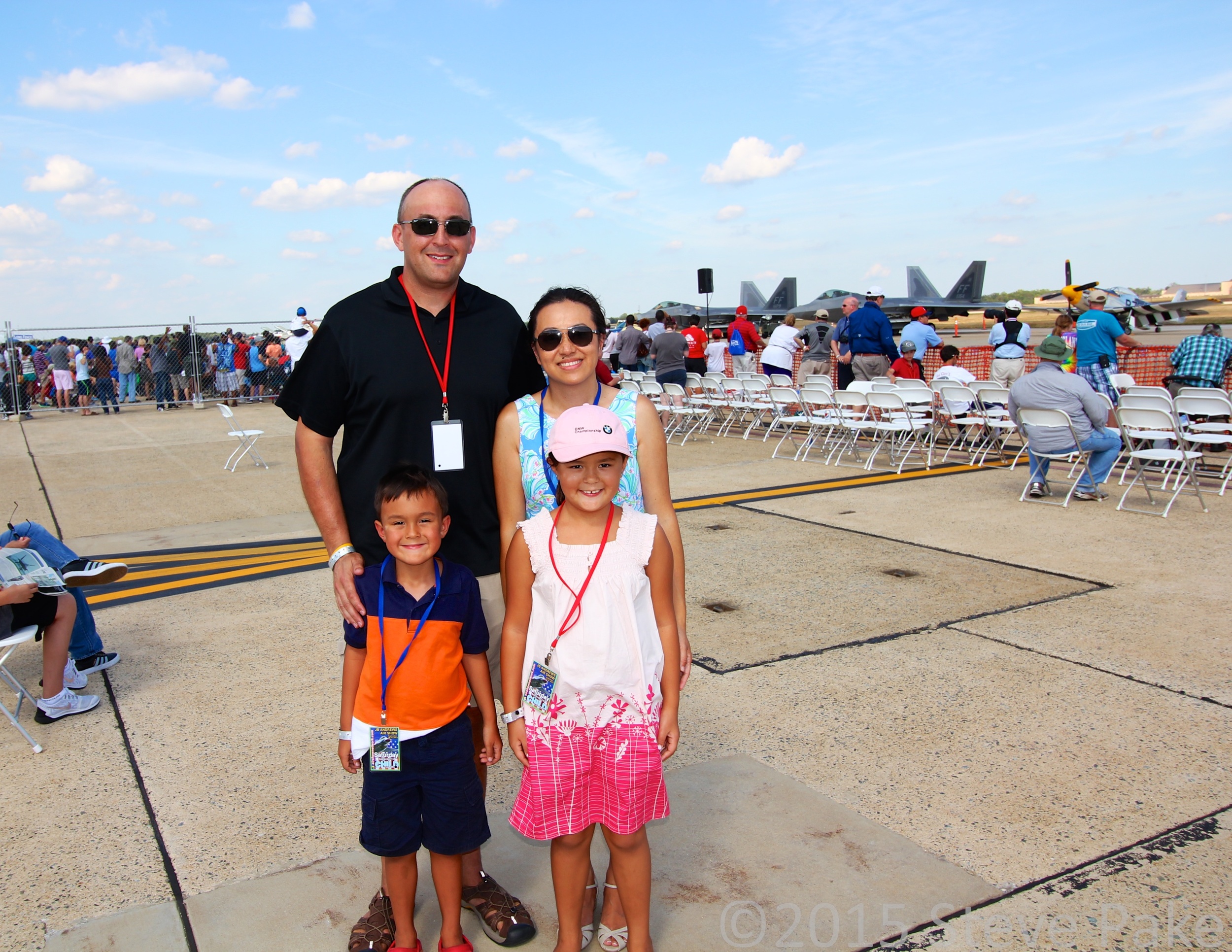
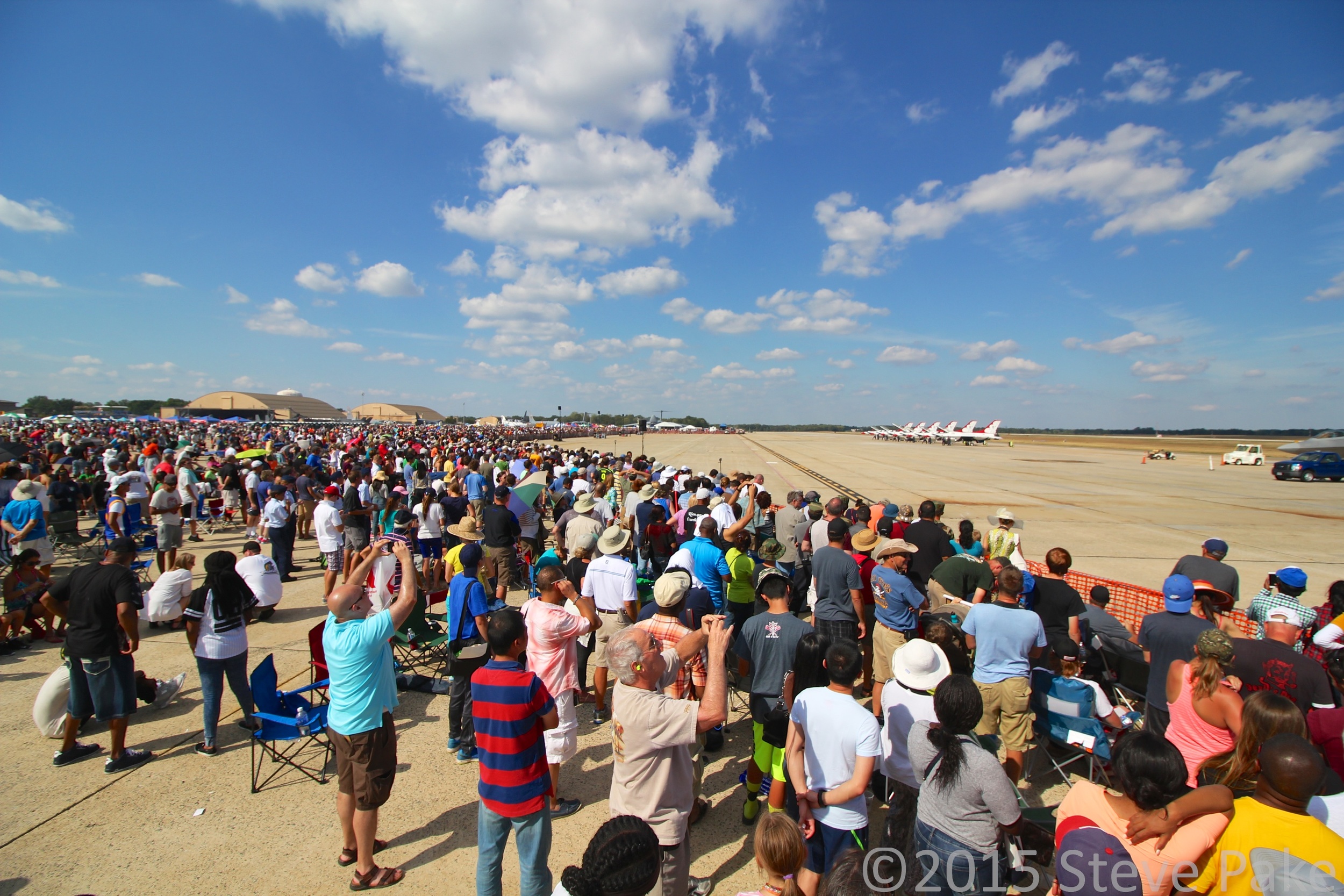
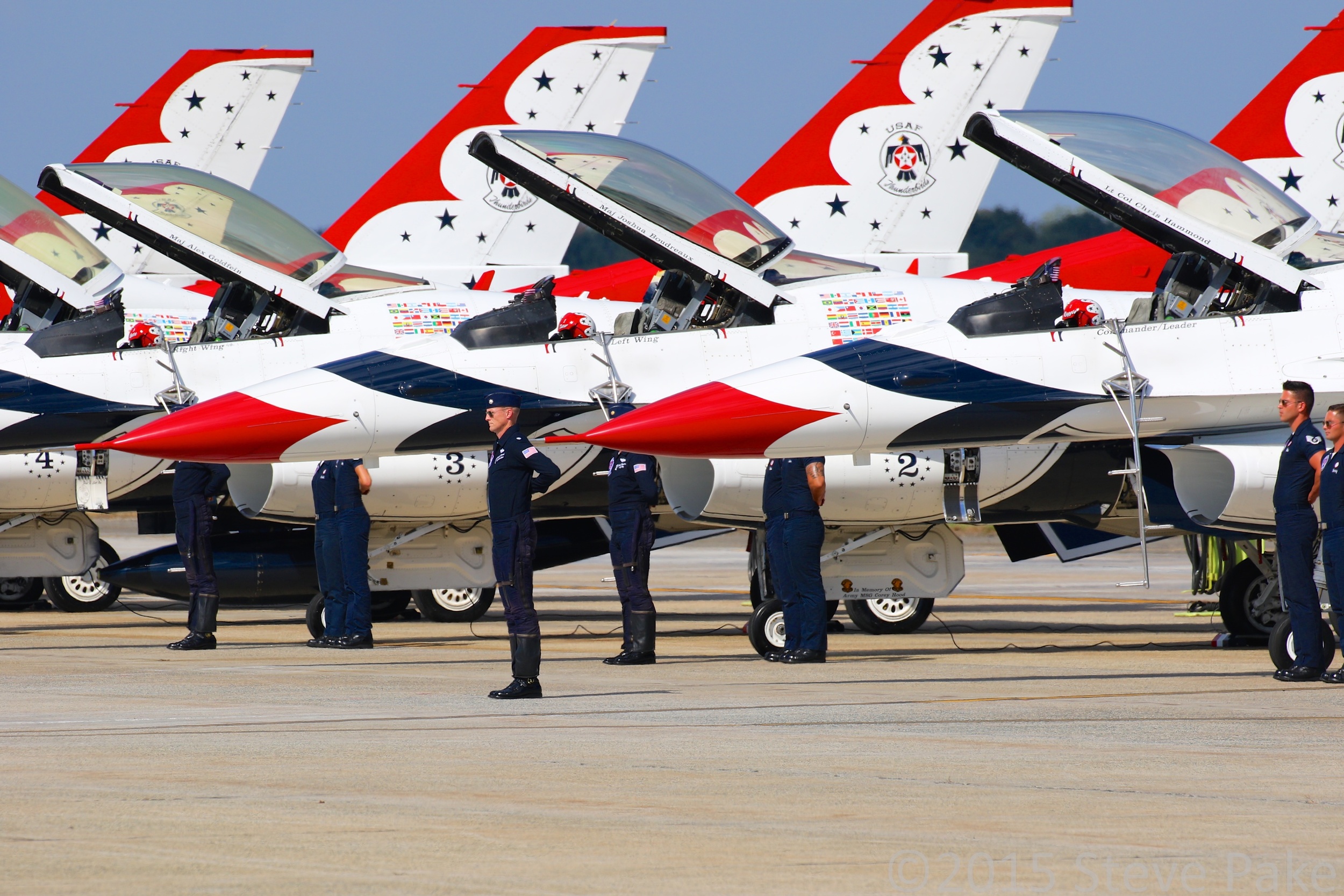
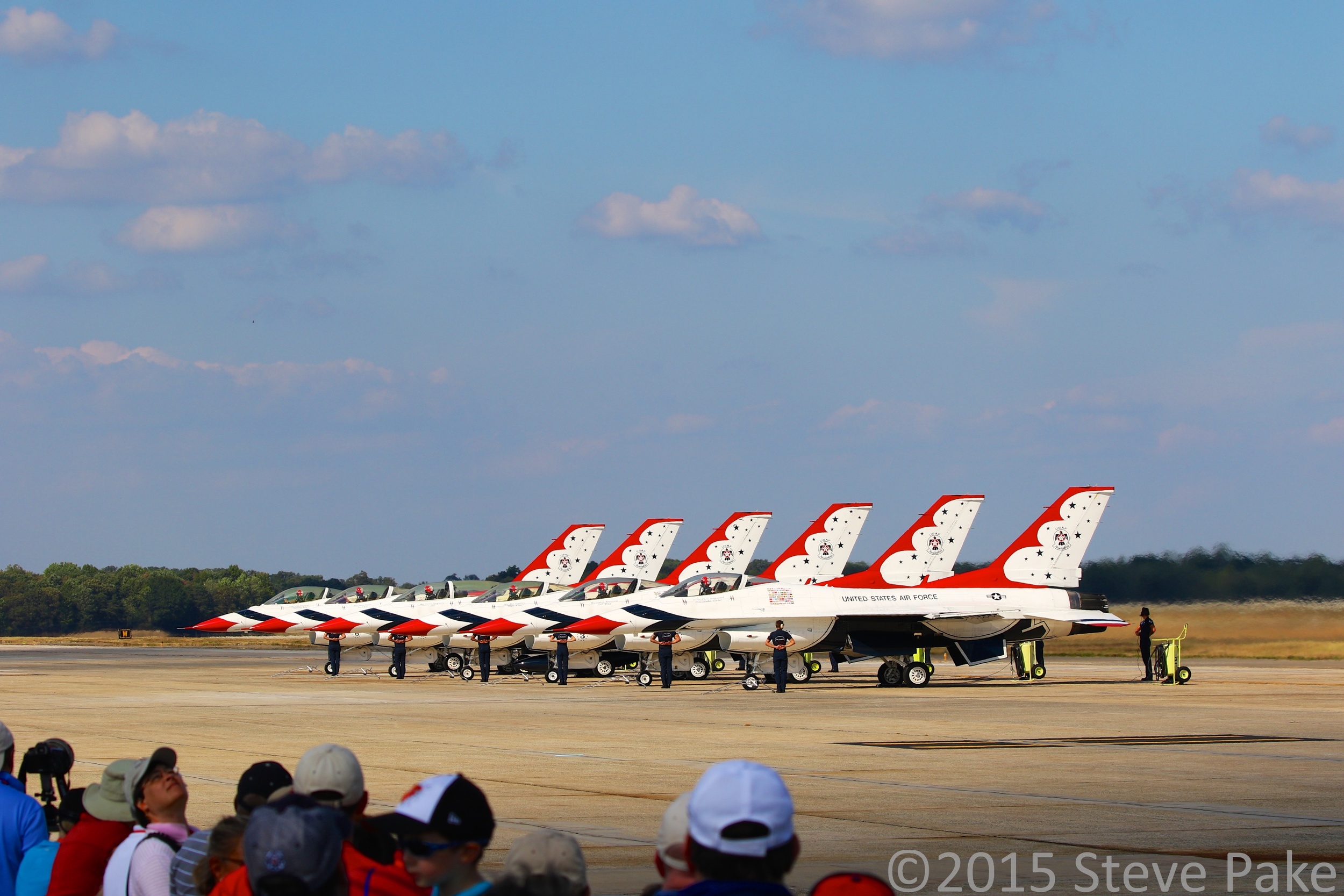
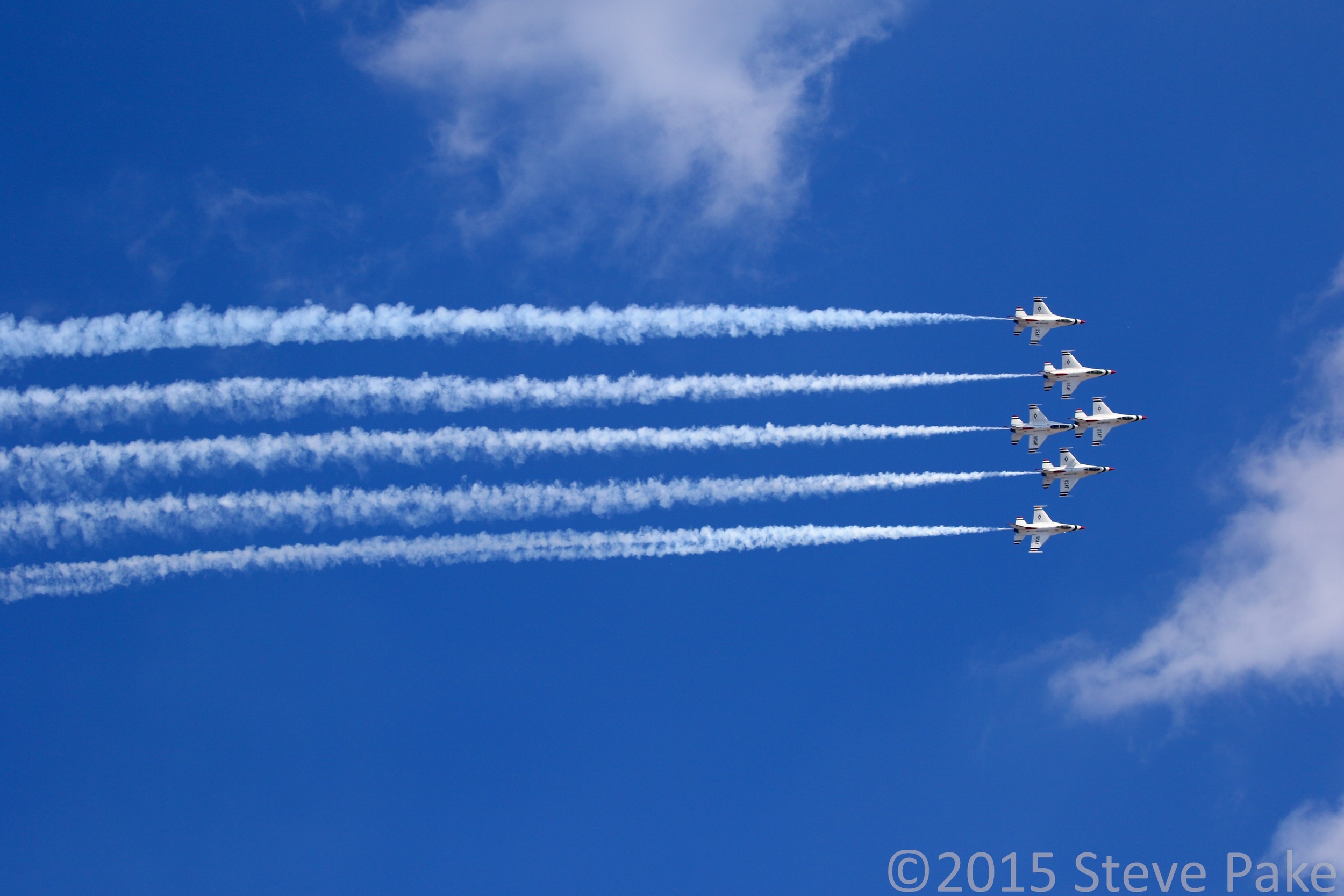
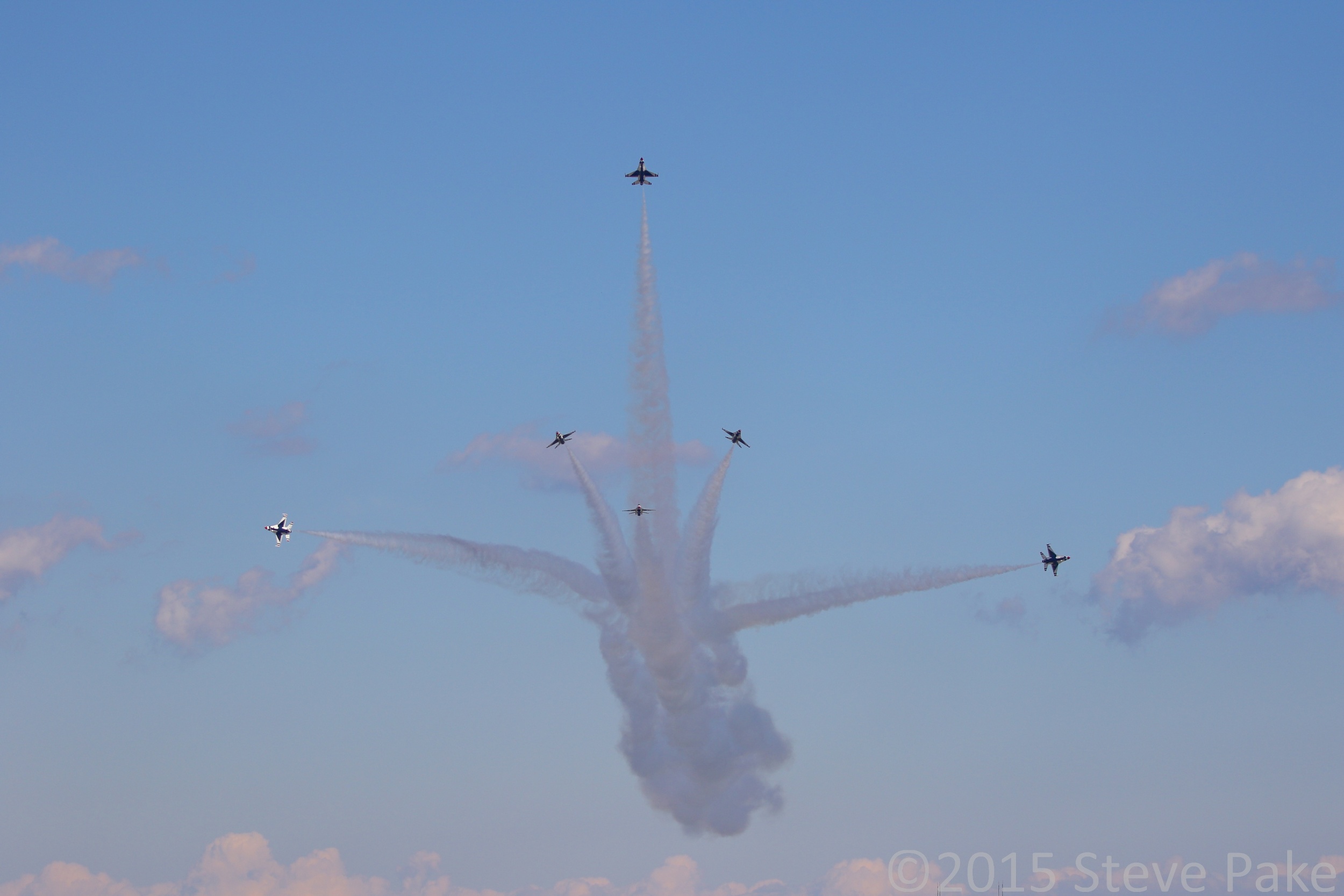
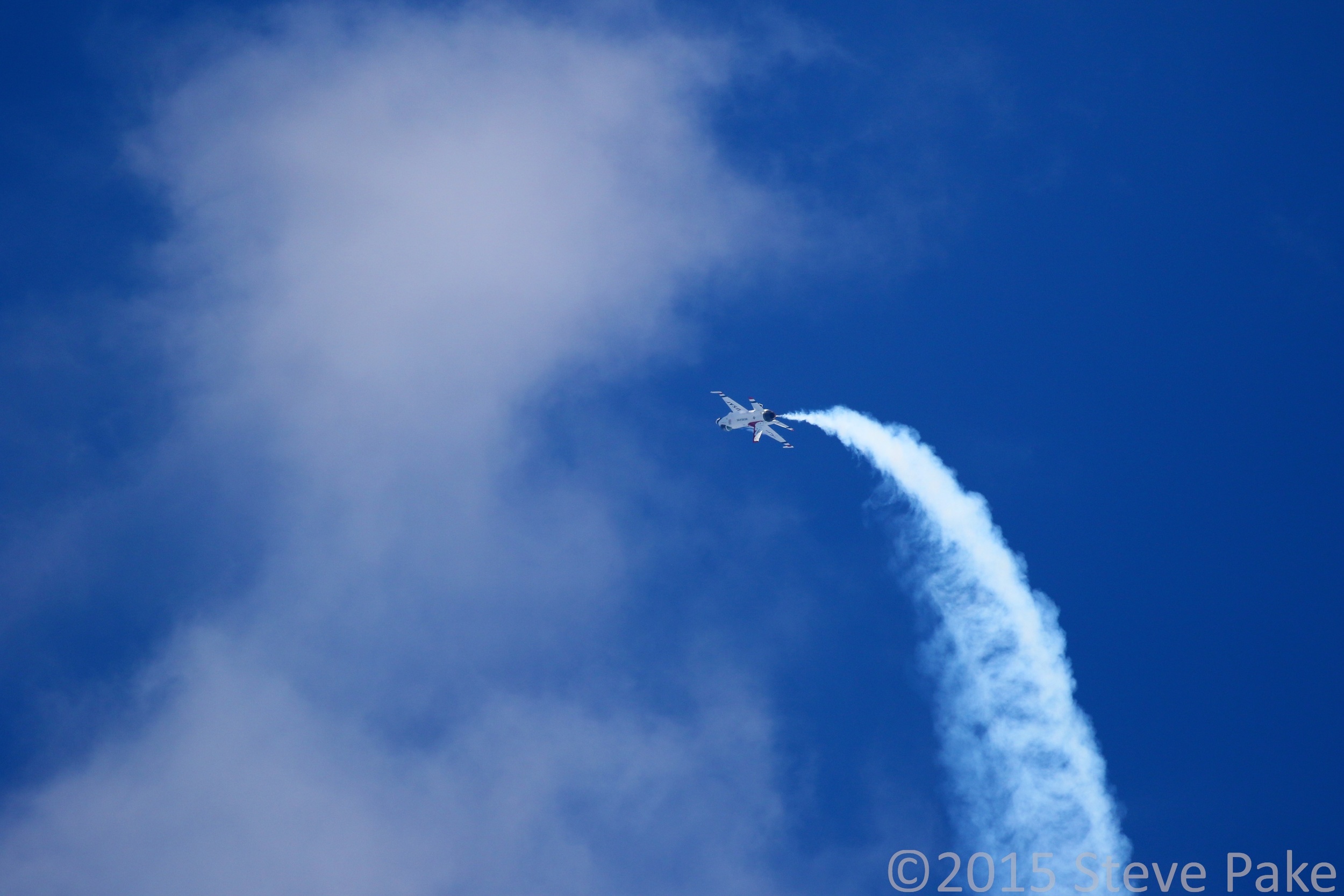
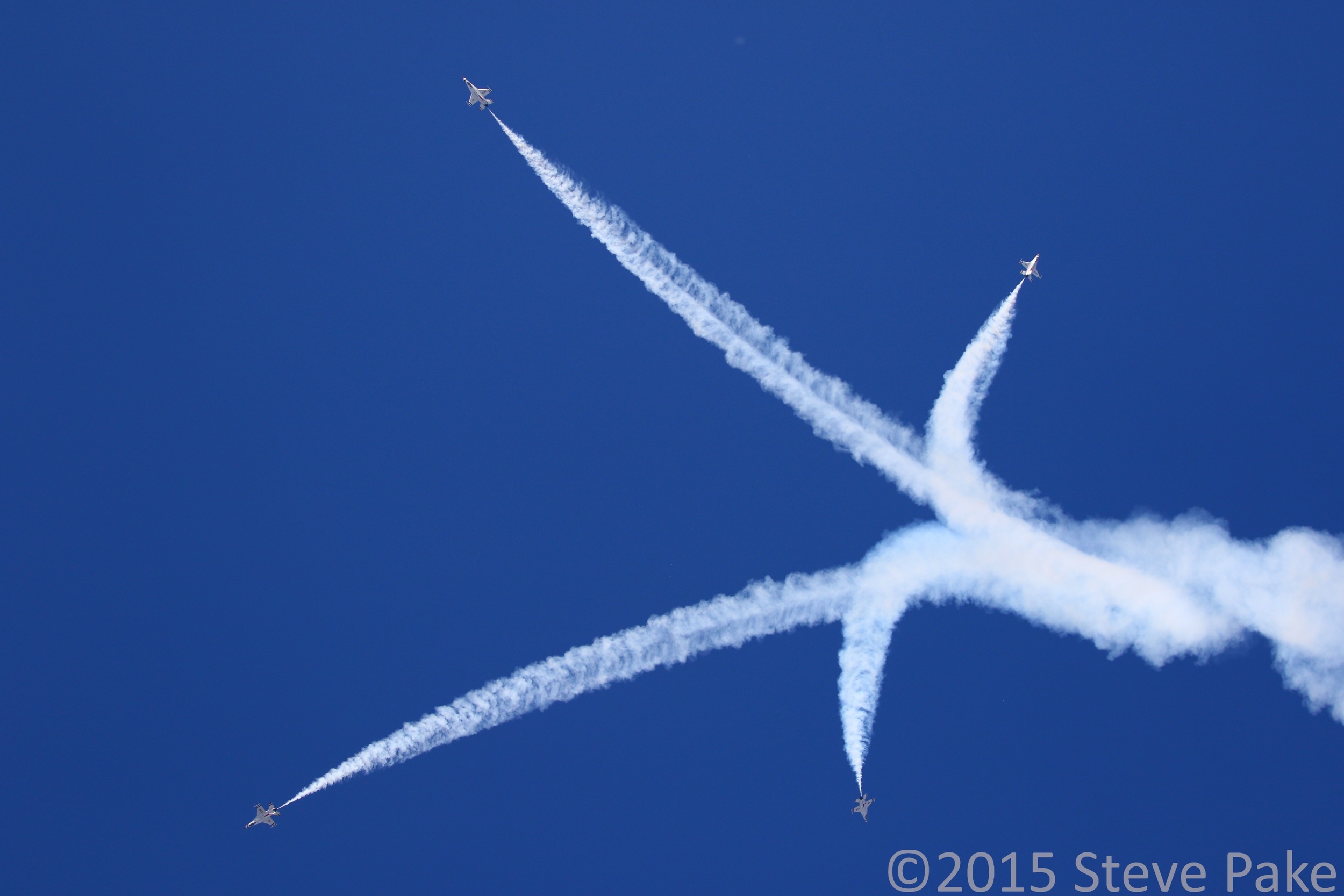
A huge highlight of our summer was finally getting to go to the Joint Base Andrews Air Show on September 19th, 2015. I had been to the Andrews Air Show back in 2012, and thought it was fantastic. I couldn't wait to go the following year with the whole family, except 2012 was the year they went to every other year for this particular air show due to budget cuts. By the time 2014 finally rolled around, the sequester killed our DC area air show once again, and it took until 2015 to finally get another air show, and only for a single day. Thankfully the weather was perfect, and it was a picture perfect clear day. We went all-in and sprung for Flight Line Club passes for all of us so that we could enjoy the air show in style. Luxury trip. :-)
A huge highlight of our summer was finally getting to go to the Joint Base Andrews Air Show on September 19th, 2015. I had been to the Andrews Air Show back in 2012, and thought it was fantastic. I couldn't wait to go the following year with the whole family, except 2012 was the year they went to every other year for this particular air show due to budget cuts. By the time 2014 finally rolled around, the sequester killed our DC area air show once again, and it took until 2015 to finally get another air show, and only for a single day. Thankfully the weather was perfect, and it was a picture perfect clear day. We went all-in and sprung for Flight Line Club passes for all of us so that we could enjoy the air show in style. Luxury trip. :-)
I rented a lens for the occasion, the brand spanking new Canon 100-400mm f/4.5-5.6L IS II lens from lensrentals.com and was so impressed with the lens that I ended up buying one. I'd rented the old push-pull Mk I version of this lens on several occasions, but totally fell head over heels in love with the Mk II. I loved the new twist-zoom action, the lens is sharper and doesn't slow down as much at the long end anymore (faster T-stop), and the new active stabilization mode worked great! Combined with my Canon 7D Mark II, there wasn't a better air show setup to be had. Those 500 and 600mm super-telephoto primes are swell, but there's no way I was going to carry them all around, and what about when you need to zoom out for wider or closer photos? :) I did shoot my old Canon Rebel T2i with the EF-S 10-18mm ultra-wide on it for a few photos, and grabbed a few with the 50mm f/1.8 also, but the vast majority of photos were with the 100-400.
Hope you enjoy the pics! It was a great day, and we definitely look forward to going again for the 2017 show.
Click Here for the Full Gallery, #JBA2015AirShow


10 Important Lessons on Life, Love, and Forgiveness After Cancer
There's a type of pain that's not often talked about by cancer survivors, and that's the pain we experience when the nature of our relationships with people in our lives change, as either a direct or indirect result of our cancer experience. This is the story of my deep interpersonal and spiritual struggles after cancer, of trying to make sense of the world again, of trying to get to the bottom of who I really was and what I needed in this world, and all of the bumps and roadblocks along the way.

An essay on the deep interpersonal and spiritual struggles after cancer.
From painful physical after effects of our treatments and various struggles with our bodies, to the emotional ups and downs during the long periods of surveillance after our cancer fights, most cancer survivors are no strangers to all sorts of pain. There's a type of pain that's not often talked about however, and that's the pain we experience when the nature of our relationships with people in our lives change, as either a direct or indirect result of our cancer experience. This is the story of my deep interpersonal and spiritual struggles after cancer, of trying to make sense of the world again, of trying to get to the bottom of who I really was and what I needed in this world, and all of the bumps and roadblocks along the way.
My friend Karen Sewell, whose husband Sean Martella died of testicular cancer the year before my own diagnosis, wrote of how lonely and isolating cancer and illness can be. As soon as you announce that you have cancer, some friends might simply disappear from your life, never to be heard from again. Most mean well, but some might have a tendency to say and do the wrong things. Others shy away simply because they know how delicate the situation is and don’t want to do any harm, except that not saying a word about cancer to someone fighting it can be dismissive and hurtful by itself. Those that are fortunate enough to have never faced a major trial in life, most likely won't be able to relate at all. Everything about life is still a sure thing to them. Cancer, especially as a young adult, can be such an awkward and isolating experience.
My wife and I had already been feeling somewhat isolated even before cancer. I had envisioned this stage of our lives as being filled with our brothers and sisters, big fun family get-togethers on holidays, our children getting to play with their cousins, and my wife and I getting to play aunt and uncle to various nieces and nephews that we'd undoubtedly have. Instead we felt nothing but a vacuum here. What a strange life experience it's been for both of us to have siblings that have had absolutely no interest in being a part of our lives at all, to the point that it’s like we're both only children. We're the only ones that are married, the only ones to have children, and we took on the challenge of starting a family without any of the peer level support that one commonly gets from brothers and sisters. Then cancer entered our lives, and we had to face that without that peer level support as well. Brothers and sisters are such a huge source of support for many facing cancers and other life-threatening illnesses, and to be without that really hurt. My wife and I have both felt feelings of abandonment towards our families, and I couldn’t bear to feel alone like this anymore after cancer.
I’ve been blessed with some wonderful friends, but too many of them were spread too far away. Even those that have been close by just tended to be on different life rhythms than us, which made it hard to connect. A few years prior to cancer entering our lives, I had encouraged my wife to join some women's professional groups to find people she could relate to better in the absence of brothers and sisters, and now I needed to do the same. I needed people closer to me, and began seeking new or closer friends that could become like brothers and sisters, but which people? Who could possibly understand what I was going through, and who could know me like a brother or sister could? It was a herding instinct coming to the surface. I had terrible feelings of insecurity after cancer, and felt so vulnerable. I needed my ‘herd’ to surround and protect me, people that could help look after my family if I wasn’t going to make it, but felt like I didn’t really have one, which made the feelings of insecurity even worse. I had mentally reserved those inner-circle slots for people that just weren't ever going to exist in our lives. How do you suddenly develop family-like friendships at this stage of life in such a bizarre situation? It felt like it would be impossible, but it was what I realized I needed. I learned some very important lessons along the way.
1. Good Friends are Hard to Find
Someone I had met the year after my cancer fight seemed to be the perfect person for me to know. There was a click and a connection that you don't commonly feel towards most people, there were so many common interests, and we were at similar stages in our lives. I felt like I already knew this person in a way, not unlike a brother or sister, or perhaps from a previous life. A wonderful friendship soon developed, or at least I thought one had, and there were some pretty fun times. I genuinely enjoyed this person and their presence in my life, and the camaraderie that we shared. I thought for sure this was a person that could fill one of these voids, only for them betray my friendship and my trust in such a terrible way that they were told not to ever speak to me again. I was so hurt, confused, and disappointed.
I was in the midst of a very dark time. A friend of mine had just died of his cancer, and other friends had relapsed and were back in the fight for their lives again. I had a lot of strange things going on with my body, and had all but convinced myself that my own cancer had returned. I was so distressed about life that I had cried myself to sleep on numerous nights, fearing that I was next, and that I was going to die. I needed every single friend, and source of love and support that I had, only to be feeling the loss of one in such a terrible way instead. I'd had a friend or two betray my trust like this long in the past, but of all the times for something like this to happen again. It was just plain rotten. And it wasn't merely a single friend that was lost either, but effectively an entire circle of friends that I no longer felt comfortable leaning on for any sort of support, and that I felt the need to distance myself from. I genuinely feared for my life and couldn't afford to be hurt anymore, and started pulling the plug on everything and everybody in my life except those I trusted the most. I was so afraid, and felt so alone. Cancer can indeed be so lonely and isolating at times.
2. Expect the Unexpected
When friends fail you, it's natural and even instinctual to turn to your own blood and family for support, but here I found surprises as well. My parents love for me knows no limits. They're both wonderful and dedicated people who have been a constant source of support for my wife and I through these difficult times. There's nothing that they wouldn't do for us, but that was also part of the problem. When things were really bad, the more they tried to help me, the more they just ended up hurting me in the end. I had to send my own parents away for a time too, and then I was completely heartbroken.
The only thing my parents have ever been guilty of is loving me a little too much, and trying a bit too hard, when they just didn't have the right God-given tools for the job to connect with me in the way that I needed. I love my parents with all of my heart, even if it’s difficult for me to show. It's such a cruel trick of nature that even your own family might not know how to connect with you on that soulful level needed in order to support you. It wasn’t just new brothers and sisters that I needed to find, but a second set of parents as well. I needed help from those that just knew what I was going through, and that had the tools needed to nurture me and guide me through such distressing times after cancer as these, either through experience or God-given ability.
3. We All Carry Pain
“If we all threw our problems in a pile and saw everyone else's,
we'd grab ours back.” - Regina Brett
What I've learned the most from these failed friendships and relationships in my personal life, is that there's no shortage of people who carry pain around with them. From others carrying the burden of their own cancers or other diseases and disorders, either as fighters or caregivers, to those who have lost loved ones, things are just getting started. There are those suffering from failed or loveless marriages, divorces, abuse, and other relationship woes. There’s abandonment, job and career woes, poverty, addictions, victims of crime and rape, family and parenting woes, and the list just goes on and on. Loss of fertility is common with young adult cancer survivors, and for many, there’s the pain of knowing you might not ever be able to have a family of your own.
If someone doesn't carry any pain with them or they're not struggling with anything in life, it just means that they're fortunate enough to have not faced a major trial in life yet. Or perhaps they are, but you just don't know about it, or they're better at hiding things than most. You never know what lurks within. Life will test all of us sooner or later, and periods of struggle or suffering in life are inevitable. You’re never alone in your pain.
4. "Be Kind, Everyone is Fighting a Battle You Know Nothing About"
I pretend to know and understand nothing of the pain that others carry with them. The only shoes that I walk in are my own, but I know what it's like to have a battle waging inside of you that no one knows a thing about, and I know what it feels like to be on the losing end of that battle. Cancer never really leaves us. It can continue to haunt us and affect us even long after it's gone, and filled me with so many doubts. Cancer isn’t just a disease of the body - it can be a disease of our minds as well.
“My body is battered so badly from cancer once and I’m only in my 30’s. What if I have to face cancer again? Will my body even be able to handle it? Will I have any quality of life left at all? Will I ever live a life without pain? Will I ever live a day where I’m not struggling so badly with fatigue again? My cancer is just going to come back. I’m just going to die anyways. Why plan for a future if I’m not even going to have one? My children will grow up without me. I will not live to see the day my daughter gets married, and won’t get to walk her down the aisle at her wedding. I will never get to hold a grandchild. I’m going to window my wife, and she’ll never find happiness in this life again without me. She’ll suffer, and my children will suffer, and there’s nothing I can do about it. My cancer is going to come back, I’m going to be one of the ones, it won’t be curable, and I’m just going to die. Enjoy this moment now. It will be the last time.”
These are the thoughts that had plagued my inner dialog for awhile. They had flooded me, and pushed me to the brink. I couldn't enjoy the simplest of sweet moments with my family without such dark thoughts coming into my head. They were demons that had invaded my mind, savaging me at every opportunity. These thoughts took hold, I had no control anymore, and didn't know how to make them stop. I couldn’t bear to be hurt like this anymore, and for one very brief moment that I'll never forget, I contemplated suicide. That would make them stop.

“Cancer as a disease of my mind came far closer to killing me
than it ever did as a disease of my body.”
God bless my wife, my soulmate in this world, for sticking by my side. Even she was at her wits' end, but she never gave up on me, and she got inside of my mind in a way that only a soulmate could do. With the power of her love, she got my demons on the run when I lacked the ability to fight them anymore, pledging to never stop loving me, and that she would go to ends of the earth for me if that's what it took. Her love cured me.
No one else has known about this until now, because I've never spoken about it to anyone. I don't think my wife even knows, because I didn’t want her to worry anymore than she already was, and because that moment of contemplation came and went quickly and didn’t linger. I knew it wasn’t the answer, and that it would be a terribly selfish thing to do. I knew just how much my family needed me back, and my wife was able to get me there. She saved my life not just from cancer as a physical disease, but from cancer the mental disease as well. I’m forever indebted and in love. It’s never been more clear to me how our purposes in life are linked to one another. I’m so blessed.
I've learned to never truly judge anyone, because you never know what sort of pain they're dealing with on the inside, what their paths through life have been like and the challenges they’ve faced, nor what their own internal dialogs have been telling them. Not a soul in this world has known just how dark my own internal dialog became. Someone may have been terribly hurtful towards you at the end of one chapter, but you have no idea what was going on in their lives for all of the previous chapters. Be kind to others always, and leave the judging to God. Protect and isolate yourself from those that are behaving in hurtful or potentially destructive ways. Remove them from your lives if you must, but know that they probably need love and someone to believe in them more than anything, and not your condemnation.
5. All You Can Do Is Your Best
“Finish each day and be done with it. You have done what you could. Some blunders and absurdities no doubt crept in; forget them as soon as you can. Tomorrow is a new day. You shall begin it serenely and with too high a spirit to be encumbered with your old nonsense.” - Ralph Waldo Emerson
All you can ever do is your best, even if the best you can do on a given day is to just survive and be present. I have nothing to hide and nothing to be ashamed of, because I know in my heart that I've always done my best every single day, no matter how badly I'd been hurting. I know that I haven't always been the best father, the best husband, the best son, or the best friend when my mind has been trapped in the darkest of places. I know there are people that I've disappointed and hurt, and for all of that, I'm sorry. My intentions have always been pure and honorable. There’s no one that I’ve ever wanted to hurt, despite it just having become impossible to avoid in some cases. Life occasionally presents us with impossible situations, and sometimes there’s just no way to win. I’ve accepted my failures and shortcomings as part of me, I know in my heart that I did the best that I could do, and that's all we can ever do.
6. We’re All The Same Inside
We're all unique and beautiful in our own ways, but it doesn’t matter if we’re younger or older, richer or poorer, black or white, or left or right. One of the most comforting and unifying things I’ve come to realize as a young adult cancer survivor from interacting with hundreds of fellow young adult survivors all over the globe, is that we’re all the same inside. We all want someone to love, and to be loved in return. We take great pride in our children and their accomplishments and love watching them grow. We have our unique dreams and ambitions, and yearn to make the world a bit better place than when we arrived. When faced with something such as cancer, we feel our lives turned upside down. We’re all so afraid, and feel betrayed by our bodies when everything suddenly becomes so uncertain. We want so desperately to know that we’ll have a future, and that we’ll be able to go on living, loving, and being present in life with all those we love and care about, and still trying to make our dreams a reality. It hurts so much to lose that perceived certainty in life.
All of this transcends race, religion, class, and caste. I’ve never felt more at peace than the times I’ve shared such terrifying thoughts with other cancer survivors, whether across town or across the globe. Here I was thinking I was all alone and that nobody else could possibly understand, only to realize that everyone did, and that they had felt the same exact things too. You’re never alone. We’re all so unique and diverse, yet so much the same, and all in this world and this life together.
7. Love and Forgive
“When each of us is able to look into the eyes of even our worst enemies and see our own eyes looking back, then we’ll see true transformation of the human race.” - Anita Moorjani
When I think of the people that have hurt me today, I no longer see people who were trying to hurt me. I see myself. I see people who have been hurting inside that have been lost, troubled, and confused. I see people that have perhaps been on the losing end of inner battles they’ve been facing in their own lives. I see people who were just trying to find what they needed in life, but sometimes making mistakes, and occasionally terrible ones. We act out towards others when we can no longer bear the pain that we’ve been experiencing, just as I’ve acted out when I could no longer bear my own. And perhaps, sometimes, we cause each other pain without even knowing it.
With all that I’ve learned and have come to realize, and all the soul-searching that I’ve done through this journey of mine, how can I go on hating people for hurting me, when I know they’re really the same as me inside? It’s like I’m hating myself, and maybe that’s what I’ve really been doing.
I want the people who have hurt me to know that they’ve been forgiven.
Life is far too short to want to waste even a minute of your life hating someone if you could just forgive and love them instead. It’s a conscious choice that we have on how we’re going to feel about people. My choice now is to love. Those that have hurt and disappointed me are beautiful beings of the universe just like me, but facing different challenges in life, and hurting in different ways. They have my empathy, my understanding, and my love and forgiveness.
8. “Sometimes all you need is a Second Chance, because time wasn’t ready for the first one.”
Everyone deserves a second chance, even yourself. A few months ago, I ran into someone that I had previously considered a friend. As soon as they caught sight of me, they turned themselves around and went straight back where they came from. They thought I hadn’t seen them. What happened between this person and I was very sad and unfortunate, and I was sorry to still see such a reaction after so long. I’ve long since healed and moved on from the damage this person had caused, and such experiences today only serve as reminders of a painful past, when I’d rather just remember the love and the good times.
I’m sorry that it’s taken me so long to get to the point of being able to offer others forgiveness and second chances, but that’s just how long it’s taken me to heal from my own pain, and to win my own inner battles. And then some people just haven’t done themselves any favors, either. You can’t forgive the mistakes of others until you can forgive yourself for your own. You can’t offer others second chances until you're willing to grant yourself one. And you can’t truly love others, despite the pain they may have caused you, until you can truly love yourself.
It’s long past the time to bury the hatchet with some, and I’m no longer going to barricade people from our lives as I have. It just seems so pointless now, knowing that we’re all the same inside. Forgiveness and second chances don’t suddenly right past wrongs, nor do they mean I don’t still feel disappointment towards some. It means that time can help heal wounds too, that the pain has slowly been forgotten, and that the good times and laughter are still remembered. The time is ripe for old friendships and relationships to resume. So long as hearts are all in the right places, doors can be reopened with a smile, even if it's only to say a more proper goodbye, or to leave things better than they’ve been. I’ve made peace with the past and know that I’ve always done my best, and am looking forward to a brighter future.
9. Love Yourself Unconditionally, and Be 100% Genuinely You
"My cancer taught me the importance of loving and valuing myself unconditionally for who I am - a perfect child of the Universe, who is worthy and deserving of love, without needing to prove myself, better myself, or change myself in any way."
"If you believe that 'like attracts like', then the absolute best way to attract what's best for you is to love yourself to the point where you are filled with love. You will then attract to your life everything that confirms this belief about yourself." - Anita Moorjani
Perhaps one of the reasons that I struggled to fill the various voids in my life that cancer had revealed is because I hadn’t been fully genuinely “me” with anyone besides my wife yet, and even long before cancer. Like attracts like, so stop being afraid to be yourself. If all you allow yourself to be is "not quite you", then the best you'll ever find will be "not quite for you."
Cancer survivorship is the time to strip away all of the societal expectations and social conditioning that have never really fit you, and to allow the true you to shine through. Don’t let anything hold you back, don't make any excuses, and don’t be afraid to break the mold. Be genuine, be true to yourself, and be the person that you were always meant to be. Do the things that you enjoy doing, and who and what you need will find you without any effort. If you haven't found people to fill your life that can love and appreciate you for all that you are, exactly as you are, you haven't found the right people yet. Keep looking! You deserve nothing less than the love of full acceptance.
10. Don't Be Afraid to Keep Opening New Doors
It's all too easy to want to shut out the world when you've been so hurt and have felt so alone. Withdrawing to only those that you feel most secure around is natural, but don't allow yourself to become completely isolated, and don't be afraid to keep opening new doors when you’re still feeling voids. Keep the faith, and don't be afraid to take a leap of one either! Had I not had the courage to keep opening new doors after having been so hurt, I'd have missed out on the most wonderful of friendships that came soon after these tough times. The only way to find what you need is to keep opening new doors!
God winks. It’s almost as though I was being watched over from the heavens during my most distressed times, it was seen how hurt I had been despite the best of intentions, and was rewarded with the blessings of exactly the right people that I needed at exactly the right time. My heart has melted time and time again from those that came into my life after such dark times, and all of the ways in which they've been able to enrich my life, and help me find that sense of peace and security that I’ve needed. Don’t be afraid to keep letting new people in. Eventually you’ll find what you need, and the friendships gained will be so much sweeter when you do.
I’ve wondered for so long why fears about cancer would keep finding ways to come back and haunt me, only to realize it wasn’t cancer. It was me! I never really forgave myself for anything. Not for the hell I had put my wife and my family through, the times I had let others down as I struggled, nor did I ever truly forgive those who had disappointed me. My ongoing fears about cancer weren’t really about cancer, but rather of being disappointed, or disappointing others!
It’s tough to have had cancer and be a Scorpio. We might appear calm and easygoing on the outside, but have such powerful thoughts and emotions on the inside. We're intense individuals, have such high standards for ourselves, and expect perfection from everyone around us. We’re so unforgiving when things go wrong, even towards ourselves, yet dealing with cancer and cancer survivorship, with all of its churn and turmoil, is the time when it’s just inevitable that things are going to go to hell in a hand basket. I've really needed to forgive myself, but had only paid a deeper forgiveness on this level lip service before. That doesn't cut it. You have to go all-in, to unconditionally love and accept yourself with all of your heart and for all that you are. It’s only when you love yourself unconditionally for all that you are, that you’re able to love and accept all of others as well. Then forgiveness comes easy, and seems so natural. Our perceived faults are not flaws. They’re part of what makes us what we are. We’re all magnificent, beautiful beings of the universe, and all we ever need to be is ourselves. Being anything else is betraying yourself.
There’s no one known to me in this world that I have anything but love for. I’ve released the pain and animosity that I've held onto for so long towards both myself and others. I hope and pray that those that have felt animosity towards me are able to release their pain as well, in their own time and their own ways. I don’t want anyone to be hurting on my account when it’s so much better to just love. It's a great release to feel this sort of love towards all again, and a huge burden to have lifted. This has been such a long journey not just of a cancer fight, but of learning so much about life itself, the nature of the inner struggles that we face, the extent to which we can hurt, and of what it truly means to be human. Unconditional self-love and forgiveness has always been the way forward. I just needed to see it and feel it for myself for the very first time to believe it. True love knows know limitations, and has no boundaries. It has to start from within, and from there it can spread to everyone else.
Omnia Vincit Amor. Love conquers all.
StevePake.com
Special Acknowledgements: Many of the thoughts in this essay had been floating around in my mind for the better part of two years, but I just couldn’t manage to get them together and see the big picture. About a year ago, a very thoughtful friend shared author Anita Moorjani’s TEDx talk, and I was struck by just how closely I related to her experiences as a cancer survivor, and as one who had a near death experience! It wasn’t her NDE that I related to, never having had one myself, but rather the spiritual death and reawakening that she experienced through her cancer journey. The ways in which she described some things in her TEDx talk were so similar to how I had thought and written of things on my own, and I was absolutely flabbergasted to have such a similar view! I finally read her incredible book over the summer, “Dying to Be Me”, and like magic, everything just clicked and came together. It’s been transformative and has taken me to another level, and I regret not having read it as soon as she popped up on my radar. I’ve never conversed with Anita personally, but have vowed to see her at one of her events, and hope to meet her in person one day. This is a great book for many, and especially if you’re struggling at the spiritual level as I have, it’s a must read.
What Cancer Surveillance and Scanxiety Feels Like
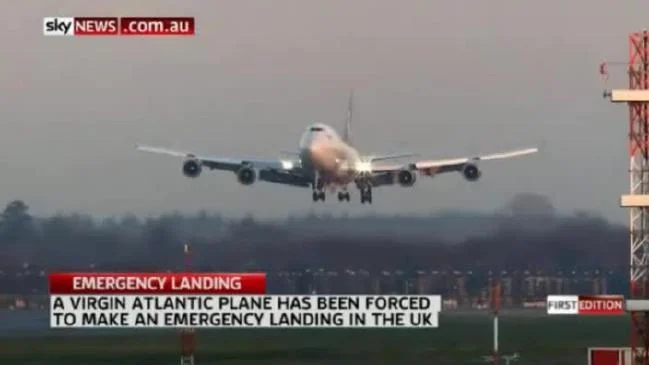
25 Appointments and Counting... On the eve of my 4 year check-up for cancer, I rather foolishly clicked on a news video link of Virgin Atlantic Flight VS43's emergency landing in Gatwick last December. I've watched emergency landing videos before, but this is just asking for trouble around surveillance appointments, and I should have known better. As the Boeing 747-400 came down without its starboard main landing gear deployed, and with emergency vehicles lining the runway that were prepared for the worst, it was as though all of the collective fear, anxiety, and tension of the passengers on-board that aircraft found a way to channel straight through me. I could relate to this so well, because I know exactly what this feels like, and it's how I had already been feeling at the sub-conscious level. This is what I've been going through for 4 years now, over and over again, as an 'S.O.S.' cancer patient, "stranded on surveillance."
25 Appointments and Counting...
On the eve of my 4 year check-up for cancer, I rather foolishly clicked on a news video link of Virgin Atlantic Flight VS43's emergency landing in Gatwick last December. I've watched emergency landing videos before, but this is just asking for trouble around surveillance appointments, and I should have known better. As the Boeing 747-400 came down without its starboard main landing gear deployed, and with emergency vehicles lining the runway that were prepared for the worst, it was as though all of the collective fear, anxiety, and tension of the passengers on-board that aircraft found a way to channel straight through me. I could relate to this so well, because I know exactly what this feels like, and it's how I had already been feeling at the sub-conscious level. This is what I've been going through for 4 years now, over and over again, as an 'S.O.S.' cancer patient, "stranded on surveillance."

Virgin Atlantic Flight VS43, a Boeing 747-400, makes an emergency landing at Gatwick in December of 2014, without it's starboard main landing gear (outboard) after circling for hours burning off fuel.
Nobody chooses to get on an aircraft that's going to have an in-air emergency. Who would possibly make such a decision, and how could you possibly know? Nothing like this was ever supposed to happen to you, yet there you are, settling in for your flight as the Captain comes on the PA system, announcing that there's been a landing gear malfunction, and that you might not be able to land safely. As in, we all might die. Your heart skips a beat. The words "you have cancer" are similar. All of a sudden, all that you've been working towards, and all of your hopes and dreams are, literally, up in the air. Your future, including weather you'll even have one or not, is now entirely dependent on weather you're able to get off of this plane alive or not. You're absolutely trapped and helpless, and there's not a damned thing that you can do about it.
The worst part is the waiting, circling the airport for hours while tens or even hundreds of thousands of pounds of fuel are either burned off or dumped, and the pilots exhaust every option they have trying to free the stuck landing gear. Flying around for hours reduces the weight of the aircraft as much as possible as fuel is burned off, which minimizes potential structural stress on landing, not to mention flammability. The wait is excruciating, but increases the odds of survival. Yes, survival. You could spin out of control on landing, or go up in flames. It really puts things in perspective for you when your life is on the line like this. That time spent in limbo gives you a lot of time to think about life, and what's truly important to you. It's the same for cancer survivors getting scans and blood tests done, and then having to wait forever to know the results. Back on the aircraft, the tears really start to fall when you start flipping through photos on your phone of your kids, your spouse, and your family and friends, wondering if you're going to live or die, and if you've already seen them for the last time or not. It's slow and agonizing mental torture.
Hours later, the moment of truth finally comes. You're on final approach, and emergency vehicles are ready. Either the pilots will be able to safely land the plane, or they won't. Either your scans and tests are going to come back clear, or they won't, and all you can do is pray. Feeling so helpless and out of control like this is what finally brought God into my life again, and man have I prayed. I haven't just prayed to God in these past few years as a cancer survivor, I've begged and wept so many times. "Please God, let me live for my children," I used to pray over and over again through tears. But most suddenly and unexpectedly, you hear the engines surge and you start gaining altitude? What's going on?? That familiar "dong" chimes, and the Captain comes on the PA system, terribly apologetic. "Sorry folks, but there's going to be another delay. There's a scheduling conflict - your oncologist isn't going to be in the office that day, and we need to move your appointment to next week." Ugh! But I had been spooked and finally managed to mentally prepare myself for this moment. You mean, now I'm stuck twiddling my thumbs in limbo for another week, and am going to have to go through this wretched mental process of preparing for what could potentially be my last moment all over again? F*ck me!
This is my twenty-fifth time going through this now.* That's twenty-five emergency landings. Each time it's a a little different, but still very much the same. It gets easier with time, but is it ever really easy? We get nervous and irritable, our moods sour, our anxiety levels go through the roof, and our imaginations run wild sweating every little ache or pain. We might become withdrawn and not really want to talk to anybody, as I have now as I write this. My wife and I both recognize this all too familiar pattern by now. My emotions are being held hostage again, and I'm going to be circling the airport for quite a long time before yet another emergency landing.
"There's a zillion reasons to be having strange pains in your body, but when you've had cancer, all you can think about is that your cancer is back."
I somehow kept making it through these moments for awhile, but after my fifteenth emergency landing at the end of 2012, I completely lost it. I was so spooked and afraid, and thought for sure that this was going to be the time that I would finally go up in flames, or maybe crash into the water and drown? There were so many strange things going on with my body, along with some other bad omens in the world that had spooked me. I was fine. Extra tests that were done came back negative. There's a zillion reasons to be having strange pains in your body, but when you've had cancer, all you can think about is that your cancer is back.

US Airways Flight 1549, successfully ditched in the Hudson River in January of 2009. Imagine having to go through something like this every other month.
Maybe this one was a bit like US Airways Flight 1549, when Captain "Sully" Sullenburger famously had to ditch his Airbus A320 in the freezing Hudson river in January 2009, after losing both engines to a dual bird strike. Miraculously, everyone survived, but man did I sink. That one broke me. I just couldn't go on. I was so done. I couldn't do this anymore. I just wanted to run away from life and let whatever was going to happen to me happen, but my network of supporters lifted me with their love, and carried me when I could go no further myself. I was alive and breathing, but drowning in cold and traumatic memories of all that I had been through, that I had somehow managed to keep locked away and repressed up until that point. After that time, and that landing, it all started pouring out. On my sixteenth emergency landing, two months later in February of 2013, I was so emotionally blown out from feeling so much, that I couldn't feel anything at all for awhile. I was still numb and broken. After my seventeenth emergency landing in April of 2013, I sat in my car and just cried for a half hour afterwards. I was so happy and relieved to be alive, despite the fact that this was killing me, too. I just needed this all to be over with, but knew I still had such a long ways to go, and that I would have to find better ways of dealing with this pain.
It's not my five-month long fight against cancer that's marked me and changed me as a person, but rather the repeated emotional trauma of one emergency landing after another in the years after on surveillance. Every single time, it's the same feelings of endangerment, yet having nowhere to run and nowhere to hide, and just having to wait it out. It's ironic how these rigid surveillance protocols are designed to catch recurrences of our cancers as early as possible, and give us the best chance of survival after decades of accumulated medical knowledge, yet the extreme stress that the protocols themselves bring on can kill us at the same time. Mental health issues such as post-traumatic stress and depression are common in cancer survivors, and it came as no surprise to me whatsoever that post-traumatic stress is common in airline passengers that had been involved in emergency landings as well. Sadly, even suicides were common for the first generation of young adult cancer survivors, in the absence of all of the knowledge and support that we have today in the connected world. It's always been a blessing to be alive, but it's been a hard life to live.
The thorn in all of our sides is that we never really know if our cancers are gone or not. Passage of time without any new evidence of disease is the only thing that proves that we're cured. It's not the surveillance that kills us, but rather living with so much uncertainty all of the time, and the constant reminder of just how fragile our lives have become. We want to know that we're going to be healthy and that we'll never get sick again, but there's never been a guarantee for anybody. It's a false sense of security about life that we lose after cancer, and we never get that back again. It's been so hard learning to live without that.
"No cancer survivor should ever be left alone and without support."
A successful cancer survivorship is marked by our abilities to adapt to our new lives, to find outlets that help us cope and relieve this extreme stress, and by finding the support that we need. This can't be done alone, and no cancer survivor should ever be left alone and without support. Consciously, I know that there's little reason for me to be so afraid at 4 years out, as my surveillance appointments are mostly a formality by now. It's post-traumatic stress and my defensive instincts kicking in that's causing me to be this way, so withdrawn, irritable, and tense. It's that same feeling of dread coming back to the surface, as you approach yet another emergency landing. We can't just turn off our instincts. Oh, how much easier life could have been these past few years if there was just an 'off' switch for this, but these are hard-wired into us and they're always on, always alert, and some of us have stronger defensive instincts than others. We have to find ways to work with these defensive instincts of ours, and so I run. I run as hard as I can go at times, consequences be damned. I write, I spend plenty of time with family and friends, and never stop LIVING in between these emergency landings. Doctors and well-meaning friends will say that you'll adjust to a "new normal" after cancer. They haven't the slightest clue what they're even talking about, but this is it. Welcome home.
As VS43 touched down, almost teetering on the edge of balance as the pilots delicately applied flight and then ground controls without its starboard main landing gear deployed, a passenger can be heard weeping on an in-flight video that someone took as the aircraft finally rolled to a stop. It's such a different situation, yet emotionally, exactly the same as what we go through as cancer survivors on surveillance. Who would volunteer to do this over and over again, if somehow they knew a flight was bound for trouble? They'd rightly be called a fool, a daredevil, or an adrenaline junkie not long for this world. I'm not one of these people and never have been, yet this is my life on surveillance after cancer. We endanger ourselves for real if we don't subject ourselves to this, but it can easily overwhelm and push our mental sanity far beyond our limits when we do. Going through this broke me as a person, forcing me to rebuild my life from the ground up in order to accommodate such extreme stress and pressure. Sometimes it takes everything I have to just survive, and I have to utilize every source of support and coping mechanism that I've developed just to get through some days. A well-stocked liquor cabinet, or in the galley on the plane, is your friend, too.
Here we are at last, on final approach for real this time, emergency landing cancer surveillance check #25. Some deep breathes and a final prayer said, and one last "F*ck You, Cancer!" just for good measure. What will happen this time? You just never know, and have to learn to live with the uncertainty and your life being constantly thrown up in the air like this as best you can. 100 feet, 50 feet...here we go again.
Brace! Brace! Brace!
StevePake.com
* My cancer surveillance protocol by Memorial Sloan-Kettering Cancer Center for Stage IIB non-seminoma testicular cancer, treated successfully with combination EPx4 chemotherapy and the RPLND surgery, is the most aggressive (conservative) I've ever heard of. I've had H&P, blood tumor marker checks, and a chest x-ray every month for the first year, every two months for year 2, every three months for year 3, and every four months for year 4. These short intervals are what help to detect a potential recurrence as quickly as possible, which gives the patient the maximum odds of survival. It's part of why testis cancer centers of excellence like MSKCC have the highest survival rate for testicular cancer in the world. I would never even think of becoming non-compliant, but the rigors of being on such an aggressive surveillance protocol have certainly left a mark, and taken a huge emotional toll on me.
Happy National Cancer Survivors Day 2015
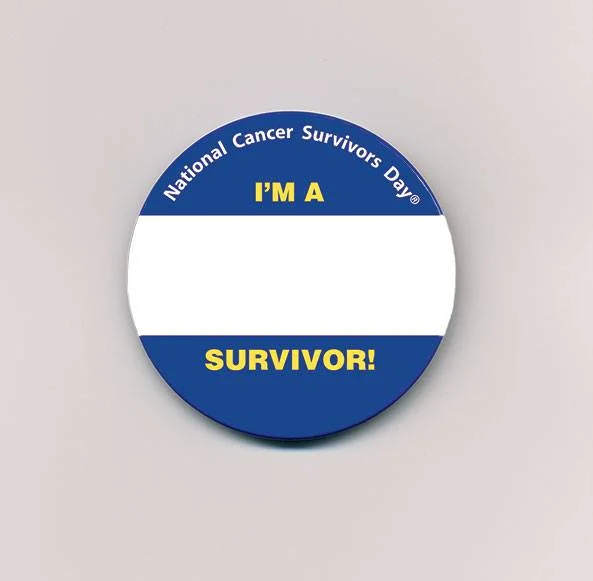
Happy National Cancer Survivors Day! This has always been a good time to take pause and reflect on where I’m at, where I’ve been, and where I should be heading next, as NCSD aligns with my annual mark checkups. (My next follow-up is in two weeks). This year I’m realizing just how much life has changed since cancer entered my life, and how far I’ve come in this journey.
Happy National Cancer Survivors Day! This has always been a good time to take pause and reflect on where I’m at, where I’ve been, and where I should be heading next, as NCSD aligns with my annual mark checkups. (My next follow-up is in two weeks). This year I’m realizing just how much life has changed since cancer entered my life, and how far I’ve come in this journey. I’ve built quite a nice place for myself in this ‘cancerverse’, one in which I can thrive and really enjoy life again. I’ve learned to understand my pain, how I need to live, how to overcome, how to keep my demons at bay, and have surrounded myself with wonderful people that have helped me to get there. I’m so grateful to so many, and love the new life after cancer that I’ve managed to build, but I’ve also been very homesick as of late, too.
I read Facebook’s COO Sheryl Sandberg’s post last week on the sudden and unexpected death of her husband, Dave Sandberg (CEO of SurveyMonkey), and was immediately drawn to tears and struck by just how closely I related to much of her pain experiencing the loss of a spouse. Please give it a read if you haven't. In no way am I equivocating the loss of a spouse, or any loved one, with the diagnosis of a cancer that’s survivable in most cases. That’s a pain that I don’t know, and that I hope to never know, but I still couldn’t help relating so closely to so many of Sheryl’s words. Having the rug pulled out from under you, and crying yourself to sleep so many nights in such distress rings a few bells. The feeling of having aged decades emotionally in such a short time, and feeling the need to open up, but also needing to close down at others, rings some more. I, too, have had to learn how to ask for help. Men always like to think that we have everything figured out, but cancer made me realize that I knew and understood nothing. I needed help finding my way again.
The pain that we share, and part of what we mourn as cancer survivors, is the loss of life as we know it.
The pain that we share, and part of what we mourn as cancer survivors, is the loss of life as we know it. In an instant, everything we knew or thought we knew about life is upended. All of our plans, and our hopes and dreams, goes up in the air with the words, “you have cancer.” All of that optimism and certainty about life, and that false sense of security that everybody seems to have vanishes in that moment, and we never get that back. I still miss it, but you can’t go back, and I know that I’ll probably never feel that way again. Friends whom I love and adore talk so casually about things they want to do in 5 years, as if it’s a sure thing. Even now on my fifth National Cancer Survivors Day, that’s still a terrifying thought to me - waiting 5 years to do something you really want to do. I scream “No!” in my head. That’s too long! Life doesn’t work this way. If there’s things you really want to do that you’re passionate about, you need to do them now! Today is all we really have, and anything could happen tomorrow. I'm fully aware of how contradictory it is to have never enjoyed life more than I have in the past few years since cancer with the desire to keep going, yet still longing for that completely lost ability to be so relaxed about life, like I always was before cancer.
The tears fell as I read Sheryl’s post about her late husband and the first 30 days of her grieving process, because it took me back through so much of the same pain, just with a different type of loss. So much is similar, and I know just how painful life becomes when the rug is pulled out from underneath you. It’s the hardest thing I’ve ever had to do to come up with a “Plan B” for life, right when I was finally able to start appreciating just how solid “Plan A” was. Although you’ll never truly be able to replace the loss of a loved one, it’s good to reflect and take a trip down memory lane once in awhile. It helps us to identify voids in our lives or areas where we’re still hurting, and perhaps in time we’ll find ways in to fill those voids and enrich our lives further in our new “Plan B” lives.
Some days, the best we can do is to simply survive and nothing else. Celebrate Life!
As survivors, National Cancer Survivors Day is a day to celebrate that Plan B no matter where you are in this journey. If you’re clearing away the rubble and just starting to lay the foundations of life after cancer, lost and bewildered with so much pain still weighing you down, this is still a day you’ve survived and that’s worth celebrating! We didn’t plan for this, and none of us ever expected it, yet here we are, struggling as we do, trying to get our lives back in order once again. Some days, the best we can do is to simply survive and nothing else. If that's all you can do today, rest assured that many others have been there. I've been there. Celebrate life. Rebuilding my life from scratch after cancer is the hardest thing I’ve ever done, but don’t ever give up, and don’t ever stop believing in yourself. Surround yourself with the right people that can connect with you, and love you and support you through so much pain, and never stop living or enjoying life! Not only will you manage to come up with a Plan B for your life, but you’ll be able to kick the crap out of it too!
Happy National Cancer Survivors Day, and may God bless the Sandberg family in their time of need, and cancer survivors everywhere.
StevePake.com
A Snapshot of Post-Traumatic Stress
I arrived at work on a seemingly ordinary day on Thursday, May 21st, but found myself unable to think or concentrate at all. I felt a lot of nervous energy and anxiety building, but didn't know why. I had also started having cancer-related nightmares in the previous week, as if to predict something rotten coming. It turned out that this particular day was my last two days of chemotherapy, four years ago, and I remember those days all too well.
"Beyond Every Storm There Is Light"
This short blog is a primer to my three-part series of essays about posttraumatic stress after cancer, what it felt like to experience, coping and overcoming, and all that I've done to manage life after. For so much more about posttraumatic stress after cancer, please visit my PTSD After Cancer landing page.
PTSD After Cancer Part I - What It Feels Like
PTSD After Cancer Part II - Coping and Overcoming
PTSD After Cancer Part III - Managing Life After
I arrived at work on a seemingly ordinary day on Thursday, May 21st, but found myself unable to think or concentrate at all. I felt a lot of nervous energy and anxiety building, but didn't know why. I had also started having cancer-related nightmares in the previous week, as if to predict something rotten coming. It turned out that this particular day was my last two days of chemotherapy, four years ago, and I remember those days all too well. I was so afraid that the chemo wasn't going to work, wondering if I was still going to die or not, and I was tired of being poisoned almost to death and feeling like complete hell. The only thing that stopped me from ripping off my lines and running away were an extra few doses of Ativan, and its induced haze and false calm. All of these fears and emotions had been buried, but here they were, suddenly coming to the surface four years later. I was right back in that oncology infusion room again as if it were happening now, and I was absolutely terrified. I went to a quiet and secluded corner at my office where nobody was likely to find me, and there I sat with hands trembling and my head between my knees as the tears started falling.
People say to just not think about these things, but they don't realize that I'm not thinking about them, consciously at least. It's from our sub-conscious. It's thinking about it, and causing us to re-experience these memories as if they were happening on that very day. The same powerful emotions of extreme fear, that fight-or-flight adrenaline, and the instinct to run away, right now, came out. I've stopped telling myself that it's wrong for me to have such episodes or that I shouldn't be feeling this way, even four years out. Never deny your own feelings. Love yourself, and accept what you feel not as right or wrong, but as uniquely you. This is me, this is my pain and my long repressed emotions, which for whatever reason decided to come out on that day, and not another, or never at all.
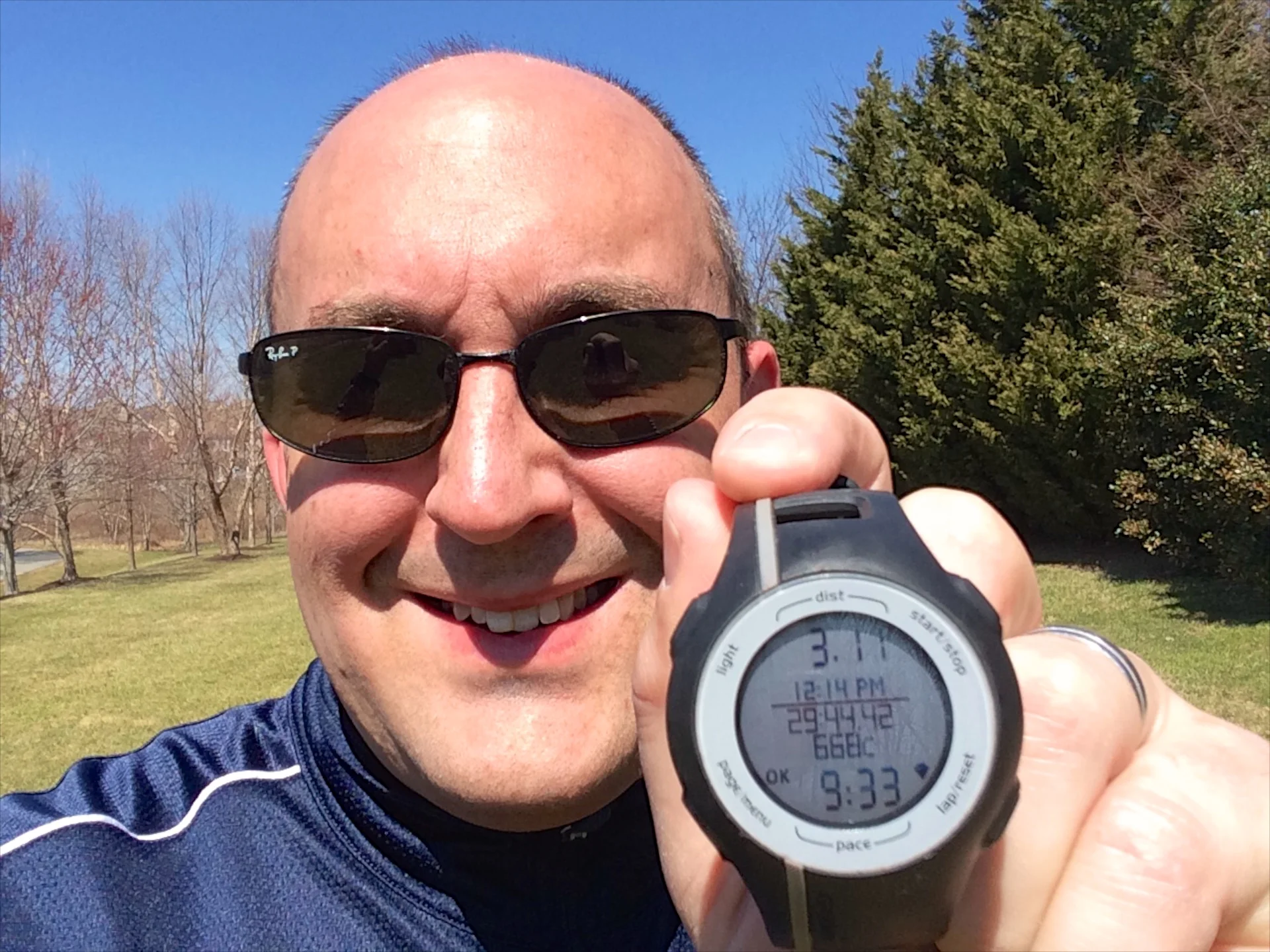
It was a rainy day, but I knew what I had to do, and that I needed the very best outlet that I've had through my survivorship. I went running in the rain for the very first time over my lunch hour that day, and loved it! All I did the first mile was cry, but I was flying. All of the long repressed pain, fear, and anxiety from this time came pouring out, and my sub-conscious finally got to do what it wanted to do the whole time and just run away from it all. Just as nature was cleansing itself, so was I. A sense of inner peace and calm finally found its way back to me after the first mile, and from there I just cruised. According to my running watch, I even set a new personal best 5K time by a few seconds at 29:41, only my second ever 5K run below 30 minutes. Somewhere along the line however, my running watch lost some distance, which caused me to have to run nearly two extra blocks than normal. My actual 5K time was probably more like 29:20, or as good as 29-flat, shattering my previous best! It was an instant mood lifter, but it mattered not.
What matters the most, and what's most important as a cancer survivor whether you're experiencing PTS or not, is simply knowing how to take care of yourself, and having all of the healthy and productive outlets that you need. Everything that I needed to happen on that run, happened in that first mile. The rest was just icing on the cake. When PTS first started hitting me hard at the beginning of 2013, I was blindsided. I had no idea of how to truly take care of myself, and suffered terribly for months until I figured it out. Rather than suffering for days if not weeks from a single episode of PTS as I had in the past, I went right back to work that afternoon feeling refreshed, calm, and at peace, and managed to have a productive day. Cancer survivorship has brought me many dark and stormy days like this one. Healthy and productive outlets such as running, writing, other forms of exercise, art in the form of photography, along with plenty of good times with family and friends have always seen me through these stormy days. Beyond every post-traumatic stress storm, there is light. The right outlets and the right people in your life, is what will see you through these dark times.
StevePake.com
Running from Cancer
This is the story of my 4 year long fight to reclaim my body after cancer, from barely being able to walk unassisted and having so many complications, setbacks, and headwinds, to finally punching through and running 30 minute 5Ks, and all that I've learned along the way.
This is the story of my 4 year long fight to reclaim my body after cancer, from barely being able to walk unassisted and having so many complications, setbacks, and headwinds, to finally punching through and running 30 minute 5Ks, and all that I've learned along the way.
I'm a 4 year survivor of testicular cancer, who to this day still has daily struggles with muscle fatigue and weakness, and other symptoms of chemotherapy-induced peripheral neuropathy that have become permanent. I took up running as a way to push back hard against this. For years I couldn't run more than a few blocks at a time no matter how hard I tried, but I persisted, and today I'm able to run regular 30 minute 5K's. This is my running story, and the story of my physical recovery after cancer!
For years after my cancer fight, I would struggle with my body physically. Prior to cancer, I could wake up at six in the morning and be into work by seven, work straight through lunch and be home by four, work out hard for an hour, pickup my kids by five, run around and play with them all night and go to bed by 11 or 12, and then wake up no problem the next morning and do the same thing all over again. I was invincible. I had unlimited amounts of energy, and my body could do whatever I wanted, whenever I wanted, even on very little sleep. But after cancer, those days were long gone. Four rounds of chemotherapy knocked me down hard, and then the RPLND surgery knocked me down even harder. After cancer I would struggle to even get out of bed by seven, and would be plagued with fatigue issues throughout the day. Even simple motions and movements would feel strained, as if I had just lifted a ton of weights. And rather than being able to stay up until midnight every night if I wanted to before, now I would be dead tired as soon as I came home from work, and crashing hard at only 9pm. I had been in nearly the best shape of my life before cancer, but would find myself in the worst shape of my life after.
I started a new job just weeks after my cancer fight had come to an end, and my new co-workers were greeted by a ghostly pale fellow with just fuzz for hair who could barely stand up straight, walk down the hall or balance himself without holding onto something, nor make it up a flight of stairs without wheezing for breathe. And then, things just got worse when I developed terrible shooting nerve pain that I would suffer from for hours out of the day. I couldn’t sit still for any length of time without it flaring up, and co-workers would be startled when I would suddenly double over in extreme pain. And then I found out that one of my kidneys was near failure. A lymphocele from my RPLND surgery had formed directly adjacent to and was pressing up against the ureter of my left kidney, almost completely blocking it and causing hydronephrosis. I was experiencing organ failure, which also explained why my creatinine numbers had shot straight through the roof. Lovely! When a fine needle aspiration and alcohol schlerosis procedure didn’t resolve it, I ended up having to get an incredibly painful and uncomfortable kidney stent placed for about six months, which made it difficult and uncomfortable to even move at all. I felt like I was going backwards. I was happy just to be alive, but my physical experience was one of constant struggle, and my quality of life wasn't anywhere close to being what one would call good.
Many of the struggles I faced with my body were due to chemo-induced peripheral neuropathy (CIPN). Platinum-based chemotherapy agents melt away testicular cancer tumors, but are notorious for causing nerve damage and all sorts of other damage throughout the body. There wasn't a single day that I woke up after my cancer fight feeling like I had anything more than a half tank of fuel for the whole day. I was constantly tired and felt weak, had burning and tingling sensations in my arms and hands, had numbness issues and could barely feel my feet, in addition to pain issues and problems with reflexes and balance. Doctors told me that these symptoms would improve to as good as they would get by a year after treatments had ended, and so I just endured all of this for a year. But that year came and went and then some, and by the end of 2012 my body was far from "bouncing back." It was stumbling and face-planting more than anything, and far short of a full recovery. My heart sank when it became clear that many of my physical struggles were likely to become permanent issues, and I became incredibly distressed.
Here I was, a young guy just into my mid-thirties with so much of my life in front of me, and two young kids and a busy family to keep up with, yet I was still struggling so much physically and in tremendous amounts of pain every single day. These were supposed to be the prime years of my life, yet in so many ways I felt like a decrepit old man. I never stopped being happy that I was alive, but this was neither the life that I expected nor that I wanted after cancer, and my quality of life just wasn't there. I didn't know what to do anymore. Nothing brought me more happiness and joy than my family, but every year my kids would be getting a little bigger and a little faster, and I feared one day they would just leave their "old man" dad behind, who could never go anywhere or do anything too strenuous, because of all of his issues. I had beaten the damned cancer, but felt like it was still getting the last laugh in some cruel way, and I hated every bit of this.
My awesome kids have always been my top priority. I was terrified that one day they'd just leave their decrepit "old man" dad behind.
I had more than a few friends that were into running, including many cancer survivor friends that I had only just met in the past few years. I had even run a bit myself many years ago but had given it up, but now found myself incredibly inspired by all of my survivor friends’ fundraising efforts for various cancer charities, and how hard they worked. I had been walking for general exercise which helped a lot, but thought maybe I needed to push myself harder, and so I decided to give running a try again. As to be expected, I couldn't run very far or very fast at first and just ran whatever segments on my walking route that I could. All it took is a little bit of running for something incredible to happen, though!
The next evening, the first full day after this first run, I was settling into bed for the night and about to drift off to sleep when suddenly I bolted upright, wide awake and in shock! My God, I told my wife, I hadn't had any nerve pain that day! I hadn’t had any throughout the day, and the 20-30 minutes of thrashing nerve pain and muscle twitching that I typically had to endure my way through before falling asleep each night didn't happen either. It hadn’t gone unnoticed by my wife, either. This was just as painful and disheartening for her to watch as it was for me to experience! When there’s so much love there’s also transference, and it’s like every stabbing shot of extreme nerve pain was hurting her also, and she felt powerless to do anything about it. We were both speechless! There was something about the intensity and impact of running that literally gave my nervous system a good workout, and that also seemed to calm it down. I had been on godawful drugs like Lyrica before, which did help reduce my nerve pain issues, but not without making me feel like I had been hit by a bus. My wife begged and pleaded with me to take it because of how painful my nerve pain episodes were for her to even watch night after night, but I had sworn pills off entirely. Every single pill I ever took always seemed to have more side-effects than the relief they provided, and just seemed to make things worse! If simply running was all it would take for me to finally live a pain free life, without any rotten pills and their nasty side-effects, then by God I was going to do it! I was instantly hooked on running.
The Many Benefits of Running
It didn't take too much running to realize other physical benefits as well. I had also been suffering from occasional periods of low testosterone, and my hormonal levels in general just seemed to be swinging all over the place. I wasn’t a consistent person anymore in terms of mood. The stress of cancer survivorship no doubt had something to do with that, but swinging hormones did too! When I’d have a testosterone level dropout, it brought with it very depressive moods, and bouts of feeling just completely miserable, directionless, highly irritable, and asexual that could last days if not weeks. If I woke up one morning having had these symptoms the day before, or with the very obvious symptom of not even needing to shave, I would force myself to get out for a run that day no matter how awful I felt. I’d go as hard as I could, and without fail I would always feel much better the next. Just walking had never managed to perform a magic trick like this with my body or my hormones, but running could.
Around the time I started running at the tail end of 2012, I was also falling into a very bad place emotionally. A fellow cancer warrior friend had just died of his cancer, and a few others had experienced recurrences of theirs. I had a very bad recurrence scare myself where I thought for sure that my cancer had returned, and that I was going to die. I had been in a complete panic, went to sleep in tears numerous nights, and had the fear of God in me. I had a few extra tests done as a precaution when I went in for my follow-up and everything turned out fine. My body was fine, but the emotional floodgates had opened. Tons of repressed memories and unexpressed fears and emotions from my cancer treatments that I had unknowingly kept bottled up inside of me for nearly two years, suddenly started coming out. I fell into a depression and began experiencing extremely bad post-traumatic stress. I was so afraid, and didn’t know what was real and what wasn't anymore. I was so charged up with anxiety and adrenaline almost all the time, and it would burn me up inside emotionally sitting still. Running gave me an outlet for all of this pain and energy. When you’re in such a deeply distressed state, there’s something very primal about running specifically, outside and with the wind on your face and not on some wretched treadmill, that just helps to release that energy and bring a sense of calm back.
Perhaps most importantly of all, the time I had mapped out in my day for running, typically over my lunch hour, also gave me the time that I needed to help sort out my life again. I realized the need to completely reset and rebuild my life from scratch after cancer, but when would you ever find time to sort life out again like this with a busy job and family? Running wasn’t just exercise for me anymore, pushing back against physical challenges. Running became an important appointment that I needed to keep with my mind, body, and soul. My time for running was the only time of the day where I wouldn’t be dealing with work or family or anything else. It was time just for me, and my time for running quickly became sacred time for me.
Just as Stuart Scott described his post-chemo workouts as his private ‘FU cancer’ time, my lunch time runs became my own private FU cancer time as well. All of the anxiety, the pain, and the fear that I had been experiencing, I dumped it all into my runs, pushing myself as hard as I could. I’d commonly sprint the last quarter mile muttering FU cancer under my breathe, and sometimes aloud. I didn’t know who I was nor what I needed anymore after cancer, and running was the time when I would sort all of that out. I never listened to music. I held very deep soul-searching dialogs with myself, and challenged my beliefs and assertions about everything. Slowly but surely I began to understand who and what I really was, what my needs really were as a person, the true origins of so many of my troubles and sources of pain, and also, what I could do about them. As a running mentor of mine had said, “Sometimes, running is the only thing that make sense.” I didn't understand why or how in the beginning, but indeed, running just made sense. Running was just the release that I needed, and it was something that I could do easily every day, even if I mostly walked and just ran a little.
Damned If I Do, Damned If I Don’t
As beneficial as running proved to be for me, it was also incredibly frustrating. I could never run more than a few blocks at a time without it feeling like my entire body had slipped into neutral and just couldn’t go anymore, no matter how much I willed it forward. The few times I really pushed it and forced myself to run through a solid mile if not further, even after many months of trying, I suffered terrible physical breakdowns in the aftermath. My speech slurred, and I could barely walk or lift my arms, and my entire body would feel limp. One breakdown was so bad that I nearly had to call my wife to come pick me up, because I almost couldn't coordinate walking anymore. When I finally managed to stagger back to my house, I had to have her help me up the stairs and into our bedroom, and there I crashed at 7pm, absolutely spent and completely dead in the water. I still couldn’t move when I came to the next morning, and had to have my wife bring me the bedside commode that I had last used when going through chemotherapy, because I couldn’t even get out of bed to go to the bathroom. I didn't make it into work until nearly lunchtime that day, and for the next several days I would struggle like I never have before physically. I could barely get in and out of my car, struggled to turn the steering wheel at slower parking lot speeds, and even typing and speaking were challenging.
I didn't know what was going on at first and nearly applied for a handicapped parking permit, but in the grand scheme of things I knew that this wouldn’t have done me very much good anyways, that I was probably pushing myself too hard, and that I needed to manage my body better. I was forced to accept that my body just couldn’t maintain a solid run if my life depended on it. I wasn’t out of breathe, my heart wasn’t beating out of my chest, and my muscles weren’t exploding. I had put my nervous system in distress, and was formally diagnosed with chemotherapy-induced peripheral neuropathy around this time by my primary care physician. Typically, nervous system fatigue would be one of the final stages of fatigue for runners, but instead it was hitting me first and before anything else. My nervous system was clearly my weakest link. It just couldn’t keep up with the rest of me, and I had to learn to accept this and live within its limits.
I had set a goal for myself of being able to do a 5K run in 30 minutes or less, which is considered to be a very basic starter goal for runners, but for me it felt so impossible. Friends of mine picked up running and could quickly achieve blistering times well below a 30 minute 5K that I could only dream of, while I had to limit myself to a 50/50 mix of either walking or running on certain segments of the course that I had mapped out through my neighborhood. Typically, I could walk/jog a 5K in 34-36 minutes, but some days I could barely even walk one in 40. The best I could do a 5K run was in 33 minutes and change, but not without these terrible physical breakdowns. I was disheartened by how limited I was, but learned what those limits were, and to stay within them. I had to very carefully budget my amount of physical activity in a given day, balance that against the amount of rest I had gotten the night before, and just be happy that I could do anything at all. In time, I learned very well what I could and couldn’t do in a given day. My quality of life improved tremendously when I was able to find the right balance for myself, but I was still frustrated at feeling so limited, in stark contrast with the practically unlimited energy and strength I had had before cancer.
Beyond the frustration of not being able to run well at all, there was the complete misery of the cold winter months. Cold weather never used to bother me, but suddenly after cancer it would bring on tons of aches and pains that I'd never had before. I would feel so stiff, almost like I couldn't move, and would feel completely lousy all the time. Especially around the winter solstice, it honestly felt like my body just wanted to pack up and hibernate for a few months. Chalk it up to a bit of aging, yet more neuropathy symptoms, or other strange effects from chemotherapy that nobody really understands, but the winter months had become a thoroughly miserable experience for me. Alas, running helped with all of this too! Once again, and without fail, and no matter how awful I was feeling, if I forced myself to get out for a run I would always feel so much better. My aches and pains, my mood, and everything else would improve, and I could actually feel reasonably human so long as I kept running a few times per week. Winter seemed to put sand in my gears, but running helped to keep my wheels greased and my body moving.
Not once have I ever actually looked forward to running. It’s how I knew I would feel after running that’s always kept me going, along with the time for prayer, meditation, or sorting out whatever awful thoughts have been running through my head. One doesn’t need to try too hard searching on the Internet to realize how beneficial regular exercise is for not just our bodies, but also our minds. I never stopped running, and I never stopped pushing. I was happy to be living pain free, and to have far better quality of life than I did before, and without needing any stupid pills. I was content with the incremental gains in strength and stamina I had managed to pickup, and was accepting that that’s all there might ever be. Time for running was sacred to me and far beyond achieving any particular time, but I still wanted that 30 minute 5K. In an aft corner of my mind somewhere, not being able to get anywhere close to that still frustrated me. It’s not like I was demanding that my body carry me through a half or even a full marathon at the blistering paces some of my friends were putting down. It was just a 30 minute 5K, and not being able to get close to this was a thorn in my side.
The Huge Breakthrough of 2015, After Two Years of Running
I would walk or run a total of over 300 miles per year in both 2013 and 2014, and not one of those miles were easy. I had to push myself hard and fight with my body through every single last one of them. But suddenly in 2015, everything changed. I had given myself a break from running in any real quantity from the end of 2014 and through the first few months of 2015 due to an injury, and mostly just walked. My first real run of 2015 came not because I felt my body was ready yet, but rather because of post-traumatic stress. As I rolled into work on Monday, March 16th, all of a sudden I started having terribly nervous and anxious feelings. I’d felt something building through the weekend, and couldn’t think or concentrate at all. Right as I was wondering what in the hell I was being spooked by, I started having visual flashbacks of going through chemotherapy, complete with the smells, the sounds, and the awful feelings. It turned out that that day was the day that I would have been starting chemotherapy four years ago. I hadn’t given this milestone even a single conscious thought, but here my mind was recalling it. It’s like my sub-conscious was remembering, and was spooked fearing that we might be going back. I’d been through ordeals like this more than a few times, and knew that today was just going to be one of those days where I had to run. I always hated forcing a run on an injured body. It was risky and I could re-injure myself which would set me back months, but when you've got post-traumatic stress knocking, you've just got to go take care of business.
I might have gone a little above and beyond my normal self-protective 50/50 walk/jog limit that day, but I generally stuck with my program, and then had a genuine "HOLY SxxT!" moment when I looked down at my running watched as it beeped for the 5K and I saw a 32:52. I had never gone that fast before, ever. It was a new personal best! I hadn't done any serious running in months and wasn't at all conditioned up for it, and even when I was before I still couldn't do better than 33 minutes without causing a nervous system crash. I was so worried that I nearly texted my wife a “crash warning”, when I knew I had overdone it and was going to be in trouble later, but I made it through the rest of the day just fine, and managed to get up the next morning under my own power, too. I was shocked. I thought it was a fluke and that maybe it was just the adrenaline from post-traumatic stress giving me a bit more of a tailwind than I had expected, but I hadn't been that spooked. In the grand scheme of post-traumatic stress episodes, this ranked as merely a two or three on a ten scale, just a little blip. I had had far worse episodes of post-traumatic stress and gone a lot slower, and so I knew this couldn’t be correlating directly with amount of anxiety or adrenaline present. I went running again a few days after that 32:52 to see if it was a fluke or not, and managed an even better 32:25 without any anxiety fueling the run. On top of that, I noticed that it felt different to run now, too. I didn't feel my whole body slipping into neutral and straining after a few blocks of running as I always had in the past. There was no longer a low-grade burning or straining sensation all over my body, but rather a more strictly muscular type fatigue just in my legs as I ran, which would be the more normal order of things. Something clearly was different now.
Finally across the plateau and closing in!
It was surreal. Almost out of nowhere, and after two years of pounding the pavement feeling like I was going nowhere so many times, I had just set a personal best 5K time for myself, yet felt like I was sandbagging and had so much more to give! I had no idea what was happening or what had changed, but it was an incredible feeling. Two days later, I decided to get serious and allowed myself to run freely, and without the self-protective restrictions I had placed on myself before. It’s good to push yourself every once in awhile just to see what you can do, and the tears started flowing when I saw a 30:24 at the 5K, with an overall pace of 9:48 minutes per mile. It was then that I finally realized that somewhere, somehow, I had rounded a huge corner, and that my body wasn't nearly as limited anymore as it had been. I didn't just reach but rather smashed right through my preliminary goal of being able to maintain a 10:00 minutes/mile pace. For the very first time, hitting a 5K in 30 minutes wasn't just a fantasy and something to dream about being able to do someday far into the future. Now it actually felt real and achievable, and all I had to find was another 8 seconds per mile.
Chasing That 30 Minute 5K
The next run I went for a few days later, I wasn't feeling it. I felt fatigued and couldn't run through the first mile, and decided to back off and "only" ran a 33:14. This was still a time that would have absolutely flattened me just two years ago, but now it was a "slow" time for me. I didn't allow myself to feel even the least bit discouraged, and simply kept at it. My, how far I’d come! On Monday, March 30th I went out and ran a 30:57, a 9:58 overall pace which I was happy with. It wasn't a PB, but I knew I was headed in the right direction and just kept my head down. It had taken me two years to cross this seemingly impossible plateau, with muscle fatigue and nervous system issues fighting me at every step. For all I knew it might take me another two years to cross the next one, but all I needed to feel was that it was within reach, and just kept running.
Two days later on April 1st, 2015, April Fool's Day of all the days and the start of Testicular Cancer Awareness Month, I just felt good. I had built my body up a bit with these previous few runs, but my family and I were headed off for a week long spring break adventure the following week. This was going to be my last opportunity to get a run in for over a week, and there was no way in hell I was going to lose the momentum I had built up without trying to make this happen. I wanted it so bad that I wasn’t just tasting it, I could smell it too. It was a picture perfect early spring day, and if ever there was a day where all of my biorhythms or whatever you want to call them were all in peak alignment, this was the day. I felt good and well-rested, hadn’t had hardly any of my usual fatigue in the morning, and just felt primed to make this happen.
As I stretched and set off on my run, everything felt good. None of the body slipping into neutral nonsense down the first damned block, no muscle or other fatigue, and I just felt like I was in the groove. I ran through the first mile, listening very carefully to what my body was telling me, and it told me to just keep on going! As I crossed through to the second mile, the thoughts started flowing. All of that classic motherly advice came back, that if you put your mind to it you can accomplish anything. For the longest time, my mind had been the only willing participant in my running endeavors! I remembered Stuart Scott writing and speaking so much about about Coach “Jimmy V” and his famous speech at the 1993 ESPY awards, and to “Never Give Up, Don’t Ever Give Up!” You can call me a lot of things, but a quitter isn’t one of them! As I crossed into the third mile, I recalled how Lance Armstrong wrote that his final few tour stages almost felt effortless as he was closing in on his first Tour de France victory after his cancer fight. Unless you’ve been living under a rock you know that Lance was juicing, but so was everybody else at his level. I wasn’t, but here I was running further and faster than I ever had before, and it was almost feeling effortless! I took only three very brief walking breaks of 20-30 yards tops on this run, and only on particularly tight sections of my course that would almost slow me down to a walk anyways, and then got right back into a run. I needed to maintain at least a 9:40 pace to hit the 5K in 30 minutes. As I rounded the last tight corner and broke into a run, headed towards my finish line a quarter mile away, my eyes lit up when I saw a 9:38 pace still on my watch! I knew I had done it, and wouldn’t even need to sprint the last quarter. I had it in the bag! I could just coast myself in, and the only thing I needed to do was not trip or get hit by a car!
Down this final stretch of road, the tears started flowing at full force. All of the memories of so much pain and frustration with my body, and all of the misery started releasing themselves. Every single day for the past four years I had felt like an old man, tired and fatigued, and struggling to get through each day. I was always happy to be alive, but it had always felt like I was dragging heavy chains around that were slowing me down, and holding me back from living my life to its full potential. After two years of pushing so hard, I was finally busting through these chains! All of the days I was so frustrated and hurting, all of the days that I just wanted to quit and say to hell with it all when I felt like I was getting nowhere, and all of the sacrifices I had made, this bittersweet moment made it all worth it. As the 5K passed and my watch beeped, I managed a 29:44 at a 9:33 pace! Victory at last! I crashed through my goal with more than a few seconds to spare, and I was over the moon.
A bittersweet victory at long last, smashing right through the 30 minute mark on a picture perfect early spring day! I laughed, I cried, and I reflected, just soaking in every second of this great moment after struggling so much for so many years!
Unlike the past where big moments came and went without really registering, I took time to soak this all in. Rather than rushing to the next appointment or task, I relished every moment of this. I sat, I laughed, I cried, and I reflected. I took selfies and sent messages to a few select friends who knew of my struggles, and who I knew would be able to share in my joy of this great personal victory. I didn't feel like an old man anymore. I felt 20 years younger than I had been. I felt like someone that had been told they’d never be able to walk again, and after years of trying finally proved everyone wrong. And even better, I made it through the rest of my day just fine, chased my kids around at the park and on their bikes that night, and still managed to get up under my own power at six-thirty the next morning. My dedication to running had become my fountain of youth that helped me turn back the clock. Running had not only been key to getting my mind back, it had finally helped me get my body back as well.
What I’ve Learned
Never Give Up, and Never Stop Believing in Yourself - The same attitude that's seen me through so much emotional trauma and turmoil is the same attitude that's seeing me through my physical challenges as well. Never give up, and never stop believing in yourself! I had to change course numerous times dealing with mental health issues, and the same has been true in dealing with my physical challenges. I've failed numerous times and ran my body straight into the ground, but I never quit! I kept getting back up again, and kept trying different things until I finally found a way to exercise that gave me all of the benefits I needed, but wouldn't run me into the ground.
Patience and Persistence - I learned to be patient with my body, and also forgiving. I learned that it wasn't fair to compare myself to friends who hadn't even had cancer, weren’t dealing with hormonal swings, and who hadn't been through chemotherapy and experienced all of the nerve damage that I had. Rather than obsessing over what I couldn't do, I learned to appreciate and accept what I could, and simply kept at it when I found the right balance of what I could do without breaking myself. Numerous times and over and over again my body told me no, but I persisted with my running and was relentless. There's only one time that I actually ended up curling myself into a ball in my bed instead of going running, because I just felt so awful that day. Not only did I feel terribly guilty, but I didn't get any of the benefit of running that I always did after a run, and vowed to never fail myself like that I again.
The Resiliency of our Bodies - As I pounded the pavement month after month, little did I know that my body really was responding to what I was putting it through. Little by little, and at a rate far too gradual to ever notice, my body was improving and slowly but surely coming back to me. Maybe it would have made some of this recovery on its own, but the benefits of running and exercise are very well known. I don't think there's too many out there that would argue that all of this exercise hasn't helped to encourage and accelerate such a wonderful physical comeback! Never underestimate our bodies ability to heal and improve themselves, even long after doctors say the window for healing has closed!
The Importance of Priorities - If you're told that you're at high risk for a heart attack or some other life-threatening condition unless you start exercising and make other lifestyle changes, I think most people will suddenly find the time that they never had for exercise, out of fear of death. In my case, my body just wasn't coming back to life like I had expected it would, and I wanted so badly to not just live, but to live without pain! My family is no different than any other busy, two-professional, two-child household, with work schedules to manage, rigid kid drop off and pickup times, and zillions of after school and weekend activities. It mattered not. I just had to make the time. I could barely get my body moving in the mornings, and by the evening it was already on a solid downward slope. As much as I had enjoyed going out to lunch with my new co-workers almost everyday, and as supportive as many of them had been, I had to give that up. My lunch hour was the only time of the day when I could get a good solid workout in, with that boost and all of the other benefits that I needed. Never hesitate to do what you feel you need to do for yourself after cancer. Self-care and self-preservation should be the top priority. As the saying goes, you can't love and care for others until you can love and care for yourself. Making self-care my top priority in life helped me to heal both physically and mentally, and in turn allowed me to once again be the husband that my wife loved and needed so much, and the father that my children needed likewise.
Now I can be "that dad", jogging through the neighborhood and trailing behind his kids as they ride their bikes. I took this photo after running a 5K over lunch that day at a pace would have flattened me in years past, and still had the stamina to be active with my kids that evening! The power of exercise!
Taking Up Running is the Single Best Thing
that I Ever Did for Myself After Cancer
I used to think that runners were crazy, and wondered what on Earth drove them to want to torture themselves the way they do, pounding the pavement week after week. Even the well known satirical website The Onion parodied this in one of their brilliant video skits, but I get it now. I so get it. When you're fighting cancer, you always have a ton of appointments to get to, and medical professionals become a big part of your support network early on. The stress and anxiety during a cancer fight doesn’t let up once you’re on surveillance, though. It only gets worse, yet you lose all of the active support from the medical system that these appointments provide while actively fighting. Running became appointments that I had with myself, to help rehabilitate my body, relieve stress and anxiety, and to soothe my soul. My running time has become sacred to me, it’s been that good of an outlet, and now it's just hard-coded into my schedule. Taking up running is the single best thing that I ever did for myself after cancer.
A fitting bumper sticker that I saw on a parked car as I was wrapping up this essay, along with a pair of 13.1 and 26.2 stickers. I couldn't agree more! Who knows what's next for me, but I know that as far as I've come and as hard as I've been willing to keep pushing myself, that anything is possible!
StevePake.com
Special thanks to all of my runner friends, but especially to my friend and two-time testicular cancer survivor Alex Hohmann. Not once was I ever made to feel even the slightest bit discouraged by any of my runner friends, but Alex especially was such a great source of encouragement, guidance, and moral support, in addition to just plain being an exceptional human being and role model. Alex has been a wonderful mentor, and is one who leads by example. The world needs more people like Alex. I actually bought my trusty Garmin Forerunner 110 GPS running watch off of Alex when I was just getting going, and he was upgrading to something fancier. Thanks to all of the support I received from Alex and all of my runner friends, and a whole lot of blood, sweat, tears, and dedication on my end, now I finally feel worthy of wearing it!
On Life and Its Huge Contrasts
The crazy March weather in the Washington, D.C. area has reminded me that sometimes life is about the contrasts. A foot of snow blanketed the area a few weeks back, followed by nearly spring like warmth just days later. And then, more snow came on the first official day of Spring! Just as with nature, in life and especially with cancer, we see great contrasts as well.
The crazy March weather in the Washington, D.C. area has reminded me that sometimes life is about the contrasts. A foot of snow blanketed the area a few weeks back, followed by nearly spring like warmth just days later. And then, more snow came on the first official day of Spring! Just as with nature, in life and especially with cancer, we see great contrasts as well.
Most people know what it’s like to be terribly sick with a nasty strain of the flu for a few days and think that's pretty bad, but I know what it’s like to feel that way for months, and how physically and mentally draining it is. When my wife and I vowed to love and care for each other “in sickness and in health” at our wedding, I remember thinking, what could possibly happen? Now I know just how important and serious that vow truly is. I knew nothing of surgeries or pain, but know exactly they mean when they talk about a “highly invasive” surgery now and what it takes to get through one. As the world had been coming back to life again a few years ago with its vibrant and beautiful colors just as it is now, I was in the midst of learning what it felt like when your body is on the verge of dying, and barely able to sustain itself anymore. This glimpse would cause me many nightmares and nights of lost sleep.
The only thing I knew about cancer before was that only other people got it. But now I know that anybody can get it, and what it’s like to have lived with a cancer so aggressive that it required follow-ups on average of every 6 weeks for the first two years. Most people don't think twice after they leave their doctors' offices for trivial or routine things, but I know what it's like to leave an appointment so relieved that you find yourself sitting and weeping in your car for 20 minutes afterwards just letting all of the tension and anxiety drain away, having been so spooked and afraid that something was going to show up on your latest scans. I know the feeling of relief and joy that you’re still a free man when your lease on life gets renewed for another few months, but also know what it feels like to have your heart and soul ripped out at the same time when the news broke that a friend had reached the end, and was living his last days in hospice care. I remember the time when I didn't have a care in the world and my mind was free, so deeply contrasted today with the memories of having been so distressed that I was curled up in corners and in tears every single day for a month at one point. I had a clean slate and a clear mind before, but now I know what it's like to have had demons inside.
Sometimes, I just want to give all of these memories away and go back to the time before cancer had invaded my life, and before chemotherapy, before brutal surgeries, rigorous surveillance protocols and tons of scans and testing, recurrence scares, watching friends die slow and painful deaths, and before having to deal with the post-traumatic stress and depression that all of these experiences caused. Cancer is the gift that keeps on giving even long after it's gone. Who wouldn’t want to give all of this away? The memories of such experiences have haunted me, and even today still find ways to come to the surface occasionally to hurt me. At 4 years out, I've been around the block a few times and understand very well how to handle this, but wouldn’t it be nice to be freed of this burden entirely, and to not have to deal with it at all? What I would give at times to be carefree again, and to have that false sense of security about life and health back. But I know, this is impossible. The memories within me of such painful and traumatic times are mine and mine alone to grow with, and to learn from. And so I ask myself, what have I learned, and what can I still learn?
I’ve learned that you can go to bed one night thinking all is well, but wake up in the morning and realize that you have cancer. I've learned that in an instant life can change and will never be the same again, and that all of the confidence and rock solid certainty you had about your life and your future will be gone in that instant, too. I’ve learned that as easily as a health crisis like this happened to me, another could happen just as easily to anybody else, including to those I love. I’ve learned that on any given day, someone you love and care about can just be gone, sometimes in the blink of an eye, and that you’ll never have those people in your life again. I’ve learned that the only certainty in this life and this world is that nothing is for certain, and that nothing is forever, either.
Fortunately, not all of these contrasting moments in life while dealing with cancer have been so negative. It's from our darkest moments that the most wonderful things can emerge. Had I not finally experienced such a terrible mental and emotional collapse after cancer, I wouldn’t have forced myself into a full reset of my life, and wouldn’t have experienced the joy of rebirth when I finally found my way. I'll never forget the time towards the end of 2013 when I realized that I had made it, I was 2 years out and then some, and that I had learned exactly how to overcome my demons and my fears. For the first time in years, I was just brimming with confidence and optimism like never before, and felt like a Phoenix rising up out of its own ashes knowing with clarity that I was going to come back better and stronger than ever.
I finally learned how to be true to myself, to no longer neglect my needs, and was no longer going to make excuses for or apologize for anybody. I realized how short and fragile life really was, and that I didn't have time to be anybody except myself. A number of people in my life had disappointed and hurt me right when I was in the most need of their love, their friendships, and their understanding and support. But this made finding the right people that could truly connect with me in such soulful and personal ways so much sweeter in the end, and helped me to appreciate their presence in my life even more. I've seen time and time again how so many people take their spouses and their families for granted. Nothing has inspired me more than my wife, and how hard she fought for me and our family. Cancer puts everything to the test, and to see our family and our love come out the other end not just surviving but thriving, has melted my heart dozens of times. We both feel like we've rescued the other in various ways.
What a shame that before cancer, so many great moments came and went without really registering like they should have with me. Graduating from high school and then from college just didn't seem to be a cause for a huge celebration, because at that point everything in life was still a given to me, and I would have plenty more moments in life. How wrong I was. When you realize how limited and finite those moments can be, you cherish and enjoy each moment that you have with those that you love and care about so much more. Life and its moments become so sweet. Love becomes so much deeper, friendships have become so much more meaningful and important, and there’s no such thing as just another day. I now see the beauty in each, and appreciate so much about each one that comes. It starts with the air that fills my lungs in the morning, the beautiful woman by my side that I know would go to the ends of the earth for me if that's what it took, because she loves me so much, and then the precious pitter-pattering of little feet in the house. I took so many things for granted before, but now nothing is. Life is such a joy to me. Every. Single. Day.
Just as Stuart Scott wrote in his memoir, my fondest memories of my life at this point are all of times after cancer, and not before, and often in the midst of some of these incredibly difficult times. It’s from the times when we’re the most uncertain and the least confident about life, that we enjoy it the most, and from which we end up having the fondest memories. The painful memories of my cancer fight and the years after have hurt, but they’ve also taught me important lessons about the essence of life. Somewhere along the line in this journey, I finally managed to accept that just as we see huge contrasts in nature and the world around us, that we'll also see huge contrasts and changes in our own lives, and that this is normal. It's humbling to realize just how little control we have in our lives or over our futures, but this is just how life is. I feared change and uncertainty, and the lack of control. It tore me apart inside, but learned to let go and to live without that, and to not be afraid of it anymore.
Angelina Jolie Pitt wrote an op-ed this week of her decision to have her ovaries removed in order to further reduce her risk of developing cancer, after having already had a preventive double mastectomy two years ago. Writing that she's now in menopause despite the hormone replacements she'd be taking to compensate, she said, "I feel at ease with whatever will come, not because I am strong but because this is a part of life. It is nothing to be feared."
This is Life.
Don't be afraid of it. Learn, accept, adjust, and be free.
I've come to appreciate how such deeply contrasting experiences as a young adult cancer survivor have given me the opportunity to see life for how it really is at a far younger age than most, and the opportunity to change course and live a far better and more fulfilling life than I ever would have otherwise. I can say without a doubt that I've enjoyed each year since cancer by itself more than all of my years prior to cancer combined. However many years I'm going to be around for, I know that every one of them are going to be great, and that there's not a single moment I'm going to miss or take for granted. Despite the considerable pain that these experiences have caused me, I've learned such important lessons from them, and wouldn't trade this new life perspective for anything. I have no regrets, and wouldn't change a thing.
"The fear of death follows from the fear of life.
A man who lives fully is prepared to die at any time."
Mark Twain
StevePake.com
Stuart Scott's Memoir - 'Every Day I Fight'
I took advantage of some down time on a business trip this week to read Stuart Scott’s memoir, 'Every Day I Fight'. Like Lance Armstrong’s cancer memoir, ‘It’s Not About the Bike’, that I read when I was first diagnosed with cancer, I piled through this one in a single day, too. I actually didn’t read it just once, I read it twice!
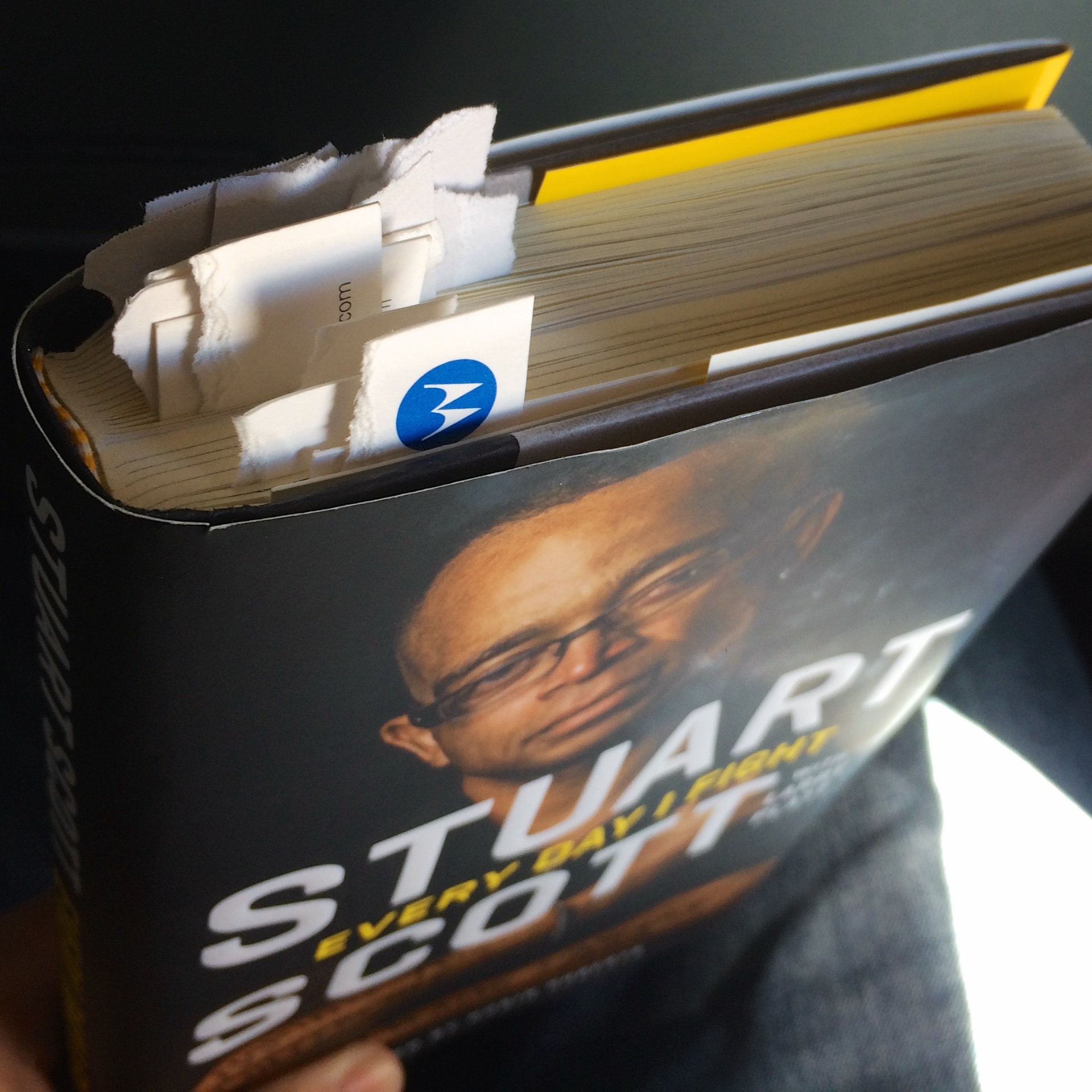
I took advantage of some down time on a business trip this week to read Stuart Scott’s memoir, 'Every Day I Fight'. Like Lance Armstrong’s cancer memoir, ‘It’s Not About the Bike’, that I read when I was first diagnosed with cancer, I piled through this one in a single day, too. I actually didn’t read it just once, I read it twice - the first time just to take it all in, and the second time to mark pages in the book. I didn’t even have a highlighter or proper stickies for books like this, so I just started tearing up obsolete business cards that don’t even have the right company logo on them anymore.
I never cease to be amazed by how so much of the cancer experience is shared by all, transcending gender and type of cancer and everything else. From all walks of life, we feel so many of the same things when cancer affects us, and are all more similar than we are different. From the initial shock and horror of a cancer diagnosis and fearing we’re going to die and not be around for our families, to the grueling nature of survivorship and surveillance in the years after. The mental and emotional toll that it takes on you, and just how many cancer survivors end up being affected by things such as anxiety, depression, and post-traumatic stress, was all so familiar. I lost track of the number of times I teared up a bit and thought to myself while reading, “I feel you, man. I feel you.”
I can’t tell you how reassuring it was for me to read the same thoughts from another man, whose reflections about life and cancer were so similar to my own. This is okay, this is normal, everybody goes through this. I don’t want to spoil the book for those of you who plan on reading it (please do), but one of the most eyebrow raising things in the book was one of the conversations Stuart had with Lance Armstrong. While struggling through a few years of surveillance after his initial diagnosis and treatments, Stuart asked Lance how long it took him to get to the point where he didn’t think about cancer every day? 12 years, replied Lance. I had to pause and re-read that line a few times. Twelve years.
This past Monday, March 16th, I got into work and just couldn’t think or concentrate at all. Something had been bothering me, and I didn’t know what it was. I thought it had been the anniversary of the passing of a friend from cancer the week before, which no doubt was part of it, but there was something more. And then suddenly at my desk, I started having painful flashbacks of going through chemotherapy, and not just the visuals but the feeling and all of the anxiety came back as well. What if this doesn’t work? Am I still going to die anyways? I just collapsed at my desk and wept for a few minutes. I wondered what had brought that on, and then I realized that that day was the day I started chemotherapy four years ago. I hadn’t given it even a single conscious thought, but my sub-conscious just knew, was remembering it and dreading it, and maybe wondering if we were going back? Our minds are amazing things. PTSD, not so much. I went and ran like the wind to burn this energy off over lunch, and ended up doing the fastest 5K I’d done in a long, long time, just dumping all of that anxiety and nervous energy from cancer into my run. I’m 4 years out. I wondered when this was ever going to end, if there was something wrong with me, and if maybe I ought to get in to see a therapist or something. Hearing that it took Lance 12 years to get to the point of being able to NOT think about cancer every day certainly made me feel a whole lot better about still thinking about it so much, and even having occasional PTSD meltdowns after merely 4.
Much like Staurt’s post-chemo workouts in the gym, or doing MMA or P90x, my lunchtime 5K walks or runs or whatever I can do that day have very much become a ritual for me as well, and my private “FU Cancer” time. It’s my hour of peace just for me, to get fresh air, to exercise, to meditate, or to sort out whatever is on my mind. Stuart wrote much about how important it is to do things that nurture your soul like this, to do what’s right for you, and to keep away from people or situations that aren’t going to be healthy for you, spiritually. Cancer pushes all of us beyond our limits - we can’t have people or things in our environment piling on top of that. It just doesn’t work for us. It's okay to be selfish with our lives and our time. We have to do what's right for us, because what we're dealing with inside is beyond most people's ability to comprehend, unless they've been there somehow, too.
I’m coming away from having read Stuart Scott’s memoir feeling refreshed and reassured, knowing that another man has felt just as I have in so many different ways. It’s normal to be like this. It’s normal to feel this. And perhaps most importantly, 'it's okay to just be.' I ran out of business cards to tear up, marking things that resonated with me, and had to start splitting them into thirds. It reassures me, gives me a bit of extra spring in my step, and some extra wind in my sails. Thank you, Stuart Scott, for dropping all of your knowledge, and for sharing your journey and all of your struggles in such a deeply personal and intimate way. You were right. Your cancer journey was so much bigger than you, as you had the ability to help, inspire, and reassure so many of us out there still fighting, and still struggling in the aftermath. God bless you and your family, and all those who have loved and cared about you.
Definitely pickup a copy of ‘Every Day I Fight’. It’s a must read.
StevePake.com

The Truth About Testicular Cancer Markers, and Detection with Pregnancy Tests
It seems like every few months, a story pops up somewhere where somebody managed to detect their testicular cancer with a pregnancy test. Yes, it's true! Thiscan be done. In a strange coincidence of nature, the hormone called beta human chorionic gonadotropin, or HCG for short, which is emitted from the cells that form the placenta when a woman is pregnant and is what the pregnancy test looks for, can also be emitted by some types of testicular cancer. Since HCG should never be elevated in men except for in a few rare and very specific situations, a positive pregnancy test result in a man is almost a sure sign of testicular cancer!

It seems like every few months, a story pops up somewhere where somebody managed to detect their testicular cancer with a pregnancy test. Yes, it's true! This can be done. In a strange coincidence of nature, the hormone called beta human chorionic gonadotropin, or HCG for short, which is emitted from the cells that form the placenta when a woman is pregnant and is what the pregnancy test looks for, can also be emitted by some types of testicular cancer. Since HCG should never be elevated in men except for in a few rare and very specific situations, a positive pregnancy test result in a man is almost a sure sign of testicular cancer!
The latest story on this is that of Byron Geldard, from Huntingdon, Cambridgeshire in the UK, first reported in the Daily Mail, and then The Telegraph, Liftbump, and other UK based media outlets. The problem with many of these stories is that an incomplete truth, or even dangerous misinformation can often emerge. In Geldard's story, the Daily Mail had it correct and quoted Dr Danish Mazhar, Consultant Medical Oncologist at Cambridge University Hospitals, who said: "The pregnancy hormone (HCG) is often (but not always) produced by testicular tumours," meaning that a simple pregnancy test is not a foolproof test for testicular cancer. Other types of testicular cancer tumors produce another type of marker called alpha-fetaprotein, or AFP, which the pregnancy test won't detect. A third type is an enzyme called lactate dehydrogenase, or LDH, which is not reliable enough to be used as a primary indicator for testicular cancer, but is commonly used as a secondary one to gauge the extent of disease. Guess what? The pregnancy test doesn't look at this either, and it's also possible to have testicular cancer that doesn't give off any markers at all.
Which types of markers the various types of testicular cancer may or may not give off are known and very well understood. There are two main types of testicular cancers, which are called seminomas and non-seminomas. Seminomas are very simple, and 95% of the time are the classical seminomas. Non-seminomas are a bit more complicated, and are divided into embryonal carcinoma, choriocarcinoma, yolk sac, and teratomas.
Seminoma can occasionally give off HCG, but never AFP.
For non-seminomas:
Embryonal Carcinoma can give off HCG and/or AFP, but might not give off either.
Choriocarcinoma always gives off HCG.
Yolk Sac almost always elevates AFP, but in rare cases might not.
Teratomas do not give off either type of marker.
With the exception of seminomas, testicular cancer tumors are rarely a pure type. Non-seminomas are commonly mixed with another non-seminoma type of the cancer, or a seminoma, to form a mixed germ cell tumor. Information like this is good to keep handy because of the fact that testicular cancer is still considered a relatively rare cancer, which means there are a lot of oncologists out there that just aren't that familiar with the disease. If your pathology report says 100% pure seminoma, but your lab results are showing elevated AFP, it's a sign that something might have been missed in your pathology and that you need to get a second opinion!
As you can see, properly detecting and diagnosing testicular cancer is a bit more complicated than just taking a pregnancy test. There's only one sub-type of testicular cancer that a pregnancy test will detect every single time, and that's choricarcinoma, but which tends to be more rare. It's a crap shoot with all of the other sub-types, as only some "can" emit the HCG marker, and others won't do so at all. Reader beware! Any article or story you see discussing how testicular cancer was detected with a pregnancy test that only talks about HCG, but makes no mention of AFP, or the possibility of no markers at all, are not giving you a complete set of information. And any story that suggests or implies the reliability of a pregnancy test for diagnosing testicular cancer without mentioning other required tests, is dead flat wrong, and very dangerous misinformation. If you suspect testicular cancer, don't 'Net MD' yourself into thinking you're okay if you take a pregnancy test and it turns out negative, because a pregnancy test hardly represents a proper work up for a patient that could have testicular cancer.
If you suspect testicular cancer and take a pregnancy test,
a negative result can NOT, by itself, rule out testicular cancer.
My personal pathology was 90% embryonal carcinoma and 10% yolk sac mixed germ cell tumor, but my cancer emit neither HCG nor AFP! My LDH was slightly elevated, but considering I was injured at the time (from doing something incredibly stupid, I might add), it could have just as easily been elevated from that as it could have from cancer. We'll never know. With my primary HCG and AFP markers always having been negative, the only way to track my cancer during treatments and on surveillance has been radiologically. I still get blood draws and tumor marker checks at every surveillance appointment for HCG, AFP, and LDH, but they're more useful for potentially catching a second testicular cancer (knocks on wood) that might just happen to elevate one of the markers, than it is for tracking my previous cancer that never emit any. Had I depended on a pregnancy test to tell me if the ache in my right testicle was cancer or not, and then brushed off a negative result for a few months until more severe symptoms appeared, I might not be here today! Luckily, I was smarter than that, and you should be too.
I spoke to Michael Muriett, Testicular Cancer Awareness Foundation Vice President and Director of Education, who had the following to say. "We walk a very dangerous line when information like this is published in mainstream, and even more so in Social Media. The impression is given to these men that there is a quick and easy solution. Publishing stories like this without the additional, medical based, factual information in regards to tumor types, cancer marker levels, and how they can be effected can give a false sense of security to people. The best, and wisest route to take will always be consultation with a doctor, cancer screening from that doctor or a hospital, and promoting things like the monthly TSE for early detection."
Although neither the Daily Mail or The Telegraph mentioned the AFP marker, they both did a reasonably good job, assuming one read the entire article, of making it pretty clear that a pregnancy test isn't a foolproof test for testicular cancer, but can be used as a diagnostic tool. Things went terribly wrong at LiftBump however, where the author, 'Katie', with no contact information posted, completely misquoted the Trust spokeswoman mentioned in The Telegraph piece. The LiftBump piece said, "A spokeswoman for the Trust told the Telegraph that a pregnancy test can be used to diagnose, or rule out, testicular cancer, because the disease produces the same hCG hormone that is produced by a developing placenta." Wrong. They never said that. It can produce the HCG hormone, but might not, and the spokeswoman clearly stated in The Telegraph, and even quoted in LiftBump that, "if [a pregnancy test] is negative, it just means that further tests are needed." Yet somehow, LiftBump managed to add into the spokeswoman's statement that a pregnancy test could be used to "rule out" testicular cancer. That is absolutely dead flat wrong. It can not, and this is incredibly confusing, misleading, and dangerous misinformation that has now been shared 24,000 times over on Facebook, with 415,000 views as of 10PM Eastern on March 12th, 2015. Unbelievable. And yes, the LiftBump piece being shared on social media is how I personally first saw this story.
As always, know the signs and symptoms of testicular cancer, and keep doing monthly self-exams. If you detect a mass or have other signs and symptoms, feel free to take a pregnancy test, but please do the proper thing and get to a doctor immediately regardless of what any pregnancy test might say. They simply are not a reliable diagnostic tool for detecting testicular cancer by themselves. Properly working up a patient suspicious for testicular cancer requires the care of a doctor, and for other tests to be run. Even Snopes says so.
StevePake.com

Doctors Say, Keep Checking Your Nuts
In February 2015, Steven Petrow published an article in the Washington Post titled "Guys, here’s why it’s not worth testing yourself for a ‘lump’ down there", coming out against testicular self-exams (TSE) after having previously been supportive of them. What's surprising about the article is not just that such a view against testicular self-exams exists, but because Mr. Petrow himself is a twenty years and change survivor of advanced stage testicular cancer. I applaud and congratulate Mr. Petrow on reaching such a milestone. It's something that we cancer survivors take great pride in and stories like his are inspiring to so many of us, but I could not disagree more with his recommendation against TSE. Petrow thinks that it's "smarter" now to keep his hands to himself, but is it really?
In February 2015, Steven Petrow published an article in the Washington Post titled "Guys, here’s why it’s not worth testing yourself for a ‘lump’ down there", coming out against testicular self-exams (TSE) after having previously been supportive of them. His article responded to a "Today" show segment which aired late in 2014 featuring David Samadi, who is Chairman of Urology and Chief of Robotic Surgery at Lenox Hill Hospital, and is also a Fox News Medical Correspondent. On the "Today" show episode, Samadi gave testicular exams to anchors Willie Geist and Carson Daly on live television. What's surprising about the article is not just that such a view against testicular self-exams exists, but because Mr. Petrow himself is a twenty years and change survivor of advanced stage testicular cancer. I applaud and congratulate Mr. Petrow on reaching such a milestone. It's something that we cancer survivors take great pride in and stories like his are inspiring to so many of us, but I could not disagree more with his recommendation against TSE. Petrow thinks that it's "smarter" now to keep his hands to himself, but is it really?
Why Is there Even a Debate?
The original source of the recommendations against doing testicular self-exams comes not from Petrow, but rather from the US Preventive Services Task Force (USPSTF). The USPSTF recommended against testicular self-exams back in 2012, citing "moderate or high certainty that the service has no net benefit or that the harms outweigh the benefits". In his article, Petrow spoke with Kenny Lin, assistant professor of family medicine at Georgetown University Medical Center, who agreed. Lin said that even if self-exams were effective, that they'd have "little if any bearing on outcomes for those who are diagnosed." Lin went on to say that he thought the "Today" show episode was "a stunt cloaked as a health message." Petrow went through a brief discussion of benefits vs harm, but couldn't seem to find any benefits at all for the TSE. Much of the rest of the piece then focused on psychological biases as to why doctors (and patients) would still want such screenings despite there being "no benefits". Well, maybe they're looking at things the wrong way.
Problems with the Recommendation Against TSEs
One of the biggest problems with Petrow's article is the fact that no matter which type of cancer he was discussing, there was no mention whatsoever of cancer survivorship quality of life, or the overall wellness of a patient after cancer. He only looked at "surviving" cancer from the singular perspective of the net final outcome - whether the patient lived or died in the end. Because the "final outcome" isn't likely to change, don't bother with screenings or self-exams, goes this line of logic. If you get cancer, just go get chemotherapy or radiation, or whatever it is that you need, and get cured. As I wrote in my own lengthy blog post on this exact topic in June of 2014 titled, "The Value of Testicular Self-Exams and Early Detection from the Survivorship Perspective" this is a woefully incomplete, and dare I say even irresponsible perspective. We're so much more than just a binary "1" or "0" on someone's spreadsheet on whether we're alive or dead. We're very much analog creatures, and cancer survivorship itself is a million shades of gray.
Petrow stated in the article that he went through 4 rounds of chemotherapy and two surgeries to get cured, but didn't mention what, if any, long-term or possibly permanent side-effects he might have suffered as a result of this. As I wrote in my own blog last year, the potential for long-term health risks and permanent side effects when going through treatments for cancer are not to be underestimated. I've suffered a complete loss of fertility, for starters. Not having much if any feeling in my left foot is more minor and something that I've gotten used to over time, but more severe is the fact that I also suffer from chemo-induced peripheral neuropathy. I deal with chronic muscle fatigue issues to varying degrees every single day, and continue to have nerve pain issues that have never really gone away completely. Even after my cancer fight was over, I still had to keep fighting because one of my kidneys nearly failed due to a complication from the RPLND surgery that I went through. It took another year after my cancer fight, and tons of painful diagnostic procedures and stents to finally nurse my body and my kidney back to health. Even more troubling are the increased risks of developing a secondary cancer just from having been exposed to chemotherapy agents and/or radiation treatments. Patients who are exposed to either chemotherapy or radiation therapy have a two-fold increased risk of developing a secondary cancer compared to the general population, and a three-fold increased risk if a patient has been exposed to both types of treatments, according to studies. Mental health is also at stake. After fighting so hard, my mind eventually caught up with all that I and my body had been through, and I fell into a depression and suffered from post-traumatic stress for a year.
Testicular cancer tends to hit younger men, like myself, who have so much of their lives in front of them. They're going to have to live with these potential long-term side-effects of treatments for quite a long time, which is why it's so important to detect testicular cancer as early as possible. The earliest possible detection of cancer helps to minimize the amount of treatment needed, the potential trauma to both mind and body, and helps to maximize quality of life after cancer. It's important to be a "1" on that spreadsheet and to survive, but we can't take our eye completely off of the ball when it comes to the impact on quality of life that cancer treatments can have. Why would you not want to detect a cancer as early as you can via something as simple as awareness of the disease itself, and a virtually zero cost TSE? Is it really in the best interests of the general population to have people darn near on their death beds before being properly diagnosed? It doesn't make sense. Especially with testicular cancer, a rapidly advancing cancer, a pain or mass detected in the testicle via a TSE might be the only sign of testicular cancer one has before its had the opportunity to completely overrun one's body. This is why testicular cancer is sometimes referred to as the silent killer!
What Some Experts Really Think
One really needs to understand what's behind these USPSTF recommendations against many types of screenings. A trip across the Beltway and up the Baltimore-Washington Parkway from Georgetown, is The Johns Hopkins University in Baltimore. Philip M. Pierorazio is an Assistant Professor of Urology and Oncology at the Brady Urological Institute there, and Director of the Division of Testis Cancer (Pierorazio is also a member of the TCAF board of directors). Pierorazio weighed in on the USPSTF recommendations on his own blog in a piece titled "Testicular Self-Exam: Why There Is Nothing Wrong with a Regular Feel". He writes,
"It has to be conceded that there is no evidence that TSE is effective for the diagnosis of testicular cancer or helps find men at an earlier stage of disease. However, lack of evidence does not mean that TSE is not effective – it means that no study has effectively investigated the role of TSE in an at-risk population." Dr. Phil Pierorazio
In his summary, Pierorazio respectfully disagreed with the USPSTF recommendations, stating that the recommendations are themselves based on very little existing evidence. "While the cure rate of testicular cancer is wonderful, the burden of the disease is greatly under-appreciated. Even if a free, painless self-examination leads to an unnecessary doctor's visit, saving one man from advanced disease is well worth the "risks and costs" of TSE.", concluded Pierorazio. In case you didn't follow, the issue is simply that there just hasn't been a formal study done to prove the effectiveness of TSE. It doesn't mean that they don't work or aren't effective. It just hasn't been proven that they're effective via a study. Thus, in the absence of a formal study either proving or disproving effectiveness, the USPSTF recommendation to "discourage the use" of the TSE is based on very little evidence as well!
I had a chance to speak with David Samadi personally on Petrow's article, and that "Today" show segment. Samadi shared the sentiments of Pierorazio and myself but in a slightly more vocal manner, stating that he felt the USPSTF recommendations against the TSE and screenings for other types of cancers were "a terrible mistake". While some of these screenings might not be perfect, he and others believe they're still effective tools that can change the final outcomes for patients, and that it's always better to catch a cancer at an earlier stage to minimize the treatments needed to cure a patient. I shared my personal story with Samadi, and that I had missed being able to pickup on my symptoms of testicular cancer for a few months. If only I had been more aware of the disease and how to do a proper TSE, I potentially could have caught my cancer at an earlier stage, and spared my body and my mind from the harsh treatments that were needed for me to get that cure. Samadi's response? "Exactly." Samadi went on to say in a statement.
"Given how common testicular cancer is in young men, we should be urging them to perform monthly self-exams. Young women are encouraged to perform monthly self-breast exams. Why shouldn’t men? Early detection begins with the patient. If he is aware of the risk factors, he will care about prevention. Self-exams are a no cost prevention method and if something is discovered, a simple ultrasound can tell us what’s happening." - Dr. David Samadi
I agree with that this is a double-standard, and had mentioned it myself. Women are encouraged to get to know the shape and feel of their breasts, but men are supposed to keep their hands off of their balls?
There's no finer authority on testicular cancer anywhere in the world than Lawrence Einhorn, a Distinguished Professor of Medicine and Lance Armstrong Professor of Medicine at the Indiana University. "Einhorn" is a household name in the oncology world, and a man who needs no introduction. Einhorn's work at Indiana University 40 years ago experimenting with the Cisplatin drug is what turned testicular cancer from a death sentence into the greatest success story in modern oncology, having been compared with walking on the moon! Einhorn's work has literally saved the lives of hundreds of thousands of men with testicular cancer, my own included. I reached out to Dr. Einhorn and asked if he could weigh in on the USPSTF recommendations against the TSE, asking if "men should really be discouraged from doing testicular self-exams?" Einhorn's response? "Not really." He went on to express skepticism on the effectiveness of a national policy for TSEs, citing the low overall incidence rate of testicular cancer, but he couldn't have been more clear on the importance of knowledge and awareness of the disease.
"Men should be aware there is cancer that can start in the testis and the presence of pain or a feeling of firmness in the testis should not be ignored", stated Dr. Einhorn.
I don't think there's a finer endorsement to be had on the topic of testicular cancer awareness and the TSE than from Dr. Einhorn. Men need to be educated and aware of the possibility of testicular cancer, and how to properly feel for any abnormalities via a TSE!

Move Forward With Education & Awareness, Not Backwards with FUD
The solution to the potential downsides of TSEs, such as the cost of false positives and fear and anxiety, is not to forego TSEs altogether, but rather to help minimize them with education and awareness. This is precisely what organizations like The Testicular Cancer Awareness Foundation are all about. We teach people about the signs and symptoms of testicular cancer, which will help men of all ages to understand what to look out for. Knowledge of how to do a proper testicular self-exam will help to familiarize them with their own anatomy, and establish the difference between normal and abnormal. Knowing all of this can help to minimize unnecessary office visits and expense, and cut down on stress and anxiety.
As for the true costs when an office visit is needed, Pierorazio weighed in on this in his blog also, citing a University of Kansas Medical Center study. The cost to treat an advanced stage testicular cancer with both chemotherapy and the RPLND surgery is equivalent to hundreds of office visits to look at a worrisome TSE. When cancer is detected (and actual masses that are detected in the testicle are almost always cancerous), the costs to treat earlier stage cancer enabled by awareness of the disease and TSEs, is a mere fraction of the costs to treat advanced stage testicular cancer. A mass can't always be detected in the testicle by self-exam in testicular cancer patients (a proper study on the TSE would help to better understand this), but in my case I did, and I wished I had given it a proper feel a few months earlier when it would have been at an earlier stage. Instead, my cancer advanced for several months to the point that I had to be treated with both chemotherapy and the RPLND surgery, and at great cost both in terms of the dollars required, and the impact to my body. A few ultrasounds that turn out negative are a drop in the bucket.
The "Cost" of Getting to a Doctor Too Late When It's Cancer
If there's one thing that I think most all of us could agree with Petrow on wholeheartedly, it's the fact that many men, and especially young men and boys, can be just plain shy or too embarrassed to talk about potential issues with their bodies when they notice them. In Petrow's article, he shared the story of one of his own doctors, who developed a case of hemorrhoids. Even his doctor was embarrassed, and delayed getting it checked out. Samadi would agree with the reluctance of men to go see doctors as well, and says it's not men but rather women who end up being the ones who finally get men into his office. "If you want a job done right, you give it to a woman,” said Samadi in a Forbes article. "Women are the most proactive healthcare champions in the family and are the driving force in men’s health. Time and again, it’s women who make the final push for their husbands, fathers, and brothers to come see me.” But we're talking about cancer screenings here, not hemorrhoids. The consequences of not getting to the doctor on time for what could potentially be cancer can be deadly.
In a call for comments on this topic on a testicular cancer support group, there were no shortage of comments from those who had lost loved ones, or those whose quality of life had been impacted. If only they could have picked up on the cancer sooner with either more awareness about the disease or with self-exams, maybe their loved ones might still be here, or their quality of life might not have suffered as much. In one post, Melia Elliot shared the tragic story of her son, Ben. As Ben grew into puberty he had noticed that one testicle grew larger than the other. Ben 'Googled' that this could be normal, and then never said a word to anybody. When other symptoms started to appear, a sign of very advanced stage testicular cancer, he was unfortunately misdiagnosed for nearly two months by doctors in their hometown of Joplin, MO, even after an ER visit and two follow-ups. It wasn't until Ben became paralyzed from the chest down that doctors finally realized that he had testicular cancer! Not trusting the doctors in Joplin to care for her son, she got Ben up to Kansas City where Peter Van Veldhuizen, who is a Professor of Internal Medicine and Director of the Hematology/Oncology Division at The University of Kansas Medical Center, started Ben on BEPx4 chemotherapy for advanced stage disease.
It turns out that I had conversed with Melia personally during this time via one of the Testicular Cancer support forums on the web. It sounded like the BEPx4 might not have been working, and I recommended that she get her son under Einhorn's care at Indiana University STAT. Ben's case sounded so dire that I insisted that she call Einhorn's office that day, and that it couldn't even wait until tomorrow. Too many mistakes had already been made prior to Ben's diagnosis, and too much time had already been lost. She made the call to Einhorn's office immediately, and Ben was rushed to get started on high-dose chemotherapy with stem-cell transplant under Van Veldhuizen's care and with Einhorn's guidance. Melia stated to me in a comment that the quality of care between Van Veldhuizen and Einhorn was exemplary, but it was just too late. Ben fought a hard and courageous battle, but died tragically 10 months from his diagnosis.
Testicular cancer is curable, but it's also a killer! Someone dies of the disease every day, and on that day it was Ben. Early detection remains the key, and knowledge and awareness about testicular cancer is so important, especially with teenage boys!
Guys, Keep Checking Your Nuts
Pierorazio's statement bears repeating. "lack of evidence does not mean that TSE is not effective – it means that no study has effectively investigated the role of TSE in an at-risk population." The recommendations by the USPSTF are themselves based on very little existing evidence. When prominent doctors with expertise specifically in testicular cancer continue to believe in the TSE despite what the USPSTF has said, I think the message is pretty clear.
All of us in the Testicular Cancer advocacy world know what the true "cost" is when you're too late. For Melia Elliot and her son Ben, the price was far too great. Samadi sums things up well in his bottom line. "Encouraging men to be more aware and preventive when it comes to common cancers could be the only chance we have to save their lives.” Women especially know just how stubborn men can be. Along with Dr. Samadi, we encourage women to be proactive and get involved in men's health issues. Take the #SamadiChallenge for Testicular Cancer and make sure that the men in your lives including your children are aware of men's health issues that could affect them, encourage them to perform self-exams, and seek the care of a doctor immediately if they notice something abnormal. And most of all...
Keep checking your nuts!
The doctors who really know Testicular Cancer say to.
StevePake.com
Special thanks to Melia Elliot for her willingness to share the story of her son, Ben. Ben passed away on August 22, 2014.
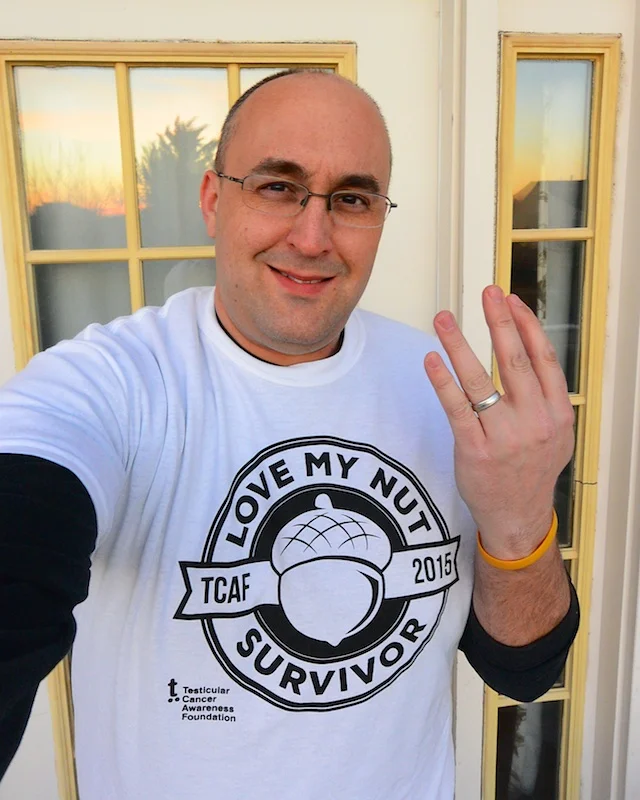
Top 4 Lessons Learned in Four Years of Cancer Survivorship
On Saturday, February 14th, 2015, Valentine's Day of all the days, I'll mark four years as a cancer survivor. I've learned much about how to truly "survive" cancer in these past few years, and I think just a little about life too, and wanted to mark this occasion by passing along my top four lessons learned in four years of cancer survivorship.
On Saturday, February 14th, 2015, Valentine's Day of all the days, I'll mark four years as a cancer survivor. It was around 4am on this day four years ago that the intermittent aching and tenderness in my right testicle that I had noticed off and on for the past few months, had progressed to steady pain that was bad enough that I couldn't even sleep anymore. It was only at that point that I finally did a full and proper testicular self-examination, where I noticed a rock solid hard mass at the upper rear portion of my right testicle, right where it was so easily missed before. I'm glad I caught it when I did, but had the opportunity to catch it earlier and missed it. Monthly testicular self-exams, done properly, are so important!
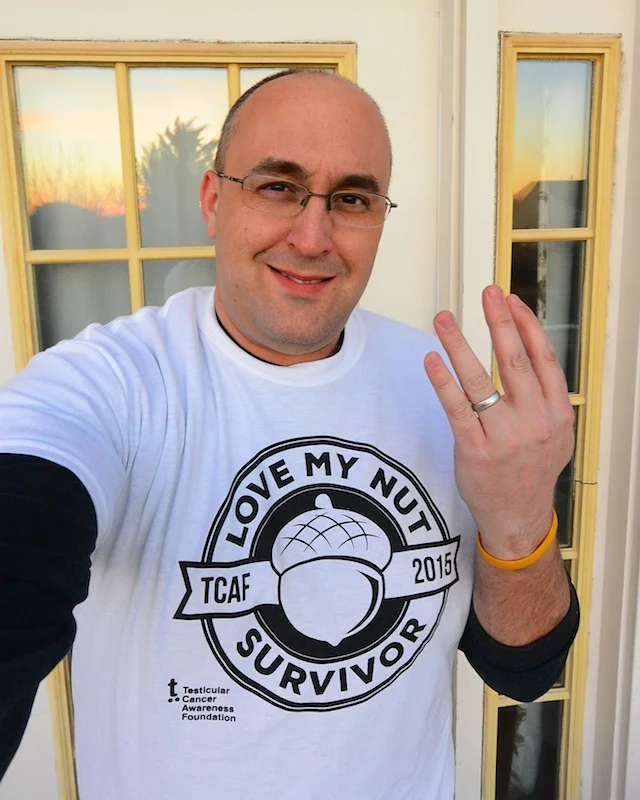
In that heartbeat skipping moment, only a week from my little baby boy's 2nd birthday at the time, my life changed forever and it's never been the same since. I've learned much about how to truly "survive" cancer in these past few years, and I think just a little about life too, and wanted to mark this occasion by passing along my top four lessons learned in four years of cancer survivorship.
1. The End of Your Fight is only the Beginning of Your Journey.
As terrifying and as difficult as being diagnosed with and fighting cancer was, the years after my cancer fight ended up being even more difficult. When you're diagnosed with cancer, you become a fighter and always have a lengthy to-do list of appointments to keep you occupied. You go in for consultations to make a plan for your cancer, and then for surgeries, for chemotherapy, radiation treatments, and scans and blood tests, or whatever it is that you need to do to fight the cancer and win. But afterwards, when your body is acting strangely and you don't know why, what then? If you're dealing with scanxiety, a recurrence scare, or depression or post-traumatic stress, what do you do? Even health experts today don't have the answer to that! The answer is that we all have to find our own answers. That "new normal" after cancer that everybody talks about took years for me to find and settle into. It didn't happen overnight, and also took a whole lot of trial and error (read "failure"), and love, support, nurturing, and guidance from a lot of wonderful friends to finally make it happen.
2. Never Stop Believing in Yourself
No matter what you're facing, and whether it's during your cancer fight or beyond, you have to believe in yourself. Don't ever stop believing in you, and you also need to surround yourself with people who believe in you too. Not once did I ever give up on myself, but there were times when I just had nothing left to give, and needed every bit of the love and support that surrounded me to help lift me up again. Even in the darkest throes of depression and post-traumatic stress over a year after my cancer fight, and finding myself huddled up in quiet corners for days on end, I never stopped believing. I knew that I had to find a new attitude, new outlets, and new friends who knew how to support me either through experience, or through natural ability. I needed an entirely new approach to life and a new philosophy by which to live, and had to completely abandon my old one. And find that approach I did, because I never stopped believing in myself, nor did those who loved and cared about me. Not ever. The power is within you to make the changes you need in your life to not just survive in the aftermath of cancer, but to thrive! Never stop believing in YOU!
3. The Power of the Right People and Friendships
I grew up very independent minded and never placed enough value on friendships, but cancer changed all of that. Time and time again, the power of connecting with the right people and having the right friendships is what's made the biggest difference for me throughout this cancer journey of mine. Whatever I've needed, I've managed to find through the power of friendships, whether it's been cancer mentoring, spiritual guidance, someone to laugh with, someone to cry with, someone that could help me sort through my very worst fears and sources of pain, and so much more. Some of the people that have managed to make the most profound difference in my life, I'd only met under the most coincidental of circumstances, and whose presence in my life I only have God to thank for. When I could only feel darkness and despair, these friends helped me to see light and hope. And when I was terrified of being alone, these friends filled my day with joy and laughter. The true power of a friendship is the right person, the right soul in your life, who can connect with you in a way that you need, and enrich your life in a way that it hadn't been. And the power of faith and God, is when your paths manage to cross at the time you're in the most need. These friends have become like family to me, and I love them all dearly as such. I couldn't have made it through all that I have without them. My friends mean the world to me.
4. Never Stop Living and Enjoying Life
I had made it through my entire cancer fight, and a year and a half on surveillance with another six months to go, when I finally lost it and came completely off the tracks. A friend had just died, and it seemed like other cancer warrior brothers of mine were having recurrences left and right. I felt like I might be next, and that if something was going to happen to me, it would happen sooner rather than later. For six agonizing weeks, my post-traumatic stress had exploded so badly that I could barely even leave my house to go to work, but I refused to allow cancer and my fears to rule me as they had been. I forced myself to get out, to go places, to do things, and to spend time with my family, and with friends that I trusted and felt safe around. I made it a priority to live the best possible life that I could, because if my time was really coming, I wanted to enjoy each and every day that I had left. The reality is that we never know when our last good day is going to be. We should be appreciating every day that we have as it is, as each is truly a gift. No matter how afraid you are, force yourself to get out there, and never stop living, loving, laughing, or chasing your dreams. Live Life, Make It Happen.
Valentine's Day is a perfect opportunity to check your nuts! Know the signs of testicular cancer as well, and just get it done my friends! Happy V-Day!
StevePake.com
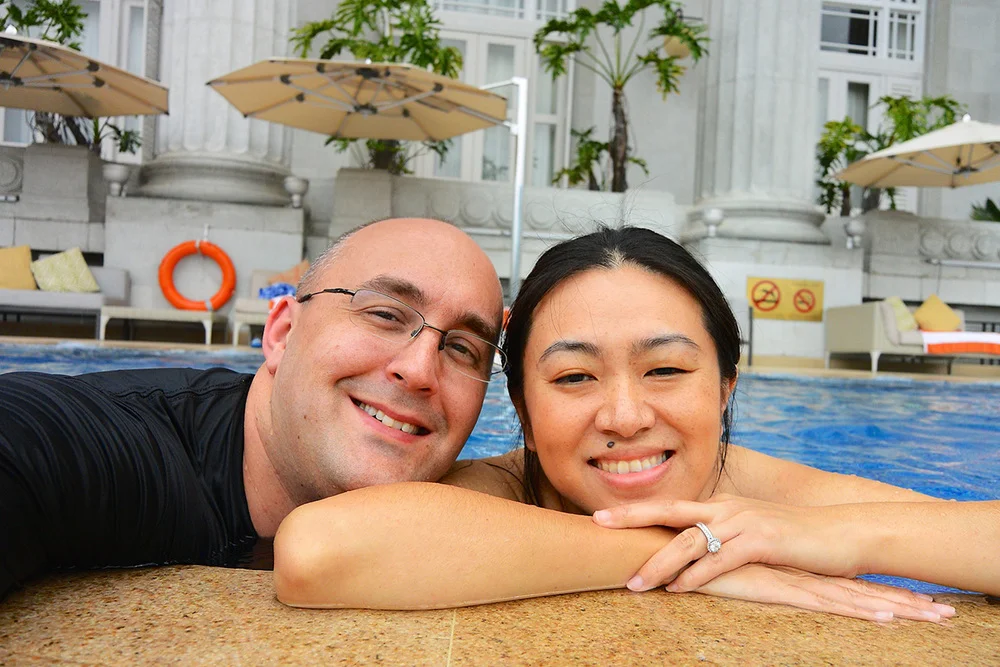
Ten New Year's Resolutions from a Cancer Survivor
New Year's Resolutions are better late than never, so let's just get going!
New Year's Resolutions are better late than never, so let's just get going!
1. Live Life. Make It Happen.
If cancer is the wake-up call that lets us know in no uncertain terms just how fragile life is, and that we might not be around for as long as we thought we might be, then cancer survivorship is the time to start living and enjoying life to the max. Make it a priority to do things that you enjoy or will put a smile on your face everyday. Spend time with people and friends that you enjoy spending time with. Plan weekend outings and trips, and live a rich and full life both in terms of the people you share it with, and your experiences. If not now, then when? Live Life. Make It Happen.

The biggest reason this New Year's Resolution blog is so late is because I've already been making big progress on New Year's Resolution #1. My family and I have only just returned a week ago from a fantastic 20,000 mile voyage to the Far East and back over the holidays, going to places we love and visiting family abroad. There's nothing we enjoy more as a family than travel, adventures, and getaways. We all travel so well together, have nothing but the best of times, and are looking forward to so much in 2015! Live Life. Make It Happen! (At The Fullerton Hotel Infinity Pool, overlooking the famous Boat Quay in Singapore)
2. Start Giving Blood
I owe back a staggering 11 units of blood. Somewhere out there today are nearly a dozen nameless and faceless people to me, whose simple acts of blood donations helped me live through my cancer fight when my body just couldn’t keep up. Giving blood is one of the first resolutions I made for 2014, but also one of the first I failed at. Post-traumatic stress jitters stopped me in my tracks every time, but I know full well how to control and overcome that now. It’s time to start repaying this debt in 2015. I can do this now.
3. Start Seeing Your Other Doctors Again
I completely burned out of seeing doctors and just stopped going for awhile, with the sole exception of my oncologist for regular surveillance checkups. I was more than happy to be fired by my MSKCC oncologist, all three of my urologists, and fired my nephrologist on my own. I was so damned sick and tired of being poked and prodded and just needed to be left alone for awhile, but know full well that I of all people really do need to be heading in to my primary care for a physical once per year, along with any needed follow-ups. There are so many extra things to watch out for as a cancer survivor, and your primary care physician is your first line of defense for anything that might come up. It’s time for me to make that call to setup the appointment for my annual physical.
4. Keep Exercising and Doing Whatever You Can Do
I walked or ran a total of 317 miles in 2014, which is certainly not bad for someone that continually deals with peripheral neuropathy and chronic muscle fatigue! That's greater than the length of the state of Pennsylvania where I grew up! Exercise is so important, and something that I clearly need to continue with. Not only does it help to keep me healthy, but it keeps my energy levels up and helps me to feel so much better as well. I’m borderline T-level deficient at times, and regular exercise is one of the things that helps to keep that in line. It’s a bit counter-intuitive, but even for people that deal with fatigue issues, exercise can help to extend your envelope of operation and give you more energy, not less. Exercise is an amazing thing! Anything is better than zero. Just get out there, and be proud of whatever you can do!
5. Make Sure You Have Enough Time for You
Life is all about maintaining a balance, and especially as cancer survivors we have so many extra things on our minds and points of stress. You can't sort out your sources of pain if every single moment you have can be claimed by something or someone else. Make sure you have enough time set aside just for you, that nobody else can touch. An hour per day to exercise or meditate, or to just sort through whatever is on your mind can make a world of difference. When I was hurting the most with my mind in a million pieces, an hour per day just for me is what helped me sort through all of my issues one by one, and get me moving forward again. It's now become a permanent part of my life, and something that's essential that I continue with.
6. Learn to Embrace Your Instincts
I think we sometimes underestimate the power of our own instincts. Time and time again, my own instincts about people and things have proven themselves to not just myself, but to others as well. They’re what led me to my wife and many of the very best people in my life, but I haven’t always wanted to listen to these instincts when they’ve sensed trouble. I’ve failed to be pro-active with family or friends, and I’ve failed to steer myself clear of people that I just knew were going to be poisonous or trouble for me, and have been hurt as a result. I haven’t always wanted to believe, but it’s time to not just believe, but to fully embrace these inner instincts that God has blessed me with. They’ve served me so well.
7. Forgive Those That Have Hurt You
When you have cancer hurting you and pushing you past your limits, it's easier to be hurt by others as well, and I still can't believe the incredibly selfish and malevolent ways in which some had behaved towards me in these past few years as a cancer survivor. Just because you had cancer doesn't meant that life, and its associated drama and messiness, stops happening. On one hand, God has blessed me with a very loving soul that’s capable of such a deep love and appreciation for many in my life. But on the other hand, this gift also comes with a flip side, an equal and opposite ability to really despise those who have hurt me or wronged me or my family, along with a barely sub-conscious instinct to want to rip their throats out when thoughts of them cross my mind. I don’t like this side of me, but acknowledge that it’s there. Forgiveness is a tough thing for me when I have such high standards for not only myself, but for others as well. I’d rather just be able to forgive and love. Life is far too short to waste it holding onto resentment and anger. Call this one a stretch goal, but I’m going to work on this.
8. Pray More
I've literally worried myself to death from a mental health perspective, to the point that I was no longer a fully functional human being. I was suffering from a lack of perceived knowledge and control over things that we’ve never had much if any control over to begin with, and learned instead to turn to faith and prayer. I pray for my health and for that of my family's, so that we can all be around for each other, and so that we can keep living, loving, and enjoying life together. I pray for people that I care about, and for those that I know are suffering, struggling, or in pain. Every single one of these same prayers for me helped lift me up and carry me along when I was hurting, and it’s time to pay these same gifts of prayer forward to others in need. Sometimes all we can do is pray. Pray more. Pray often.
9. Keep Paying It Forward
For awhile I just wanted to forget all about cancer, and I would even succeed for weeks if not a month at a time. But inevitably I’d be faced with reminders of the hell I'd been through, sometimes just standing in line at Starbucks overhearing conversations, and the sudden surges of anxiety would hit me like a load of bricks. I've been through that. I know what it's like. I needed to develop outlets for the unexpected stress of cancer survivorship, and volunteering my time for a cancer non-profit has been one of those ways. Do whatever you can do. Run, walk, or ride to help support a cancer-related charity, volunteer your time, or help others in their own fights by paying forward with the gift of mentoring. Even blood donations help those of us that are fighting cancer or diseases, when our bodies are compromised and can no longer keep up and support life on their own. Giving back and paying forward into the cancer community to others in need is one of the very best things you can do as a survivor, and it's what makes the cancer community so great.
10. Choose to Be Happy
In the midst of my years of active surveillance after cancer, I was angry, upset, afraid, sad, and resentful, among other things. My cancer experience tormented me inside. I just wanted to be happy, but how? My wife needed her husband back, my children needed their father back, and I couldn’t do a very good job at either if I was in such a bad place. As it turns out, aside from other factors such as depression, happiness can very much be a conscious choice, dependent on your ability to gain control over your emotions. I learned with time to release myself from all of my fears and worries, turning instead to faith and prayer in earnest for the first time in my life. And as time went on, I slowly did gain control over my emotions. Rather than being so upset about what I didn't or no longer had, I forced myself to change my attitude and become appreciative and thankful for all that I did. As it turned out, it was a pretty extensive list of things I had to be thankful for, which then made being happy quite an easy choice. It was the obvious choice!
There's certainly no shortage of misery in the world, and it needs not even be said for those of us fighting or dealing with cancer in our lives. But to the extent that you can control and retrain your mind and your emotions in order to find some happiness even in the most difficult of times, it's certainly worth the effort. Learn to let go of that which you have no control over, and try your best to find and appreciate the positive in areas that you can. It took me years to do this, but I finally found my path and my happiness. Choose to be happy, and find that path for you.
Blessings to all of you reading, and here's to a healthy, happy, and prosperous 2015 to all!
Live Life. Make It Happen!
StevePake.com
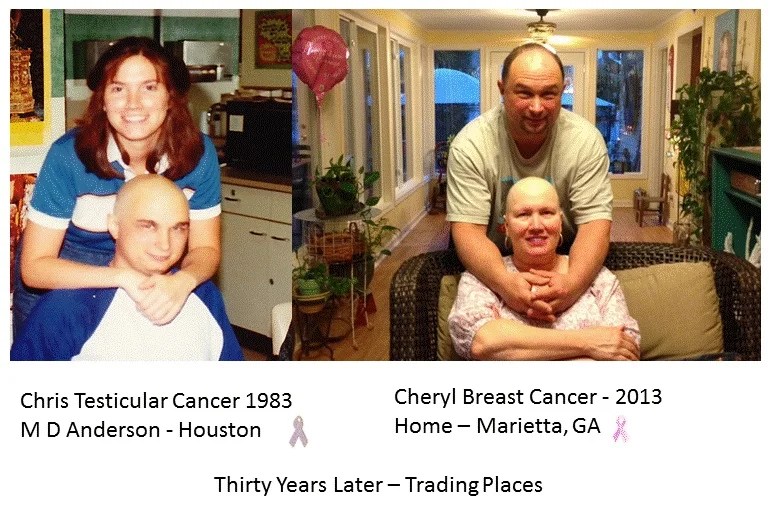
Surviving Testicular Cancer 30 Years Ago
As much as I and so many of us have all struggled during our cancer survivorship years, I've wondered from time to time how the guys in decades past managed this, prior to the connected world that we live in and benefit from today. We really do have the world at our fingertips these days, and there are so many wonderful sources of information and support that are just a click away, and people that I've met and bonded with via the Internet that I couldn't imagine having made it through my survivorship journey without. So how on Earth did the guys manage this decades ago in the relative "dark ages", before the Internet and the 24/7 connected world of the 21st century?
As much as I and so many of us have all struggled during our cancer survivorship years, I've wondered from time to time how the guys in decades past managed this, prior to the connected world that we live in and benefit from today. We really do have the world at our fingertips these days, and there are so many wonderful sources of information and support that are just a click away, and people that I've met and bonded with via the Internet that I couldn't imagine having made it through my survivorship journey without. So how on Earth did the guys manage this decades ago in the relative "dark ages", before the Internet and the 24/7 connected world of the 21st century? That perspective came to me the other week in a response to my blog, "Cancer Survivorship - The Fight after the Fight and All of its Firsts". Introducing, Chris Horacek.
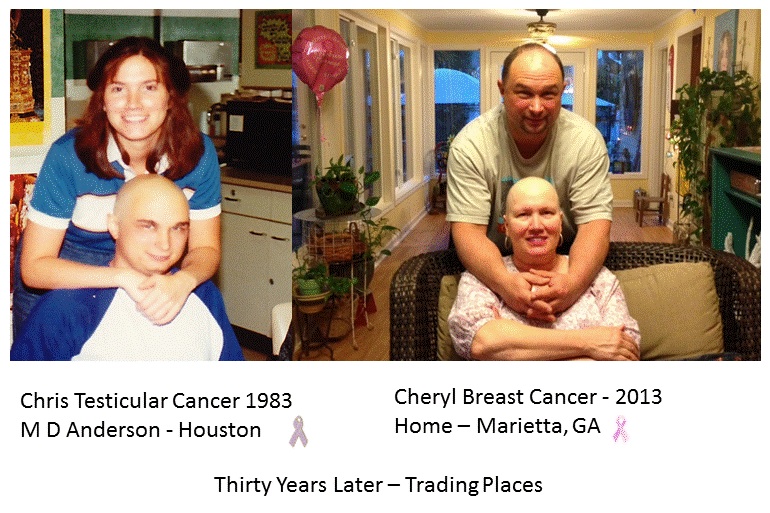
Chris Horacek, a 32 year survivor of advanced stage testicular cancer diagnosed in 1983, and his wife Cheryl 30 years later with breast cancer.
Chris Horacek is a 32 year survivor of testicular cancer, and is among the first generation of people out there to have survived advanced stage disease. Chris was diagnosed with mixed pathology Stage 4 (3c) testicular cancer in 1983, and despite this having occurred 30 years in the past, his story is one that will sound very familiar even today. At 24 years old, Chris and his wife of 3 years at the time, Cheryl, were both young, they had no money, and also had no health insurance! Chris had been in graduate school at Oklahoma State, and had noticed a nodule on his left testicle. He was tired all the time, and was experiencing severe weight loss of as much as 5 pounds per week. It was only when he went home for a high school graduation that he happened to hear about testicular cancer and its symptoms, because someone from the town had just died of it. Several people and doctors passed it off, but Chris knew he had it. He returned to school quickly, and talked to advisers about what was going on. He enrolled in a doctorate of education program so that he could get health insurance, and picked up a $10,000 student loan all within a few hours, and was in surgery later that afternoon.
Chris evaluated the options at both Indiana University and MD Anderson, and decided to head to Texas for treatment. He went through 3 rounds of PVB (Cisplatin, Vinblastine, and Bleomycin), and then two additional rounds of Ariamycin and Cytoxin which aren't commonly used for testicular cancer these days. It was later in the 1980's that Vinblastine in the PVB protocol was replaced with Etoposide due to lower toxicity, to form the BEP protocol that many of us have been through today. Chris was fortunate and very lucky to survive, but his tale of survivorship that he shared after reading the blog stopped me dead in my tracks, and is a must read.
Chris' post as follows:
Reading this post gave me goosebumps as I have not thought about the first few post chemo years.
Those first three years were mentally grueling, probably tougher than the actual nine months of treatment, which is hard to believe.
Back in the late 70's / early 80's we were the first survivors of advanced testicular cancer. Successful treatment was associated with a long in patient stay in a cancer ward where people lived and died on a regular basis and successful outcomes were not assured.
When release back into the world there was no counseling and it was assumed that us survivors were so happy to be alive that we would just naturally recover on the mental and spiritual side.
The cold reality after a few months was a life uncertainty on many levels, mental isolation, physical stress and debts that could probably never be repaid.
Within the first three years most of the guys I went through treatment with went through extreme depression, many taking their own lives, which to most people would be unthinkable after given a second chance.
Three years after chemo when I went in for a check up one of my best friends was back in the cancer ward with a relapse. His dad asked me to go see him, I did, he was terminal and died 20 minutes after my visit. Afterwards I flew back home and got into a bad place. Thank God for a great wife and friends who pulled me through. Ended up starting one of the first testicular cancer awareness programs in the country.
32 years later have had a great life, raised a family and am one of the longest survivors of Stage 4 TC. (Ten years ago I was one of 4 out of the 25 in my treatment group that were still vertical).
Am very Thankful for the life I have had and try to help others fighting this disease.
After all of these years I am still somewhat mystified by the lack of awareness of TC in the general population. Just last week I was having dinner with one of my younger colleagues. He is sporting a shaggy beard, which I associated with No Shave November. When I asked him about his beard he confirmed he was participating in No Shave November as a means to promote breast cancer awareness. When I asked him about TC he said yes No Shave is for all cancer awareness.
Did not let him know, but felt a it sad as after all these years our society still has a hard time talking about testicular cancer. At one time I thought No Shave November was all about testicular cancer, I guess not anymore.
Everyday young men and boys are being diagnosed with a disease they don't even know exists, which is a shame because we don't like to talk about the male anatomy.
What a terrible tragedy it was for these earliest survivors of advanced stage testicular cancer to be among the first to beat it in the later stages and have that second chance at life, only for far too many of them to fall to the extreme mental health challenges during survivorship later. It just wasn't understood back then that people, including men, would even need support at all. That's how powerful and traumatizing the aftermath of cancer can be, and what such extreme stress and anxiety and the resulting depression can cause. Whether it's clinical or situationally induced, depression is a disease all by itself. It was a deep depression that claimed the life of beloved actor Robin Williams earlier in 2014.
On one hand it was shocking to hear Chris' story and the fate of some of his peers, but on the other hand I also found it completely believable. My cancer survivorship journey has taken me to some terribly dark places. I'm not ready to say that I've contemplated suicide, but I know a testicular cancer survivor who has, and I've been at the end of my rope myself. I might have contemplated suicide for the briefest fraction of a second at one point, but knew how badly my wife and my family loved and needed me, and that I had to find a way to keep moving forward. It's scary for me to think about where I might have been or what might have happened, had I not had the benefit of so much wonderful support both in and out of the cancer community, and all of the connectedness that we enjoy today. Just knowing that I wasn't alone, and that many felt the same as me helped. Guys back then didn't even have the benefit of that, and then dealt with mental isolation on top of everything else. Cancer will continue to affect you even long after its left your body. It's merciless and won't just push you to the limit of your sanity and ability to cope, and then kindly stop. It will gleefully fling you right off the edge, and you need strong people, the very best people for you, to be a presence in your life to help support you when you fall. It requires support.
Like Chris and many other cancer survivors that I've talked to, so many of us end up feeling the same way. The challenges that we face in life after cancer can easily outweigh the challenges of the physical fight against cancer itself. It is unthinkable. What on Earth could possibly be worse or more challenging than the pure hell we'd just been through fighting cancer for months on end? But I can tell you with a straight face sitting here today, it was harder. So much harder. The extreme stress and anxiety of so much uncertainty is real. The emotional roller coaster of each surveillance appointment and scan is real. The potential hormonal issues, and having our lives turned completely upside down is real. And the perpetual fear of not knowing if there's something still inside of us that's going to try to start killing us again or not is real too, along with the terror of just being afraid of living in our own skin, and the feeling of being trapped in our own bodies with no escape.
We've certainly come a long ways in the past 30 years as far as awareness about testicular cancer. Many people have at least heard of it, and the medical profession is aware of the challenges of survivorship, but there's still practically zero awareness in the general public about the challenges and need for support long after cancer. So much progress has been made, but there's still a long ways to go both on spreading awareness about the disease itself, and the challenges of survivorship. According to TCAF Founder and CEO Kim Jones, social media and especially Facebook has been the greatest single tool in these modern times for getting the word out and helping to spread awareness, and for helping people to find support. A lot of progress has been made even in the past 5 years, and as Kim puts it we're making strides one day, one month, and one year at a time.

Chris and Cheryl Horacek, and friends.
Thank you, Chris, for your willingness to share your survivorship story with the TCAF community, and congratulations on being a 32 year survivor of stage 4 testicular cancer! To be able to catch this historical glimpse of what cancer survivorship was like at a time when there was no awareness and no support at all, reinforces just how vital and important our mission is here today, and how much work we've still yet to do. Best wishes to you my friend, and especially to your wife Cheryl on her breast cancer survivorship journey. Here's to many more and continued all clears to you both! Thank you!
StevePake.com
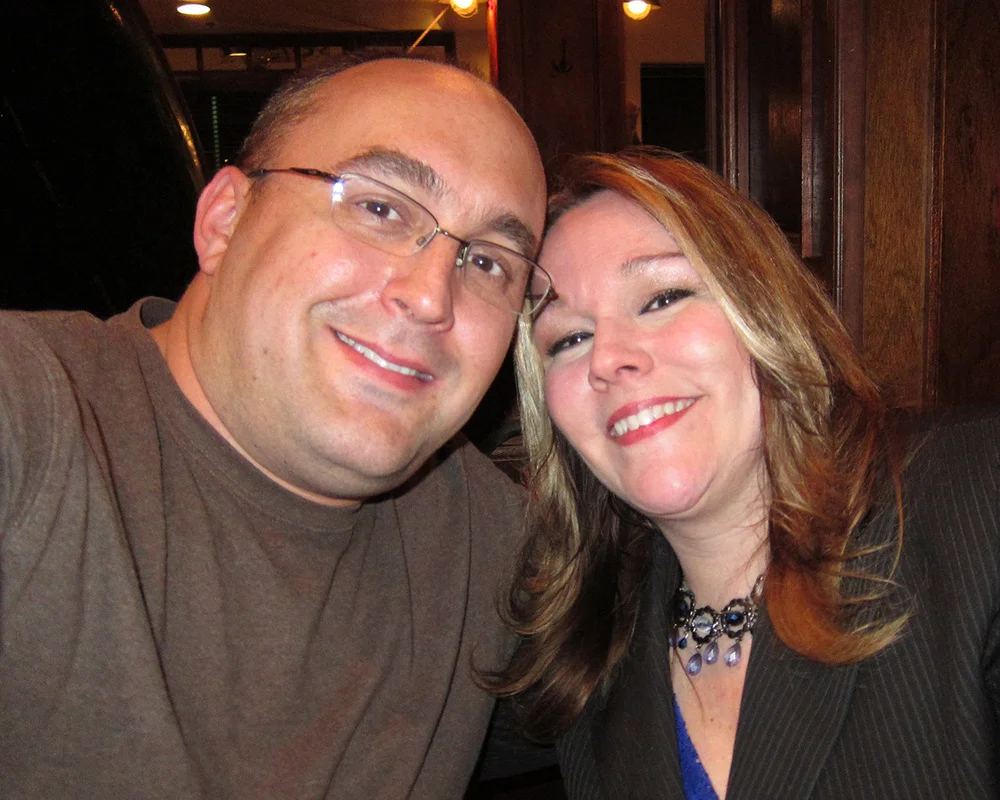
Giving Thanks to a Whole New Family
I have a whole lot to be thankful for this year. It was around this time last year in 2013 when I finally felt like I had all of the challenges of my cancer survivorship figured out, and 2014 has been the year where I proved to myself that I really did. It’s been such a liberating feeling to finally feel free from so many emotional burdens and sources of pain, and to also feel fully secure and confident in life for the first time this year as a cancer survivor.
I have a whole lot to be thankful for this year. It was around this time last year in 2013 when I finally felt like I had all of the challenges of my cancer survivorship figured out, and 2014 has been the year where I proved to myself that I really did. It’s been such a liberating feeling to finally feel free from so many emotional burdens and sources of pain, and to also feel fully secure and confident in life for the first time this year as a cancer survivor. This isn’t to say that I don’t still have and experience physical and emotional disruptions from time to time, because I do. I’ve certainly dealt with an unpleasant thing or two in these past few years as a cancer survivor. The difference is that this is the first year where I’ve finally known exactly how to handle everything immediately, whereas in past years I simply haven't, and suffered terribly at times as a result. I now know exactly what works for me, what makes me tick, who and what I truly need in my life, and also what I don't. I taught myself to adjust my attitude and to be thankful for a very long list of many other blessings in my life, and not allow myself to be hung up on what I hadn't. I've accepted and know that we all must struggle with something, and I learned how I needed to live as a result. And thanks to Stuart Scott, I picked up one of the final pieces of the puzzle for me when I learned that I will never lose to cancer no matter what happens.
You can't do this or get through this alone. It requires support, and not just any support. We have a limited number of mental and emotional slots for friends and people in our lives, and every last one of those slots, especially in the inner circles, needs to be filled with not just great people but exceptional people for us in the aftermath of cancer. At no point in my cancer journey had I ever been lacking for love or support or friendships, but it's been a rather odd life experience in that my wife and I both have siblings, but are still basically only children. We've appreciated what little family we have that has been a part of this journey with us, but I still felt a terrible void from inner slots that I had mentally reserved for people that don't even really exist to us, and probably never will. This whole situation caused me terrible amounts of pain and resentment, but I had to let it go. I needed to create a new family for myself with friends and people that I felt could support me, and become the family that I needed in order to help me find my way through such a stressful time.
I already knew who some of these people were, or needed to be. I just needed to gain the confidence to close one set of emotional doors in order to open up others, and hopefully find that closer inner support that I needed. Any testicular cancer survivor is a brother to me always, but the feelings I have towards people in the cancer community extend beyond just a brotherhood. There are two great testicular cancer survivors out there today, one from New Jersey and another from New Hampshire, who have been wonderful father figures to me as well. They’re both men that live by principle and lead by example, and that never cease in their abilities to amaze and inspire me. A friend in Pittsburgh is a thyroid cancer survivor, my first of several cancer mentors, and is like a sister to me now. A local couple that I met and mentored this year through their own cancer fight have become like a younger brother and sister. Some caregiver mothers and wives have been by my side on this journey as well, along with one truly exceptional oncology nurse out there. And a friend down the street, who most refreshingly isn't part of this crazy world, has just been everything I'd ever dreamed and envisioned that a real sister of mine ought to be. She was exactly the right person and the right soul that I needed to meet at exactly the right time, and she and her family have become like an extension of our own.
One of the people I’m most thankful for is my friend Claudia. I met Claudia the first day at my new job that I started just six weeks after my RPLND surgery, barely even able to stand up straight, and still in tremendous amounts of pain. Claudia is quite simply an amazing and truly one-of-a-kind human being. All you need to know about Claudia is that she formerly worked at the U.S. Supreme Court, but also in hospice care, to understand and appreciate not just the depth of her intellect, but the deepness of her human compassion. Claudia is one of the few if only non-cancer survivors or cancer professionals that just got me. She not only understood everything that I was going through and all of the challenges that I was facing in my life, but she understood me as a person as well, which is no easy feat. We Scorpio men are ridiculously misunderstood creatures at times, so perhaps it just took a fellow Scorpio to help nurture another very troubled Scorpio back to health.
In my darkest moments during survivorship when I was most afraid and in the most pain, Claudia was able to connect with me in a way that few others ever have in my life. All it took was a five minute pep talk with her, and I just felt good and whole and confident, and like everything was going to be okay. She had a natural ability to always bring a sense of calm and confidence to a very troubled soul. Claudia lent her ear and considerable amounts of her time to me to help me sort out deeply personal issues extending beyond just cancer. In addition to everything else, she's also a deeply spiritual person, and helped me to get more in touch with God and the spiritual side of life. I had been lacking and needing a source of spiritual guidance, and she was that for me too! Claudia has been such a great source of support, healing, nurturing, guidance, and encouragement to me as I tried to sort so many issues out. She's that big sister or "sister-mom" that just takes care of everybody so selflessly, and with so much warmth and charm and compassion, that you can't help but love and appreciate and admire her so much for all that she does.

My friend Claudia, the dearest of dear friends, catching up at Thanksgiving. We're at different offices and whole different companies now, but all throughout my survivorship journey she's always been just an email, phone call, or text message away. I think it's going to become an annual Thanksgiving tradition to set time aside for people like Claudia and others that have very much become new family to me, especially those that I might not get to see more than once per year around a time like this.
There are so many people out there that have been a part of my life in these past few years that I can truly say that I love for the ways in which they've helped to fill these voids, and enriched my life during these times of great distress. Claudia went above and beyond all of that and went straight to Angel status with me, and there's been no shortage of truly exceptional human beings in my life, so that's really saying something! I’m not sitting in a therapist’s office heavily drugged on anti-depressants today mainly because of my wife, the wonderful support of my cancer mentor (whom I would love to write more about but wishes to remain anonymous), my two awesome kids, and because of Claudia. You can’t put a price on therapy or a friendship like this. A million dollars? Two million? It’s truly priceless. Surviving cancer emotionally is all about finding the right people that have the ability to connect with you in such a special and intimate way like this. These very deep and personal soul-to-soul connections from someone who knows and understands you and what you're going through, are what will help to pull you through the darkest of emotional times that cancer survivorship can put you through.
I can't adequately put into words just how wonderful it’s felt for me to have developed some very close friendships, and to have filled those inner circle slots with not just wonderful but truly exceptional people, both in and out of the cancer community. These people have all enriched my life in ways I never thought possible, have illuminated other paths, opened me to new possibilities, helped me find my way, and have shown me sides of humanity that I had never before felt, or even knew existed. Suddenly, the man that felt he had little in the way of family, now feels rich with it.
Love and Blessings to all of you, and Happy Thanksgiving 2014!
StevePake.com
Cancer Survivorship - The Fight after the Fight and All of its Firsts
After our fights with cancer are over, we all want so badly to believe that everything is behind us and that life is going to get back to normal. Those first weeks and months after our cancer fights are such a precious time. It’s our first taste of freedom after having been wrongfully held hostage by cancer for so long. I had my life back, but as time and the months went on I realized that it wasn’t my old life that I had back, but rather an entirely new one. Cancer survivorship brings with it an entirely new set of life circumstances and a whole lot of firsts, many of which I was completely unprepared to handle or to deal with at all.

I thought I was all done with cancer here. I was really just getting started.
After our fights with cancer are over, we all want so badly to believe that everything is behind us and that life is going to get back to normal. Those first weeks and months after our cancer fights are such a precious time. It’s our first taste of freedom after having been wrongfully held hostage by cancer for so long. I had my life back, but as time and the months went on I realized that it wasn’t my old life that I had back, but rather an entirely new one. Cancer survivorship brings with it an entirely new set of life circumstances and a whole lot of firsts, many of which I was completely unprepared to handle or to deal with at all.
For the first time in my life after my cancer fight, I was genuinely afraid. Gone was that false sense of security that we all tend to have about our lives and our health, especially as young and invincible adults, replaced with incredible feelings of insecurity. My cancer fight had stripped me bare of all of this false security, and I felt naked, afraid, and vulnerable. It’s not something you dwell on during the actual cancer fight because you’re so focused just trying to survive and get through each day. It tends to hit you later after your cancer fight, it never really goes away, and it's terrifying that you never really feel safe like you always had before.
For the first time in my life, I also had to deal with some pretty serious secondary health issues. As a result of chemotherapy and a complication from a surgery, one of my kidneys nearly failed. On one hand I was happy just to be alive and took it in stride as the price of the cure, but on the other hand I was frustrated and disheartened, and in a lot of pain for quite a long time. The one and only body I’ll ever have had just taken the beating of its life at only 33, and I began to worry about what life might be like as I aged, and what my quality of life would be like if I faced another health crisis. I worried that my body wouldn’t be able to handle it, and this just added to the existing feelings of vulnerability and insecurity.
For the first time in my life, I learned what an emotional roller coaster was in the form of cancer surveillance checkups. Suddenly we go from living a normal life and dreaming and working towards wherever we want to be in 5, 10, or 20 years, to just trying to get through our next set of scans a month or two down the road. The thorn in the side of every cancer survivor is that we never really know if we're "cured" or not. The passage of time without any new evidence of disease is the only way we know, and it's a terrible thing to have hanging over your head for so long, and it’s a huge shift in our mentalities especially as young adults.
For the first time in my life, I developed hormonal issues in the form of low testosterone. This resulted in spells of fatigue, depression, mood swings, and low or even zero libido among other things, which could last for as little as a few days or as much as a few weeks. We’re already dealing with insecurities and anxieties about this whole new world that we’ve been thrust into, only to have hormonal issues playing head games with us too! It just piles on, and it’s so cruel and unfair. It was totally not me and a truly awful feeling to be a moody, depressive, lethargic, and asexual lump. It was disconcerting to my wife as well, who had been used to always getting a certain amount of attention from her husband. When that attention suddenly trailed off, she felt self-conscious and wondered if I still loved her, or if I didn’t find her attractive anymore? It was nothing but the hormones talking, or rather not talking!
For the first time in my life, I had a body that would no longer do whatever I asked it to do, whenever I asked. I didn’t get my old body back, but rather a new post-cancer body that needed a whole lot more rest than it ever did, and that no longer had anywhere close to the stamina that it did before. My body had developed permanent symptoms of peripheral neuropathy as a result of my chemotherapy. To this day I cannot really feel my left foot, have limited feeling in my other foot and both hands, and have had to learn to deal with almost constant feelings of muscle fatigue and weakness to varying degrees. Imagine waking up each day and never feeling like you've got anything more than a half tank for the whole day, no matter how well rested you are. It was an entirely new body that I had, with an entirely new set of limitations that I head to learn to respect and stay within, or else suffer the consequences in the form of terrible and nearly disabling fatigue spells.
For the first time in my life, I truly felt loss. I had gained numerous cancer warrior brothers during my fight against testicular cancer, but not all of us were fortunate enough to win our battles. I mourned the loss of each of these friends as if they really were family and brothers. And when one friend passed who left behind his wife and four children, I learned what survivor’s guilt was all about. Why him and not me when I only have two children and he has four? I was so sad, devastated, and felt so guilty that I cried everyday for two weeks.
For the first time in my life, I began to very deeply resent the fact that my wife and I are basically only children, and became extremely jealous of the many people I knew who enjoyed close relationships with their siblings. It was the herding instinct coming to the surface, and the feeling of safety in numbers. I wanted to believe that if for whatever reason I wasn’t going to make it, that our brothers and sisters would be there for my wife and my children, and provide that peer level support and continuance to my family. Instead I felt nothing but a vacuum, which added yet more layers of insecurity on top of numerous other layers of insecurity.
For the first time in my life, I learned that a cancer recurrence scare can be even more terrifying than your initial cancer diagnosis, because all of your naivety and innocence about the brutality of fighting cancer is gone. When you experience a recurrence scare, you're fully aware of the pure hell and world of terror that you could be in for all over again. You know that you've already exhausted the best treatment options and will be on to second and third best options, each with decreasing effectiveness and chances of a cure. When I’ve had recurrence scares, I’ve been so afraid that I’ve cried myself to sleep, only to have terrible nightmares and anxiety that just woke me up again. I was so convinced that my cancer had come back at one point that my death instincts kicked in again. It’s the feeling that this is it, and of needing to tie up loose ends and to say goodbye to people that you love and care about. It was enough to feel these terrible instincts once after my initial diagnosis, but deeply traumatizing to feel them for a second time after a recurrence scare over a year after my cancer fight had ended.
For the first time in my life, I experienced acute extreme anxiety so bad that I’d commonly find myself huddled up in a corner and in tears. I fell into a very deep depression and experienced post-traumatic stress. My terror from the past and worries about the future all combined into one terrifying present, to the point that my mind lost the ability to distinguish real from imagined. Everything and everyone around me felt like a threat that I needed to protect myself from, and my world became very small for a while. I was so spooked and afraid, so tired of my reality of living in constant fear of cancer, and was terrified of living in my own body from which I knew there was no escape. I had had it. I was so done with all of this and just wanted out, but knew that I had to press on. I had beaten the cancer that had taken me hostage, only to have my own mind and its out of control fears and emotions take me hostage during survivorship. I had to learn how to regain control of my mind, and how to master and control all of my fears and emotions, rather than allowing them to control me as they had been. I was ill and hurting so badly inside, but my family needed me. My wife needed her husband, and my children needed their daddy back.
And for the first time in my life, I finally realized just how different life really was after cancer, and how different my needs were as a person. It wasn't just a new life or a new normal after all, but rather a whole new world that I was living in. The terrible anxiety, depression, and post-traumatic stress that I experienced for months over a year into my cancer survivorship was both the very worst thing that happened to me, but also one of the best. It was only then that I realized the need for a complete reset and reboot of my life, and only then that I allowed myself full license to do whatever I needed to do to help myself feel whole, writing people and things out of my life that had been hurting me or just weren't what I needed, and bringing those that were closer.
We do go back to our established adult and young adult worlds after cancer, but we’re also born into this entirely new and terrifying world of cancer survivorship where we’re only just children, and that we’ve only just begun to live in. The way we suddenly lose so much support from all of our doctors and nurses and other medical professionals after we’re declared cancer free, simply because we don’t have anymore appointments to go to, is not unlike abandoning a child in a way! We return to all of the pressures and challenges of our existing lives, but now with all of these new challenges of cancer survivorship, and without the experience and wisdom that age provides to always know how to overcome. We end up having so much growing up to do all over again, but without the benefit of a real childhood in which to learn and explore more freely.
I was declared all clear in July of 2011, but it took me until December of 2013, two and a half years later, to finally feel matured, confident, and secure in both of my worlds. For everything that I’ve faced during my cancer survivorship, there’s always been a way to improve, reduce, minimize, or overcome. There's always been another approach to try, or a new philosophy or way to look at things, and today I enjoy excellent quality of life physically, mentally, and perhaps most importantly spiritually. I know my new body both inside and out, have full control of my mind and all of its emotions and fears, and have finally felt at peace with everything for the past year. This is never something that I or anyone could do alone. It requires a strong village of support for both cancer survivors and caregivers. There are plenty of times throughout all of this, long after my cancer fight had been over, where I've needed a lot of hand-holding, nurturing, and especially the guidance of other cancer survivors or caregivers who had already been there and done that, and could help me find my way. Be those people for us. Be the ones that reach out both to both survivors and caregivers. Be that blessing to us and and check in on us and keep asking how we’re doing. We're only just children again in these first few years as cancer survivors, trying to find our way in a whole new world, and still need every bit of your love and support.
StevePake.com
How To Talk to Cancer Survivors about Cancer
I know that I, and most every cancer survivor and co-survivor friend that I have, have all had awkward experiences with friends, family members, co-workers, and other concerned people in the aftermath of their cancer fight who might have wanted to say something to us in support or just ask questions, but have been too afraid of saying the “wrong thing” and upsetting us. This is a great shame, and also a huge missed opportunity when those that are closest to us are too afraid to ask things, genuinely just trying to understand or know more about our experiences, especially when the protocol for asking such things has already long been established.
I know that I, and most every cancer survivor and co-survivor friend that I have, have all had awkward experiences with friends, family members, co-workers, and other concerned people in the aftermath of their cancer fight who might have wanted to say something to us in support or just ask questions, but have been too afraid of saying the “wrong thing” and upsetting us. On one hand, people genuinely do care and are concerned, but on the other hand they also understand that cancer is terrifying and don’t want to risk upsetting someone or taking them to a bad place unintentionally by saying the wrong thing. Commonly people might end up saying nothing at all, which in itself can be hurtful if you were closer to us, and we were expecting you to be a source of support rather than feeling isolation and awkwardness. In general, people just don’t know how to broach the topic of cancer, questions or comments are never posed, discussions never take place, insights are never gained, and as cancer survivors we lose out on a chance to both gain support and to help raise awareness about cancer and what our lives are like as survivors. This is a great shame, and also a huge missed opportunity when those that are closest to us are too afraid to ask things, genuinely just trying to understand or know more about our experiences, especially when the protocol for asking such things has already long been established.
“You just need to ask permission to ask about cancer.”
The late author Lori Hope covered this topic in an entire chapter in her excellent book, “Help Me Live, 20 Things People With Cancer Want You to Know”, on asking permission to talk about anything relating to cancer with someone. Before you ask anyone a question of a personal nature, it’s long been the protocol to seek permission to ask such a question first. “Steve, can I ask you a personal question?” The same would be true of any war veteran. You wouldn’t just go up to one and ask “what it was like”. You’d first ask, “can I ask you about your war experiences sometime?” Just like war veterans, mental health related issues such as depression and post-traumatic stress aren’t exactly uncommon with cancer survivors either. We’ve fought our own very personal battles for our lives and our health, and the same protocol and sensitivity needs to be applied.
I’m a very open and public person about my cancer experience, but even so one still needs to seek my permission before asking me about cancer, because you have no way of knowing where my mind is at in any given moment. Maybe I’ve been having a nice couple of weeks, I haven’t been thinking about cancer at all and it’s the last thing I’d want to think about when you ask. Or maybe I’ve been struggling with depressive thoughts or post-traumatic stress and it’s just not a good time, and I’ve been in need of a lot of personal space to sort these issues out. As Lori Hope framed it in her book, you need to ask first and allow me to refuse to field the question to avoid causing me pain, but I personally will never turn anyone down completely. I’ll be appreciative of anyone even asking at all because I know it takes a lot of courage to do so. You’ll be on my radar screen, and the next time my mind is in the proper place I’ll get back to you. It’s also possible that perhaps I’ve been actively reflecting on my cancer experiences, and you just happen to want to ask about the exact topic that I’ve been reflecting on myself and I can field your question on the spot. You just never know, so asking permission first is all you really need to do.
It’s really a two-step process. Just as when you might seek permission to ask someone a personal question, you ask for that permission first, and then proceed to ask your actual question. Seek permission to ask someone a personal question, about their cancer, and if that permission is granted proceed to ask your actual question.
The following are all good approaches.
“I know you’re a cancer survivor and I was wondering if I could talk to you about that sometime?"
“I read one of your blogs, and was wondering if I could talk to you more about one of them sometime?”
“A family member was diagnosed with cancer (or is a cancer survivor), and I was wondering if I could talk to you sometime to help me understand what they’re going through better?”
Especially if you can state the purpose and why you’re asking, if it’s because you genuinely care and are curious and want to understand more, or especially if you have a friend or family member going through something similar and you want to know how to care for or support them, you’re sure to win some brownie points. Even if I’m not quite mentally in the proper place to field a cancer-related question, I’ll make a best effort to get there as soon as possible for you if I can’t shift my mental state to full readiness right away.
Don’t ever do something like this out of the blue, though.
“Hey Steve, so I read one of your blogs and when you were dealing with PTSD did you have flashbacks like Clint Eastwood portrayed in that Firefox movie in the 80’s?”
If you care at all about a friend who’s survived cancer, or who is a war veteran, or who has been through any extremely challenging life experience, you won’t ever do this. Not only did they fail to seek permission to even ask such a personal question in the first place, thus violating the protocol, but they’re also diving right into a very touchy and incredibly challenging subject. Nobody likes being blindsided. Not only that, but you could very well find yourself on their mental “PTSD unsafe” list where they’ll want to distance themselves from you, and thus damaging your relationship with this person.
“Hey Steve, so I read one of your blogs and I was wondering if we could talk more about it sometime?”, you ask. Maybe I’m in a more receptive state. “Oh sure, which one?”, I reply. “It’s about the post-traumatic-stress you experienced….”, they follow up. “Oh… you know what, why don’t I catch up with you in a couple of days on that one.” Sometimes the most challenging topics, ones that have caused us significant amounts of pain, require a bit of additional mental prep time.
There are some exceptions. If we know each other really well, if we’ve talked about cancer before and I definitely feel comfortable talking to you about it, or if you’re a fellow cancer survivor or co-survivor, you’ll tend to get a first round bye but should still use the protocol. “Can I ask you about what chemotherapy was like?” You can jump right to what you’d like to ask or talk about, but should still ask in a permission seeking way such that I can politely refuse if I’m just not prepared to go there at the moment you ask.
You can never go wrong by first seeking permission to ask cancer-related questions.
Additional suggestions from the followers of the Testicular Cancer Awareness Foundations's Facebook page are to always keep a positive and constructive tone in any discussions about cancer. Realize that cancer survivors and co-survivors who are willing to talk about their experiences, are opening up to you about something that's caused them quite a bit of pain, and it's important for us to feel safe and protected while doing so. I once had someone who had challenged my supposed political beliefs on public health policy that they had only made assumptions about, and then brought up painful aspects of my cancer fight without warning in a very cheap attempt to "score points". I very quickly pulled the plug on this discussion. Not only was this person in violation of numerous protocols on how to actually have civilized discussions with people, but they also re-triggered a week's worth of PTSD which put me into full lock down recovery mode, and I no longer cared to have any contact with this person after that. We're opening up to you about something that's caused us considerable amounts of pain. Please help us feel safe and protected by doing so, by maintaining a positive and constructive tone at all times.
It's also important on the part of cancer survivors and co-survivors to help those around us feel like we're approachable. Also highly suggested by followers of the TCAF Facebook page are a little one ball, one nut, or "missing nut" humor. There's nothing quite like cracking a joke or two to help put people at ease, and to help set the positive tone that's needed.
As knowledge and awareness about cancer spreads, and methods of earlier detection and treatment options improve, the population of adult and especially young adult cancer survivors has been booming. It's a great blessing to live in such a time, but feelings of awkwardness and isolation are all too common when family or friends that are close to us just don't know what to say or how to approach us, or might not say anything at all. It's yet another challenging aspect of being a cancer survivor. The more at ease we can help people to feel and the more conversations we can get started on the topic of cancer, the better off we're all going to be when we can start to bridge this gap. I want people to have the courage to say things, to ask questions, and for discussions to take place, and hopefully the simple pointers in this blog will help to make that happen more often.
Let's get talking about cancer!
StevePake.com
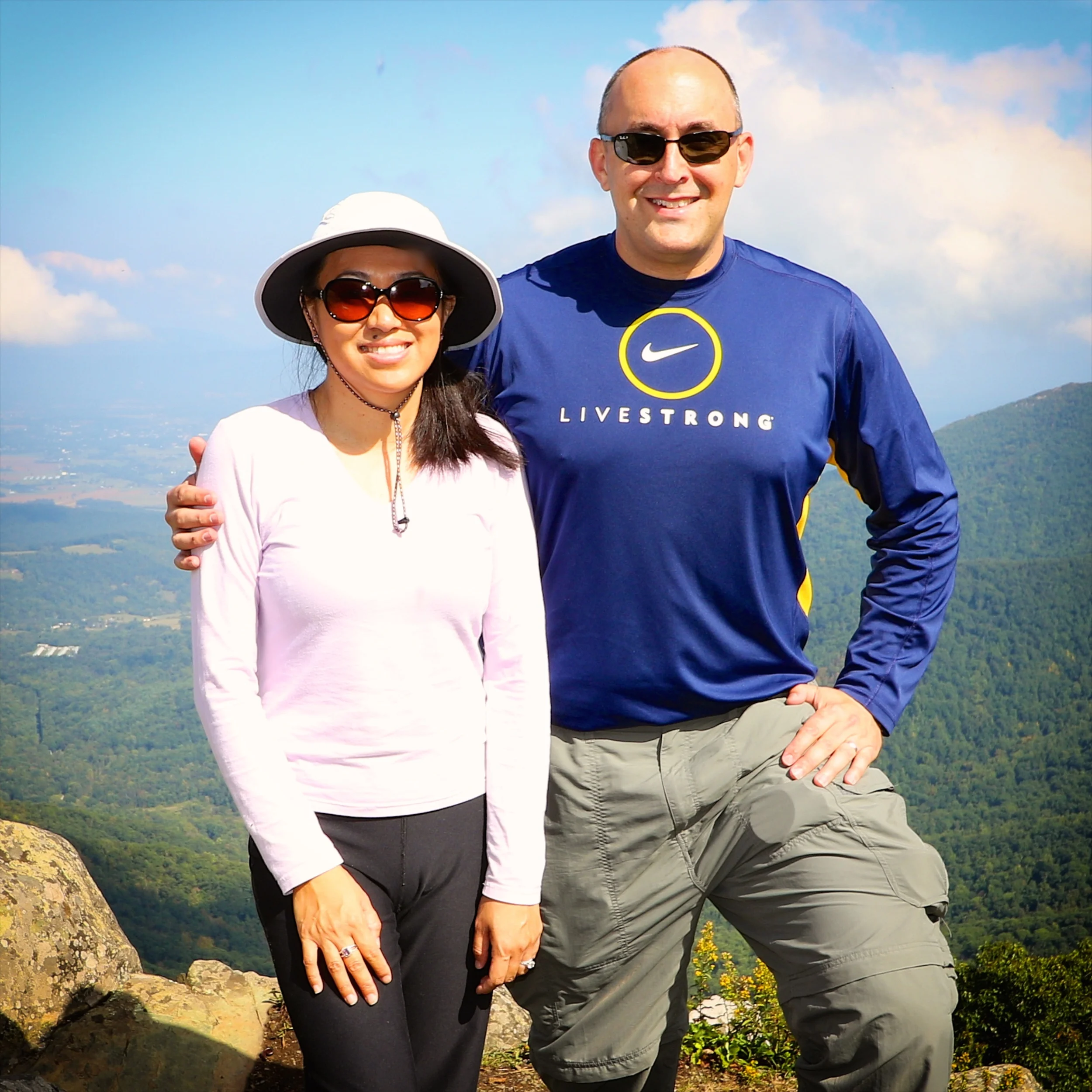
Five Days of Thankfulness from a Cancer Survivor
My cancer diagnosis at age 33 taught me just how fragile life is, and that each day really is a gift and something to appreciate. It was the fear of losing everything more times than I care to recall as I fought, recovered, and survived that helped me to realize just how much I have to be thankful for in this world. And so I bring to you, Five Days of Thankfulness from a Cancer Survivor.
Fighting and surviving cancer is one of those things that's going to completely change your perspective on life. Like all too many people, I had been taking too much of my life for granted prior to the cancer diagnosis that forever changed my world. After I turned 30, I stopped counting my birthdays for awhile and didn’t even know how old I was anymore. Part of this was the fatigue, exhaustion, and mental fog of starting a family and bringing our two awesome children into this world, but to recall my age during these years I either had to calculate it out because I seriously didn’t know, of if I was super lazy I’d just ask my wife! It didn’t really matter. Each year was a given and inconsequential. There was no rush as there was always tomorrow or next year. My cancer diagnosis at age 33 taught me just how fragile life is, and that each day really is a gift and something to appreciate. It was the fear of losing everything more times than I care to recall as I fought, recovered, and survived that helped me to realize just how much I have to be thankful for in this world.
And so I bring to you, Five Days of Thankfulness from a Cancer Survivor. Check back each day this week, Monday through Friday, for each day's message of thanks!
Five Days of Thankfulness - Day 1
I’m Thankful for Life Itself.
1. I’m thankful to simply be alive and to be here at all. It really does change things a lot when you wake up each morning and are truly thankful for another day to live, to love, to laugh, and to enjoy your life, and your family, and your friends and all those that are meaningful to you. There isn’t really a such thing as a bad day for me. So long as I and members of my family all have our health, every day is a good day. Did you see me smiling? It’s because I’m here and I’m breathing, and I’m enjoying another day that I might not have had otherwise. Nothing else really seems to matter anymore.
2. I’m thankful to be living in a time where there are cures for cancers like mine such that #1 is even possible. Just a generation or two ago, testicular cancer was a killer and had a 90% death rate. Now it has a 90% overall cure rate with earlier stage disease being 95-99% curable, and is one of the greatest success stories in modern oncology. This past weekend marked the 40th Anniversary of Dr. Lawrence Einhorn discovering the cure for testicular cancer at Indiana University, and treatments for testicular cancer are so effective these days that they’re concentrating on how to minimize side-effects. Yeah I have a few that are permanent, but they don’t mater. I deal with and manage them. What matters is that I’m here. In another time I probably wouldn’t be. What a blessing to live in this time.
3. I’m thankful to live in a place and within a system where we have access to the best doctors in the world, and also among the best overall cancer care in the world. Testicular cancer is considered a rare cancer. The expertise needed to treat or operate for TC doesn’t even exist in some parts of the world, but it does here, and I ended up needing every bit of that expertise. My cancer fight nearly killed me, but having the very best doctors in the world saved me. What a blessing that is, too.
Life is so fragile and precious. Each day is truly a gift and a blessing. Don’t let it go to waste, get out there and live and enjoy it!
Five Days of Thankfulness - Day 2
I'm Thankful for My Family.
1. I’m thankful for my wife, the love of my life, my soulmate, and the beautiful woman that I get to wake up to every morning and call mine. She works so hard and takes such good care of all of us, pulled me through the darkest of times, and I couldn’t imagine life without her. We’re going to celebrate our 10 year wedding anniversary in October, and will have been together for 18 years, just short of half our lives! So thankful for everyday with the love of my life.
2. I’m thankful for the blessing of my children. They’re so precious to me, and literally irreplaceable. Like all too many young adults that have faced cancer, I’ve suffered a complete loss of fertility as a result of my cancer treatments, so to have a family at all as a young adult cancer survivor is such a blessing. There’s been no greater source of inspiration and drive to fight hard and pull myself through all that I’ve needed to get through in the past few years than my two kids. My son especially has even taught me how I’ve needed to live. He knows no worries about tomorrow, nor is he haunted by what happened yesterday. He knows only of today, right now, and wanting to have a good time. It’s exactly the mentality I’ve needed to have. So fortunate to have both of my awesome children.
3. I’m thankful for the dynamics of our family. It doesn’t matter where we’re going or what we’re doing, it’s pretty much a guarantee that we’re all going to have an awesome time together. Sure, the kids push limits and occasionally need some guidance on proper behavior, and extended trips are definitely a lot of work, but there’s truly very little conflict between any of us. Nothing but good times, a lot of fun, and many joyful adventures! The wonderful memories we make together today as a family have helped to write over the painful ones from my past, and have helped me move on in my cancer aftermath. I'm no longer haunted by terrifying aspects of my cancer fight and survivorship. I remember all of the fun things we did and great times we've had this year, and last year, and the year before. There’s been no better source of healing for me than my family, I couldn’t be more thankful for that.
Five Days of Thankfulness - Day 3
I’m Thankful for the Cancer Community
1. I’m thankful to have had a cancer mentor. Before I knew anything about what a cancer mentor was or why one might have been useful, I already had one. After we announced my diagnosis to friends and family, a friend from way back who just happened to be a cancer survivor took upon this role without even asking, and I couldn’t have made it through my cancer fight and survivorship without them. Having someone by your side every step of the way who’s been there and done that, and “just knows” and understands all of the challenges that you’re going to face both physically and mentally, made all the difference in the world for me. In my darkest days as a survivor when I was so afraid, having been spooked and rattled so badly by a recurrence scare and suffering from a deep depression and PTSD, it was my wife that gave me all of the love that I needed to stop my fall, but it was my cancer mentor that helped get me turned around and who helped to guide me onto the new path on which I would ultimately thrive. It didn't even matter that my mentor was a she and not a he, and that of course they didn't have the same cancer as me. So much of the young adult cancer experience is common, and transcends gender and cancer differences to the point that it doesn't really matter. I will be forever grateful for this person’s presence in my life, and am proud to say that today this person is an official Imerman Angels Mentor Angel!
2. I’m thankful for the Internet and all of the modern technology that we enjoy, and its way of connecting all of us in the cancer community together. The support I’ve been blessed with from this vibrant and passionate community over the years has been irreplaceable, and I never cease to be amazed, uplifted, and inspired by all of the wonderful projects, charity work, awareness campaigns, wonderful writing and essays, and sometimes even books that people within this community come up with. What I’m most proud of though, is that I’m now able to give back to this great community from which I’ve benefitted so much, and that occasionally that person doing the uplifting and inspiring and coming out with great works is me! For that I’m thankful as well!
3. I’m thankful for the opportunity to have been a cancer mentor myself. It wasn’t something that was planned, it just sort of happened. I think that God knew I was ready, and that I had the strength to stand by someone’s side at every step, as a young couple right in my area lived and experienced the same months long nightmare as me. It was a blessing to have had a mentor myself without even asking, but an even greater one to be able to pay that same gift and blessing forward onto another couple in their time of need. Nothing has been more fulfilling to me. It’s what helped me realize that I had finally come full circle in my own cancer journey. It helped bring me closure knowing that I had truly made it to the next level, when I went from the one in bad need of mentoring and guidance, to the one actually providing the mentoring!
It’s an awful thing to meet people under the most terrible of circumstances like these, but I’m so grateful for the wonderful bonds that have formed, and am overjoyed that I’ve been able to make such a profound difference in other people’s lives. Yet another thing to be thankful for!
Five Days of Thankfulness - Day 4
Thankful for wonderful friends, a solid foundation, and new perspectives.
1. I’m thankful for all of my wonderful friends. I grew up on a very independent streak, and was never really all that social of a person. I never appreciated the power of the right people and friendships to make such a difference in a person’s life, but after my cancer experience my eyes have been opened. Through my friends I have known the power to uplift, to nurture, to heal, to help calm me down, to provide guidance, to inspire me, to help me smile, to help me laugh, to help me have a good time, and to help me forget for awhile, and so many other wonderful things. Whatever I’ve needed as far as people power in these past few years, God has provided in the form of friendships. When I look at a friend in the eyes, I know exactly how they’ve been there for me and the ways in which they’ve made a difference for me through the most challenging of times, and I’ll be forever grateful and appreciative of all of these wonderful friendships. It’s a powerful word, but I can say that I truly do love and cherish my friends, and I’m very thankful for that.
2. I’m thankful for good jobs, and our solid foundation. My wife and I met as freshmen in college, but sacrificed being together through most of our 20’s all in the name of getting through various schools and training programs and getting our careers launched, and didn’t actually settle down under the same roof together until we were in our late-20’s! What we created for ourselves was a very solid foundation, and we needed every bit of that to get through what we have. I had been laid off from my previous job and then found out that I had cancer a few months later. Good insurance from good jobs and a fiscal house that was in good order is what got us through that! Who has six months of liquidity sitting around to weather a family crisis like this? Maybe you ought to. It could happen to anybody. It happened to us. The solid foundation that we have has also allowed us to travel, and go places and do things as a family. All of the fun things we’ve done, and all of the places we’ve gone and memories we’ve made might not have been possible if it wasn’t for that. I’m thankful for the sacrifices we’ve made and the life it allows us today, and what it’s allowed us to get through together.
3. I’m thankful for my new perspective on life. There are a lot of terrible things about fighting and surviving cancer, but there are good things too, and I really am appreciative of my new perspective on life. There’s nothing I take for granted anymore. I appreciate everything, enjoy everything so much more, and know just how lucky and blessed I am. I appreciate each and every friend that I have, my wife, my family, my job, my wonderful colleagues that have been so supportive, and so many other things. I’m cruising through Day 4 here and there’s no way I’m going to get to everything that I’m appreciative of and thankful for. You can’t enjoy a beautiful sunrise, fresh air up in the mountains, or your family or friends when you’re stuck in a hospital bed or a chemotherapy ward chair fighting like hell, and wondering if you’re going to die or not. Suddenly that “bad day at the office” seems so trivial and unimportant. Everything changes. You see everything so differently and in a whole new light. I’m thankful that I’m even here at all, and that I’m alive to be writing this. (Day 1) I would never wish anyone to go through what I have, but I do appreciate and am thankful for this new perspective on life.
Bonus thanks today, for changed perspectives. I looked in the mirror the other day, and for the first time I really noticed that I'm not the younger guy that I used to be. I was diagnosed with cancer at age 33, and will turn 37 next month. I have more gray hairs all around, and my eyes and face look different. Do you know what I prayed for while sitting huddled in corners more than a few times? That I just wanted to live and to become an old man someday "like everybody else", so that I could see my children grow up and hopefully hold and play with a grandchild one day. I wear this newly noticed "aging" with great pride. It's a sign of survival, of resilience, and that I'm still on my way to my ultimate goal in life. So very thankful for that!!! (And now it's time for another buzz cut - my way of hiding those grays!)
Five Days of Thankfulness - Day 5
God's gifts and blessings to me personally.
For too long I had been fixated on what I hadn’t been blessed with personally in life, like good health, and finally learned to become thankful for what I had. All of the previous four days I consider to be gifts from God in the world around me, but on this last day I also wanted to recognize and be thankful for God's gifts and blessings to me personally.
1. I'm thankful for impeccably good instincts about things and people. I can't read people's minds nor is it really a sixth sense (or maybe it is?), but I can tell very quickly whether something or someone is good for me or not, and whether they're supposed to be a part of my life or not. When I’ve listened to these instincts I’ve been rewarded handsomely, and the occasional times I haven’t I’ve been hurt when I’ve failed to steer myself clear of people and things that would do me harm. This instinct did an incredibly good job of housecleaning so to speak, when it was given full rein when I had really been hurting during my survivorship. It helped to bring me more of what I needed in my life, and also did the dirty work and got rid of what just needed to be gone. And once upon a time as a young freshman in college, this instinct went off the scales positive like never before in my then 18 years about a girl I had just met, and within a week I knew I had found my future wife. First girl I ever dated. You’d better believe I’m thankful for an instinct like this!
2. I'm thankful for the ability to look deeply within. Cancer pushes you far beyond your limits, and forces you to really get to know yourself and to truly understand what your needs are both as the core of your person, and as the person you’ll evolve into in your life after cancer. I’m thankful that I’ve been able to get through all that I have without finding myself in a therapists’ office, or on an anti-depressant or other drugs. I made sure that I had plenty of "me time" where I could just tune out the rest of the world and focus, I meditated while running, wrote furiously in a journal and held dialogs with myself, tapped into mentors and friends as needed, and kept myself well stocked with wine! If only that were a billable medical expense! Thankful for self-healing.
3. I’m thankful for the gift of expression. Whether through a lens via photography, or the written word, I’m thankful to be able to express outward what I’ve learned or what I’ve felt inward. I’ve been told more than a few times that it’s rare to be able to use both sides of one’s brain. Maybe that ability has been there all the time, or perhaps my cancer experience forced me to develop it. Either way, yet another thing to be thankful for.
Understanding what I had been through, along with taking this self-assessment of God-given gifts and blessings, I came to the realization that God not only gave me all of the tools I needed to heal from this experience, but also the ability to express what I had learned to help heal and educate others. It’s helped me to understand perhaps a bit more about why I’m here, and has given me a new purpose and mission in life. It feels good to be tapping into God-given talents for the first time in my life, for such a wonderful cause as cancer advocacy and helping to improve the lives of cancer survivors everywhere. To take what’s been such a terrible experience and to turn it around in such a way is one of the things I’m most thankful for.
God Bless and Happy Friday!!!!!
StevePake.com